
You have invested in an Ipe wood deck, one of the most beautiful, durable, and long-lasting decking materials available. Known for its incredible density and rich, warm tones, Ipe is a stunning addition to any home. But like any premium material exposed to the elements, it requires a bit of care to keep it looking its best.
The good news is that Ipe is remarkably low-maintenance. The key question isn’t if you should care for it, but how you want it to look. Do you love the deep, natural brown color, or do you prefer the distinguished silvery-gray patina it develops over time?
Your answer will determine your approach. This guide will provide a clear, step-by-step plan for how to maintain ipe wood deck, ensuring it remains a beautiful and functional outdoor space for decades to come.
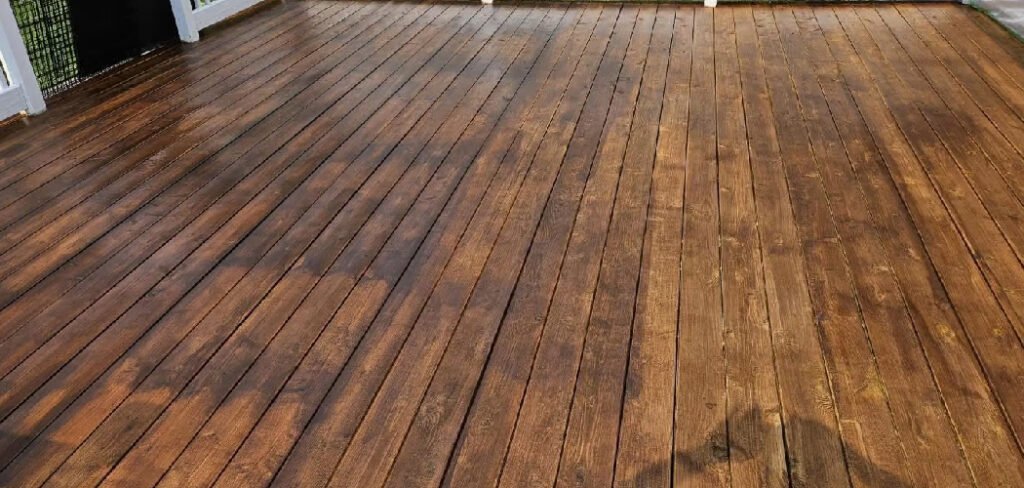
When it comes to maintaining your ipe wood deck, understanding its natural characteristics is the first step. Ipe is a dense and durable hardwood, prized for its stunning appearance and resistance to weathering.
However, like any outdoor material, it is exposed to the elements and can change over time. Whether you aim to preserve its rich, brown tones or prefer the rustic charm of its natural aging process, taking the right steps will help you maximize its lifespan and beauty.
How to Maintain Ipe Wood Deck: A Step-by-Step Guide
Step 1: Perform Regular Sweeping and Cleaning
The simplest yet most crucial maintenance task is to keep your deck clean. Regularly sweep the surface with a stiff-bristle broom to remove loose dirt, leaves, pollen, and other debris. This prevents organic matter from getting trapped in the gaps between boards, where it can decompose and promote mildew growth.
At least twice a year, typically in the spring and fall, give the deck a more thorough cleaning. Use a garden hose to rinse the surface and then scrub it with a mild soap and water solution. This routine cleaning prevents dirt from becoming ground into the wood grain and keeps the surface looking fresh and inviting.
Step 2: Conduct a Thorough Annual Inspection
Once a year, take the time to give your deck a detailed inspection. Walk the entire surface and look for any potential issues. Check for loose boards, popped screws, or any signs of splintering. Pay close attention to the structural components, including the posts, joists, and railings, ensuring everything is solid and secure.
This is also a good time to examine the finish. Note any areas where the color looks faded or where water is no longer beading on the surface, which could indicate it is time for a fresh coat of oil. Catching these small issues early prevents them from turning into larger, more expensive repairs down the road.
Step 3: Decide on Color
This is the most important decision you will make regarding your deck’s appearance. You have two primary paths. The first option is to do almost nothing. If you choose not to apply a UV-inhibiting oil, your Ipe deck will naturally weather over time, transforming from its original reddish-brown to a beautiful, uniform silvery-gray patina.

This is a purely cosmetic change and does not affect the wood’s structural integrity. The second option is to preserve the rich, “like-new” brown color. To do this, you will need to clean the deck and apply a coat of Ipe-specific hardwood oil annually. Your choice determines the entire maintenance workflow.
Step 4: Prepare the Deck for Oiling (If Desired)
If you have decided to maintain the brown color, proper preparation is essential for a beautiful, even finish. Start by cleaning the deck thoroughly as described in step one. Next, you will need to use a dedicated deck brightener. Ipe wood contains natural tannins that can darken the wood and prevent oil from penetrating properly.
A deck brightener, which typically contains oxalic acid, neutralizes these tannins and opens up the wood’s pores to accept the new oil finish.
Apply the brightener according to the manufacturer’s instructions, let it sit for a short period, and then rinse it off completely. This critical preparation is a non-negotiable step in learning how to maintain ipe wood deck for color preservation.
Step 5: Apply a UV-Inhibiting Hardwood Oil
Once the deck is clean, brightened, and completely dry, you are ready to apply the oil. It is crucial to use a penetrating oil finish specifically formulated for dense exotic hardwoods like Ipe. Standard deck stains will not penetrate Ipe’s dense grain and will form a film on the surface that will eventually peel and flake.

Apply a thin, even coat of the Ipe oil using a brush, roller, or staining pad. Work one or two boards at a time, going with the grain. The goal is to feed the wood, not to paint it. Let the oil penetrate for about 15-20 minutes.
Step 6: Wipe Away All Excess Oil
This is the most critical step in the oiling process and the one most often done incorrectly. After the oil has had time to penetrate, you must wipe away every bit of excess oil from the surface with clean, dry rags. Ipe wood is so dense that it will only absorb a small amount of oil. Any oil left sitting on the surface will not dry properly;
instead, it will become a sticky, dark, dust-attracting mess that is very difficult to remove later. The deck should look almost dry after you wipe it down. A properly oiled Ipe deck feels smooth and has a rich, satin sheen, not a glossy, wet look.
Step 7: Allow for Proper Curing Time
After you have finished wiping away all the excess oil, the final step is to simply let the deck cure. Keep all foot traffic, furniture, and pets off the deck for at least 24 to 48 hours. This allows the oil that has penetrated the wood fibers to fully dry and harden.
The curing time can vary depending on the temperature and humidity, so check the specific recommendations on your oil product. Rushing this final step can lead to a splotchy finish and footprints embedded in the oil. Patience here ensures a durable and long-lasting finish that will protect your deck for the year ahead.
Frequently Asked Questions (FAQ)
Should I Pressure Wash My Ipe Deck?
It is generally not recommended to pressure wash an Ipe deck. Ipe is incredibly hard, but the high pressure can still damage the wood fibers, create a fuzzy texture, and leave lap marks.
If you must use a pressure washer, use the lowest possible pressure setting (under 1200 PSI), keep the nozzle at least a foot away from the wood, and always keep it moving. A simple garden hose and a stiff brush are a much safer and effective cleaning method.
How Often Do I Need to Oil My Ipe Deck?
To maintain the rich brown color, you will typically need to re-oil your deck once a year. The frequency depends heavily on its exposure to sun and weather.
A deck that gets intense, all-day sun may need a fresh coat every 8-12 months, while a shaded, protected deck might go 18 months or longer. A good indicator is when you notice the color starting to fade or when water no longer beads on the surface.
What Happens if I Don’t Oil My Ipe Deck?
If you choose not to oil your deck, it will naturally and gracefully weather to a silvery-gray patina. This is a purely cosmetic change and does not harm the wood.
Ipe’s natural density and oils make it inherently resistant to rot, decay, and insects, so a protective finish is not required for its longevity. Many people prefer the low-maintenance elegance of the silvered look.
What Is the Best Oil or Stain for Ipe?
You must use a penetrating oil finish specifically designed for dense hardwoods. Do not use a standard deck stain or sealer that forms a film on top. Look for products with names like “Ipe Oil” or “Hardwood Decking Finish.”
These oils are formulated to penetrate the tight grain of Ipe, nourish the wood, and provide UV protection to maintain its color. Popular and effective brands often include transparent iron oxide pigments.
Can I Sand My Ipe Deck to Restore Its Color?
Yes, sanding is a very effective way to restore an old, gray, or weathered Ipe deck back to its original “like-new” appearance. Because Ipe is so dense, the gray patina is only on the very top surface.
Sanding the deck removes this thin layer and exposes the fresh, brown wood underneath. After sanding, you must thoroughly clean the deck to remove all dust before applying a fresh coat of oil.
Conclusion
Whether you envision a deck with the rich, warm tones of freshly milled hardwood or one with the elegant, silvery sheen of weathered wood, maintaining your Ipe deck is a straightforward process. The key is to decide on the look you want and then follow a consistent routine.
Simple cleaning and annual inspections are all that is needed for a beautiful gray patina, while an annual cleaning and oiling will preserve its deep brown color. You have made a wise investment in a material known for its strength and beauty.
Now that you have a clear understanding of how to maintain ipe wood deck, you can easily protect that investment and ensure your outdoor space remains a stunning and enjoyable retreat for a lifetime.

About
Jovie Mathews is a backyard and outdoor expert writer with over 12 years of hands-on experience transforming neglected outdoor spaces into thriving gardens and functional retreats. Raised in a family where weekends meant digging in the soil and building raised beds from scratch, Jovie developed a genuine love for the outdoors long before it became a career.
She writes with a practical, no-fluff approach — always testing ideas in her own backyard before sharing them with readers. From composting systems and native plant selection to patio design and pest control, Jovie covers the full spectrum of backyard life with equal parts expertise and enthusiasm.
Education
B.Sc. in Horticulture Science
University of Florida (UF) · Gainesville, FL · 2014
IFAS College of Agricultural and Life Sciences
Minor in Environmental Studies
University of Florida (UF) · Gainesville, FL · 2014
College of Liberal Arts and Sciences
Areas of expertise
- Lawn & Garden Care
- Soil prep, planting, seasonal care
- Outdoor DIY Projects
- Raised beds, fencing, pathways
- Composting & Soil Health
- Organic methods, amendments
- Native Plants & Wildlife
- Pollinators, habitat gardening
When she is not writing, Jovie can be found testing new composting techniques, growing tomatoes in questionable quantities, or convincing her neighbors that clover lawns are actually a great idea. She currently gardens in the Pacific Northwest.