
If you are a dog owner, you are likely familiar with the constant battle against muddy paws. One rainy day can transform your once-green lawn into a soupy mess, and your furry friend seems to have a special talent for tracking that mess all through the house. This cycle of mud, mopping, and bathing can feel endless.
The problem is often a combination of poor drainage, heavy foot traffic from your dogs, and the wrong type of ground cover. But you do not have to surrender your yard or your clean floors.
Reclaiming your outdoor space is entirely possible with a strategic approach. This guide provides a clear and practical plan for how to fix a muddy backyard with dogs, turning your mud pit into a durable, beautiful, and enjoyable space for both you and your pets.
Dealing with a perpetually muddy backyard can be both frustrating and exhausting, especially when you have dogs who love to romp and play outside. Muddy paws, dirty floors, and a yard that seems to never dry out can quickly make maintaining your home feel like an uphill battle.
However, with the right techniques and thoughtful planning, you can transform your backyard into a clean, functional, and dog-friendly haven. By addressing the root causes of the mud and choosing effective solutions, you can create an outdoor space that both you and your furry companions will love.
7 Step-by-Step Guide on How to Fix a Muddy Backyard with Dogs
Step 1: Identify the Root Cause of the Mud
Before you can apply a solution, you must understand the problem. Take a walk through your yard after a heavy rain and observe where the water collects. Are there low spots where puddles form and refuse to drain? Is the mud concentrated along the fence line where your dog runs its daily patrol?
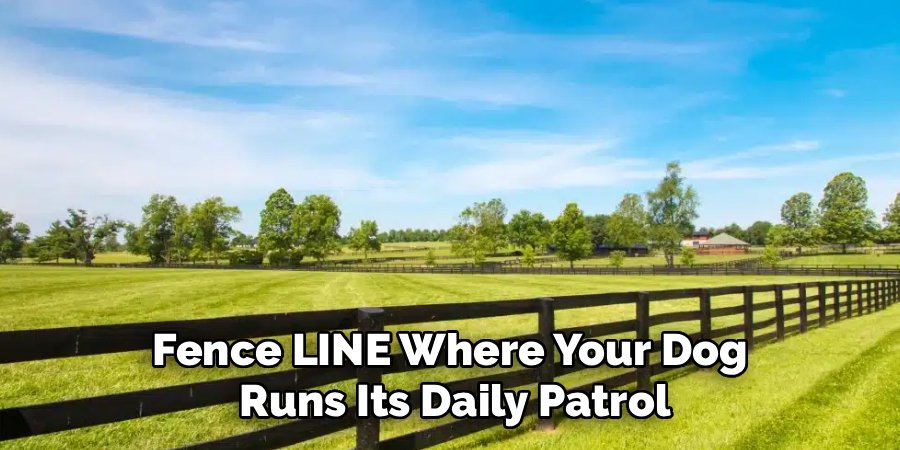
Does the entire yard turn into a swamp? Poor drainage is often the primary culprit, caused by compacted soil, improper grading, or a high water table. Heavy dog traffic exacerbates this by killing the grass and further compacting the soil.
Identifying whether your issue is mainly drainage, high traffic, or a combination of both will help you choose the most effective solutions for your specific situation.
Step 2: Improve Your Yard’s Drainage
Addressing poor drainage is the most critical step toward a mud-free yard. If your soil is heavily compacted, you will need to aerate it. A core aerator pulls plugs of soil out, allowing water and air to penetrate deeper.
For more significant water issues, you may need to install a drainage system. A French drain, which is a trench filled with gravel and a perforated pipe, is excellent for redirecting excess water away from problem areas.
Another simpler option is creating a dry creek bed—a shallow, winding trench filled with river rocks that gives water a decorative and functional path to follow. Improving how water moves off your property is fundamental to a lasting fix.
Step 3: Choose a Durable, Dog-Resistant Grass
Not all grass is created equal when it comes to standing up to the wear and tear of active dogs. Many common grass varieties are too delicate and will quickly turn to mud under heavy paw traffic.
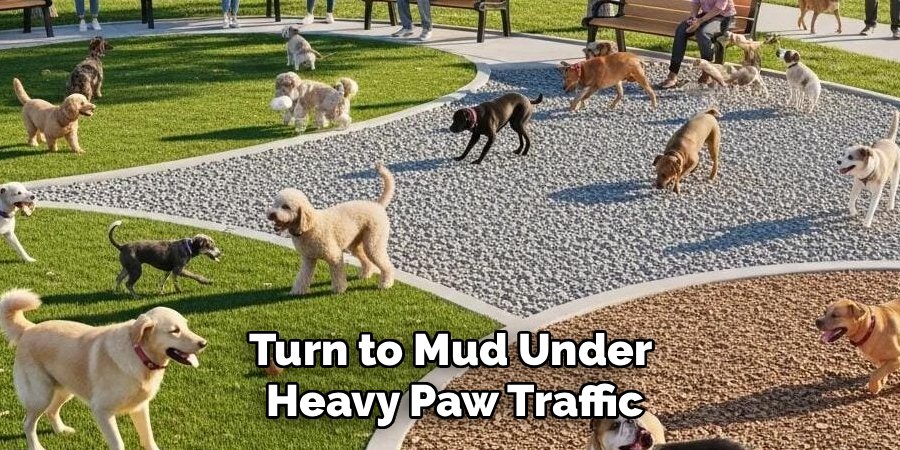
For sunny yards, Bermuda grass and Kentucky bluegrass are tough, self-repairing options. For shadier areas, fescues tend to be more resilient. When you reseed, make sure to protect the area from your dogs until the new grass is well-established, which can take several weeks.
A temporary fence is a wise investment to protect your hard work and give the new turf a fighting chance to develop a strong root system.
Step 4: Use Ground Cover Alternatives
In some cases, especially in high-traffic zones, grass will never be a viable option. This is where alternative ground covers become your best friends. Wood chips or mulch are an excellent, inexpensive solution for creating pathways or covering large muddy areas.
They effectively suppress mud, are comfortable for dogs to walk on, and break down over time to enrich the soil. Pea gravel is another option for creating designated dog zones or paths. It drains exceptionally well and is easy to clean.
When using these materials, be sure to create a defined border to keep them contained and out of your main lawn area.
Step 5: Install Artificial Turf in Problem Areas
For a more permanent and low-maintenance solution, consider installing artificial turf. Modern pet-friendly turf is designed with superior drainage capabilities, allowing liquids to pass through easily.
It is incredibly durable, resistant to digging, and stays green and pristine all year round, regardless of weather or dog activity. While the upfront cost is higher than natural grass or mulch, it eliminates the need for mowing, watering, and fertilizing, saving you time and money in the long run.

It is an ideal solution for small yards or designated dog runs where the concentration of activity makes growing natural grass nearly impossible. This is a highly effective tactic when learning how to fix muddy backyard with dogs.
Step 6: Create Designated Pathways
Dogs are creatures of habit and will often wear a path along their favorite routes, typically around the perimeter of the yard. Instead of fighting this instinct, work with it. Create dedicated pathways along these natural patrol lines.
You can use flagstones, pavers, mulch, or gravel to build a clear and durable path. This strategy contains the high-traffic wear to a specific, manageable area, protecting the rest of your lawn.
It gives your dog a clear, mud-free route for their daily exercise and adds a structured, landscaped look to your yard. This approach redirects the destructive behavior into a functional design element.
Step 7: Manage Water at the Source
Sometimes the problem is not just rain, but also water runoff from your house. Ensure your gutter downspouts are not dumping large amounts of water directly into the muddiest parts of your yard.
Use downspout extenders or splash blocks to redirect the water away from high-traffic areas and toward a part of the yard that drains better, or into a designated drainage system like a French drain or rain garden.
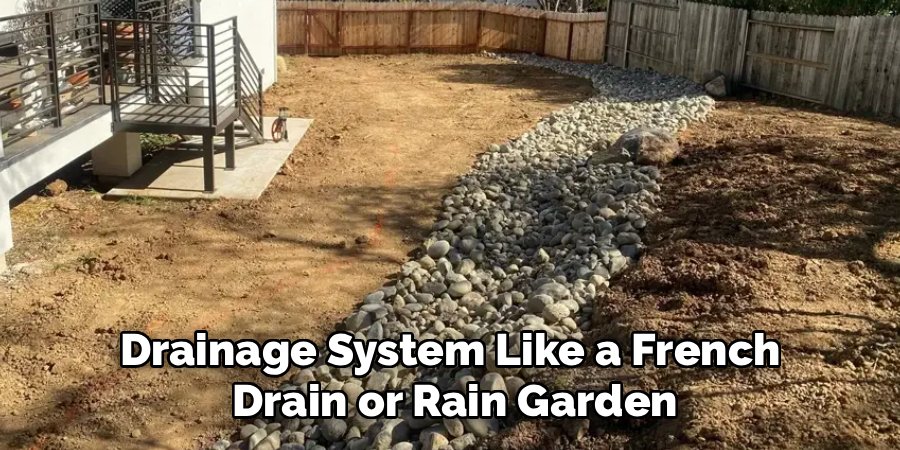
Managing this concentrated source of water can make a significant difference in reducing overall soil saturation and preventing the creation of new mud pits every time it rains.
Frequently Asked Questions (FAQ)
What Is the Cheapest Way to Fix a Muddy Yard?
The most budget-friendly solutions involve covering the mud rather than installing complex drainage.
- Straw or Hay: Spreading a thick layer of straw can provide a temporary, inexpensive fix for a muddy season.
- Wood Chips: Many local tree services offer free or very cheap wood chips. This is an excellent option for covering large areas or creating paths.
- Grass Seed: Overseeding with a durable, fast-growing grass variety is also a cost-effective long-term strategy.
Is It Safe to Use Gravel or Wood Chips in a Yard with Dogs?
Yes, both are generally safe when you choose the right type.
- Gravel: Opt for pea gravel, which has small, smooth, rounded edges that are comfortable for dogs’ paws. Avoid sharp, angular gravel like crushed stone.
- Wood Chips: Use natural, untreated wood chips or mulch. Avoid cocoa mulch, which is toxic to dogs, and any dyed or chemically treated products. Always supervise your dog initially to ensure they do not try to eat the new material.
Will Artificial Turf Get Too Hot for My Dog’s Paws?
Artificial turf can get hotter than natural grass in direct, intense sunlight. However, you can manage this easily.
- Choose a lighter-colored turf, as it will absorb less heat.
- Look for turf with advanced cooling technology.
- On hot days, you can quickly cool the surface by spraying it down with a garden hose for a few seconds.
- Ensure your dog always has a shaded area to rest on.
How Do I Stop My Dog from Digging and Making the Mud Worse?
Digging is often a sign of boredom or instinct.
- Increase Exercise: A tired dog is less likely to engage in destructive behavior.
- Provide a Designated Digging Zone: Create a sandbox or a hidden area where digging is allowed. Bury toys in this spot to encourage them to use it.
- Use Deterrents: Some dogs dislike the smell of citrus or cayenne pepper, which you can sprinkle in problem digging spots.
How Can I Protect New Grass Seed from My Dogs?
Protecting new grass is crucial for its survival. You must keep your dogs off the seeded area until the grass is at least 3 inches tall and has been mowed a couple of times.
Use temporary fencing, such as plastic mesh or chicken wire with stakes, to create a barrier. For smaller patches, you can use a pet-safe germination accelerator blanket that covers the seed and helps it grow.
Conclusion
Reclaiming your backyard from mud is a project that pays dividends in clean floors, a healthier lawn, and a more enjoyable space for everyone in your family, including your four-legged members.
The solution lies in a multi-faceted approach: addressing the root cause of poor drainage, choosing the right ground cover for your dog’s activity level, and strategically designing your space to work with your pet’s natural habits.
It requires some initial effort, but the long-term result is a durable, low-maintenance yard that can withstand both rainy weather and playful paws. Now that you have a comprehensive guide on how to fix muddy backyard with dogs, you can confidently start the transformation and say goodbye to the mud for good.

About
Jovie Mathews is a backyard and outdoor expert writer with over 12 years of hands-on experience transforming neglected outdoor spaces into thriving gardens and functional retreats. Raised in a family where weekends meant digging in the soil and building raised beds from scratch, Jovie developed a genuine love for the outdoors long before it became a career.
She writes with a practical, no-fluff approach — always testing ideas in her own backyard before sharing them with readers. From composting systems and native plant selection to patio design and pest control, Jovie covers the full spectrum of backyard life with equal parts expertise and enthusiasm.
Education
B.Sc. in Horticulture Science
University of Florida (UF) · Gainesville, FL · 2014
IFAS College of Agricultural and Life Sciences
Minor in Environmental Studies
University of Florida (UF) · Gainesville, FL · 2014
College of Liberal Arts and Sciences
Areas of expertise
- Lawn & Garden Care
- Soil prep, planting, seasonal care
- Outdoor DIY Projects
- Raised beds, fencing, pathways
- Composting & Soil Health
- Organic methods, amendments
- Native Plants & Wildlife
- Pollinators, habitat gardening
When she is not writing, Jovie can be found testing new composting techniques, growing tomatoes in questionable quantities, or convincing her neighbors that clover lawns are actually a great idea. She currently gardens in the Pacific Northwest.