

A well-built deck is a fantastic addition to any home, but the exposed concrete footings that support it can be an eyesore. These utilitarian blocks, while essential for structural integrity, often detract from the finished look of your outdoor space. Fortunately, there are many creative and effective ways to conceal them.
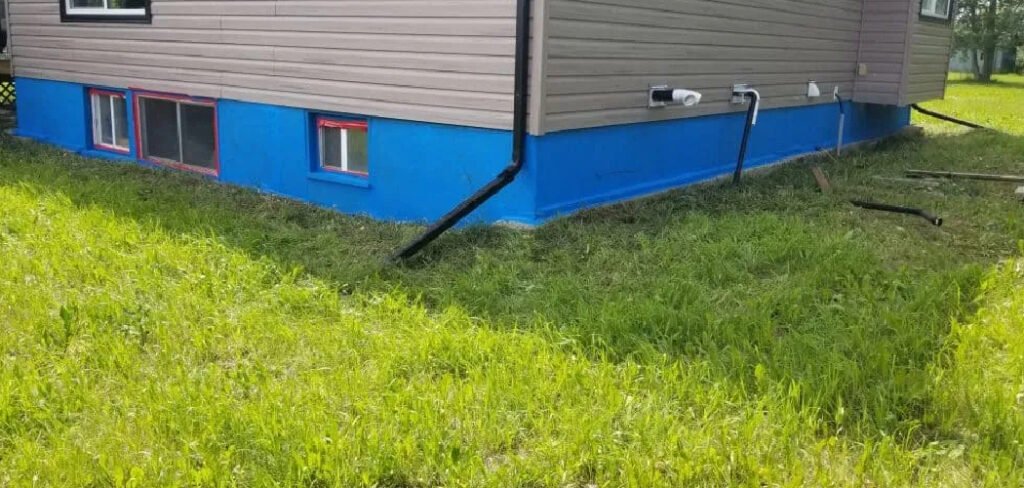
This guide will explore several methods for how to hide concrete deck footings, transforming them from a visual distraction into a seamless part of your landscape design. Whether you prefer landscaping solutions or structural additions, you can easily elevate your deck’s appearance with a few simple techniques.
Concealing the concrete footings under your deck is about more than just aesthetics; it plays a crucial role in creating a polished and professional-looking outdoor living area. Exposed footings can make an otherwise beautiful deck look unfinished and utilitarian. By covering them, you create a cohesive design that integrates the deck structure smoothly into your yard.
This finishing touch significantly enhances curb appeal and can even increase your property’s perceived value. Furthermore, some hiding methods, like adding skirting or planters, can help deter animals from making a home under your deck and can also prevent debris from accumulating in these hard-to-reach spaces, simplifying yard maintenance.
Step-by-Step Guide: How to Hide Concrete Deck Footings
This guide will walk you through several effective methods for concealing those unsightly concrete piers. From landscaping tricks to simple construction, there’s a solution for every skill level and budget. Each step offers a different approach, allowing you to choose the one that best fits your deck’s height, your personal style, and your landscaping goals.
Taking the time to properly implement one of these ideas will make a significant difference in the overall appearance of your outdoor space, providing that clean, finished look every homeowner desires.
Step 1: Install Deck Skirting or Lattice
One of the most popular and effective methods is to install skirting around the perimeter of your deck. Deck skirting, also known as underpinning, creates a solid barrier that completely hides the footings and the entire underside of the deck. You can use materials that match your deck boards, such as wood or composite, for a cohesive look.
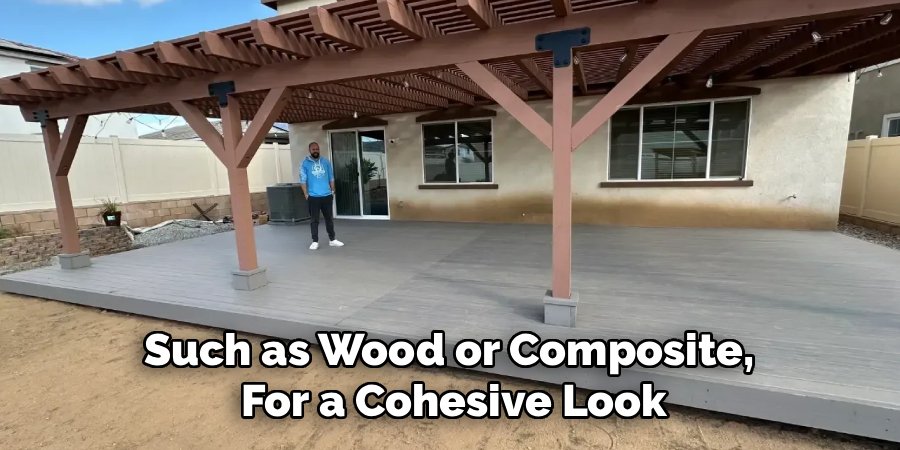
For a more traditional or decorative feel, vinyl or wood lattice is an excellent choice. This not only conceals the footings but also allows for airflow, which is important for preventing moisture buildup. Proper installation involves building a simple frame between the deck posts to attach your chosen material.
Step 2: Use Strategic Landscaping and Plants
Using nature itself is a beautiful and organic way to hide concrete footings. Planting shrubs, ornamental grasses, or perennial flowers around the base of your deck can effectively screen the concrete from view. Choose plants that will reach a height sufficient to cover the footings but won’t grow so large that they interfere with the deck structure.
Hostas, ferns, and boxwoods are excellent choices for low-to-the-ground decks. This approach softens the hard lines of the deck and helps it blend naturally into your garden, turning a structural necessity into a new flower bed.
Step 3: Build Planter Boxes
For a solution that is both functional and beautiful, consider building custom planter boxes around the deck’s perimeter. These boxes can be constructed from the same wood or composite material as your deck for a perfectly integrated design. You can build them directly onto the ground to sit in front of the footings or even attach them to the deck posts.
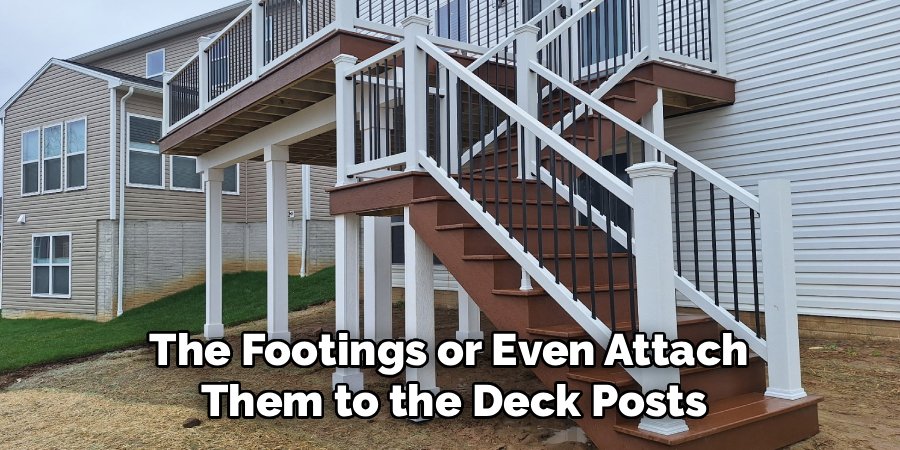
This method not only hides the concrete but also adds vibrant color and life to your deck area. It allows you to enjoy gardening right at the edge of your outdoor living space, creating a beautiful and productive border.
Step 4: Add a Rock or Mulch Border
Creating a decorative border with landscape rocks or mulch is a simple yet stylish solution. This is particularly effective for low-profile decks where there isn’t much space between the ground and the deck frame. Excavate a shallow trench around the deck’s perimeter, lay down landscape fabric to prevent weed growth, and then fill the area with your chosen material.
You can use decorative river rocks, gravel, or wood mulch. This method defines the deck’s edge, hides the footings, and creates a clean, low-maintenance transition from your deck to your lawn.
Step 5: Construct a Wooden Retaining Wall
If your deck is built on a slope, the footings on the lower side may be significantly exposed. In this situation, building a small retaining wall can be an ideal solution. A low, stacked-stone or timber retaining wall can be built in front of the footings, allowing you to backfill the space with soil.
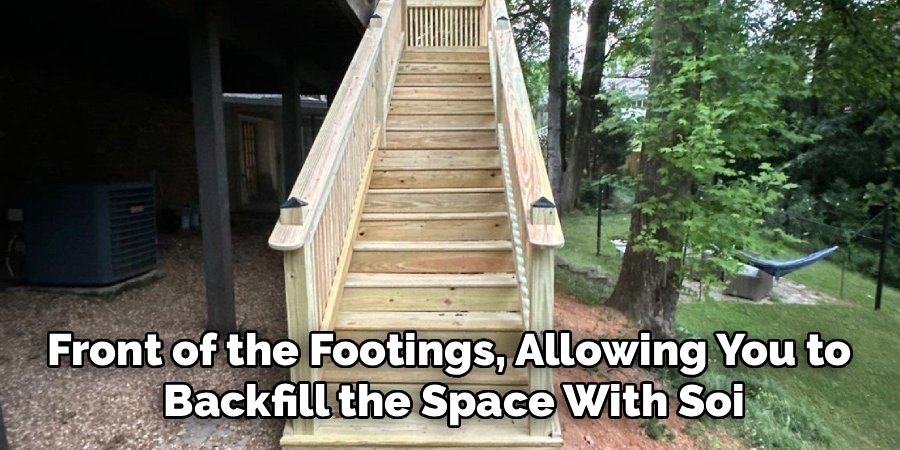
This effectively buries the concrete and creates a level, terraced look in your yard. The new, level ground in front of the wall can then be used for planting or as a small patio area, turning a challenging slope into a deliberate and attractive design feature.
Step 6: Paint the Footings to Blend In
Sometimes, the simplest solution is the most effective. If your footings are not overly prominent or if you are looking for a quick and budget-friendly fix, you can paint them. Choose a high-quality exterior masonry paint in a color that matches either your deck’s support posts or the surrounding landscape.
A dark brown, charcoal gray, or deep green can help the concrete visually recede and become far less noticeable. While this method doesn’t physically cover the footings, it helps them blend into the shadows under the deck, providing a surprisingly effective camouflage.
Step 7: Use Faux Stone Panels
For the look of a real stone foundation without the cost and labor, consider using faux stone panels. These lightweight panels are made from high-density polyurethane and are designed to look like authentic stacked stone. They are easy to cut to size and can be attached to a simple frame built around the deck’s perimeter or directly to the support posts.
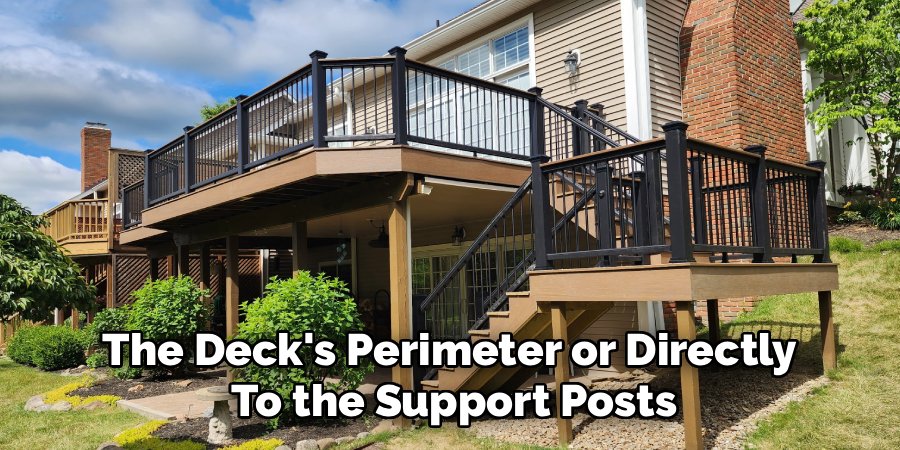
This method provides a high-end, sophisticated look that completely conceals the footings and gives your deck a sense of permanence and solid craftsmanship, dramatically elevating its visual appeal.
Common Mistakes to Avoid
When hiding deck footings, a few mistakes can undermine your efforts. A primary error is completely sealing the underside of the deck without providing any ventilation. This traps moisture and can lead to mold, mildew, and rot. If you install skirting, ensure you use a vented style like lattice or install dedicated vents.
Another common mistake is choosing plants that are too large or have aggressive root systems. These can damage the deck structure or the footings over time. Always research plant sizes and types before landscaping. Lastly, avoid placing wood skirting or untreated materials directly on the ground. Direct soil contact will cause wood to rot quickly. Always leave a small gap or use a ground-rated material.
Frequently Asked Questions (FAQ)
Do I Need To Provide Ventilation When Hiding Deck Footings?
Yes, ventilation is crucial. Sealing the area under a deck without airflow traps moisture, which can lead to mold, mildew, and wood rot, compromising your deck’s structure. If you install solid skirting, be sure to include vents. Using materials like lattice is a great option as it provides concealment while allowing for natural air circulation.
What Are The Easiest Ways To Hide Concrete Footings?
The easiest methods are often landscaping-based. Spreading a thick layer of mulch or decorative rock around the deck’s perimeter is a quick and simple fix. Another easy solution is to strategically place potted plants in front of the footings. For a more permanent but still simple solution, painting the footings a dark color helps them blend in.
Can I Attach Skirting Directly To The Concrete Footings?
It is not recommended to attach skirting directly to the concrete footings. It’s better to build a simple frame out of pressure-treated lumber that runs between the deck’s support posts. You can then attach your skirting material, such as lattice or vertical boards, to this frame. This creates a more professional look and is structurally more stable.
What Kind Of Plants Are Best For Hiding Deck Footings?
Ideal plants are those that have non-aggressive root systems and will grow to a height that covers the footings without becoming overgrown. Low-growing evergreen shrubs like boxwood or juniper, as well as shade-loving perennials like hostas and ferns, are excellent choices. They provide year-round coverage without posing a threat to your deck’s foundation.
How Do I Hide Footings On A Sloped Yard?
For a sloped yard, building a small retaining wall in front of the exposed footings is an excellent solution. You can use stacked stone, landscape timbers, or retaining wall blocks. This not only hides the footings but also helps to level the area, creating a more usable and attractive terraced landscape design around your deck.
Conclusion
A beautiful deck deserves a flawless finish, and learning how to hide concrete deck footings is the key to achieving that polished look. Whether you choose to install classic lattice, create lush garden beds, or build custom planter boxes, concealing these structural elements elevates your entire outdoor space.
By selecting the method that best suits your style, budget, and deck design, you can transform an unfinished-looking area into a professional and seamlessly integrated feature of your home. Taking this final step ensures your deck is not only a functional space but also a beautiful centerpiece of your yard.

About
Jovie Mathews is a backyard and outdoor expert writer with over 12 years of hands-on experience transforming neglected outdoor spaces into thriving gardens and functional retreats. Raised in a family where weekends meant digging in the soil and building raised beds from scratch, Jovie developed a genuine love for the outdoors long before it became a career.
She writes with a practical, no-fluff approach — always testing ideas in her own backyard before sharing them with readers. From composting systems and native plant selection to patio design and pest control, Jovie covers the full spectrum of backyard life with equal parts expertise and enthusiasm.
Education
B.Sc. in Horticulture Science
University of Florida (UF) · Gainesville, FL · 2014
IFAS College of Agricultural and Life Sciences
Minor in Environmental Studies
University of Florida (UF) · Gainesville, FL · 2014
College of Liberal Arts and Sciences
Areas of expertise
- Lawn & Garden Care
- Soil prep, planting, seasonal care
- Outdoor DIY Projects
- Raised beds, fencing, pathways
- Composting & Soil Health
- Organic methods, amendments
- Native Plants & Wildlife
- Pollinators, habitat gardening
When she is not writing, Jovie can be found testing new composting techniques, growing tomatoes in questionable quantities, or convincing her neighbors that clover lawns are actually a great idea. She currently gardens in the Pacific Northwest.