
A thriving container garden adds life and color to any outdoor space, transforming a dull concrete slab into a vibrant oasis. However, many gardeners discover an unpleasant side effect of their greenery: unsightly rings and discoloration left behind on the ground.
Whether it is from hard water deposits, fertilizer runoff, or trapped moisture causing mildew, these marks can be incredibly stubborn to remove once they set in. If you are tired of scrubbing your deck or pavers, you are likely looking for effective solutions on how to stop staining on patio from plant pots.
The good news is that prevention is simple and inexpensive. This guide will walk you through several practical methods to protect your surfaces, keeping your patio looking as fresh and beautiful as the plants you nurture.
Plant pots can add charm and vibrancy to any patio space, but they often come with an unwanted side effect—unsightly stains. These marks can detract from the look of your outdoor area and become a hassle to deal with over time.
Fortunately, by taking a few proactive steps, you can protect your surfaces from discoloration while still enjoying the beauty of your plants. From using protective barriers to selecting the right type of pots, there are several strategies that can help you maintain a spotless patio effortlessly.
Understanding the Causes of Patio Stains
Before diving into the solutions, it is helpful to understand why these stains happen in the first place. The most common culprit is water drainage. When you water your plants, the excess liquid seeps out the bottom of the pot, carrying with it dissolved minerals from the soil, fertilizers, and tannins from organic matter like peat moss or bark.
When this mixture pools under a heavy pot and dries, it leaves behind mineral deposits or dark organic stains. Additionally, moisture trapped between the pot and the patio surface creates a perfect breeding ground for mold and mildew, leading to black or green circular marks.
By addressing the drainage and airflow issues, you can effectively eliminate the source of the damage.
7 Step-by-Step Guide on How to Stop Staining on Patio from Plant Pots
Step 1: Clean and Seal Your Patio Surface
The first line of defense against stubborn stains is a well-maintained surface. Before placing any heavy planters, take the time to thoroughly clean your patio. Use a pressure washer or a stiff scrub brush with a suitable cleaner to remove existing dirt, grime, and old stains.
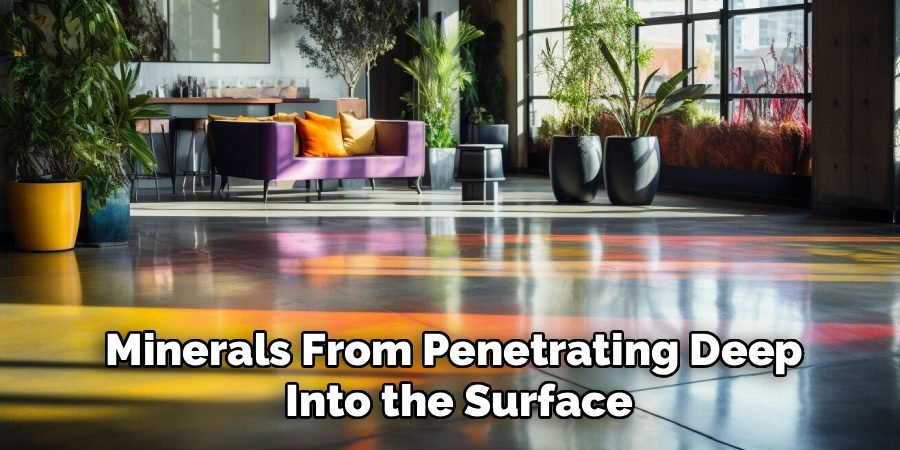
Once the area is spotless and completely dry, apply a high-quality sealant appropriate for your specific patio material, whether it is concrete, stone, or wood. Sealing creates a protective barrier that fills the microscopic pores of the material, preventing water and dissolved minerals from penetrating deep into the surface.
This proactive step makes future cleanup significantly easier and is a foundational part of learning how to stop staining on patio from plant pots effectively.
Step 2: Choose the Right Saucers and Trays
One of the simplest ways to catch runoff is by placing a saucer or tray under every single pot. However, not all saucers are created equal. Avoid unglazed terracotta saucers placed directly on the patio, as they are porous and will eventually allow moisture to seep through to the ground below.
Instead, opt for plastic, glazed ceramic, or resin trays that are completely waterproof. Ensure the saucer is large enough to hold the drainage water without overflowing during a heavy watering session.
By creating a physical barrier between the nutrient-rich runoff and your patio floor, you instantly eliminate the direct contact that leads to discoloration and mineral buildup.
Step 3: Elevate Pots with Pot Feet
Trapped moisture is a major enemy of pristine patios. When a flat-bottomed pot sits directly on the ground, air cannot circulate underneath, leading to condensation and mold growth. To combat this, use pot feet or risers to lift your containers an inch or two off the surface.
These small wedges come in various materials like terracotta, rubber, or plastic and can be decorative or invisible. Elevation allows air to flow freely under the pot, helping any spilled water evaporate quickly rather than sitting stagnant.
This simple adjustment significantly reduces the risk of mildew rings and is a crucial technique when figuring out how to stop staining on patio from plant pots in humid climates.
Step 4: Utilize Cork or Rubber Mats
For a more subtle solution than pot feet, consider using specialized cork or rubber mats designed for outdoor planters. These mats often feature a non-slip backing and a slightly raised texture that promotes airflow. Place a mat under each pot or saucer to provide a cushioned buffer between the heavy container and your delicate patio surface.
The material absorbs minor condensation while preventing scratches and friction marks that can occur when moving heavy pots. Cork mats are particularly effective as they are naturally resistant to mold and mildew. Be sure to choose mats specifically labeled for outdoor use to ensure they can withstand rain and sun without deteriorating.
Step 5: Implement the “Pot-in-Pot” Method
The “pot-in-pot” or double-potting technique is a clever gardener’s trick that offers excellent drainage control. Place your plant in a plastic nursery pot with drainage holes, and then set that plastic pot inside a larger, decorative container that does not have holes (a cachepot).
The outer decorative pot acts as a reservoir, catching all the drainage water so it never touches your patio. You can easily lift the inner plastic pot out to empty the standing water from the cachepot periodically.
This method ensures that absolutely no water leaks onto your deck, providing complete protection against stains while allowing you to use beautiful, hole-free ceramic or metal containers.
Step 6: Avoid Iron-Based Fertilizers
Sometimes the stain is not just dirty water, but rust. Many plant fertilizers contain iron, which is great for green leaves but terrible for concrete and stone. When iron-rich water leaks onto your patio, it oxidizes and leaves behind bright orange rust stains that are notoriously difficult to remove.
Check the labels of your plant food and fertilizers carefully. Try to switch to low-iron or iron-free formulas for your patio plants.
If your plants require iron, apply the fertilizer carefully and avoid watering until the granules have dissolved into the soil, or move the pots to a safe area like a lawn or gravel bed during the fertilization and initial watering process.
Step 7: Perform Regular Maintenance Checks
Even with the best preventative measures, outdoor environments are unpredictable. Make it a habit to check under your pots and saucers every few weeks. Lift them up or shift them slightly to inspect the surface underneath.

Sweep away any accumulated debris, leaves, or soil that may have gathered around the base, as organic matter can decompose and cause staining over time. If you notice any water standing in your saucers for more than a day, empty them to prevent overflow and mosquito breeding.
This routine vigilance ensures that your protective measures are working correctly and allows you to catch any potential issues before they become permanent eyesores.
Frequently Asked Questions (FAQ)
How Do I Remove Old Stains From My Concrete Patio?
To remove set-in stains, scrub the area with a mixture of vinegar and water or a dedicated concrete cleaner. For rust stains, use a product containing oxalic acid or lemon juice. Apply the solution, let it sit for several minutes, then scrub vigorously with a stiff brush before rinsing thoroughly.
Are Pot Feet Better Than Saucers For Preventing Stains?
Pot feet and saucers serve different purposes but work best together. Saucers catch the water runoff, preventing mineral deposits, while pot feet improve airflow to prevent mildew. Using both provides the ultimate protection. If you must choose one, saucers are generally better for preventing liquid stains, while feet prevent mold rings.
Can I Use Household Rugs Under My Plant Pots?
Standard indoor household rugs are not recommended because they retain water and can rot or cause mildew on the patio surface. Instead, use outdoor rugs made from synthetic fibers like polypropylene which dry quickly. Ensure you still place a saucer under the pot to catch drainage and prevent the rug itself from staining.
Will Sealing My Patio Make It Slippery When Wet?
Some sealers can make surfaces slick, but many modern formulas include a grit additive or a matte finish specifically designed to provide traction. When purchasing a sealer, look for “non-slip” or “slip-resistant” on the label. Always test a small, inconspicuous area first to ensure you are happy with the texture.
Why Do My Terra Cotta Pots Leave White Rings?
Terra cotta is porous, allowing water and dissolved salts from the soil and fertilizer to seep through the clay walls. As the water evaporates from the exterior of the pot and the base, it leaves behind white, chalky mineral deposits (efflorescence). Using a glazed saucer or sealing the pot interior helps prevent this.
Conclusion
Preserving the beauty of your outdoor living space does not mean you have to sacrifice your love for gardening. By taking a proactive approach, you can enjoy lush greenery without the headache of scrubbing stubborn marks off your deck or pavers.
Whether you choose to seal your surface, invest in high-quality saucers, or elevate your containers with stylish pot feet, the key is to manage water drainage effectively.
Implementing these strategies on how to stop staining on patio from plant pots will extend the life of your hardscaping and keep your relaxation area looking pristine. With a little preparation and the right tools, your patio can remain a spotless, welcoming retreat for years to come.

About
Jovie Mathews is a backyard and outdoor expert writer with over 12 years of hands-on experience transforming neglected outdoor spaces into thriving gardens and functional retreats. Raised in a family where weekends meant digging in the soil and building raised beds from scratch, Jovie developed a genuine love for the outdoors long before it became a career.
She writes with a practical, no-fluff approach — always testing ideas in her own backyard before sharing them with readers. From composting systems and native plant selection to patio design and pest control, Jovie covers the full spectrum of backyard life with equal parts expertise and enthusiasm.
Education
B.Sc. in Horticulture Science
University of Florida (UF) · Gainesville, FL · 2014
IFAS College of Agricultural and Life Sciences
Minor in Environmental Studies
University of Florida (UF) · Gainesville, FL · 2014
College of Liberal Arts and Sciences
Areas of expertise
- Lawn & Garden Care
- Soil prep, planting, seasonal care
- Outdoor DIY Projects
- Raised beds, fencing, pathways
- Composting & Soil Health
- Organic methods, amendments
- Native Plants & Wildlife
- Pollinators, habitat gardening
When she is not writing, Jovie can be found testing new composting techniques, growing tomatoes in questionable quantities, or convincing her neighbors that clover lawns are actually a great idea. She currently gardens in the Pacific Northwest.