
Imagine stepping out your back door into a lush, vibrant woodland teeming with life. The air is cooler, birds are singing, and you are surrounded by the calming presence of nature. This vision does not require owning a massive plot of land; it is something you can cultivate right in your own yard.
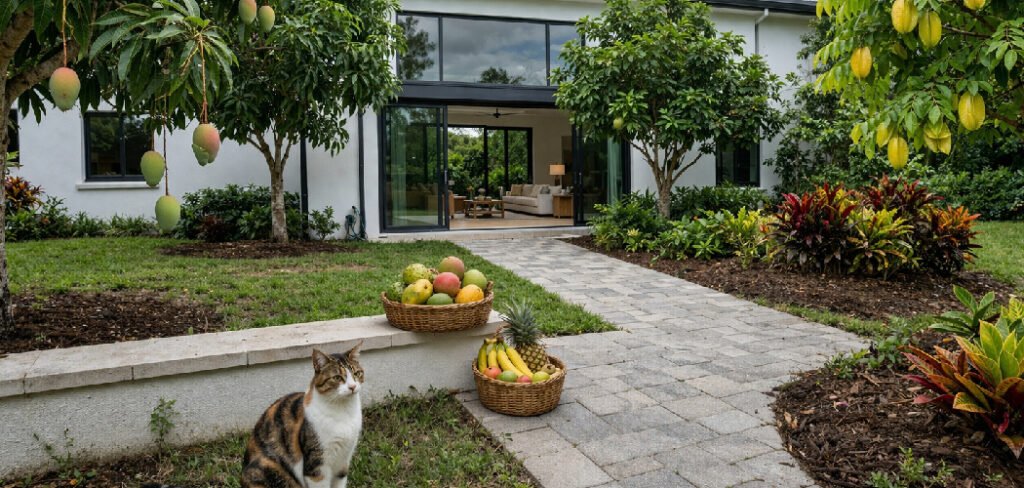
Creating a miniature forest is more than just planting a few trees. It is about building a layered, self-sustaining ecosystem that supports wildlife, improves soil health, and provides a beautiful, natural sanctuary for you and your family. For homeowners looking to make a positive environmental impact and enhance their property, learning how to grow a forest in your backyard is a rewarding long-term project.
This guide will walk you through the essential steps, from planning and soil preparation to planting and maintenance, making the process accessible for any aspiring home ecologist.
Creating a backyard forest begins with understanding the natural balance of ecosystems and how plants, animals, and microorganisms work together to thrive. By mimicking these dynamics, you can transform even a small space into a flourishing habitat that serves both the environment and your household. Whether you want to attract wildlife, combat climate change, or simply enjoy the tranquility of nature, planting a forest in your yard is a practical and impactful way to reconnect with the Earth.
How to Grow a Forest in Your Backyard: A Step-by-Step Guide
Step 1: Observe and Assess Your Site
Before you buy a single plant, you must understand your canvas. Spend time observing your backyard at different times of the day to see where the sun hits and where shadows fall. Take note of areas that stay wet after rain or spots that are particularly dry and exposed. You should also test your soil’s pH and composition to understand its baseline health.
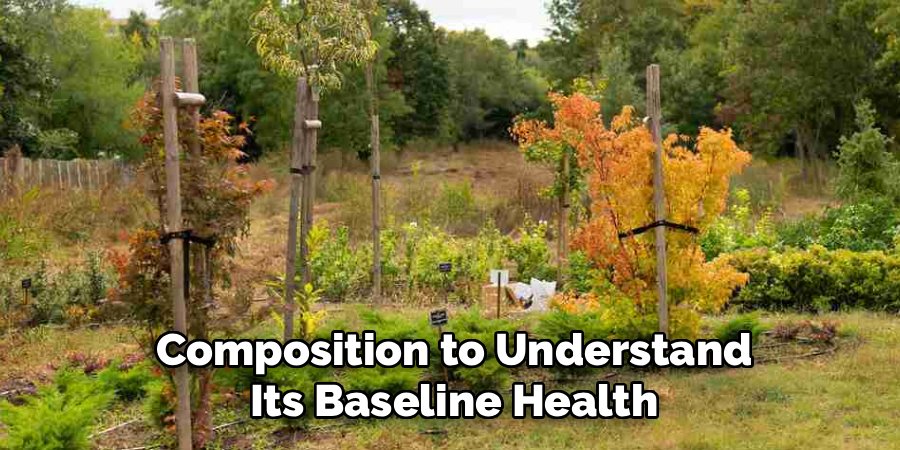
Is it sandy, loamy, or heavy clay? This information is critical for selecting plants that will thrive naturally. Finally, look up. Are there overhead power lines that will interfere with tall trees? Understanding these site-specific conditions is the foundational step that will guide all of your future decisions and ensure your woodland project is set up for long-term success.
Step 2: Choose Native Trees and Plants
The single most important factor for a successful backyard forest is choosing plants that are native to your specific region. Native trees, shrubs, and flowers have spent thousands of years adapting to your local climate, soil, and rainfall patterns. This means they will require less water, fertilizer, and overall maintenance once established.
They also provide the ideal food and shelter for local wildlife, such as birds, butterflies, and beneficial insects. Visit your local extension office website or a native plant nursery for lists of species appropriate for your area. Selecting a diverse mix of native plants is the core principle of learning how to grow a forest in your backyard.
Step 3: Prepare the Soil
A forest floor is not bare dirt; it is a rich, living layer of organic matter. To mimic this, you need to prepare your soil before planting. Start by removing any existing lawn grass in the designated area. You can do this by solarizing (covering with plastic to kill the grass) or by layering cardboard and mulch on top, a technique known as sheet mulching.
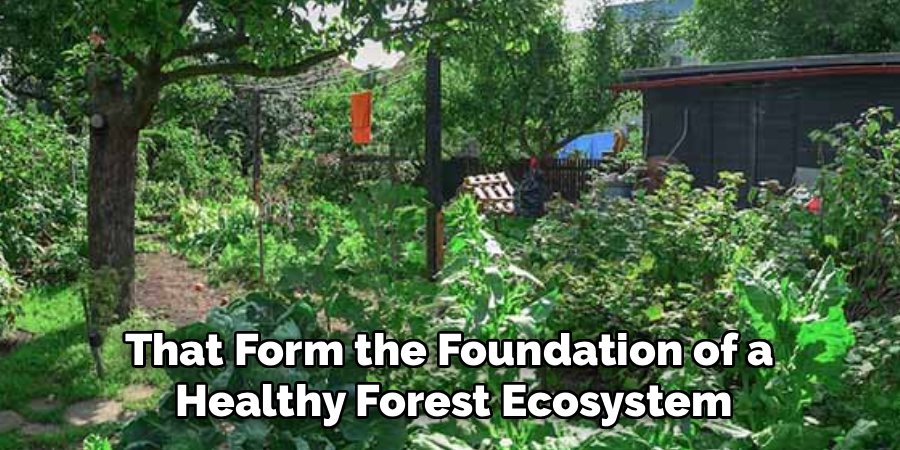
Once the grass is gone, amend the soil by spreading a thick layer of compost and leaf mulch across the entire area. This organic matter will provide essential nutrients, improve water retention, and create a hospitable environment for the microorganisms that form the foundation of a healthy forest ecosystem.
Step 4: Design Your Forest Layers
A natural forest is not just a collection of tall trees; it is a multi-layered community. To replicate this, you must plan for different vertical layers. The tallest layer is the canopy, consisting of large deciduous or evergreen trees. Below that is the understory, with smaller trees and large shrubs that thrive in partial shade.
The next layer down is the shrub layer, composed of woody plants that provide dense cover for birds. Finally, the groundcover layer includes ferns, wildflowers, and low-spreading plants that cover the forest floor. Planning these layers ensures a dynamic and resilient ecosystem that maximizes space and provides diverse habitats.
Step 5: Plant in Clusters for a Natural Look
When it comes time to plant, resist the urge to place your trees in neat, straight rows like in an orchard. Forests grow in a more random, clustered pattern. Place your canopy trees first, ensuring you give them enough space to reach their mature size without crowding each other.
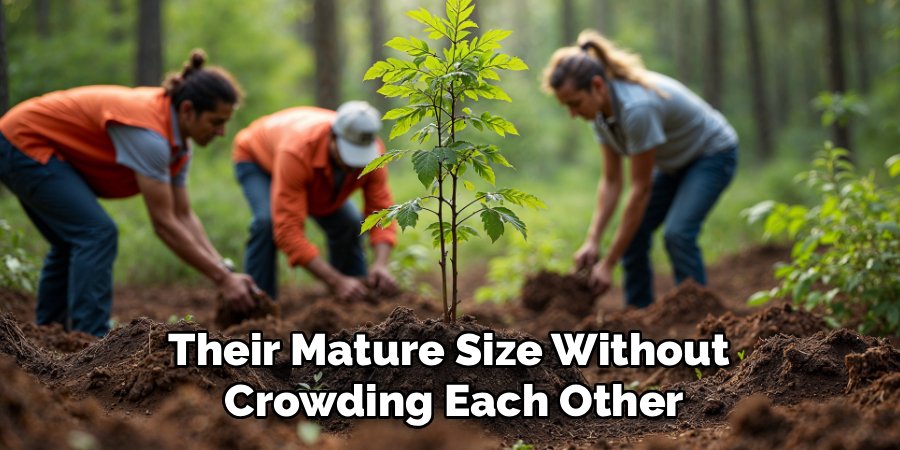
Then, plant your understory trees and shrubs in small groups or “drifts” around and between the larger trees. This clustered planting method helps the plants support each other, creates natural-looking clearings, and allows for pathways to meander through your new woodland. It is a simple but effective technique for achieving an authentic forest feel.
Step 6: Water Deeply and Mulch Thoroughly
Your newly planted trees and shrubs are vulnerable, especially during their first two years. To help them establish strong root systems, they need consistent and deep watering. A slow, deep soak once or twice a week is far more effective than a light daily sprinkle.
After planting, apply a thick, 3- to 4-inch layer of organic mulch, such as wood chips or shredded leaves, around the base of every plant. This mulch layer is critical; it suppresses weeds, retains soil moisture, regulates soil temperature, and slowly breaks down to add more organic matter to the soil, just like a natural forest floor.
Step 7: Practice Patience and Minimal Intervention
Once your forest is planted, mulched, and watered, the most important—and sometimes most difficult—step is to let nature take its course. A forest does not grow overnight. It will take several years for your saplings to become established and for the ecosystem to begin to mature.
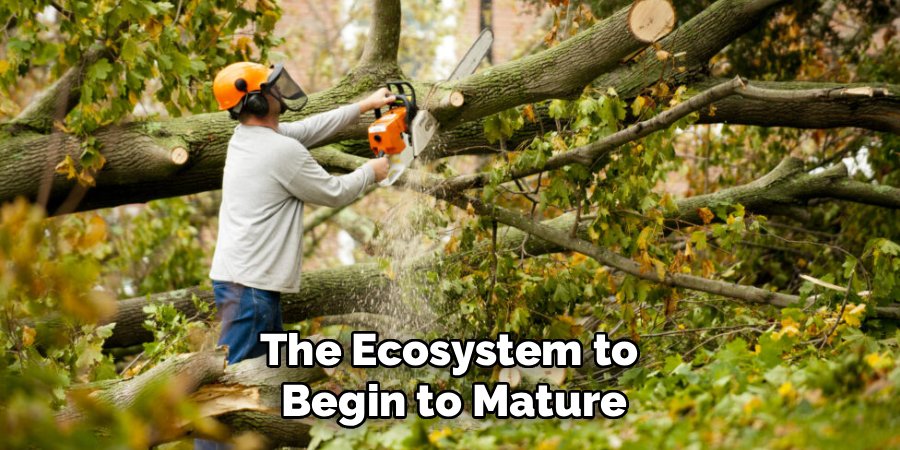
Your primary job is to water during dry spells and occasionally pull invasive weeds that may pop up. Avoid the temptation to constantly prune, rake leaves, or “tidy up.” The fallen leaves and twigs are a vital part of the nutrient cycle. Embracing a little bit of wildness is the final secret for anyone learning how to grow a forest in your backyard.
Frequently Asked Questions (FAQ)
How Much Space Do I Need to Grow a Forest?
You do not need multiple acres to create a woodland effect. A corner of your yard measuring as little as 15 by 15 feet can be transformed into a small grove with a few understory trees and shrubs. The key is density and layering. The more space you have, the more layers and larger canopy trees you can incorporate, but the principles remain the same even for small spaces.
Will a Backyard Forest Attract Pests?
A healthy, diverse ecosystem actually regulates pests naturally. By planting native species, you will attract beneficial insects, spiders, and birds that prey on common garden pests like aphids and caterpillars. While you may see more wildlife, you are creating a balanced environment where no single “pest” population is likely to get out of control. It is a shift from fighting nature to working with it.
How Long Does It Take to Grow a Backyard Forest?
This is a long-term project. You will notice significant growth and a more “woodland” feel within 3 to 5 years as shrubs and small trees fill in. It might take 10 to 20 years for your canopy trees to begin reaching a significant height and casting considerable shade. The process is slow, but the yearly changes are a rewarding part of the journey.
Can I Still Have a Lawn if I Plant a Forest?
Absolutely. Many people choose to convert only a portion of their yard into a woodland, such as the back corner or a side yard. You can create a graceful, curving border between your lawn area and your new forest using a mulched edge or a simple stone border. This allows you to enjoy the benefits of both a manicured space and a wild, natural one.
What Is the Best Time of Year to Start Planting?
Fall is generally considered the ideal time to plant trees and shrubs in most climates. The cooler air temperatures reduce stress on the plant, while the soil is still warm enough to encourage root growth. This allows the plants to get established over the winter and be ready for a growth spurt in the spring. If you miss the fall window, early spring is the next best option.
Conclusion
Creating a personal woodland is a deeply rewarding endeavor that offers benefits far beyond simple aesthetics. It is an act of ecological restoration that provides a vital habitat for local wildlife, improves air and water quality, and gives you a peaceful retreat from the stresses of daily life. The process is a lesson in patience and observation, connecting you more deeply to the natural cycles of your environment.
By choosing native plants, preparing your soil, and planting in layers, you are setting the stage for a resilient and beautiful ecosystem. Now that you have a clear roadmap for how to grow a forest in your backyard, you can begin the journey of transforming a patch of lawn into a lasting legacy of biodiversity and natural beauty.

About
Jovie Mathews is a backyard and outdoor expert writer with over 12 years of hands-on experience transforming neglected outdoor spaces into thriving gardens and functional retreats. Raised in a family where weekends meant digging in the soil and building raised beds from scratch, Jovie developed a genuine love for the outdoors long before it became a career.
She writes with a practical, no-fluff approach — always testing ideas in her own backyard before sharing them with readers. From composting systems and native plant selection to patio design and pest control, Jovie covers the full spectrum of backyard life with equal parts expertise and enthusiasm.
Education
B.Sc. in Horticulture Science
University of Florida (UF) · Gainesville, FL · 2014
IFAS College of Agricultural and Life Sciences
Minor in Environmental Studies
University of Florida (UF) · Gainesville, FL · 2014
College of Liberal Arts and Sciences
Areas of expertise
- Lawn & Garden Care
- Soil prep, planting, seasonal care
- Outdoor DIY Projects
- Raised beds, fencing, pathways
- Composting & Soil Health
- Organic methods, amendments
- Native Plants & Wildlife
- Pollinators, habitat gardening
When she is not writing, Jovie can be found testing new composting techniques, growing tomatoes in questionable quantities, or convincing her neighbors that clover lawns are actually a great idea. She currently gardens in the Pacific Northwest.