
Walking out to your driveway or patio only to spot a blackened, flattened piece of chewing gum stuck to the surface is a frustrating experience for any homeowner. It is an eyesore that ruins the clean lines of your concrete and seems impossible to scrape away.
Over time, that sticky residue hardens, collects dirt, and turns into a stubborn black spot that resists rain and regular sweeping. Many people assume they need expensive industrial equipment or harsh chemicals to fix the problem, but the solution is often much simpler.
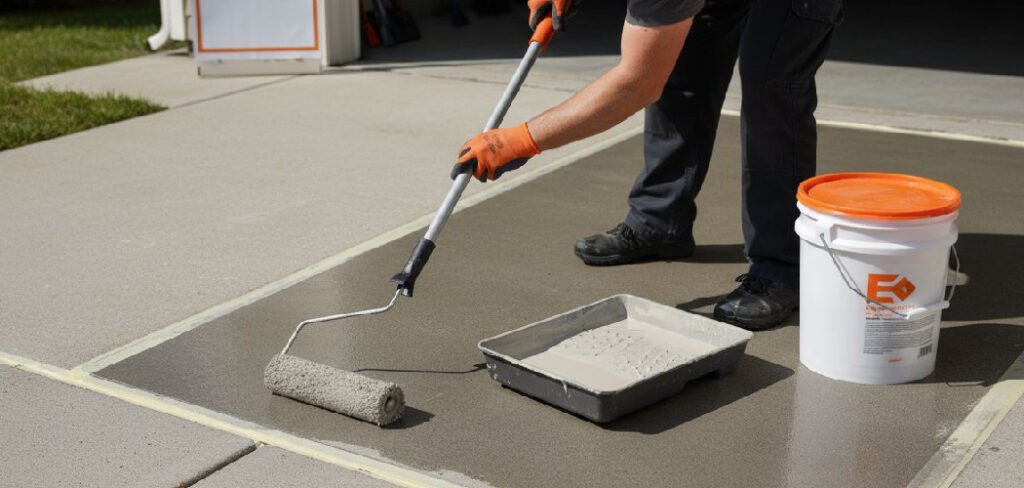
Learning how to remove gum from concrete effectively can restore your curb appeal in just an afternoon using household items or readily available tools. Whether you are dealing with fresh, sticky gum dropped by a guest or old, hardened deposits that have weathered seasons of abuse, there is a method that will work for you.
This guide will walk you through a proven process to lift those unsightly blemishes without damaging your concrete surface. By following these steps, you can reclaim your pristine walkways and patios, making your outdoor spaces welcoming once again.
Why Gum Is So Difficult to Remove from Concrete
Understanding why chewing gum adheres so strongly to concrete helps in choosing the right removal method. Concrete, despite looking smooth from a distance, is actually a porous material full of tiny microscopic holes and crevices.
When soft, warm gum is pressed onto it, the elastomer polymers flow into these pores, creating a mechanical bond that is incredibly strong. As the gum cools and hardens, it effectively becomes part of the surface texture.
Furthermore, gum is hydrophobic, meaning it repels water. This is why simply hosing it down rarely works. The gum shields the concrete underneath from water pressure unless that pressure is extreme. Over time, environmental factors like sun exposure bake the gum, making it brittle yet even more stubborn.
The challenge lies in breaking that mechanical bond or dissolving the polymers without using substances that might stain or etch the concrete itself. This requires a combination of temperature manipulation—either freezing or melting—and mechanical agitation to lift the residue from the pores.
Step-by-Step Guide on How to Remove Gum from Concrete
Step 1: Prepare the Area by Sweeping and Cleaning
Before you attack the gum itself, you need to ensure the surrounding concrete is free of loose debris. Use a stiff-bristle broom to sweep away dirt, leaves, sand, and gravel from the affected area. If there is a lot of grime or grease around the gum spot, give it a quick wash with soapy water.
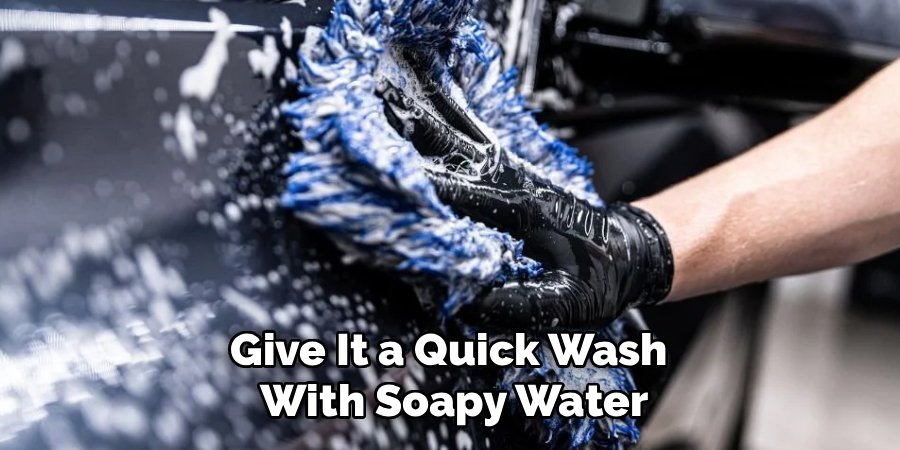
Cleaning the surface prevents you from grinding abrasive dirt into the concrete while you are scrubbing the gum later, which could leave scratches. It also ensures that any freezing agents or solvents you apply can work directly on the gum without being absorbed by a layer of dust. A clean workspace allows you to see exactly where the edges of the gum deposit are, ensuring you don’t miss any residue during the removal process.
Step 2: Freeze the Gum to Make It Brittle
The most effective non-toxic method involves hardening the gum until it shatters. You can use a bag of ice cubes or a can of compressed air held upside down to freeze the spot. If using ice, place several cubes in a plastic bag to prevent a watery mess and hold it directly on the gum for about ten to fifteen minutes.
The goal is to lower the temperature of the gum significantly below freezing. When gum gets this cold, it loses its adhesive properties and becomes extremely brittle. This physical change is crucial because it allows you to chip the gum away in chunks rather than just smearing sticky goo around the concrete surface.
Step 3: Scrape the Frozen Gum with a Putty Knife
Once the gum is thoroughly frozen and hard to the touch, you must act quickly before it warms up again. Take a metal putty knife or a specialized scraping tool and slide it under the edge of the gum deposit. Apply firm, steady pressure at a low angle to avoid gouging the concrete. The frozen gum should pop off in large, solid pieces.
If it resists or starts to stretch, reapply the ice for another few minutes. Be careful not to use excessive force that might scratch the finish of decorative or stamped concrete. The objective here is to remove the bulk of the solid mass, leaving only a small amount of residue in the concrete pores.
Step 4: Apply a Solvent or Gum Remover to Residue
After scraping away the solid chunks, you will likely be left with a dark stain or small bits of gum stuck in the texture of the concrete. To address this, you need a solvent that can break down the remaining polymers. You can use common household items like peanut butter, which contains natural oils, or a commercial citrus-based cleaner.
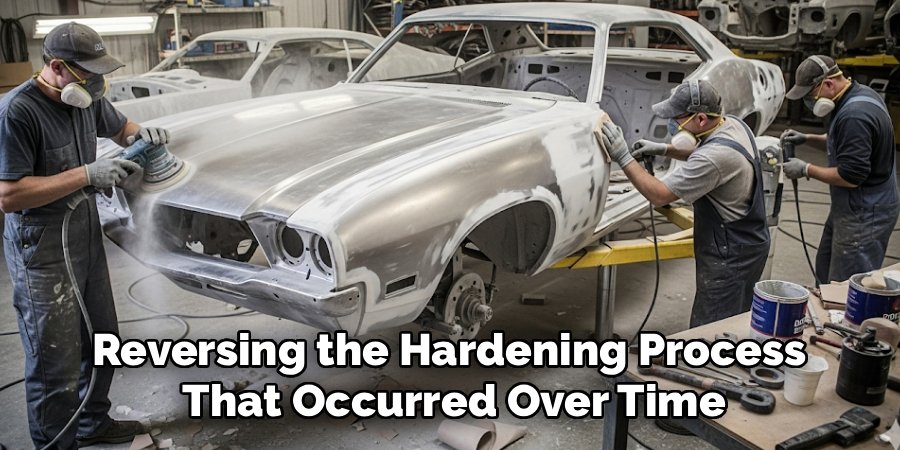
Apply a generous amount of your chosen solvent directly to the remaining spot. Let it sit for several minutes to penetrate the porous surface. This dwell time allows the oil or chemical to soften the gum residue and loosen its grip on the concrete, effectively reversing the hardening process that occurred over time.
Step 5: Scrub Vigorously with a Wire Brush
Now that the chemical solvent has loosened the remaining residue, mechanical agitation is necessary to lift it out of the concrete’s pores. A wire brush is the ideal tool for this task because its stiff metal bristles can reach deep into the texture of the concrete. Scrub the area vigorously in a circular motion, working the solvent into the stain.
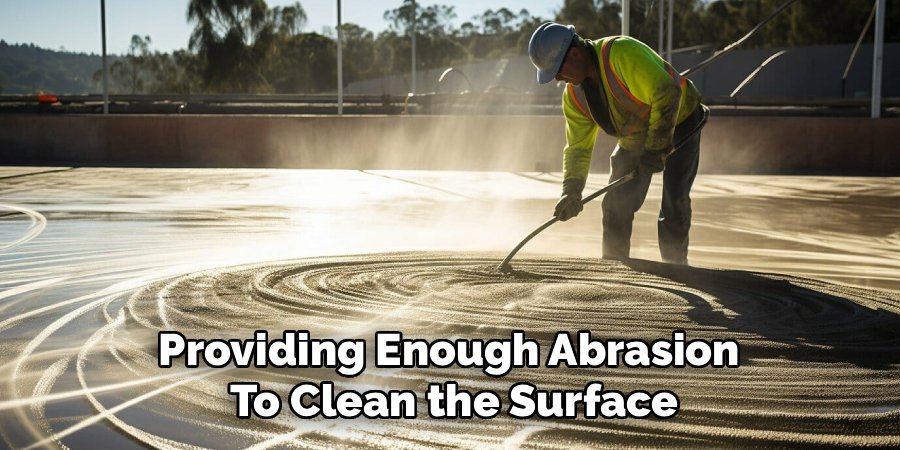
You will see the residue start to lift and mix with the cleaning solution. Keep scrubbing until the black spot or sticky remnants are no longer visible. If the concrete is particularly delicate or painted, consider using a stiff nylon brush instead of wire to prevent scratching the finish while still providing enough abrasion to clean the surface.
Step 6: Use a Pressure Washer for Stubborn Spots
If manual scrubbing does not completely remove the stain, or if you have a large number of gum spots to tackle, a pressure washer is the ultimate tool for knowing how to remove gum from concrete efficiently. Set your machine to a wide fan setting, typically 25 or 40 degrees, to avoid etching the concrete.
Hold the nozzle about twelve inches from the surface and slowly sweep over the area. The high-pressure water acts as a liquid scraper, blasting the remaining particles out of the tiny pores that a brush might miss. Be careful not to get too close, as concentrated water pressure can damage the top layer of the concrete, leaving a permanent mark that looks worse than the gum itself.
Step 7: Rinse and Seal the Concrete Surface
Once the gum is gone, rinse the entire area thoroughly with a garden hose to remove any leftover solvent, oil, or loosened debris. It is important to wash away all cleaning agents, especially if you used oils like peanut butter, as these can leave their own grease stains if left to dry.

Allow the concrete to dry completely and inspect the spot. If it looks clean, consider applying a concrete sealer to the area. Sealing your concrete fills the pores and creates a protective barrier, making it much harder for future gum deposits to bond to the surface. This preventative step ensures that the next time someone drops gum, it will likely pop off with just a simple sweep.
Frequently Asked Questions (FAQ)
Does Vinegar Remove Gum From Concrete?
Yes, white vinegar can be quite effective at removing gum residue. The acidity in the vinegar helps to soften the gum, making it easier to scrape away.
For the best results, heat the vinegar in the microwave until it is hot (but not boiling) before pouring it directly onto the gum. Let it sit for a few minutes to penetrate the bond, then scrub the area with a stiff wire brush. It is an eco-friendly and inexpensive alternative to commercial chemical solvents.
Will WD-40 Remove Gum Stains?
WD-40 is excellent for removing gum because it is a lubricant and water displacer. Spray a generous amount onto the gum spot and let it sit for roughly five minutes. The WD-40 will break down the stickiness of the gum, allowing you to scrape it up easily.
However, because WD-40 is oil-based, it may leave a temporary grease spot on the concrete. You will need to wash the area with a degreasing dish soap and hot water immediately after removing the gum to prevent a new stain.
Can I Use Boiling Water Instead of Ice?
Absolutely. While freezing makes gum brittle, boiling water melts it, which can also break the bond with the concrete. Pouring boiling water directly onto the gum softens it instantly. While it is hot and pliable, scrape it away with a putty knife.
This method works well for fresh gum but can be messy, as the gum becomes stringy and sticky. It is often best to combine this with a strong detergent and a stiff brush to scrub away the softened residue immediately.
How Do I Remove Old Black Gum Spots?
Old black gum spots are hardened and have been ground into the concrete pores, making them harder to remove than fresh gum. The best approach for these is usually a pressure washer. If you don’t have one, use a commercial-grade adhesive remover or a poultice made of solvent and an absorbent material.
Apply the remover, let it dwell for an extended period to soften the hardened mass, and then scrub aggressively with a wire brush. Repeated applications may be necessary for spots that have been there for years.
Is It Safe to Burn Gum Off Concrete?
Using a torch or heat gun to burn gum off concrete is generally not recommended for beginners. While high heat will melt and vaporize the gum, it carries significant risks. Intense concentrated heat can cause the moisture inside the concrete to expand rapidly, leading to “spalling,” where the top layer of the concrete pops or flakes off explosively.
It can also leave scorch marks that are harder to remove than the gum itself. Stick to freezing, chemical solvents, or pressure washing for a safer and more controlled removal process.
Conclusion
Removing unsightly gum from your concrete surfaces doesn’t have to be a headache or require professional intervention. By understanding the nature of the bond between the gum and the porous concrete, you can select the right method—whether it involves freezing, heating, or dissolving—to tackle the problem effectively.
The key is patience and using the right tools for the job, ensuring you lift the residue without damaging the surface underneath.
Remember that acting fast is your best defense; fresh gum is always easier to remove than old, hardened deposits. By following the steps outlined in this guide, you now possess the knowledge of how to remove gum from concrete like a pro.
With a little elbow grease and these simple techniques, you can keep your driveways, patios, and sidewalks looking pristine and welcoming for years to come.

About
Jovie Mathews is a backyard and outdoor expert writer with over 12 years of hands-on experience transforming neglected outdoor spaces into thriving gardens and functional retreats. Raised in a family where weekends meant digging in the soil and building raised beds from scratch, Jovie developed a genuine love for the outdoors long before it became a career.
She writes with a practical, no-fluff approach — always testing ideas in her own backyard before sharing them with readers. From composting systems and native plant selection to patio design and pest control, Jovie covers the full spectrum of backyard life with equal parts expertise and enthusiasm.
Education
B.Sc. in Horticulture Science
University of Florida (UF) · Gainesville, FL · 2014
IFAS College of Agricultural and Life Sciences
Minor in Environmental Studies
University of Florida (UF) · Gainesville, FL · 2014
College of Liberal Arts and Sciences
Areas of expertise
- Lawn & Garden Care
- Soil prep, planting, seasonal care
- Outdoor DIY Projects
- Raised beds, fencing, pathways
- Composting & Soil Health
- Organic methods, amendments
- Native Plants & Wildlife
- Pollinators, habitat gardening
When she is not writing, Jovie can be found testing new composting techniques, growing tomatoes in questionable quantities, or convincing her neighbors that clover lawns are actually a great idea. She currently gardens in the Pacific Northwest.