

The loud, buzzing chorus of cicadas is a classic summer sound. These large, fascinating insects emerge in massive numbers every few years, creating a natural spectacle that captures the imagination. For nature lovers, budding entomologists, and curious adventurers, learning how to catch cicadas can be a rewarding and educational experience.
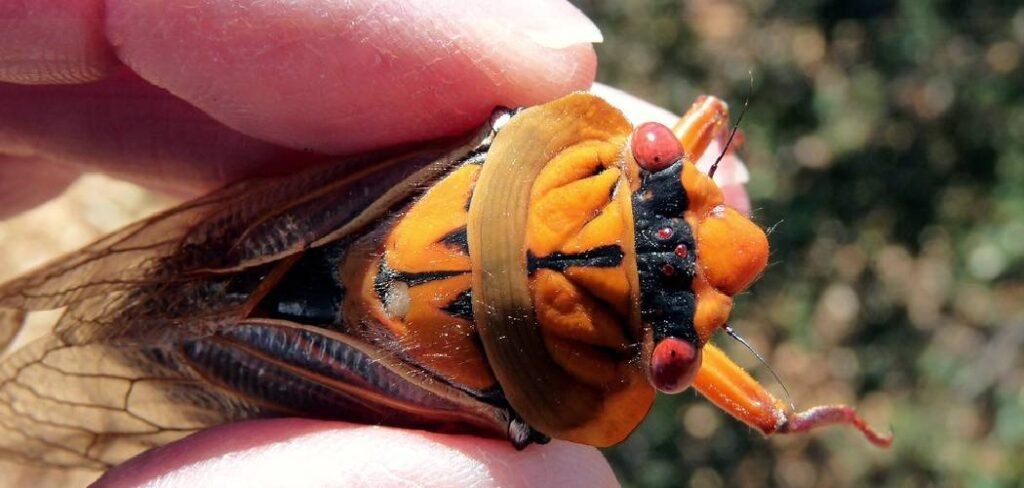
It’s an opportunity to get a close look at one of nature’s most interesting creatures. This guide will provide you with all the information you need to safely and successfully find and catch these unique insects, turning a noisy summer day into a hands-on science lesson.
Why Catch Cicadas? Exploring the Fascination
You might wonder why someone would want to catch a cicada. For many, it’s about connecting with the natural world. Children, in particular, are often fascinated by the size and sound of these insects. Catching them provides a memorable, hands-on learning experience about insect life cycles and local ecosystems. It’s a chance to observe their unique anatomy, from their transparent wings to their large, distinct eyes. For anglers, cicadas can serve as excellent, all-natural fish bait. Others are simply driven by scientific curiosity, wanting to identify different species or observe their behavior up close.
8 Step-by-Step Guide on How to Catch Cicadas
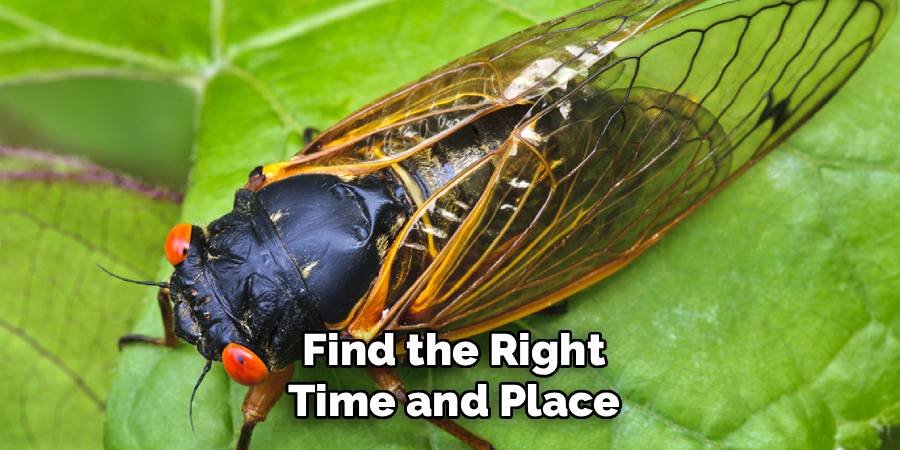
Step 1: Find the Right Time and Place
The first step is knowing when and where to look. Cicadas are most active during the warmest parts of the day, typically from late morning to late afternoon. Their loud buzzing is your best clue, so follow the sound. Look for them in areas with plenty of deciduous trees like oaks, maples, and hickories. Parks, wooded areas, and even your own backyard can be prime locations. During a periodical brood emergence, you can find thousands of cicadas clinging to tree trunks, branches, and leaves, making your search much easier.
Step 2: Gather Your Simple Equipment
You don’t need much to catch a cicada. The most effective tool is a long-handled insect net, which allows you to reach cicadas resting on higher branches. If you don’t have one, your hands will work just fine for those within reach. It’s also helpful to have a ventilated container, such as a jar with holes punched in the lid or a critter keeper. This will give you a safe place to hold the cicada for observation without it overheating or getting injured before you release it.
Step 3: Listen for the Cicada’s Call
Cicadas are famous for their noise. Only the males “sing,” using special vibrating membranes on their bodies called tymbals to attract mates. The sound can be deafening when a large brood emerges. Use this to your advantage. Walk slowly through a wooded area and listen carefully. The louder the buzzing, the closer you are. Try to pinpoint the source of a single cicada’s call. Following the sound is the most reliable way to locate an individual insect, especially if they are camouflaged against the tree bark.
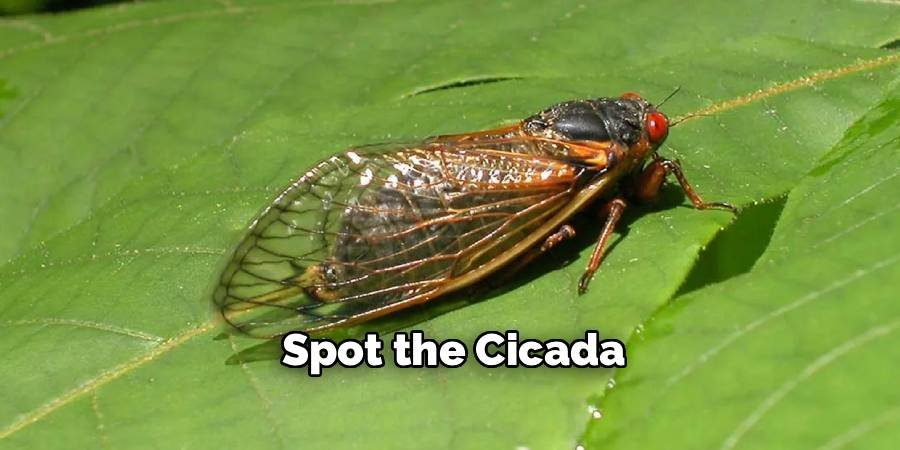
Step 4: Spot the Cicada
Once you’ve zeroed in on the sound, it’s time to use your eyes. Look for the cicada’s distinct shape on tree trunks and branches. They are large-bodied insects, typically one to two inches long, with prominent eyes and clear wings. They often rest in plain sight, but their coloring can provide camouflage. Also, keep an eye out for their empty shells, or exoskeletons, clinging to bark. These nymphal shells are a sure sign that adult cicadas are nearby, having recently emerged from the ground to molt.
Step 5: Master the Slow Approach
Cicadas have excellent eyesight and will fly away if they detect sudden movements. Approach the tree or branch where you’ve spotted one slowly and deliberately. Avoid making loud noises or casting a shadow over the insect. Move with a steady, calm pace. If the cicada is within arm’s reach, get as close as you can without startling it. This patient approach is crucial for a successful catch, preventing the cicada from taking flight before you are in position. A quiet and gentle strategy always works best.
Step 6: Use the Netting Technique
If the cicada is out of arm’s reach, your long-handled net is the perfect tool. Position the net below the cicada and swoop upward in a swift but controlled motion. The insect’s natural instinct when startled is to fly up and away, so this maneuver directs it right into your net. Once it’s inside, quickly twist the handle to fold the net over, trapping the cicada safely inside. This method is one of the most effective ways for beginners learning how to catch cicadas that are perched high in trees.
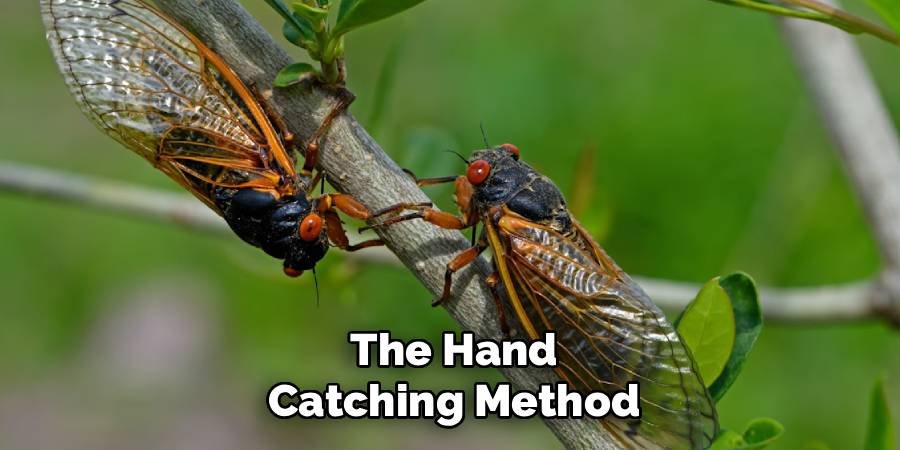
Step 7: The Hand-Catching Method
For cicadas that are lower down, you can easily catch them by hand. Approach from behind, as their field of vision is mostly forward and to the sides. Cup your hands and place them gently but firmly over the insect, trapping it against the tree trunk or branch. Be careful not to squeeze too hard. Cicadas are sturdy, but you don’t want to damage their wings. Once you have it securely in your hands, you can transfer it to your ventilated container for a closer look.
Step 8: Observe and Release
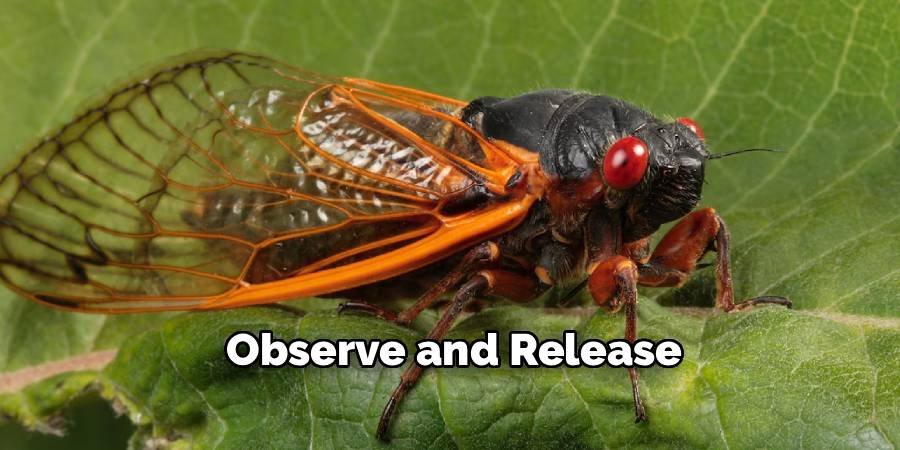
Now that you’ve caught a cicada, take some time to observe it. Look at its large, red eyes, veined wings, and stout body. If you have a male, you might even be able to coax it into buzzing in your hand. This is a great educational moment for kids and adults alike. After you’ve had a good look, it’s important to release the cicada back into its environment. Simply open your container or hand near a tree and let it fly away. Cicadas have a short adult lifespan focused on mating, and releasing them ensures they can complete their life cycle.
Frequently Asked Questions (FAQ)
Can a Cicada Bite or Sting You?
No, cicadas cannot bite or sting. They do not have the mouthparts for biting or a stinger for defense. They are completely harmless to humans and pets. However, they do have a sharp, straw-like mouthpart called a proboscis, which they use to drink sap from trees. If a cicada mistakes your arm for a branch, it might try to pierce your skin, which can feel like a small prick. This is a rare accident and not an act of aggression.
What Is the Difference Between Annual and Periodical Cicadas?
Annual cicadas appear every summer, while periodical cicadas emerge in massive broods every 13 or 17 years. Annual cicadas are typically green and black and are often called “dog-day” cicadas because they appear during the hot days of late summer. Periodical cicadas are known for their black bodies, red eyes, and orange-veined wings. Their synchronized mass emergences are a survival strategy to overwhelm predators, ensuring enough of them survive to reproduce.
Why Are Cicadas So Loud?
Only male cicadas produce the loud buzzing sound, and they do it to attract female mates. They create this noise using a pair of special vibrating membranes on their abdomens called tymbals. They rapidly contract and relax muscles to buckle the tymbals, and the sound is amplified by their mostly hollow abdomen. When thousands or millions of male cicadas sing at once, the combined chorus can reach over 100 decibels, which is as loud as a lawnmower or a chainsaw.
How Long Do Cicadas Live?
A cicada’s lifespan is quite long, but most of it is spent underground. Periodical cicadas live for 13 or 17 years as nymphs, feeding on sap from tree roots. Once they emerge, their adult life is very short—typically only four to six weeks. During this brief time above ground, their sole purpose is to mate and lay eggs for the next generation. Annual cicadas have a similar adult lifespan but only spend two to five years underground as nymphs.
Is It Okay to Keep a Cicada as a Pet?
It is not recommended to keep a cicada as a pet. Their adult lifespan is extremely short, lasting only a few weeks. Their only goals during this time are to find a mate and reproduce. Keeping one in a container deprives it of the chance to complete its natural life cycle. The best practice is to observe the cicada for a short period—a few minutes to an hour—and then release it back onto a tree so it can continue its important journey.
Conclusion
Catching cicadas is a simple and fascinating way to engage with the natural world right in your own neighborhood. By following the steps of finding them at the right time, using a gentle approach, and handling them with care, anyone can get an up-close look at these incredible insects. Remember to always be respectful of wildlife and release them after you’ve had your moment of discovery. Now that you know how to catch cicadas, you can turn the next buzzing summer day into a memorable adventure.

About
Jovie Mathews is a backyard and outdoor expert writer with over 12 years of hands-on experience transforming neglected outdoor spaces into thriving gardens and functional retreats. Raised in a family where weekends meant digging in the soil and building raised beds from scratch, Jovie developed a genuine love for the outdoors long before it became a career.
She writes with a practical, no-fluff approach — always testing ideas in her own backyard before sharing them with readers. From composting systems and native plant selection to patio design and pest control, Jovie covers the full spectrum of backyard life with equal parts expertise and enthusiasm.
Education
B.Sc. in Horticulture Science
University of Florida (UF) · Gainesville, FL · 2014
IFAS College of Agricultural and Life Sciences
Minor in Environmental Studies
University of Florida (UF) · Gainesville, FL · 2014
College of Liberal Arts and Sciences
Areas of expertise
- Lawn & Garden Care
- Soil prep, planting, seasonal care
- Outdoor DIY Projects
- Raised beds, fencing, pathways
- Composting & Soil Health
- Organic methods, amendments
- Native Plants & Wildlife
- Pollinators, habitat gardening
When she is not writing, Jovie can be found testing new composting techniques, growing tomatoes in questionable quantities, or convincing her neighbors that clover lawns are actually a great idea. She currently gardens in the Pacific Northwest.