
Trees add incredible value to any property, offering shade, beauty, and a connection to nature. However, their underground root systems can become a significant problem. Aggressive tree roots can crack sidewalks, damage foundations, and invade plumbing lines, leading to costly repairs.
Understanding how to prevent tree roots from growing in unwanted areas is a crucial skill for any homeowner looking to protect their investment. By taking proactive steps, you can enjoy the benefits of mature trees without worrying about the destructive potential lurking beneath the surface. This guide will walk you through effective strategies to manage root growth and safeguard your property for years to come.
Why Proactive Root Management Matters
Vigorous tree roots are a sign of a healthy tree, but their relentless search for water and nutrients can bring them into direct conflict with your home’s infrastructure. When roots encounter a sewer line with a small leak, they will invade the pipe to access the steady supply of moisture, leading to blockages and backups.
Similarly, roots growing under concrete slabs like driveways, patios, and foundations can exert immense pressure, causing them to lift and crack. These issues are not just inconvenient; they can be incredibly expensive to fix.
Proactive root management is about preventing these problems before they start. By strategically planning your landscape and using preventative measures, you can protect your home’s value and avoid the stress of unexpected structural or plumbing emergencies.
8 Step-by-Step Guide on How to Prevent Tree Roots From Growing
Step 1: Select the Right Tree for the Right Place
The most effective way to prevent root problems is to start with smart tree selection. Before planting, research tree species that are native or well-suited to your local climate. Pay close attention to their mature size and root system characteristics. Some trees, like willows and silver maples, have notoriously aggressive and shallow root systems that seek out water sources.
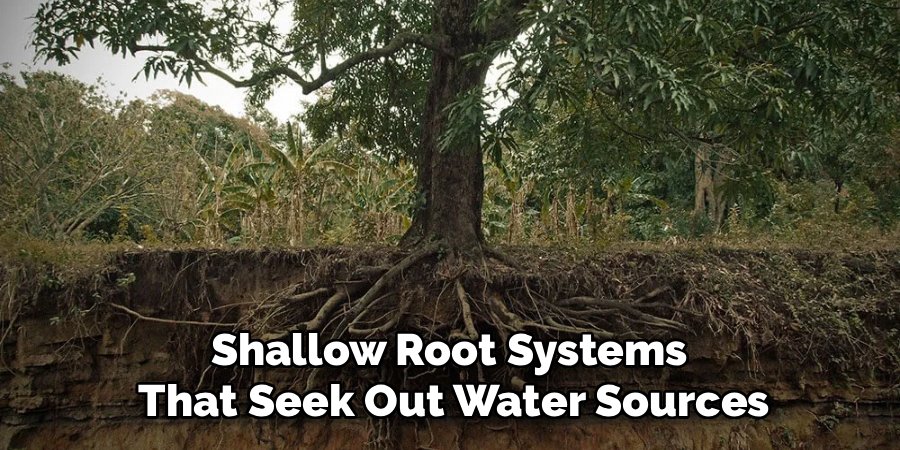
Opt for species with less invasive roots, such as Japanese maples, dogwoods, or certain types of oaks. When you plant, consider the tree’s future size. A small sapling will one day be a large tree, so ensure it is planted far enough away from your house, sidewalks, and utility lines.
Step 2: Maintain Proper Distance from Structures
A general rule of thumb is to plant trees at a distance that accommodates their mature canopy spread. For large trees that can grow over 50 feet tall, maintain a minimum distance of 20-25 feet from your home’s foundation, sewer lines, and septic systems. For medium-sized trees (30-50 feet tall), a distance of 15-20 feet is advisable.
Smaller trees under 30 feet tall can be planted closer, but a 10-foot buffer is still recommended. This spatial planning is a simple yet powerful technique. It gives the roots ample room to expand without encroaching on vulnerable infrastructure, preventing future conflicts and costly repairs.
Step 3: Install Root Barriers at Planting Time
For new plantings, installing a root barrier is one of the most direct methods for controlling root direction. These barriers are typically made from plastic or fabric and are installed vertically in the ground. They don’t stop roots from growing but redirect them to grow downwards, away from sidewalks, foundations, and pipes.
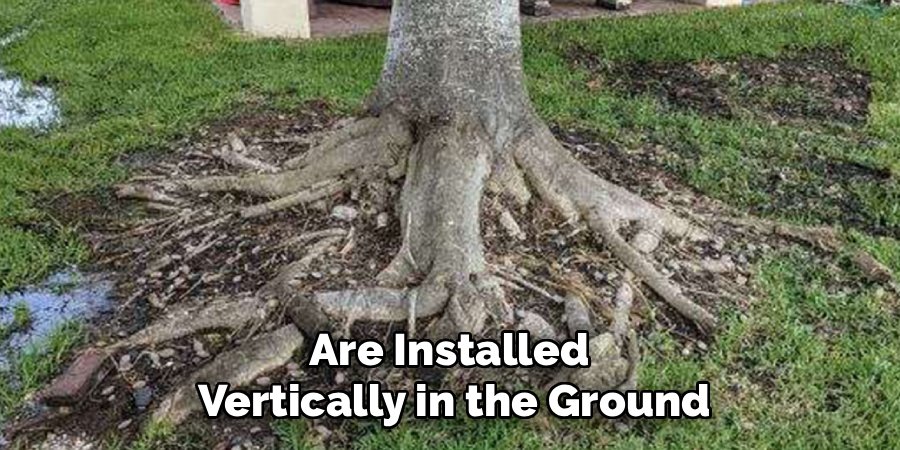
Dig a trench between the tree and the structure you want to protect, and place the barrier inside. The barrier should extend from just above the soil surface down to a depth of 24 to 36 inches. This physical shield effectively guides the root system, giving you control over its growth path from day one.
Step 4: How to Prevent Tree Roots From Growing Near Pipes with Proper Watering
Tree roots are naturally drawn to sources of moisture. Inconsistent or shallow watering encourages roots to grow near the surface, where they are more likely to find and invade leaky pipes or grow under pavement. To prevent this, implement a deep watering routine. Use a soaker hose or drip irrigation system to deliver water slowly and deeply into the soil at the tree’s dripline—the area directly under the edge of its branches.
This encourages roots to grow deeper into the soil to access moisture, keeping them away from vulnerable surface-level structures. A consistent deep watering schedule is especially important during dry periods.
Step 5: Conduct Regular Plumbing Inspections
Older homes with clay or cast-iron sewer lines are particularly susceptible to root intrusion. These materials can crack over time, releasing small amounts of water vapor and nutrients that attract tree roots. Scheduling a professional plumbing inspection every few years can help you identify and repair small leaks before they become major problems.
A plumber can use a camera to inspect the inside of your pipes for cracks or early signs of root infiltration. Repairing these issues promptly removes the water source that attracts roots, making your pipes far less appealing and preventing a future blockage.
Step 6: Use Chemical Root Growth Inhibitors Carefully
For existing problems, chemical inhibitors can be an effective solution. Products containing dichlobenil or copper sulfate can be used to kill roots that have already entered pipes or to create a chemical barrier in the soil. Foaming root killers are particularly useful for sewer lines, as the foam coats the entire pipe interior to kill existing roots and prevent regrowth for a period.
However, these chemicals must be used with caution, as they can be harmful to the tree and surrounding environment if applied improperly. Always follow the manufacturer’s instructions precisely or hire a certified professional to apply them.
Step 7: Practice Strategic Root Pruning
If you discover roots that are already causing damage, such as lifting a patio slab, you may need to prune them. This should be done as a last resort and with careful consideration. Never remove more than 25% of a tree’s major roots in a single season, as this can destabilize the tree and harm its health. Use a sharp root saw or loppers to make clean cuts.
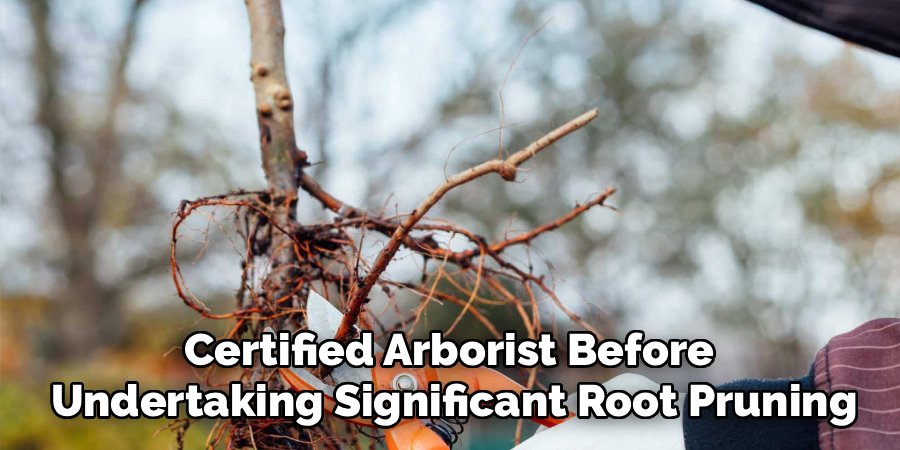
It is best to consult with a certified arborist before undertaking significant root pruning. They can assess the situation and determine which roots can be safely removed without compromising the tree’s structural integrity or overall health.
Step 8: Improve Soil Conditions Away From Structures
You can encourage roots to grow in a desired direction by improving the soil quality in that area. Roots will naturally gravitate toward soil that is rich in nutrients, well-aerated, and consistently moist. Periodically amend the soil on the side of the tree away from your house or driveway. You can do this by applying a layer of high-quality compost and mulch.
This creates a more attractive environment for root growth, effectively luring the root system away from your foundation and pavement. Combining this technique with deep watering creates a powerful, natural strategy for guiding root development over time.
Frequently Asked Questions
What Trees Have the Most Damaging Roots?
Certain tree species are known for having aggressive, water-seeking root systems that can cause significant damage. These commonly include Weeping Willows, Silver Maples, American Elms, and Poplar trees.
Their roots spread widely and often stay near the surface, making them more likely to invade pipes, crack foundations, and lift sidewalks. When choosing a tree for your yard, it’s wise to research its root behavior or consult with a local nursery to select a less invasive species.
Can You Kill Tree Roots Without Killing the Tree?
Yes, it is possible to manage or kill specific problematic roots without harming the entire tree. Techniques like root pruning allow you to physically remove roots that are causing damage. It’s critical not to remove more than one-quarter of the root system.
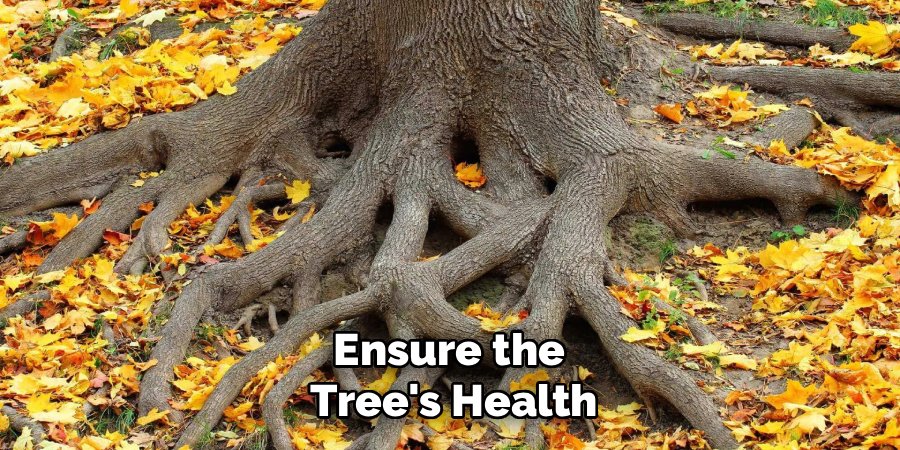
Chemical inhibitors can also target roots within sewer lines without killing the tree. For best results and to ensure the tree’s health, consulting a certified arborist before taking action is always the recommended approach.
How Far Can Tree Roots Grow?
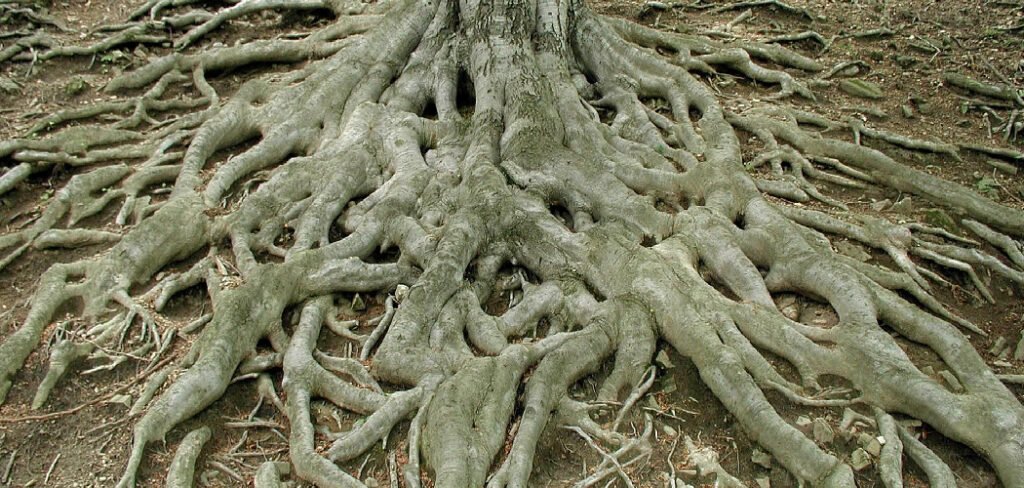
A common misconception is that a tree’s root system mirrors its canopy. In reality, roots can spread two to three times the width of the tree’s branches, or even further for some species. The majority of a tree’s roots are in the top 18-24 inches of soil, where they have better access to water, oxygen, and nutrients. This extensive, shallow growth is why they often interfere with man-made structures located nearby.
Do Root Barriers Really Work?
Yes, root barriers are very effective when installed correctly. They create a physical impediment that forces roots to grow downward and away from protected areas like foundations, pipes, and pavement. For best results, they should be installed during planting and extend at least 24 inches deep.
While they can also be installed for existing trees, the process is more labor-intensive as it involves digging a trench and cutting through some existing roots.
What Is the Cheapest Way to Get Rid of Tree Roots?
The most cost-effective method is prevention. This includes planting trees a safe distance from structures and practicing deep, infrequent watering to encourage deep root growth. For existing roots in plumbing, flushing copper sulfate down the toilet can be an inexpensive DIY solution, but you must follow product instructions carefully.
Another affordable option is manually digging and pruning shallow roots, though this requires significant physical labor and should be done cautiously.
Conclusion
Protecting your home from invasive tree roots is an achievable goal that starts with smart, proactive choices. From selecting the right tree and planting it in the right spot to implementing deep watering practices and installing root barriers, you have several powerful tools at your disposal. By understanding how roots behave and what attracts them, you can create a landscape where your trees and your home coexist peacefully.
Consistently applying the methods outlined in this guide will help you master how to prevent tree roots from growing where they shouldn’t. This foresight will save you from future stress and expensive repairs, allowing you to simply enjoy the beauty your trees bring to your property.

About
Jovie Mathews is a backyard and outdoor expert writer with over 12 years of hands-on experience transforming neglected outdoor spaces into thriving gardens and functional retreats. Raised in a family where weekends meant digging in the soil and building raised beds from scratch, Jovie developed a genuine love for the outdoors long before it became a career.
She writes with a practical, no-fluff approach — always testing ideas in her own backyard before sharing them with readers. From composting systems and native plant selection to patio design and pest control, Jovie covers the full spectrum of backyard life with equal parts expertise and enthusiasm.
Education
B.Sc. in Horticulture Science
University of Florida (UF) · Gainesville, FL · 2014
IFAS College of Agricultural and Life Sciences
Minor in Environmental Studies
University of Florida (UF) · Gainesville, FL · 2014
College of Liberal Arts and Sciences
Areas of expertise
- Lawn & Garden Care
- Soil prep, planting, seasonal care
- Outdoor DIY Projects
- Raised beds, fencing, pathways
- Composting & Soil Health
- Organic methods, amendments
- Native Plants & Wildlife
- Pollinators, habitat gardening
When she is not writing, Jovie can be found testing new composting techniques, growing tomatoes in questionable quantities, or convincing her neighbors that clover lawns are actually a great idea. She currently gardens in the Pacific Northwest.