

Discovering that your hens are eating their own eggs can be a frustrating experience for any chicken keeper. You’ve provided a safe home, good food, and plenty of care, only to find your potential breakfast has become a snack for your flock. This behavior, known as egg eating, can spread quickly through a flock if not addressed.
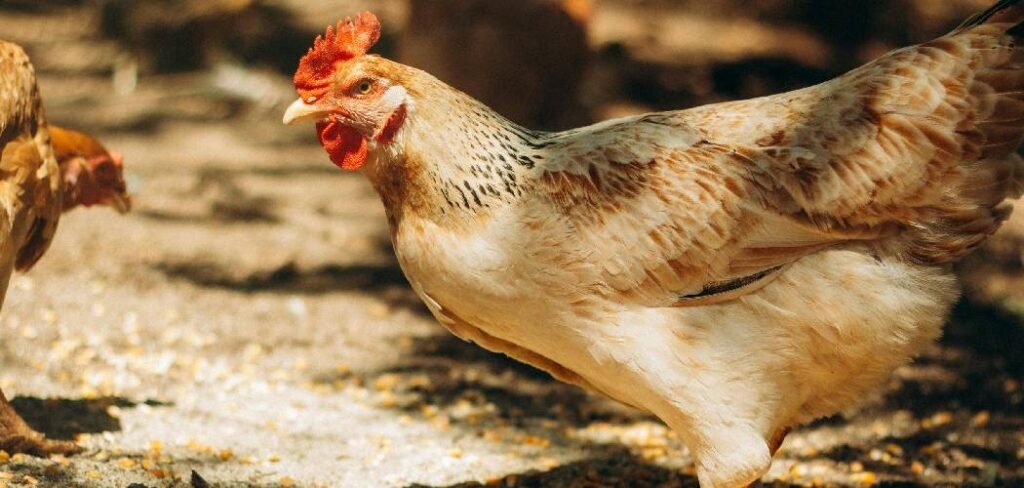
Fortunately, there are effective strategies to correct this habit. This guide will walk you through exactly how to stop chickens from eating their eggs, helping you understand the causes and implement simple, practical solutions. By taking a few proactive steps, you can protect your egg supply and restore harmony in your coop.
Why Chickens Eat Their Eggs
Egg eating in chickens isn’t a sign of malice; it’s a behavior driven by instinct, environment, or nutritional needs. Understanding the root cause is the first step toward solving the problem. Often, it begins by accident. An egg might get stepped on and crack open, and a curious chicken will peck at the contents. Once they discover the yolk and white are a tasty and nutritious treat, they may start intentionally breaking eggs to get to the snack inside.
Several factors can contribute to this habit. Nutritional deficiencies, particularly a lack of calcium or protein, can lead hens to seek out eggs as a source of these vital nutrients. Boredom and stress are also major culprits. Chickens cooped up in a small, unstimulating environment may resort to egg pecking out of sheer lack of anything else to do. Overcrowding, excessive light in the nesting boxes, or infrequent egg collection can also increase the likelihood of accidental breakages and subsequent egg eating. By identifying which of these issues might be affecting your flock, you can better target your solution.
9 Step Methods Guide on How to Stop Chickens From Eating Their Eggs
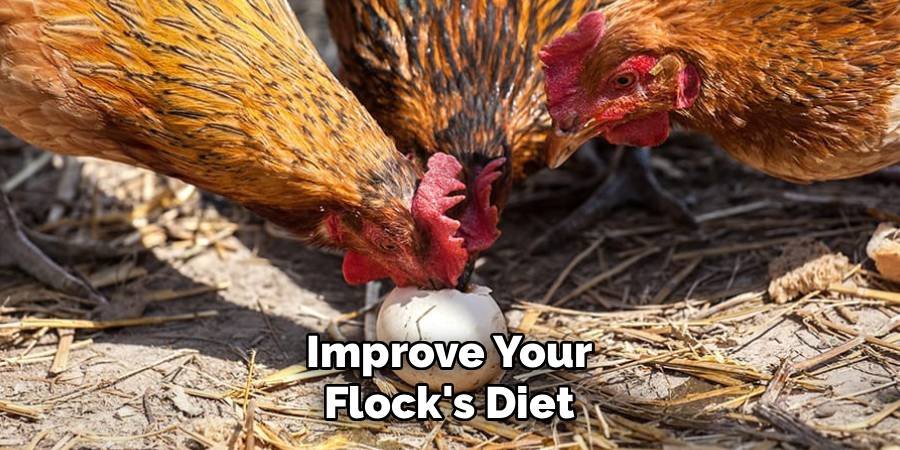
Step 1: Improve Your Flock’s Diet
One of the most common reasons for egg eating is a nutritional deficiency. If your chickens aren’t getting enough protein or calcium, they may turn to eggs to supplement their diet. Ensure you are providing a high-quality, balanced layer feed appropriate for their age. This feed is specially formulated with the right levels of protein, vitamins, and minerals. Supplement their diet with a free-choice source of calcium, like crushed oyster shells or eggshells (that have been thoroughly baked and crushed), to promote strong eggshells that are less likely to break accidentally.
Step 2: Ensure Nesting Boxes are Dark and Comfortable
Hens prefer to lay their eggs in a dark, quiet, and private place. If nesting boxes are too bright or exposed, chickens may feel stressed, leading to restless behavior that can cause eggs to crack. Install curtains made of burlap or another dark fabric over the entrances to your nesting boxes to create a more secluded environment. Ensure there is at least one nesting box for every four to five hens to prevent overcrowding and competition. A comfortable and secure nesting area encourages hens to lay and leave, reducing the chances of them lingering and pecking at eggs.
Step 3: Provide Plenty of Clean Bedding
Deep, soft bedding in the nesting boxes is crucial for preventing accidental breakage. Materials like straw, pine shavings, or nesting pads cushion the eggs as they are laid, making them less likely to crack when a hen shuffles around. A cracked egg is an open invitation for a curious chicken to start pecking. Check the nesting boxes daily and add fresh bedding as needed to keep them clean, dry, and well-padded. A thick layer of bedding not only protects the eggs but can also help hide them from view until you are able to collect them.
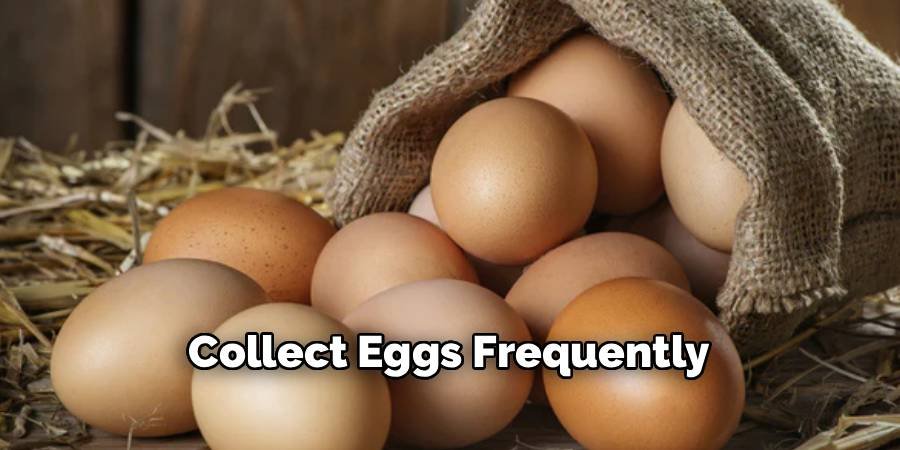
Step 4: Collect Eggs Frequently
The longer eggs sit in the nesting box, the greater the opportunity for them to be broken or eaten. Make it a habit to collect eggs at least twice a day—once in the mid-morning and again in the late afternoon. Most hens have a preferred laying time, so you’ll quickly learn your flock’s schedule. Frequent collection minimizes temptation and breaks the cycle of egg eating before it can become a widespread habit. If you have a particularly persistent egg-eater, you may need to check the boxes even more often until the behavior is corrected.
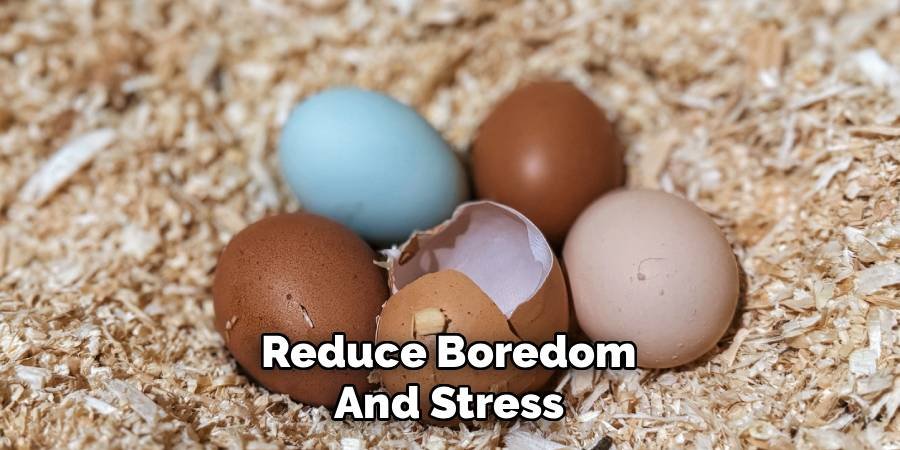
Step 5: Reduce Boredom and Stress
Boredom is a significant contributor to many unwanted chicken behaviors, including egg eating. Provide your flock with plenty of enrichment to keep them occupied. Things like a hanging cabbage, a flock block, or a pile of leaves or straw to scratch through can keep their minds and beaks busy. Ensure your chickens have enough space to roam, forage, and dust bathe. Reducing stress from overcrowding or bullying is also key. A happy, engaged chicken is far less likely to develop destructive habits like pecking at its own or others’ eggs.
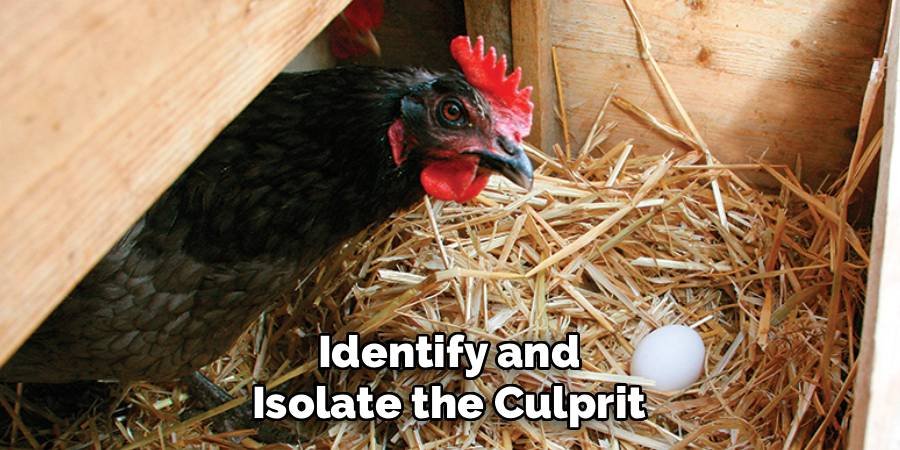
Step 6: Identify and Isolate the Culprit
Egg eating is a learned behavior that can spread quickly through a flock. If you suspect only one or two birds are responsible, it’s important to identify them. You can often spot the culprit with yolk on their beak or feathers. Another method is to place a fake egg, like a golf ball or ceramic egg, in the nesting box and observe which chicken pecks at it persistently. Once identified, isolate the offender from the rest of the flock for a few days to break the habit. This prevents them from teaching other chickens the bad behavior.
Step 7: Use Decoy Eggs to Discourage Pecking
A clever way to deter egg pecking is to use decoy eggs. You can use golf balls, ceramic eggs, or even wooden eggs placed in the nesting boxes. When a chicken tries to peck at these hard, unsatisfying objects, it will find the experience unrewarding. After a few frustrating attempts with no tasty reward, the chicken will often give up on pecking eggs altogether. This simple trick can be a highly effective part of your strategy for how to stop chickens from eating their eggs by retraining their expectations and redirecting their pecking behavior away from the real thing.
Step 8: Try the Mustard-Filled Egg Trick
For a more direct approach with a stubborn egg-eater, you can use a trick that makes the egg’s contents unappealing. Carefully poke a small hole in an egg, empty its contents, and refill it with spicy mustard. Place the doctored egg back in the nesting box. The offending chicken will break it open, expecting a treat, but will instead get a beakful of pungent mustard. The unpleasant taste is often enough to create a negative association with eating eggs, effectively deterring the behavior after just one or two encounters. This is a last-resort but often effective tactic.
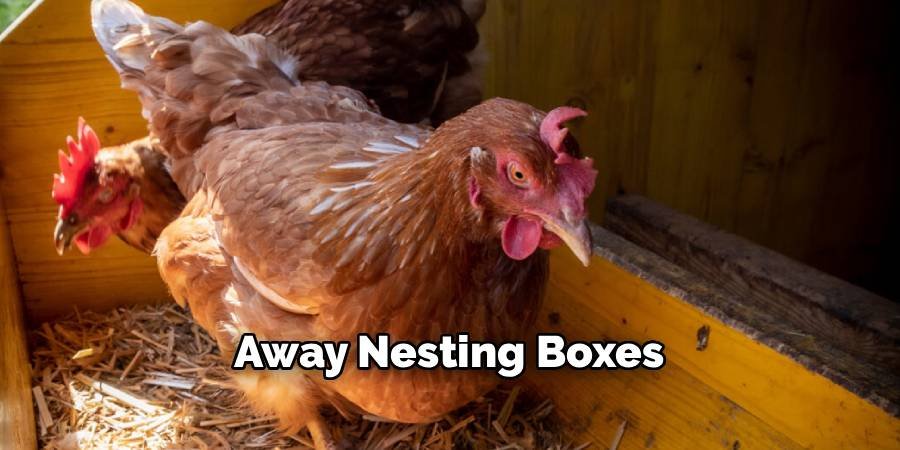
Step 9: Consider Roll-Away Nesting Boxes
If you’ve tried other methods without success, investing in roll-away nesting boxes can be a foolproof solution. These boxes are designed with a sloped floor that allows eggs to gently roll into a protected collection tray as soon as they are laid. This immediately removes the egg from the hen’s reach, making it impossible for her or any other chicken to access and eat it. While this solution involves an initial cost, it permanently solves the problem and is a worthwhile investment for anyone struggling to figure out how to stop chickens from eating their eggs long-term.
Frequently Asked Questions
Will One Egg-Eating Chicken Teach Others?
Yes, egg eating is a learned behavior that can spread rapidly throughout a flock. Chickens are highly observant and will mimic the actions of others. If one hen discovers that eggs are a tasty snack, others will watch and quickly copy the behavior. This is why it is so important to identify and address the problem as soon as you notice it to prevent it from becoming a flock-wide issue.
Can a Lack of Calcium Cause Chickens to Eat Eggs?
A calcium deficiency is a primary cause of egg eating. Hens require a significant amount of calcium to produce strong eggshells. If their diet is lacking, they may instinctively eat their own eggs to reclaim the needed calcium from the shells. Providing a free-choice calcium supplement like crushed oyster shells alongside their regular feed is essential for preventing this problem and ensuring overall flock health.
Is It Safe to Eat Eggs From a Hen That Eats Her Own Eggs?
Yes, it is perfectly safe to eat the eggs that you manage to save from an egg-eating hen, provided they are not cracked or soiled. The hen’s behavior does not affect the quality or safety of the eggs she lays. Just be sure to collect them quickly and inspect them for any damage before consumption. Clean any slightly dirty but uncracked eggs with a dry cloth or fine-grit sandpaper.
Does a Dark Nesting Box Really Help?
Absolutely. Hens naturally seek out dark, private, and secure locations to lay their eggs. A bright, open nesting area can make them feel vulnerable and stressed, which can lead to agitated behaviors that may cause accidental breakage. Darkening the nesting boxes with curtains and ensuring they are in a quiet part of the coop can significantly reduce the likelihood of egg eating by creating a calmer environment.
How Long Does It Take to Break the Habit?
The time it takes to stop egg eating can vary depending on the cause and how ingrained the habit has become. If the issue is nutritional, it may resolve within a week of correcting the diet. For behavioral issues, it could take several weeks of consistent effort using the methods described above. The key is to be persistent and remove the temptation by collecting eggs frequently while you implement other corrective measures.
Conclusion
Dealing with egg-eating chickens can test your patience, but it’s a solvable problem. By understanding the underlying causes—from nutritional gaps and stress to simple boredom—you can take targeted action. Implementing changes like improving their diet, creating dark and comfortable nesting boxes, and keeping your flock engaged with enrichment activities makes a significant difference. Being diligent about collecting eggs and, if necessary, identifying the specific culprits will help break the cycle before it spreads. Following these steps on how to stop chickens from eating their eggs will protect your harvest and ensure your coop remains a productive and peaceful place.

About
Jovie Mathews is a backyard and outdoor expert writer with over 12 years of hands-on experience transforming neglected outdoor spaces into thriving gardens and functional retreats. Raised in a family where weekends meant digging in the soil and building raised beds from scratch, Jovie developed a genuine love for the outdoors long before it became a career.
She writes with a practical, no-fluff approach — always testing ideas in her own backyard before sharing them with readers. From composting systems and native plant selection to patio design and pest control, Jovie covers the full spectrum of backyard life with equal parts expertise and enthusiasm.
Education
B.Sc. in Horticulture Science
University of Florida (UF) · Gainesville, FL · 2014
IFAS College of Agricultural and Life Sciences
Minor in Environmental Studies
University of Florida (UF) · Gainesville, FL · 2014
College of Liberal Arts and Sciences
Areas of expertise
- Lawn & Garden Care
- Soil prep, planting, seasonal care
- Outdoor DIY Projects
- Raised beds, fencing, pathways
- Composting & Soil Health
- Organic methods, amendments
- Native Plants & Wildlife
- Pollinators, habitat gardening
When she is not writing, Jovie can be found testing new composting techniques, growing tomatoes in questionable quantities, or convincing her neighbors that clover lawns are actually a great idea. She currently gardens in the Pacific Northwest.