
Your backyard should be a personal sanctuary, a place where you can relax and unwind without feeling watched. Whether you’re hosting a barbecue, enjoying a quiet morning coffee, or simply soaking up the sun, privacy is essential for true comfort.

For many homeowners, figuring out how to get privacy in backyard spaces can feel like a daunting task, but it doesn’t have to be. With a bit of planning and creativity, you can transform your open yard into a secluded retreat. This guide will walk you through various methods, from natural solutions like trees and shrubs to structural additions, helping you find the perfect fit for your home and lifestyle.
Why You Need a Secluded Outdoor Oasis
Creating a private backyard is about more than just blocking the view of your neighbors. It’s about crafting a secure, intimate environment where you and your family can feel completely at ease. A secluded outdoor space extends your living area, providing a versatile spot for entertaining, recreation, or quiet contemplation. This sense of enclosure can reduce noise from the surrounding area, creating a more peaceful atmosphere. Furthermore, well-designed privacy features can significantly enhance your property’s aesthetic appeal and even increase its value. By investing in privacy, you are investing in your home’s comfort, security, and overall enjoyment.
8 Step-by-Step Guide on How to Get Privacy in Backyard
Step 1: Assess Your Privacy Needs and Sightlines
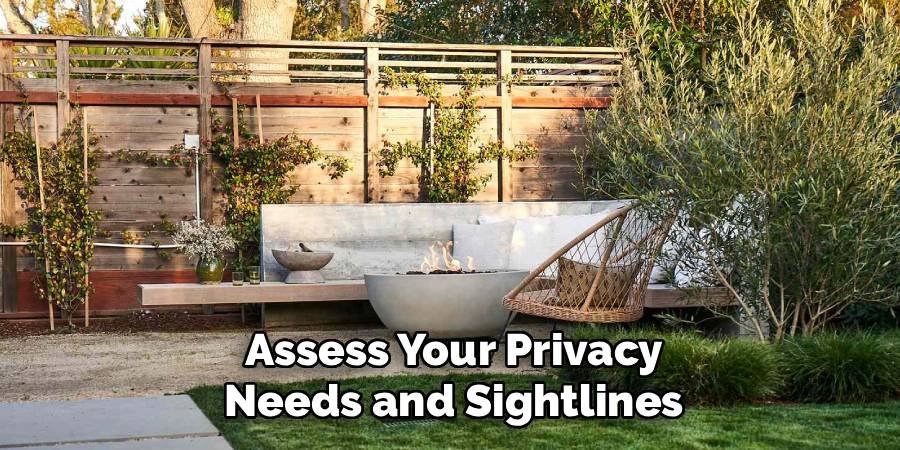
Before you start buying plants or materials, take a walk around your yard. Identify the specific areas where you need more privacy. Are you trying to block the view from a neighbor’s second-story window, or do you just need to screen off the area around your patio? Look at your yard from different angles, including from inside your house and from the street. This initial assessment will help you determine the height, density, and location of the privacy solutions you’ll need. Understanding the key sightlines you want to block is the first and most critical step in planning your project effectively.
Step 2: Choose the Right Trees for Natural Screening
Trees are a classic and beautiful way to create a living privacy screen. When selecting trees, consider their mature height and spread to ensure they fit your space without becoming overgrown. Evergreen trees like Arborvitae, Leyland Cypress, and Holly provide year-round coverage. For a faster solution, look for fast-growing varieties, but be mindful of their maintenance needs. Planting a staggered row of trees instead of a single straight line will create a more natural and effective visual barrier. This approach offers a softer, more organic look than a solid fence and contributes to a healthier local ecosystem.
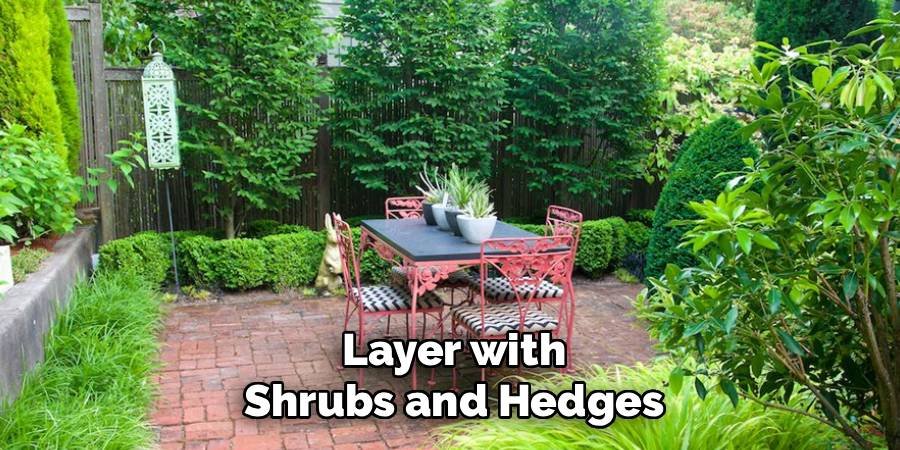
Step 3: Layer with Shrubs and Hedges
For privacy at a lower level, shrubs and hedges are excellent choices. Layering them in front of taller trees can create a dense, multi-dimensional screen that blocks views from the ground up. Popular privacy shrubs include Boxwood, Privet, and Forsythia. When planting, space them properly to allow for growth; they will fill in over time to form a solid wall of green. Regular pruning will keep your hedges looking neat and encourage dense growth. This layered approach not only boosts privacy but also adds texture, color, and interest to your landscape design throughout the year.
Step 4: Install a Classic Privacy Fence
A fence is one of the most straightforward and effective methods for ensuring backyard privacy. Fences come in a variety of materials, including wood, vinyl, and composite, each offering different levels of durability and maintenance. A solid, tall fence provides an immediate and complete visual block.
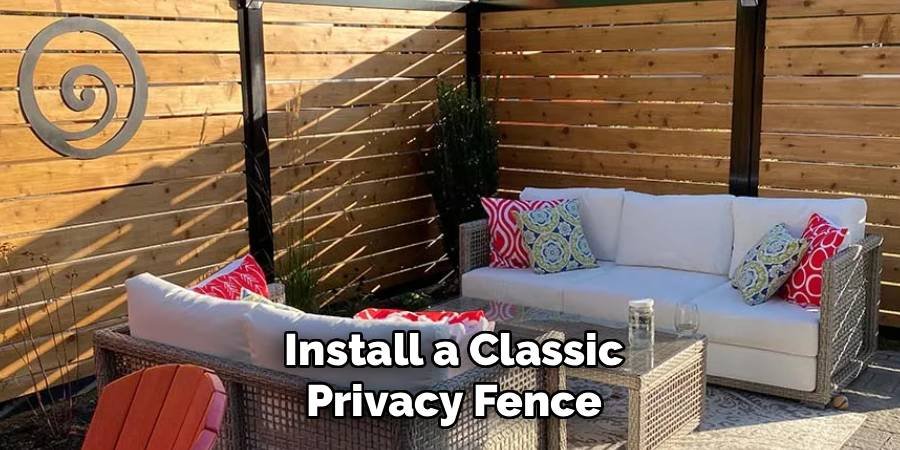
Before installing, check your local zoning laws and any homeowner’s association (HOA) rules regarding fence height, materials, and placement. A well-chosen fence can define your property line, enhance security, and serve as a beautiful backdrop for your garden beds and landscaping. This is a popular solution for those wondering how to get privacy in backyard spaces quickly.
Step 5: Incorporate Lattices and Trellises
If a solid fence feels too imposing, consider using lattice panels or trellises. These structures offer a sense of enclosure without completely blocking light and air. You can place them strategically to screen specific areas, like a patio or hot tub. To increase their screening power, plant climbing vines such as clematis, jasmine, or ivy at their base. As the vines grow, they will weave through the lattice, creating a lush and beautiful living wall. This method is a fantastic way to combine structural elements with greenery for a softer, more decorative privacy solution.
Step 6: Use Outdoor Curtains and Drapes
For covered patios, pergolas, or gazebos, outdoor curtains are a stylish and flexible privacy solution. Made from weather-resistant fabrics, these drapes can be drawn closed for instant seclusion or pulled back to open up the space. They add a touch of elegance and softness to your outdoor living area, creating a resort-like feel. Outdoor curtains are available in a wide range of colors and patterns, allowing you to customize the look to match your decor. They are an excellent, non-permanent option for renters or for anyone who desires adjustable levels of privacy.
Step 7: Build a Pergola or Gazebo
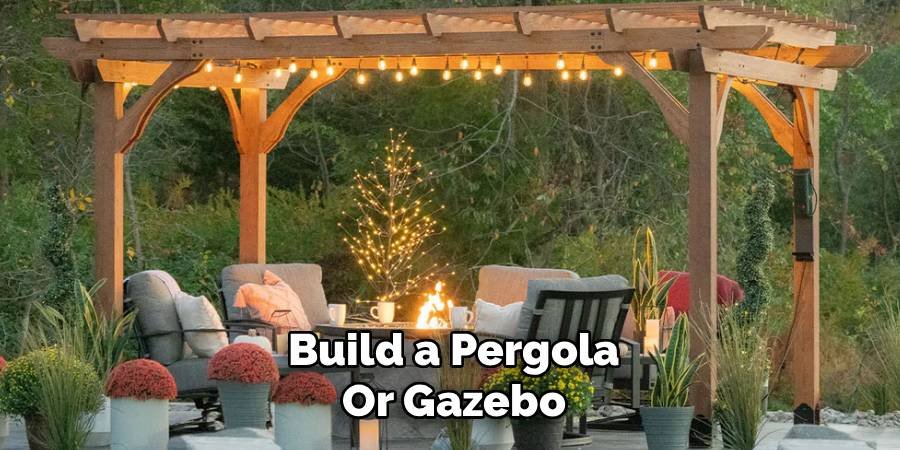
A pergola or gazebo not only defines an outdoor room but also provides a structure for creating privacy. These additions can be a focal point in your yard and offer a sense of enclosure. You can enhance the privacy of a pergola by adding lattice panels to the sides, installing retractable canopies on top, or hanging outdoor curtains. Planting climbing vines to grow over the structure will eventually create a shaded, secluded canopy. A gazebo, with its solid roof and partially enclosed sides, offers even more inherent privacy and protection from the elements, making it a perfect backyard getaway.
Step 8: Get Creative with Planters and Container Gardens
For a versatile and movable privacy solution, use large planters. By arranging tall, dense plants like bamboo, ornamental grasses, or columnar evergreens in oversized pots, you can create a portable screen. This method is ideal for patios, decks, or for renters who cannot make permanent changes to the landscape. You can easily rearrange the planters to adjust the screen as your needs change or move them to different areas of the yard. This approach for how to get privacy in backyard areas allows you to be creative and flexible with your design.
Frequently Asked Questions
What Is the Cheapest Way to Create Backyard Privacy?
The most budget-friendly option is often planting fast-growing hedges or vines. Plants like Privet or Leyland Cypress can create a dense screen relatively quickly for a fraction of the cost of a fence. Using lattice panels with climbing plants is another affordable strategy. While these methods require patience as the plants grow, they provide a beautiful, natural barrier without a significant upfront investment.
How Can I Block My Neighbor’s Second-Story Window?
To block a view from a high angle, you need a solution with height. The best options are strategically planted trees that will grow tall enough to obscure the line of sight. Columnar trees like Italian Cypress or Sky Pencil Holly are excellent choices as they grow tall without taking up too much horizontal space. Another option is a pergola with a retractable canopy or a large, tilted outdoor umbrella.
How Long Does It Take to Grow a Privacy Hedge?
The time it takes depends on the plant species, initial size, and growing conditions. Fast-growing options like Leyland Cypress can grow 3-5 feet per year and may form a decent screen in just 2-3 years. Slower-growing plants like Arborvitae might take 4-5 years or more to provide significant privacy. Proper watering, fertilizing, and pruning can help accelerate growth and ensure a dense, healthy hedge.
Are There Any Privacy Options for Renters?
Yes, renters have several great non-permanent options.
- Large planters with tall plants like bamboo or ornamental grasses create a movable screen.
- Freestanding privacy screens or room dividers designed for outdoor use can be placed on a patio or deck.
- Outdoor curtains can be hung from an existing covered porch or a temporary frame.
- Trellises placed in large containers with climbing vines also work well.
Do I Need a Permit to Build a Privacy Fence?
In many areas, yes. Most municipalities have regulations regarding fence height, materials, and how close they can be to property lines. It’s crucial to check with your local building or planning department before you begin construction. Additionally, if you live in a community with a homeowner’s association (HOA), you will need to review their specific guidelines and likely get approval before installing a new fence.
Conclusion
Creating the private, peaceful backyard you desire is well within reach. By assessing your needs and combining different strategies—from planting trees and shrubs to installing fences and pergolas—you can design a secluded oasis that suits your style and budget. The key is to layer various elements to create a space that feels both enclosed and inviting. Don’t be afraid to mix natural plantings with structural features for the most effective and aesthetically pleasing results. Now that you have a better understanding of how to get privacy in backyard settings, you can start planning your project and look forward to enjoying your personal outdoor sanctuary.

About
Jovie Mathews is a backyard and outdoor expert writer with over 12 years of hands-on experience transforming neglected outdoor spaces into thriving gardens and functional retreats. Raised in a family where weekends meant digging in the soil and building raised beds from scratch, Jovie developed a genuine love for the outdoors long before it became a career.
She writes with a practical, no-fluff approach — always testing ideas in her own backyard before sharing them with readers. From composting systems and native plant selection to patio design and pest control, Jovie covers the full spectrum of backyard life with equal parts expertise and enthusiasm.
Education
B.Sc. in Horticulture Science
University of Florida (UF) · Gainesville, FL · 2014
IFAS College of Agricultural and Life Sciences
Minor in Environmental Studies
University of Florida (UF) · Gainesville, FL · 2014
College of Liberal Arts and Sciences
Areas of expertise
- Lawn & Garden Care
- Soil prep, planting, seasonal care
- Outdoor DIY Projects
- Raised beds, fencing, pathways
- Composting & Soil Health
- Organic methods, amendments
- Native Plants & Wildlife
- Pollinators, habitat gardening
When she is not writing, Jovie can be found testing new composting techniques, growing tomatoes in questionable quantities, or convincing her neighbors that clover lawns are actually a great idea. She currently gardens in the Pacific Northwest.