

Rabbits can be a charming sight in a backyard, but they can also be a source of frustration for gardeners. From nibbled vegetable seedlings to damaged flower beds, their voracious appetites can quickly undo hours of hard work. In other cases, you might spot an injured rabbit that needs help or a domestic rabbit that has been abandoned.
Whatever your reason, knowing how to approach the situation safely and humanely is key. Chasing a rabbit is rarely effective and only causes stress to the animal. A more strategic and compassionate approach is required. This guide provides a clear, beginner-friendly plan, explaining exactly how to catch a rabbit in your backyard using methods that prioritize the animal’s well-being while achieving your goal.
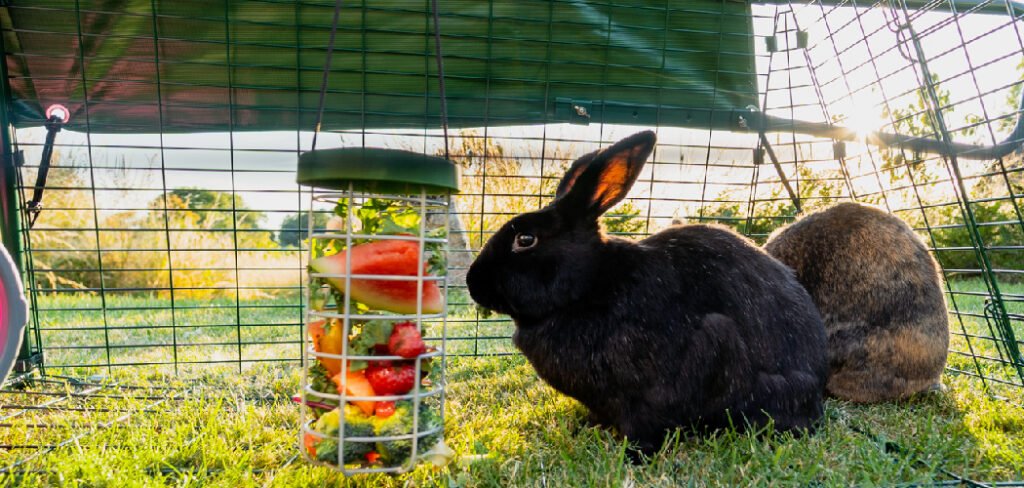
Rabbits are quick, agile creatures with a natural instinct to flee from potential threats, making them challenging to catch without the proper approach. Whether you’re trying to help a lost pet, rescue an injured rabbit, or manage an unexpected visitor in your backyard, patience and gentleness are essential. By taking the time to understand their behavior and using the right tools or techniques, you can successfully and safely manage the situation while minimizing stress for the rabbit.
8 Step Methods Guide on How to Catch a Rabbit in Your Backyard
Step 1: Observe Their Habits
Before you can set a trap, you need to understand your target. Spend a day or two observing the rabbit’s behavior from a distance. Take note of their most active times, which are typically at dawn and dusk. Identify their preferred travel routes—these often look like faint, narrow paths in the grass or along fences and garden beds. Rabbits are creatures of habit and will repeatedly use the same trails. Also, locate their favorite feeding spots or the areas where they are causing the most damage. This crucial intelligence gathering will tell you the most effective place to set your trap, maximizing your chances of a quick and successful capture.
Step 2: Choose the Right Live Trap
For a humane capture, a live trap is the only responsible option. These are cages with a spring-loaded door that closes when an animal steps on a trigger plate inside. For common backyard rabbits like cottontails, a trap that is approximately 24 to 30 inches long is ideal. It should be large enough for the rabbit to enter completely without being cramped, but not so large that it could injure itself by panicking inside. You can find these traps at hardware stores, garden centers, or online. Ensure the trap has smooth internal edges to prevent injury and a sturdy locking mechanism so the rabbit cannot escape once captured.
Step 3: Bait the Trap
The right bait is essential to lure a wary rabbit into the trap. While cartoons suggest carrots are a favorite, fresh, fragrant greens are often more enticing. Good options include Brussels sprouts, kale, clover, or fresh parsley. In the winter, when green food is scarce, sweet-smelling bait like a sliced apple can be very effective. Place a small amount of bait just outside the trap to get the rabbit’s attention. Then, create a small trail leading inside, with the largest and most appealing portion placed at the very back of the trap, behind the trigger plate. This ensures the rabbit must step on the plate to get the main prize.
Step 4: Position the Trap Correctly
Where you place the trap is just as important as how you bait it. Using the information you gathered from your observations, set the trap on a flat, stable surface directly on one of the rabbit’s main travel paths. Place it flush against a structure like a fence, a wall, or a line of shrubs. Rabbits feel safer moving along edges rather than out in the open, so this placement makes the trap feel like a natural part of their runway. Make sure the trap entrance is clear of any sticks or leaves that might obstruct the door or scare the rabbit away.
Step 5: Camouflaging the Trap
Rabbits are prey animals and are naturally wary of new or strange objects in their environment. A shiny metal cage sitting in the open can be intimidating. To make the trap seem more inviting and less threatening, you can camouflage it. Drape a piece of burlap, an old towel, or some natural foliage over the top and sides of the trap, leaving the entrance completely open. This makes the trap look more like a dark, sheltered tunnel—a space a rabbit would naturally explore for safety. You can also place a few leaves or some loose dirt on the floor of the trap to make it feel more like the surrounding ground.
Step 6: Set and Check the Trap Frequently
Once the trap is baited and positioned, it is time to set the trigger mechanism according to the manufacturer’s instructions. The most crucial part of this step is your commitment to checking the trap often. You must check it at least every few hours, and never leave it set overnight without checking it first thing in the morning. Leaving a captured animal in a trap for an extended period is inhumane. They are exposed to predators, temperature extremes, and immense stress, which can lead to injury or death. Responsible trapping means frequent monitoring.
Step 7: Safely Handle and Transport the Captured Rabbit
Once you have successfully caught a rabbit, approach the trap calmly. The animal inside will be terrified, so avoid making loud noises or sudden movements. Drape a blanket or towel completely over the trap to darken it; this has an immediate calming effect on the rabbit. Wear thick gloves to protect yourself from scratches or bites as you carry the trap. Hold the trap steady and away from your body while you transport it to your vehicle or relocation site. The darkness and stable movement will help minimize the animal’s stress during the journey.
Step 8: Release the Rabbit in an Appropriate Location
The final step is releasing the rabbit. You must check your local and state wildlife regulations first, as it is illegal to relocate certain animals in some areas. If relocation is permitted, choose a suitable new home for the rabbit. This should be an area with plenty of cover, like brush piles or woods, and a nearby water source. It should be at least 5-10 miles away from your home to ensure the rabbit does not return. To release it, place the trap on the ground, open the door, and step away quietly. The rabbit may bolt immediately or hesitate for a moment before running to safety.
Frequently Asked Questions (FAQ)
What Is the Best Bait to Use for a Rabbit Trap?
While carrots are the classic cartoon choice, fresh leafy greens often work better. Rabbits are drawn to strong-smelling vegetables and weeds.
- Good options: Brussels sprouts, kale, cabbage, parsley, and clover.
- Winter options: A sliced apple can be effective when greens are scarce.
- Place the main bait behind the trigger plate to ensure the rabbit fully enters the trap.
Is It Legal to Trap and Relocate Rabbits?
This depends entirely on your local and state wildlife laws. In many areas, it is illegal for homeowners to trap and relocate wildlife without a permit because it can spread disease or create territorial conflicts. Before you attempt to trap a rabbit, you must contact your local animal control or state wildlife agency to understand the regulations in your area.
How Can I Catch an Injured Rabbit in My Yard?
Catching an injured rabbit requires a different approach. The rabbit is already stressed and in pain, so a trap may not be the best option if it needs immediate help. Contact a local wildlife rehabilitator or animal control for advice. They may instruct you to try and gently corner the animal with a large blanket or to use a live trap if the injury is not life-threatening. Never handle a wild animal directly without guidance from a professional.
What Time of Day Is Best for Trapping Rabbits?
Rabbits are crepuscular, meaning they are most active during the twilight hours of dawn and dusk. These are the ideal times to have your trap set and ready. It is best to set the trap in the late afternoon and check it frequently throughout the evening and again first thing in the morning. Avoid leaving the trap set in the full heat of midday, as a captured animal can quickly suffer from heatstroke.
How Do I Keep Rabbits Out of My Yard for Good?
Trapping is a temporary solution. For long-term control, exclusion and deterrents are more effective. Fencing is the best method; a 2- to 3-foot-high chicken wire fence, buried at least 6 inches deep to prevent digging, will keep most rabbits out of a garden. You can also use scent deterrents like blood meal or commercial repellents, though these need to be reapplied regularly, especially after rain.
Conclusion
Catching a rabbit in your backyard is an achievable task when approached with patience, strategy, and a commitment to humane practices. The process begins with understanding the animal’s behavior and using that knowledge to effectively place and bait a live trap. The most critical responsibility, however, is monitoring the trap frequently to ensure the well-being of the captured animal. By following a thoughtful plan and respecting local wildlife laws, you can resolve your rabbit issue without causing unnecessary harm. Now that you have a clear understanding of how to catch a rabbit in your backyard, you are prepared to handle the situation responsibly and compassionately.

About
Jovie Mathews is a backyard and outdoor expert writer with over 12 years of hands-on experience transforming neglected outdoor spaces into thriving gardens and functional retreats. Raised in a family where weekends meant digging in the soil and building raised beds from scratch, Jovie developed a genuine love for the outdoors long before it became a career.
She writes with a practical, no-fluff approach — always testing ideas in her own backyard before sharing them with readers. From composting systems and native plant selection to patio design and pest control, Jovie covers the full spectrum of backyard life with equal parts expertise and enthusiasm.
Education
B.Sc. in Horticulture Science
University of Florida (UF) · Gainesville, FL · 2014
IFAS College of Agricultural and Life Sciences
Minor in Environmental Studies
University of Florida (UF) · Gainesville, FL · 2014
College of Liberal Arts and Sciences
Areas of expertise
- Lawn & Garden Care
- Soil prep, planting, seasonal care
- Outdoor DIY Projects
- Raised beds, fencing, pathways
- Composting & Soil Health
- Organic methods, amendments
- Native Plants & Wildlife
- Pollinators, habitat gardening
When she is not writing, Jovie can be found testing new composting techniques, growing tomatoes in questionable quantities, or convincing her neighbors that clover lawns are actually a great idea. She currently gardens in the Pacific Northwest.