
Hosting an outdoor gathering is a wonderful way to celebrate with friends and family, but an unkempt or muddy lawn can quickly dampen the festive spirit. Nothing ruins a beautiful summer dress or a pair of nice shoes faster than loose soil and dust. If your yard is currently more “construction zone” than “garden oasis,” you might be panicking about the logistics of your upcoming event. Don’t worry; transforming a patch of soil into a functional dance floor or dining area is entirely possible with the right preparation.
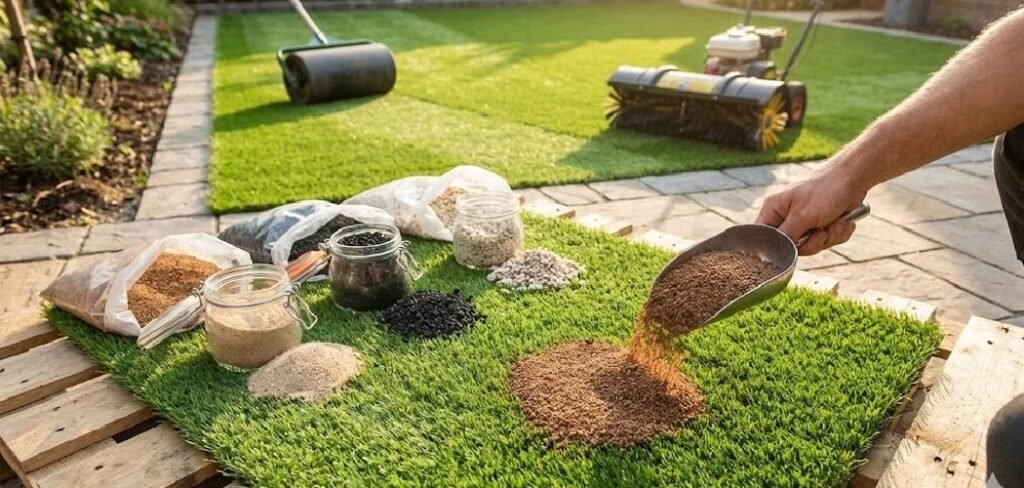
The key to a successful event lies in creating a comfortable, safe, and visually appealing environment for your guests. By learning how to cover backyard dirt for party preparations, you can ensure that your guests focus on the fun rather than where they are stepping. This guide will walk you through everything you need to know to create a pristine party surface.
Why Covering Your Backyard Dirt is Essential
Leaving raw dirt exposed during a social gathering is rarely a good idea, regardless of how rustic your theme might be. The primary reason to cover the ground is guest comfort and cleanliness.
Loose dirt easily turns into mud with even a slight amount of spilled drink or unexpected drizzle, creating a slip hazard and a mess that gets tracked into your home. Furthermore, dust can kick up on dry days, landing on food tables and allergies, which creates an unpleasant experience for everyone involved.
8 Step-by-Step Guide on How to Cover Backyard Dirt for Party
Step 1: Measure and Assess the Party Area
Before you purchase any materials or rent equipment, you must have a precise understanding of the space you are working with. Begin by taking a tape measure to the specific area where guests will be gathering. You do not necessarily need to cover the entire backyard; focus on high-traffic zones like the buffet line, the bar area, and seating clusters. Calculate the total square footage to determine how much coverage material you will need.
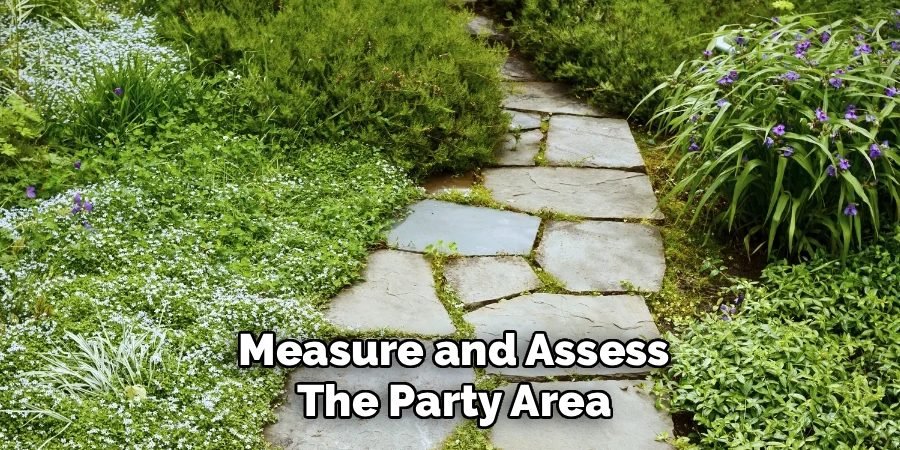
During this assessment phase, you should also look for significant drainage issues or extremely soft spots in the soil. If the ground is spongy or holds water, simply covering it might not be enough without some preliminary drying or filling. Take note of any permanent obstacles like tree roots, large rocks, or sprinkler heads that could interfere with your ground cover. Having an accurate map of your terrain will save you money on wasted materials and prevent headaches on the day of the event.
Step 2: Clear the Surface of Debris
Once you have identified the boundaries of your party zone, the next crucial task is to clear the ground completely. You need to remove anything that could puncture your ground cover or cause a painful lump underfoot. Walk the area methodically and pick up loose rocks, fallen branches, dog toys, and any sharp objects. If there are weeds or patches of dying grass, trim them down as low as possible using a weed whacker or mower.
This step is vital for safety, as even a small stone can feel like a boulder when stepped on through a thin rug or tarp. If you plan to lay down a soft material like carpet or artificial turf, the surface needs to be as smooth as possible. Rake the loose soil to distribute it evenly and remove smaller pebbles. A clean slate ensures that whatever material you choose to lay down will sit flat and look professional, rather than lumpy and haphazard.
Step 3: Level the Ground for Stability
Uneven ground is the enemy of a successful party setup. Tables that wobble spill drinks, and chairs that tip over make guests feel insecure. Use a heavy-duty garden rake to move soil from high spots into low depressions, aiming for a relatively flat surface. If you have significant holes or divots in the yard, you may need to purchase a few bags of topsoil or sand to fill them in properly.
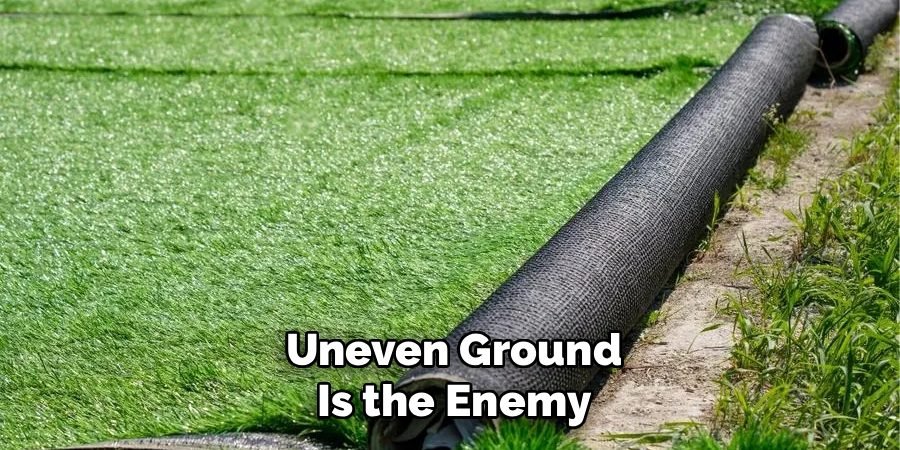
For areas that will host heavy foot traffic or dance floors, consider using a hand tamper or a water-filled lawn roller to compact the soil. Loose, fluffy dirt will shift under the weight of people moving around, causing your ground cover to bunch up and create tripping hazards. By compacting the soil, you create a firm foundation that mimics a solid floor. This extra effort in the preparation stage makes a massive difference in the final feel of the event, giving your backyard a sturdy, venue-quality feel.
Step 4: Select Your Coverage Material
Choosing the right material depends entirely on your budget, the theme of the party, and the amount of time you have. Popular options include outdoor rugs, which add a cozy living-room vibe, or artificial turf, which provides an instant lush green look without the maintenance. For a more rustic or bohemian feel, thick layers of wood chips or straw can be effective and inexpensive, though they are messier.
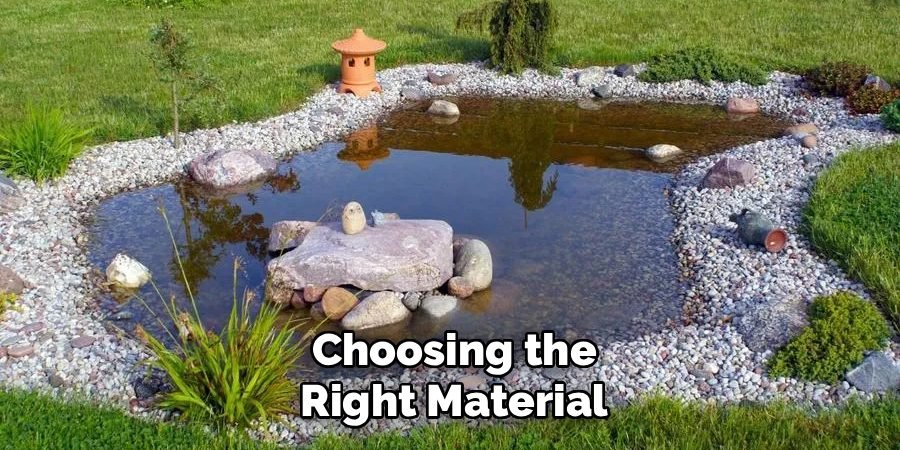
If you need a solid surface for dancing or formal dining, renting plywood subflooring or snap-together event tiles is the professional route. However, for casual gatherings, even heavy-duty canvas drop cloths painted with decorative patterns can work wonders. When deciding how to cover backyard dirt for party venues effectively, always prioritize safety and stability over pure aesthetics. Ensure the material you choose is rated for outdoor use and won’t become slippery if it gets wet.
Step 5: Install a Moisture Barrier
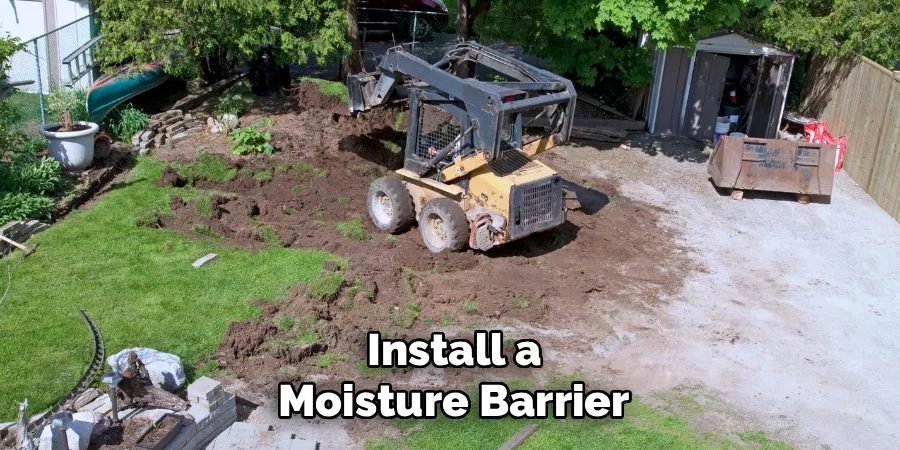
Many homeowners skip this step, but it is critical for protecting your guests and your covering material. Even if the dirt looks dry on the surface, moisture from the earth can wick up into your rugs or mats, leaving them damp and smelling of mildew by the end of the night. To prevent this, lay down a heavy-duty plastic tarp or a specialized weed barrier cloth directly over the compacted soil before adding your aesthetic layer.
This underlayment serves a dual purpose: it blocks moisture from rising and prevents your top layer from getting embedded in the mud. If you are using wood chips or straw, a weed barrier keeps the material from sinking into the dirt, meaning you will use less product to get good coverage. Secure this base layer with landscape staples or heavy rocks at the corners to keep it taut and wrinkle-free. This invisible layer is the secret to a dry, comfortable party floor.
Step 6: Lay Down the Main Cover
Now that your base is prepped and protected, it is time to roll out your chosen aesthetic cover. If you are using rugs or artificial turf, roll them out slowly, ensuring seams line up perfectly. It is best to unroll materials a few hours before the party to let them relax and flatten out, especially if they have been stored tightly coiled. If you are using loose materials like mulch, pour them in piles and rake them out to a depth of at least two to three inches.
For solid flooring or tiles, start in the center of the space and work your way outwards to ensure the design is centered. Be mindful of the direction of the material; for example, if using striped rugs, ensure the lines run parallel to your house or main focal point for a tidy look. If you need to cut materials to fit around trees or posts, use a sharp utility knife and take your time. The goal is a seamless appearance where the ground cover looks like it belongs there permanently.
Step 7: Secure the Edges and Seams
Loose edges are a major liability at any party. As guests walk, dance, and mingle, unsecured mats or rugs can easily slide or flip up, leading to trips and falls. You must aggressively secure the perimeter of your covered area. For rugs and turf, use 6-inch landscape staples or U-shaped pins hammered flush into the ground every few feet along the edges and at every seam.
If you are using a hard surface or cannot puncture the ground, weigh down the corners and edges with heavy decorative elements like large potted plants, wine barrels, or garden statues. For loose materials like wood chips, consider installing a temporary edging border made of brick, stone, or flexible garden plastic to keep the material contained. This containment prevents the “floor” from migrating into the rest of the yard and keeps the party area defined and crisp throughout the entire event.
Step 8: Add Decorative Final Touches
The final step transforms your covered patch of dirt into a welcoming party zone. Once the ground is covered and secure, use the new surface to stage your event. Place area rugs in conversation pits to define seating areas. Use outdoor lighting, such as string lights or lanterns, to illuminate the ground; this not only looks magical but also helps guests see where the covered area ends and the rest of the yard begins.
Frequently Asked Questions
What is the cheapest way to cover backyard dirt?
The most budget-friendly method is often using thick layers of straw or wood chips, which can sometimes be acquired for free from local arborists. Alternatively, heavy-duty painter’s drop cloths are inexpensive and can be painted or dyed to match your theme. While these options are cheap, they require more maintenance during the party to keep them looking neat compared to rented flooring or artificial turf.
Can I use indoor rugs outside on the dirt?
You can use indoor rugs, but it comes with risks. Moisture from the soil will seep into the fibers, potentially causing mold or staining the rug permanently. If you choose to use an indoor rug, you must place a waterproof tarp underneath it to protect it from the dirt and dampness. Be aware that delicate fabrics may not survive the wear and tear of an outdoor party.
How do I handle uneven ground when covering dirt?
If you cannot level the ground with a rake and tamper, avoid rigid flooring tiles as they will crack or wobble. Instead, opt for flexible materials like artificial turf or thick layers of mulch which can conform to the contours of the land. For very uneven terrain, building a raised wooden deck or renting a stage platform with adjustable legs is the safest, albeit more expensive, solution.
What should I do if it rains before the party?
If rain is in the forecast, your preparation is key. Ensure your moisture barrier (tarp) is installed correctly under your top layer. If you are using rugs, roll them up and store them until just before the party starts. For muddy conditions, thick plywood sheets or plastic walkway mats are superior to fabrics, as they bridge the mud rather than absorbing it, keeping guests’ shoes dry.
Is artificial turf a good temporary solution?
Yes, artificial turf is an excellent temporary solution. It is visually appealing, provides good traction, and mimics the look of a healthy lawn. You can often buy remnant pieces at a discount from hardware stores or carpet retailers. It is heavy enough to lay flat with minimal securing, and it is reusable for future events, making it a solid investment for frequent entertainers.
Conclusion
Transforming a dirt patch into a party-ready venue requires a bit of effort, but the results are well worth it. By clearing debris, leveling the surface, and choosing the right material, you can create a safe and stylish environment that your guests will love. Whether you opt for elegant rugs, practical mulch, or professional subflooring, the key is preparation and safety.
Remember, the goal is to make your guests feel comfortable so they can relax and enjoy the celebration. Don’t let a little dust or mud hold you back from hosting the event of the year. Now that you know how to cover backyard dirt for party events, you can tackle your landscaping challenges with confidence and creativity.

About
Jovie Mathews is a backyard and outdoor expert writer with over 12 years of hands-on experience transforming neglected outdoor spaces into thriving gardens and functional retreats. Raised in a family where weekends meant digging in the soil and building raised beds from scratch, Jovie developed a genuine love for the outdoors long before it became a career.
She writes with a practical, no-fluff approach — always testing ideas in her own backyard before sharing them with readers. From composting systems and native plant selection to patio design and pest control, Jovie covers the full spectrum of backyard life with equal parts expertise and enthusiasm.
Education
B.Sc. in Horticulture Science
University of Florida (UF) · Gainesville, FL · 2014
IFAS College of Agricultural and Life Sciences
Minor in Environmental Studies
University of Florida (UF) · Gainesville, FL · 2014
College of Liberal Arts and Sciences
Areas of expertise
- Lawn & Garden Care
- Soil prep, planting, seasonal care
- Outdoor DIY Projects
- Raised beds, fencing, pathways
- Composting & Soil Health
- Organic methods, amendments
- Native Plants & Wildlife
- Pollinators, habitat gardening
When she is not writing, Jovie can be found testing new composting techniques, growing tomatoes in questionable quantities, or convincing her neighbors that clover lawns are actually a great idea. She currently gardens in the Pacific Northwest.