
Discovering that one of your beloved birds has passed away is never easy for any backyard flock owner. Whether it happened due to natural causes, illness, or a predator attack, dealing with the aftermath is a necessary part of raising poultry. Many beginners feel overwhelmed in this moment, unsure of the safest and most legal ways to handle the situation.
It is crucial to act quickly to prevent the spread of disease and keep the rest of your flock healthy. In this guide, we will walk you through exactly how to dispose of a dead chicken safely and respectfully. By following proper sanitation and disposal methods, you can ensure the safety of your family, your other pets, and the local environment while giving your bird a dignified end.
Why Knowing How to Dispose of a Dead Chicken Matters
Understanding the proper methods for carcass disposal is not just about tidiness; it is a critical component of biosecurity for your homestead. When a bird dies, especially if the cause is unknown, it immediately becomes a potential source of pathogens that could infect the rest of your flock or even local wildlife. Leaving a carcass exposed can attract predators like foxes, raccoons, and neighborhood dogs, encouraging them to return to your coop looking for live prey.
Furthermore, improper burial can contaminate groundwater or result in the bird being dug up later. Local regulations often dictate specific methods for livestock disposal to protect public health. By learning the correct procedures now, you prepare yourself to handle these unfortunate events with confidence and responsibility, ensuring your garden and coop remain safe havens for your remaining poultry.
7 Step-by-Step Guide on How to Dispose of a Dead Chicken
Step 1: Confirm the Death and Protect Yourself
Before you take any action towards removal, you must first verify that the bird has indeed passed away and then immediately prioritize your own safety. Put on a pair of disposable gloves or heavy-duty rubber gloves to create a sanitary barrier between your skin and the carcass. This is a vital step because you may not know if the bird died from a contagious illness like avian influenza or Marek’s disease.
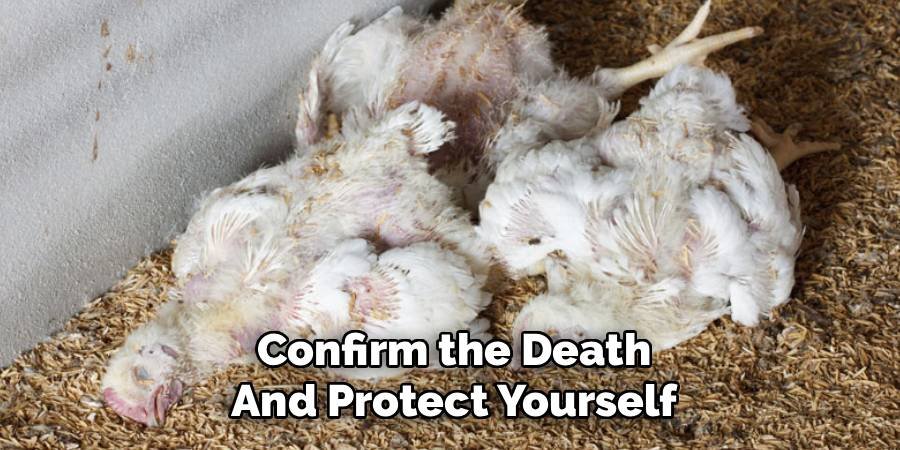
Never handle a deceased bird with your bare hands. If you do not have gloves available, use a thick plastic bag turned inside out over your hand, similar to how you might pick up dog waste. Approach the bird calmly and check for any signs of breathing or movement. Once you are certain, proceed immediately to isolate the body from the rest of the flock to prevent any curious pecking or contamination of the coop bedding.
Step 2: Double Bag the Carcass for Safety
Sanitation is your top priority during this process to prevent odors and leakage. You should place the bird inside a heavy-duty plastic trash bag. A single bag is rarely sufficient because claws or beaks can easily puncture thin plastic, leading to unsanitary leaks. To ensure complete containment, knot the first bag securely and then place it inside a second heavy-duty bag.
This double-bagging technique traps odors that might otherwise attract flies or scavengers. If you plan to take the bird to a landfill or hold it for a short period before burial, this step is non-negotiable. Seal the second bag tightly with a strong knot or zip tie. If you suspect a highly infectious disease, you might even consider adding a layer of newspaper inside the bag to absorb any fluids.
Step 3: Choose Your Disposal Method Wisely
You generally have a few main options: burial, trash collection, or burning (incineration). For many urban and suburban chicken keepers, placing the double-bagged bird in the household trash is the most practical and legal solution. However, you must check your local municipal waste guidelines first.
If you live in a rural area with plenty of land, burial might seem like the most natural choice, but it requires significant effort to be done safely. Incineration is another option, though it is often difficult to achieve the high temperatures needed for complete cremation in a backyard setting. Weigh your resources and local laws carefully. If you are unsure how to dispose of a dead chicken legally in your specific town, a quick call to your local extension office can provide clarity.
Step 4: Digging a Deep Burial Hole
If you decide that burial is the best route for your situation, you must dig a hole that is sufficiently deep to deter scavengers. A shallow grave is a recipe for disaster, as predators will easily smell the decomposing organic matter and dig it up. You need to dig a hole that is at least two to three feet deep. The soil covering the bird needs to be thick enough to mask the scent entirely.
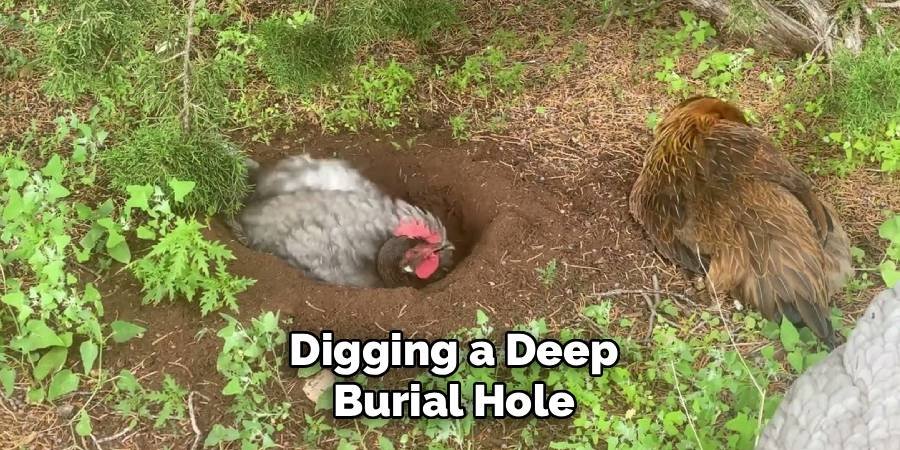
Choose a location far away from wells, streams, or vegetable gardens to prevent groundwater contamination. The spot should be in an area where the soil is well-draining but not sandy enough to collapse easily. Using a sharp spade or shovel, remove the earth and set it aside, ensuring the hole is wide enough to accommodate the bird comfortably without cramping.
Step 5: Applying Lime to Aid Decomposition
Once your hole is dug and the bird is placed at the bottom, seasoned homesteaders often recommend adding a layer of agricultural lime (calcium hydroxide) or wood ash over the carcass. This step serves multiple purposes in the decomposition process. The lime helps to accelerate the breakdown of tissues, but more importantly, it acts as a powerful odor neutralizer.
By masking the smell of decay, you significantly reduce the likelihood that a raccoon, fox, or neighbor’s dog will investigate the fresh earth. It keeps the burial site sanitary and discourages pests. Be careful when handling lime, as it can be caustic; wear a mask to avoid inhaling the dust. Cover the bird thoroughly with the white powder before you begin to shovel the dirt back into the hole.
Step 6: Refilling and Compacting the Soil
After placing the bird and applying lime, you can begin to fill the hole with the displaced soil. Do not just loosely shovel the dirt back in; you need to compact it firmly as you go. Shovel a few inches of dirt in, then use your foot or the back of the shovel to tamp it down. This removes air pockets that could lead to the ground sinking later as the biomass decomposes.
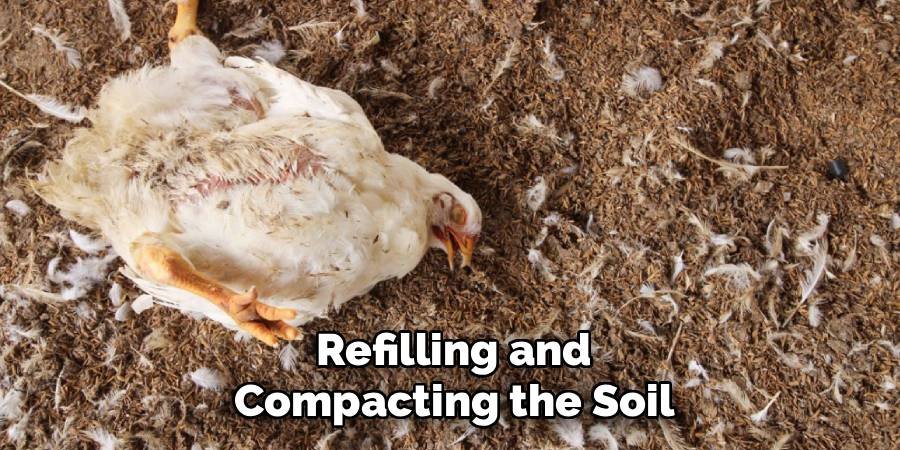
Compacting the soil also makes it much harder for digging animals to excavate the site. Continue this process until the hole is completely filled. If you have extra dirt left over—which is common since the bird takes up space—mound it slightly over the grave to allow for natural settling over time. This creates a secure seal over the site.
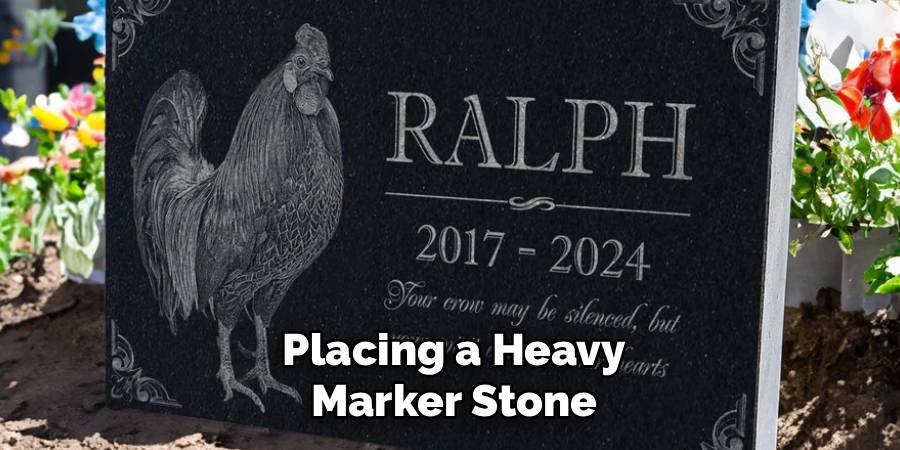
Step 7: Placing a Heavy Marker Stone
Even with a deep hole and the application of lime, a determined predator might still attempt to dig if they catch a faint scent. To add a final layer of security, place a heavy rock, a large paver, or a concrete slab directly over the burial spot. This physical barrier makes it nearly impossible for animals to dig directly downwards into the grave.
Beyond its practical use as a deterrent, this stone can also serve as a memorial marker for your pet. You can leave it in place for several months until nature has taken its course. If you do not have a large rock, a piece of heavy wire mesh or hardware cloth staked down firmly over the disturbed earth can also work effectively to prevent excavation.
Clean and Disinfect All Tools
The job is not finished once the bird is gone. You must now thoroughly clean and sanitize everything that came into contact with the carcass or the burial site. This includes your shovel, your gloves (if reusable), and the shoes you wore during the process. Pathogens can linger on metal and rubber surfaces for days or even weeks.
Use a solution of bleach and water or a commercial livestock disinfectant to scrub your tools. Wash the soles of your boots to ensure you do not track bacteria back into your home or into the chicken run. Remove your clothes and wash them immediately in hot water. Proper sanitation prevents cross-contamination and ensures that the rest of your flock remains safe from whatever caused the death of the bird.
Monitor the Remaining Flock Closely
After you have successfully handled the immediate task, your focus must shift to the living birds. Keep a very close eye on your flock for the next few weeks. Look for signs of lethargy, ruffled feathers, decreased egg production, or respiratory distress. If the bird died from a contagious disease, quick detection is your best defense against losing more members of your flock.
You might want to add electrolytes or probiotics to their water to boost their immune systems during this stressful time. If another bird dies shortly after, it is highly recommended to contact a veterinarian or a state poultry lab to perform a necropsy. This will help you identify if there is a larger issue at play that requires medication or quarantine measures.
Frequently Asked Questions
Can I Put a Dead Chicken in My Compost Pile?
Generally, you should not put a dead chicken in a standard home compost pile.
- Heat Requirements: Most backyard compost bins do not get hot enough (130°F–150°F continuously) to kill pathogens or break down bones effectively.
- Pest Risk: The smell of decomposing meat will attract rats, raccoons, and flies, turning your garden into a pest magnet.
- Health Hazards: If the bird died of disease, you risk spreading bacteria to your vegetable garden soil.
Is It Legal to Bury a Chicken in My Backyard?
This depends entirely on your local zoning laws and municipal regulations.
- Rural Areas: In many rural zones, burying livestock on your own property is standard practice and legal.
- Urban/Suburban Areas: Many cities strictly prohibit burying animals due to high water tables or pest control ordinances.
- Check First: Always call your local animal control or waste management department to verify before you dig. Violating these codes can result in fines.
How Can I Tell If My Chicken Died of a Contagious Disease?
Without a professional necropsy, it is difficult to be 100% certain, but there are warning signs.
- Sudden Death: If multiple birds die suddenly without signs of trauma, suspect disease.
- Symptoms: Look for discharge from eyes or nostrils, discolored combs (purple or black), or unusual droppings before death.
- External Factors: If the bird was old or had visible injuries from a predator, disease is less likely. If unsure, isolate the flock immediately.
What Should I Do If I Cannot Bury or Trash the Bird?
If you cannot dig a hole and trash collection is prohibited, you have a few alternatives.
- Veterinary Disposal: Many vets offer cremation services for pets, including poultry.
- Animal Control: Some local animal control facilities accept deceased pets for a small fee.
- Incineration: While difficult at home, specialized agricultural incinerators exist, though this is usually for commercial farms. Contacting a local farm extension office is your best bet for finding resources.
How Deep Does the Hole Need to Be to Stop Predators?
The hole needs to be significantly deeper than you might expect.
- Minimum Depth: Aim for at least 2 feet of soil covering the top of the bird, meaning the hole itself should be 3 feet deep.
- Soil Type Matters: In sandy soil, dig deeper as it is easier for predators to excavate.
- Barriers: Always use a heavy rock or wire mesh on top of the filled grave for added security against determined scavengers like badgers or dogs.
Conclusion
Losing a chicken is an unfortunate reality of keeping a backyard flock, but handling the situation correctly is part of being a responsible steward. By following these clear steps, you ensure that the process is sanitary, legal, and respectful to the animal. Remember to prioritize safety by wearing gloves, digging deep enough to deter predators, and disinfecting your tools afterward. This protects not only your family and neighbors but also the health of your remaining birds. We hope this guide has given you the confidence and knowledge on how to dispose of a dead chicken properly. Take a deep breath, follow the steps, and get back to enjoying the rewarding experience of raising your garden flock.

About
Jovie Mathews is a backyard and outdoor expert writer with over 12 years of hands-on experience transforming neglected outdoor spaces into thriving gardens and functional retreats. Raised in a family where weekends meant digging in the soil and building raised beds from scratch, Jovie developed a genuine love for the outdoors long before it became a career.
She writes with a practical, no-fluff approach — always testing ideas in her own backyard before sharing them with readers. From composting systems and native plant selection to patio design and pest control, Jovie covers the full spectrum of backyard life with equal parts expertise and enthusiasm.
Education
B.Sc. in Horticulture Science
University of Florida (UF) · Gainesville, FL · 2014
IFAS College of Agricultural and Life Sciences
Minor in Environmental Studies
University of Florida (UF) · Gainesville, FL · 2014
College of Liberal Arts and Sciences
Areas of expertise
- Lawn & Garden Care
- Soil prep, planting, seasonal care
- Outdoor DIY Projects
- Raised beds, fencing, pathways
- Composting & Soil Health
- Organic methods, amendments
- Native Plants & Wildlife
- Pollinators, habitat gardening
When she is not writing, Jovie can be found testing new composting techniques, growing tomatoes in questionable quantities, or convincing her neighbors that clover lawns are actually a great idea. She currently gardens in the Pacific Northwest.