

Discovering hornets buzzing around your property can be unsettling. These large, stinging insects are known for their defensive nature, and their presence often indicates a nest is nearby. While your first instinct might be to panic, locating the source of the problem is the most critical first step toward resolving it.
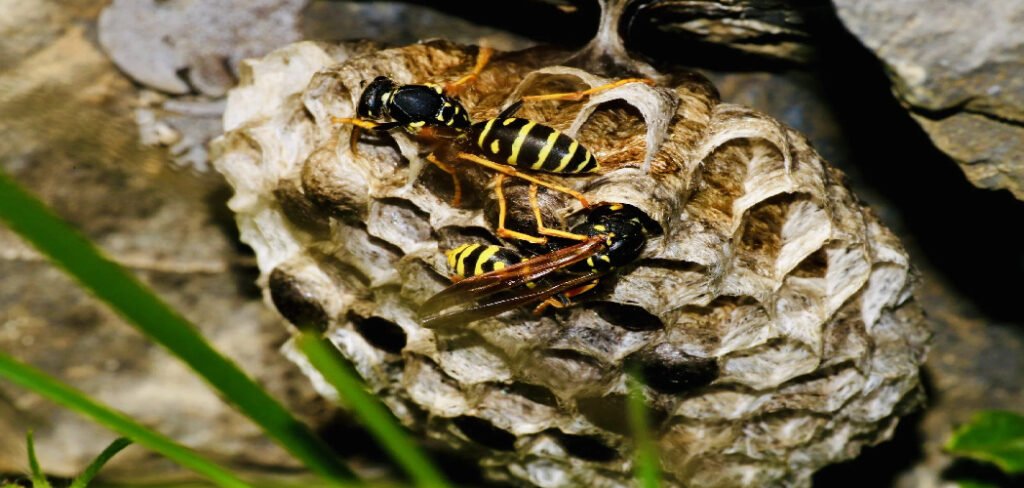
This guide provides a safe and methodical approach to how to find hornets nest, empowering you to identify the location without putting yourself at risk. By understanding their behavior and knowing what to look for, you can protect your home and family from potential stings.
Why Locating a Hornet’s Nest Is Important
Ignoring a growing hornet population on your property is a significant risk. Hornets, especially species like the Bald-Faced Hornet, are highly territorial and will aggressively defend their colony if they perceive a threat. This can be dangerous for children, pets, and anyone performing routine yard work like mowing the lawn or trimming hedges.
Unlike bees, hornets can sting multiple times, delivering a painful venom that can cause severe allergic reactions in some individuals. Identifying the nest’s location allows for a targeted removal plan, preventing the colony from expanding and minimizing the chances of accidental encounters. Early detection is key to managing the problem before it becomes a major hazard.
7 Step Methods Guide on How to Find Hornets Nest
Step 1: Gear Up for Safety First
Before you even begin your search, prioritizing your safety is essential. Wear protective clothing that covers as much skin as possible. This includes long sleeves, long pants, closed-toe shoes, and gloves. Light-colored clothing is recommended, as hornets may perceive dark colors as a threat, similar to a natural predator like a bear.
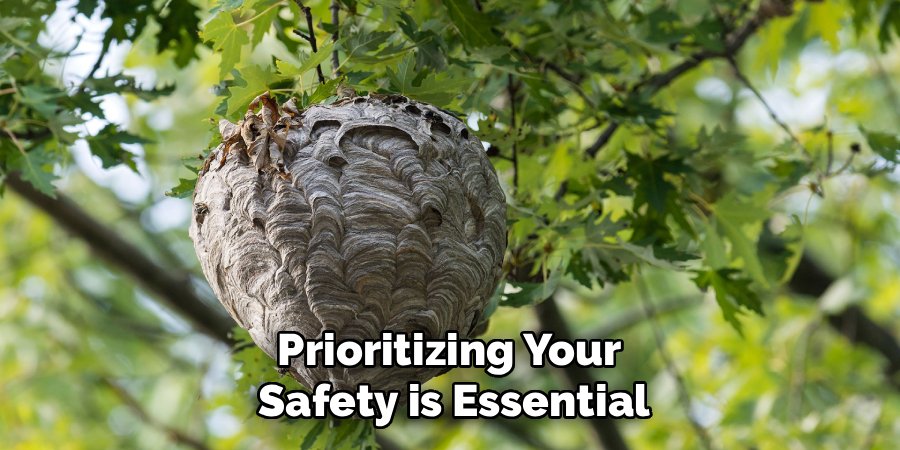
Although you should not get close enough to need it, this simple precaution minimizes your risk of a sting if a hornet becomes agitated. Never attempt to get close to a suspected nest location. Your goal is observation from a safe distance, not confrontation.
Step 2: Observe Hornet Flight Patterns
The most effective method for locating a nest is to watch the hornets themselves. Find a safe spot, far from their main area of activity, and simply observe their flight paths. Foraging hornets will fly away from the nest in various directions to find food, water, and building materials.
However, when they return, they will almost always take a direct, beeline path back to the nest. This predictable return journey is your biggest clue. Try to identify a common direction they are flying toward, as this will lead you straight to their home base.
Step 3: Use a Sweet Bait to Attract Them
If you’re having trouble establishing a clear flight line, you can use bait to create a more obvious trail. Hornets are attracted to sweets and proteins. Place a small, shallow dish containing a piece of fruit, a bit of sugary soda, or a small piece of meat in an open area where you have seen hornet activity. Once hornets discover this food source, they will ferry it back to the nest.
This creates a consistent line of traffic between the bait station and their hidden colony, making it much easier for you to track their movements and determine the nest’s location from afar.
Step 4: Time Your Search for Peak Activity
Timing your observation can make a significant difference. Hornets are most active during the warmest parts of the day, typically from late morning to late afternoon. This is when foragers are constantly coming and going, providing the most traffic for you to observe.
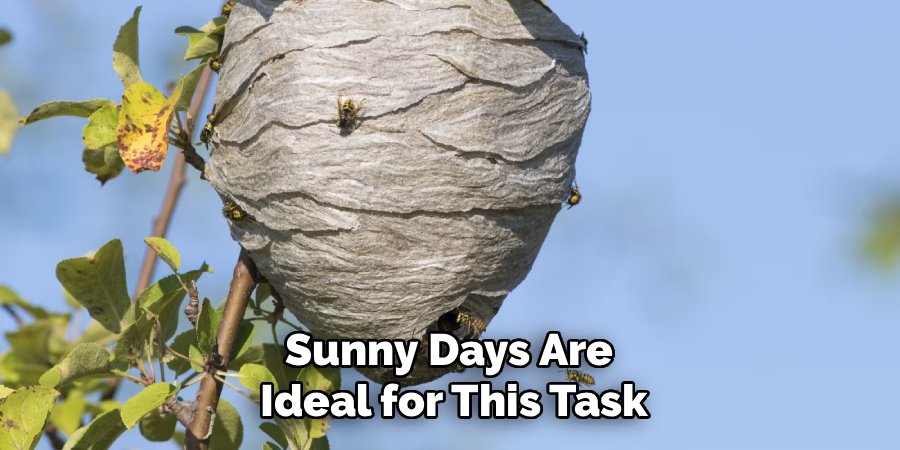
Searching during this period will give you the best chance of quickly identifying their flight paths. Conversely, avoid searching in the early morning or evening when activity is lower, or at night when the hornets are inside the nest and highly defensive. Clear, sunny days are ideal for this task.
Step 5: Know What a Hornet Nest Looks Like
Knowing what you are looking for is crucial. Most hornet nests, like those of the Bald-Faced Hornet, are large, gray, and have a paper-like texture. They are constructed from chewed wood pulp mixed with saliva.
These nests often have a distinct upside-down teardrop or ball shape and a single, small entrance hole, usually near the bottom. The size can range from that of a softball early in the season to larger than a basketball by late summer. Recognizing this structure will help you confirm your discovery when you find it.
Step 6: Search in Common Nesting Locations
Hornets are strategic about where they build their homes, preferring sheltered, elevated locations. Begin your search by scanning tree branches, dense shrubs, and the eaves of your house. Other common spots include attics, sheds, wall voids, and underneath decks or porches.
Pay close attention to any areas that offer protection from the elements and are relatively undisturbed. Using your knowledge of their flight patterns, focus your visual search on these high-probability areas along the established flight line. This targeted approach is much more efficient than a random search.
Step 7: How to Find Hornets Nest in the Ground
While most hornets build aerial nests, some species, like European Hornets, occasionally nest in hollow logs or even in the ground, often occupying abandoned rodent burrows. Finding a ground nest involves looking for a steady stream of hornets entering and exiting a single hole in the earth.
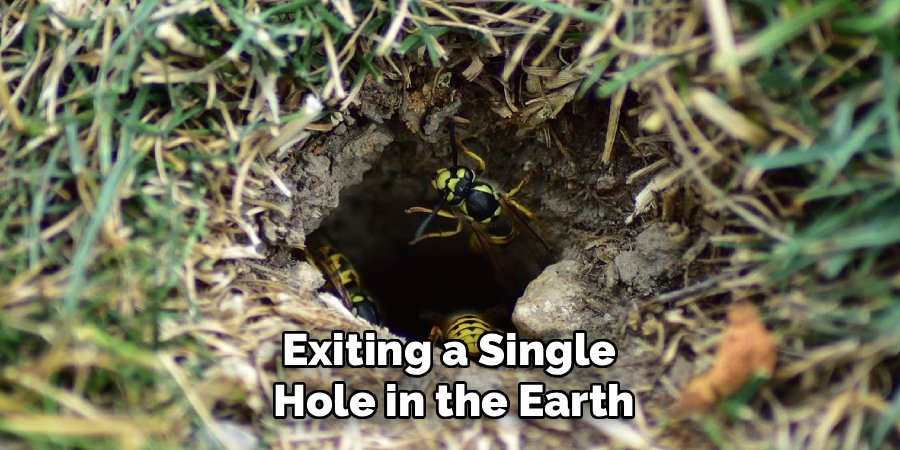
The entrance may be partially obscured by grass or leaves. Be extremely cautious when walking through your yard if you suspect a ground nest, as accidentally stepping on one can trigger a massive and immediate defensive attack from the entire colony.
Use Binoculars for a Safe View
Never approach a suspected nest to get a better look. This is the most common mistake and can lead to a dangerous swarm. Instead, use a pair of binoculars to inspect potential locations from a safe distance of at least 20-30 feet away.
Binoculars will allow you to confirm that what you are seeing is indeed a hornet’s nest and observe the level of activity without alerting the insects to your presence. Safety should always be your top priority during this entire process. Once you have a confirmed sighting, you can plan your next steps.
Frequently Asked Questions
What Time of Day Are Hornets Least Active?
Hornets are least active during the very early morning, just before sunrise, and late at night. They are ectothermic, meaning their activity level is dependent on the ambient temperature. During cooler periods, they return to the nest and become much more docile. However, disturbing a nest at night is still extremely dangerous, as they will defend it vigorously if they sense vibrations or light.
How Far Do Hornets Travel From Their Nest?
Foraging hornets can travel surprisingly long distances to find food and water, sometimes venturing several hundred yards away from their nest. However, most of their activity will be concentrated in the immediate vicinity of the colony. If you are seeing consistent hornet activity in a specific area of your yard, the nest is likely very close by, often within 50 to 100 feet.
Can a Hornet Nest Be Left Alone?
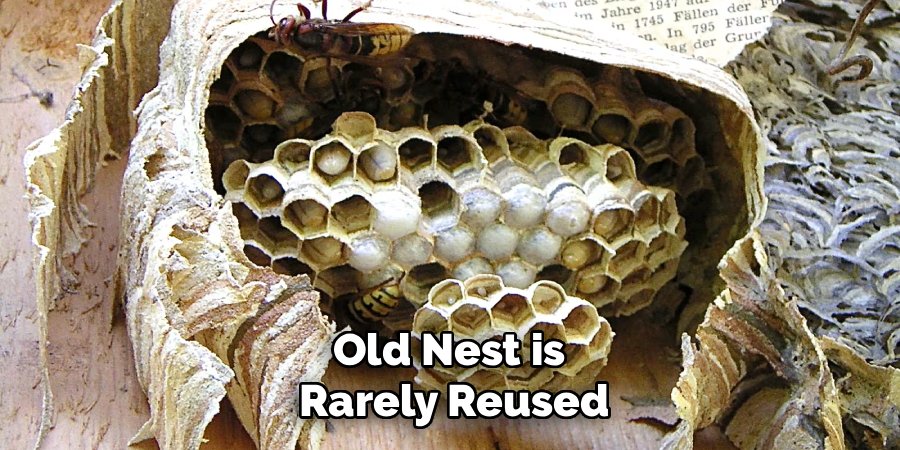
If a nest is in a remote part of your property where it poses no threat to people or pets, it can sometimes be left alone. The colony will die off naturally after the first hard frost, and the old nest is rarely reused. However, if the nest is located near doorways, walkways, patios, or play areas, removal is strongly recommended to prevent dangerous stings and ensure the safety of your household.
What Is the Difference Between a Wasp Nest and a Hornet Nest?
While hornets are a type of wasp, their nests differ from those of other common wasps. Hornet nests are typically enclosed in a gray, papery shell. In contrast, paper wasp nests are open and umbrella-shaped, with the hexagonal cells clearly visible. Yellowjacket wasps, another common relative, often build nests underground or in wall voids, which may not be visible at all.
Do Hornets Return to the Same Nest Every Year?
No, hornets do not reuse their nests. Each fall, the entire colony dies off, except for the newly fertilized queens. These queens hibernate over the winter in a protected spot, such as under tree bark or in a log pile. In the spring, each surviving queen will emerge to start a brand new colony in a new location. The old, abandoned nest will slowly disintegrate over time.
Conclusion
Successfully locating a hornet’s nest is a matter of careful observation, strategic timing, and a steadfast commitment to safety. By understanding how to follow their flight paths, recognizing what their nests look like, and searching in common locations, you can pinpoint the source of the problem efficiently.
Always use tools like binoculars to maintain a safe distance and never attempt to handle a nest on your own. Now that you have a clear plan for how to find hornets nest, you are prepared to take the first step in reclaiming your outdoor space. For active nests, always contact a professional pest control service for safe removal.

About
Jovie Mathews is a backyard and outdoor expert writer with over 12 years of hands-on experience transforming neglected outdoor spaces into thriving gardens and functional retreats. Raised in a family where weekends meant digging in the soil and building raised beds from scratch, Jovie developed a genuine love for the outdoors long before it became a career.
She writes with a practical, no-fluff approach — always testing ideas in her own backyard before sharing them with readers. From composting systems and native plant selection to patio design and pest control, Jovie covers the full spectrum of backyard life with equal parts expertise and enthusiasm.
Education
B.Sc. in Horticulture Science
University of Florida (UF) · Gainesville, FL · 2014
IFAS College of Agricultural and Life Sciences
Minor in Environmental Studies
University of Florida (UF) · Gainesville, FL · 2014
College of Liberal Arts and Sciences
Areas of expertise
- Lawn & Garden Care
- Soil prep, planting, seasonal care
- Outdoor DIY Projects
- Raised beds, fencing, pathways
- Composting & Soil Health
- Organic methods, amendments
- Native Plants & Wildlife
- Pollinators, habitat gardening
When she is not writing, Jovie can be found testing new composting techniques, growing tomatoes in questionable quantities, or convincing her neighbors that clover lawns are actually a great idea. She currently gardens in the Pacific Northwest.