

Discovering a turtle in your yard can be a charming surprise at first. These slow-moving reptiles often seem like peaceful, welcome additions to the local ecosystem. However, when one turtle turns into a family, or when they start treating your prize-winning tomato plants like a personal buffet, the charm can quickly fade. Homeowners with ponds or pools may also worry about water quality and safety.
While turtles are generally harmless, their presence can sometimes create a nuisance. The goal is not to harm these creatures but to gently encourage them to find a more suitable habitat. This guide provides humane and effective strategies on how to get rid of turtles in my yard, focusing on making your space less inviting for them and ensuring they move on safely.
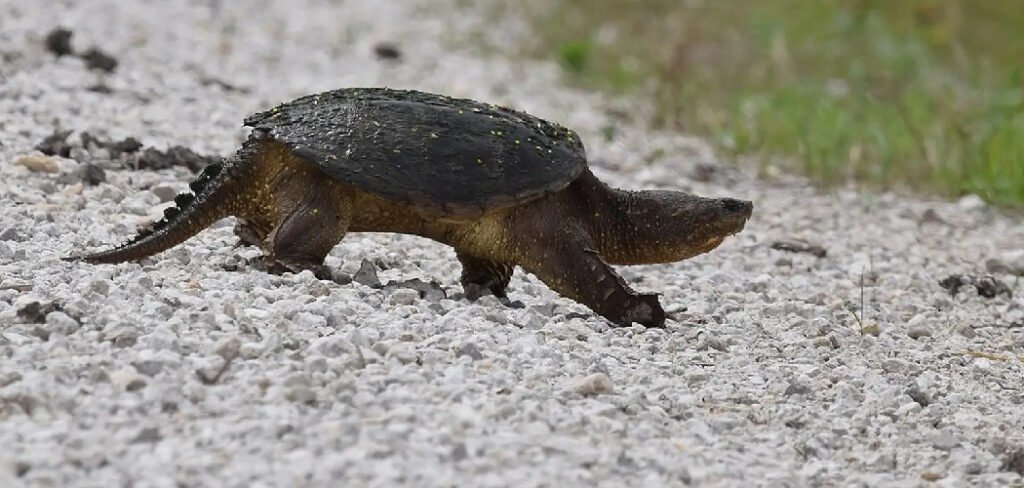
Turtles tend to seek out environments that provide ample food, water, and shelter, which is why they might choose to inhabit your yard. Understanding their habits and what attracts them is crucial when it comes to encouraging them to relocate.
By addressing the factors that make your property appealing, you can create a less hospitable environment for turtles while still respecting their role in the ecosystem. This approach ensures a humane and effective solution to managing turtle presence.
How to Get Rid of Turtles in My Yard: A Step-by-Step Guide
Step 1: Identify What Attracts Turtles to Your Yard
Before you can solve the problem, you need to understand why the turtles chose your yard in the first place. Turtles are primarily driven by three needs: water, food, and shelter. Do you have a pond, pool, or even just a low-lying area that collects rainwater? These water sources are powerful magnets for aquatic and semi-aquatic turtles.
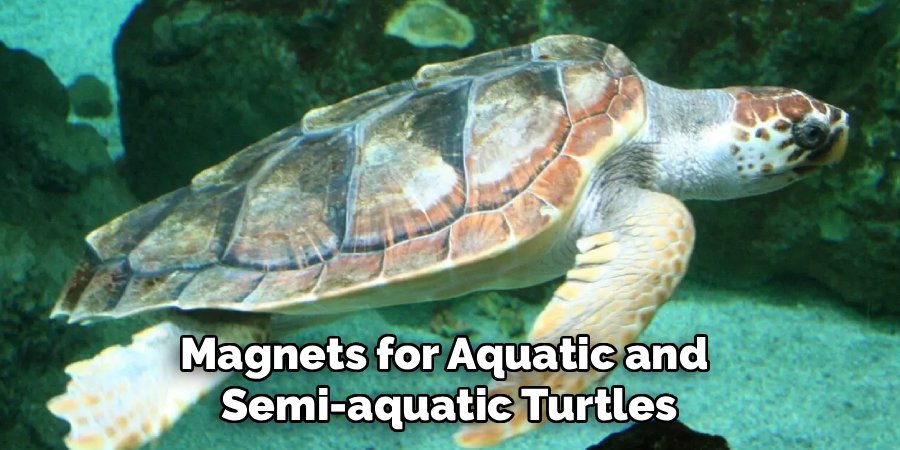
Your vegetable garden, with its tasty greens and fallen fruit, can be an irresistible food source. Turtles also seek out safe, damp places to hide from predators and the hot sun, such as dense undergrowth, log piles, or spaces beneath your deck. By identifying these key attractants, you can begin to formulate a targeted plan for making your property less appealing to them.
Step 2: Remove Food Sources
One of the most effective ways to encourage turtles to leave is to eliminate their food supply. If turtles are munching on your garden, consider installing a low fence around your vegetable patch. Turtles are not good climbers, so even a simple 1-foot-high barrier made of chicken wire can be incredibly effective.
Be diligent about cleaning up fallen fruit from trees and clearing away pet food bowls left outside. While you cannot control their natural diet of insects and slugs, removing the easy, accessible meals provided by your garden will make your yard a far less attractive dining destination. This simple modification is a cornerstone of humane pest control.
Step 3: Modify Water Features to Be Less Inviting
Since water is a primary draw, making your water features less accessible is a crucial step. For backyard ponds, you can install a short fence or decorative rock border around the perimeter that is difficult for turtles to climb over. If you have an in-ground swimming pool, ensure your pool cover is on securely when not in use.
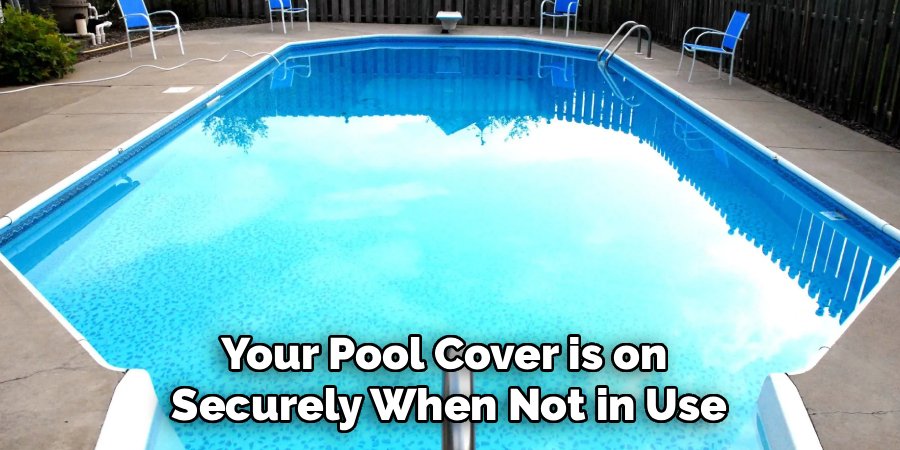
Turtles can fall into pools and may not be able to get out, which is dangerous for them. For natural low-lying areas that collect water, improving drainage by adding soil or sand can eliminate the standing water that attracts them. These modifications make your yard less of an oasis, prompting turtles to search for a more accommodating water source elsewhere.
Step 4: Eliminate Shelter and Nesting Sites
Turtles need safe places to rest and lay their eggs. By removing these potential shelters, you make your yard feel exposed and unsafe. Clear away piles of leaves, brush, and firewood that create dark, damp hiding spots. Trim back dense, low-hanging shrubbery to allow more sunlight and air circulation underneath.
If you have gaps under a deck, shed, or porch, consider closing them off with hardware cloth or lattice. This “un-welcoming” process denies them the security they seek, forcing them to move on to find a more suitable habitat where they can feel protected from predators and the elements.
Step 5: Install Exclusion Fencing
If modifying your landscape does not solve the problem, installing a permanent exclusion barrier is a highly effective long-term solution. A low fence, about 18 to 24 inches high, is sufficient to block most common turtle species. For the best results, the fencing material should be buried at least 4 to 6 inches underground to prevent turtles from digging underneath it.
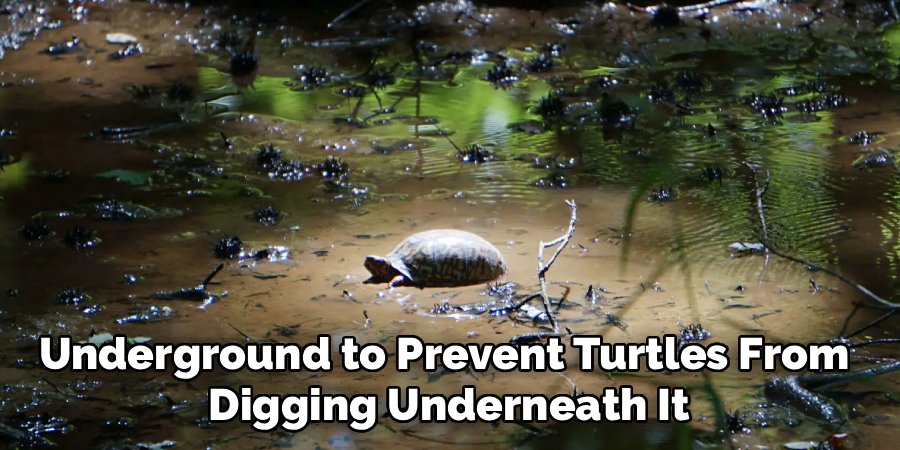
Use a solid material like hardware cloth, vinyl, or a tightly woven wire mesh. This type of barrier around the perimeter of your property, or at least around the specific areas you want to protect like a pond, is one of the most reliable ways to physically prevent turtles from entering your yard.
Step 6: Safely Relocate the Turtle (If Permissible)
If you have a persistent turtle that has not taken the hint, you may consider relocation. First, it is crucial to check your local and state wildlife regulations, as it is illegal to relocate certain species in many areas. If it is permitted, handle the turtle gently by holding the sides of its shell.
Never pick it up by the tail. Move it to the nearest suitable habitat, such as a nearby pond or creek, in the direction it was already heading. Turtles have strong homing instincts, so moving them far away can be disorienting and harmful. A short-distance move to a better environment is the most humane approach.
Step 7: Use Humane, Natural Repellents
While the market is flooded with chemical repellents, many are ineffective or harmful to other wildlife and pets. It is better to stick with natural, scent-based deterrents. Some homeowners have found success spraying a solution of soapy water or diluted ammonia on the leaves of plants that turtles are eating, as they dislike the taste.

Motion-activated sprinklers are another excellent and humane option. When a turtle approaches, the sprinkler emits a surprising burst of water, scaring it away without causing any harm. This creates a negative association with your yard, teaching the turtles over time that it is not a peaceful place to be.
Frequently Asked Questions (FAQ)
Are Turtles in My Yard Dangerous to Me or My Pets?
Generally, turtles are not dangerous. They are shy and will usually retract into their shells if approached. However, some species, like the Common Snapping Turtle, can deliver a powerful and painful bite if they feel threatened.
It is always best to keep pets, especially curious dogs, away from them to prevent any unfortunate encounters.
Will a Turtle Damage My Lawn or Garden?
Turtles can cause minor damage. They may munch on low-growing vegetables like lettuce, tomatoes, and strawberries. They are also known to dig in soft, moist soil to lay their eggs, which can disturb garden beds or lawns.
While the damage is usually not extensive, it can be a nuisance for dedicated gardeners trying to protect their crops.
Is It Illegal to Keep a Wild Turtle as a Pet?
In most states, it is illegal to take a turtle from the wild and keep it as a pet. Wild turtles can carry diseases like salmonella and often do not thrive in captivity due to specific dietary and environmental needs.
If you find a turtle, the best course of action is to leave it alone or, if necessary, move it to a safe, nearby habitat.
Why Do I Suddenly Have a Lot of Baby Turtles?
If you see a sudden influx of tiny turtles, it means a female found your yard to be a suitable nesting site a couple of months ago.
Turtle nests are often dug in soft, sandy, or loamy soil in sunny locations. The baby turtles hatch and immediately make their way toward the nearest water source. This is a natural event, and they will typically move on by themselves.
How Can I Tell if a Turtle Is Injured and Needs Help?
If you find a turtle with a cracked shell, visible wounds, or one that is lethargic and unresponsive, it may be injured. In this case, do not attempt to care for it yourself. Contact your local animal control or a licensed wildlife rehabilitator.
They have the expertise and resources to provide the proper medical care and give the turtle the best chance of survival.
Conclusion
A turtle-free yard is achievable without resorting to harmful methods. The most successful approach focuses on habitat modification. By removing the key attractants—food, water, and shelter—and creating barriers, you can gently and humanely persuade these creatures to find a new home.
Simple actions like fencing off a garden, cleaning up brush piles, and securing your pool can make a significant difference. While it may take some persistence, these preventative measures are far more effective in the long run than repeatedly removing individual animals.
Now that you have a clear understanding of how to get rid of turtles in my yard, you can take confident, responsible steps to protect your property while still respecting the local wildlife.

About
Jovie Mathews is a backyard and outdoor expert writer with over 12 years of hands-on experience transforming neglected outdoor spaces into thriving gardens and functional retreats. Raised in a family where weekends meant digging in the soil and building raised beds from scratch, Jovie developed a genuine love for the outdoors long before it became a career.
She writes with a practical, no-fluff approach — always testing ideas in her own backyard before sharing them with readers. From composting systems and native plant selection to patio design and pest control, Jovie covers the full spectrum of backyard life with equal parts expertise and enthusiasm.
Education
B.Sc. in Horticulture Science
University of Florida (UF) · Gainesville, FL · 2014
IFAS College of Agricultural and Life Sciences
Minor in Environmental Studies
University of Florida (UF) · Gainesville, FL · 2014
College of Liberal Arts and Sciences
Areas of expertise
- Lawn & Garden Care
- Soil prep, planting, seasonal care
- Outdoor DIY Projects
- Raised beds, fencing, pathways
- Composting & Soil Health
- Organic methods, amendments
- Native Plants & Wildlife
- Pollinators, habitat gardening
When she is not writing, Jovie can be found testing new composting techniques, growing tomatoes in questionable quantities, or convincing her neighbors that clover lawns are actually a great idea. She currently gardens in the Pacific Northwest.