
Your home is your sanctuary, and your yard is an extension of that personal space. It is frustrating when strangers, neighbors, or delivery drivers treat your carefully manicured lawn as a public shortcut. Not only is it an invasion of privacy, but constant foot traffic can damage your grass, trample your flower beds, and even pose a liability risk if someone trips on your property.
Whether you are dealing with kids cutting corners on their way to school or neighbors who simply do not respect boundaries, you are likely looking for a polite but effective solution. Restoring the sanctity of your garden does not require confrontation or hostility. Instead, you can use landscaping, hardscaping, and psychological cues to steer pedestrians back onto the sidewalk where they belong.
This guide will explore practical, aesthetic, and legal ways to define your property lines clearly. We will cover exactly how to keep people from walking through your yard using seven proven strategies that range from subtle gardening hacks to structural installations, ensuring your outdoor space remains private, safe, and beautiful.
Why You Should Protect Your Yard
Allowing people to walk through your yard can lead to several issues over time. Foot traffic can damage your lawn or garden, creating unsightly paths and harming plants you’ve worked hard to maintain. Additionally, frequent trespassing may compromise your sense of privacy and security, making it difficult to enjoy your outdoor space fully.
There’s also the potential for liability concerns if someone were to trip or fall on your property. By taking steps to keep people from cutting through your yard, you’re not only preserving the beauty and functionality of your space but also protecting yourself from unnecessary risks and conflicts.
How to Keep People from Walking Through Your Yard: A Step-by-Step Guide
Step 1: Install a Physical Barrier or Fence
The most direct and universally understood method to define your property line is by installing a fence. This does not necessarily mean you need to erect a six-foot privacy wall that blocks your view of the neighborhood. Even a low picket fence, a split-rail design, or a decorative chain-link border creates a clear psychological and physical boundary that most people will respect.

The goal is to interrupt the path of least resistance. When a pedestrian sees a barrier, even a short one, their brain automatically registers that the effort to climb over it is greater than the effort to walk around it. This effectively stops the shortcutting behavior immediately.
Step 2: Use Landscaping as a Deterrent
If a fence feels too aggressive or expensive for your taste, you can use nature to do the work for you. Strategic planting is a subtle yet powerful way to solve the problem of how to keep people from walking through your yard. Consider planting dense hedges or bushes along the perimeter of your lawn where the foot traffic is heaviest.
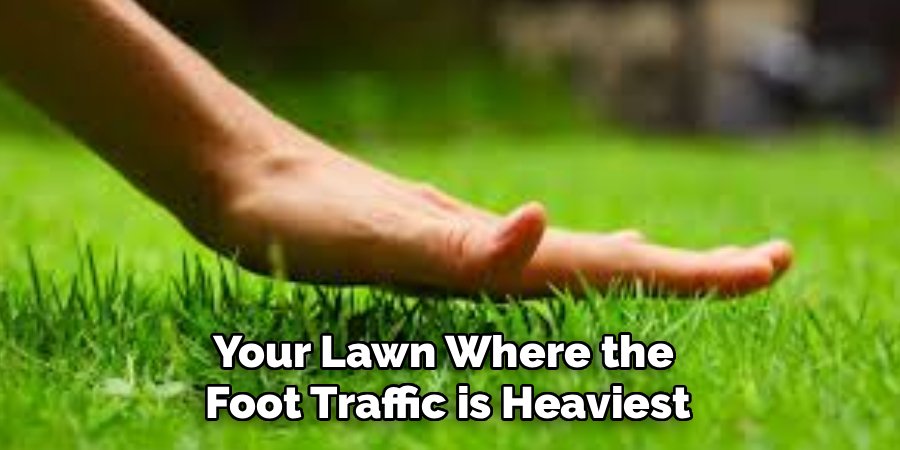
Plants like boxwood, holly, or dense ornamental grasses create a “living wall” that is difficult to walk through. For an added layer of discouragement, choose plants with prickly leaves or thorns, such as barberry or rose bushes. These natural barriers are visually appealing to you but physically uninviting to anyone trying to cut across your grass.
Step 3: Define Pathways with Hardscaping
Sometimes, people walk through your yard simply because the correct path is not obvious or convenient. You can redirect this traffic by creating clearly defined walkways that guide visitors exactly where you want them to go. Using materials like pavers, gravel, or stepping stones, construct a walkway that leads from the sidewalk to your front door or around the side of your house.
By providing a designated, stable surface for walking, you subconsciously encourage people to stay off the grass. When a path looks intentional and well-maintained, pedestrians are naturally inclined to follow it rather than forging their own muddy trail through your delicate flower beds or pristine lawn.
Step 4: Install Motion-Activated Sprinklers
For persistent trespassers who ignore fences and hedges, you might need a more active deterrent. Motion-activated sprinklers are a harmless but highly effective surprise for anyone crossing your property line. These devices use infrared sensors to detect movement and instantly release a burst of water in that direction.
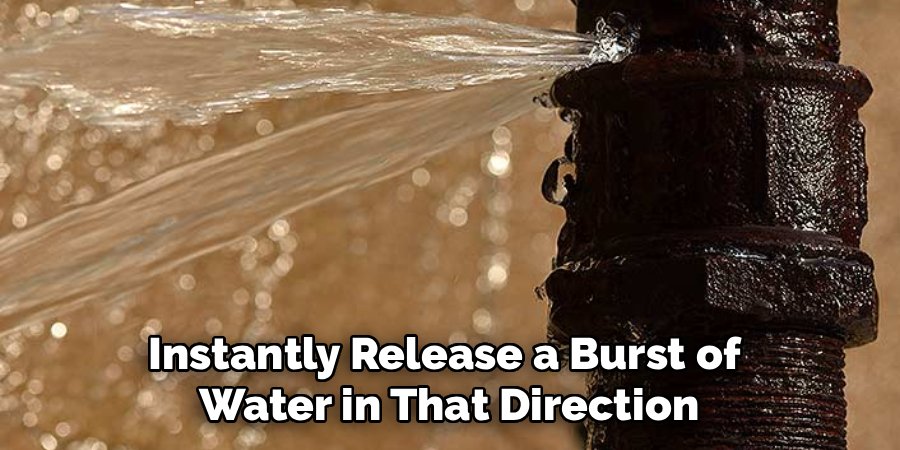
The sudden noise and spray of water are usually enough to startle intruders and send them scurrying back to the sidewalk. This method conditions repeat offenders to avoid your yard entirely without causing any physical harm. It serves as a behavior modification tool that operates 24/7, protecting your lawn even when you are not home to watch over it.
Step 5: Place Clear Signage at Entry Points
While it may seem obvious to you that your yard is private property, some people may genuinely not realize they are trespassing. Installing visible signage is a straightforward way to communicate your boundaries. You do not have to resort to aggressive “Keep Out” signs that might offend your neighbors.
Instead, opt for polite but firm markers like “Private Garden,” “Please Stay on the Path,” or “No Trespassing.” Place these signs at eye level near the most common entry points where people tend to cut the corner. A simple visual reminder can be surprisingly effective for those who are just absent-minded rather than malicious in their shortcutting habits.
Step 6: Create Uneven Terrain with Berms or Rocks
Flat, open grass is inviting to walkers because it is easy to traverse. By changing the topography of your yard, you make it less appealing as a shortcut. Consider building a berm, which is a raised mound of soil, along the edge of your property. You can top this with mulch and plants to create a decorative feature that also acts as a physical obstacle.
Alternatively, incorporating large landscape rocks or boulders into your garden design can break up the open space. Navigating around large stones or uneven ground requires more effort and attention than walking on a flat sidewalk, which naturally discourages casual cut-throughs and reinforces the strategy of how to keep people from walking through your yard.
Step 7: Use Lighting to Highlight Boundaries
Darkness often emboldens people to take shortcuts because they feel unseen. Illuminating your yard properly can act as a psychological barrier. Install low-voltage landscape lighting along your walkways and the perimeter of your property. Solar path lights or hardwired LED fixtures serve a dual purpose: they beautify your home at night and clearly demarcate where the public sidewalk ends and your private property begins.

When a space is well-lit, it feels monitored and occupied. Pedestrians are far less likely to wander into a spotlighted area than they are to slip through the shadows of an unlit lawn. This increases the perceived risk of being caught trespassing.
Frequently Asked Questions (FAQ)
Can I Legally Put Up a Fence on My Property Line?
Yes, generally you can, but there are important caveats.
- Property Survey: First, you must know exactly where your property line is to avoid encroaching on public land or your neighbor’s lot.
- HOA Rules: If you live in a community with a Homeowners Association (HOA), check their bylaws, as they often have strict rules about fence height, style, and material.
- Local Zoning: Municipal zoning laws may restrict fence height, especially in front yards, to ensure visibility for drivers. Always check with your local building department before digging.
What Are the Best Plants to Stop Trespassers?
The best plants are those that are dense, fast-growing, and perhaps a bit prickly.
- Berberis (Barberry): These shrubs have sharp thorns and grow in dense thickets, making them a painful barrier to cross.
- Holly Bushes: With their spiky, evergreen leaves, holly provides a year-round deterrent that is difficult to push through.
- Rose Bushes: Shrub roses or climbing roses offer beautiful flowers combined with thorny stems that naturally say “keep back.”
- Pyracantha (Firethorn): As the name suggests, this shrub has formidable thorns and creates an impenetrable hedge.
Are Motion-Activated Sprinklers Safe to Use?
Yes, they are generally considered safe and humane.
- Harmless: They use only water, so they do not physically injure people or animals.
- Placement: However, you must be careful about placement. Ensure the sensor is aimed strictly at your private property and not at the public sidewalk or street. Spraying innocent passersby who are following the rules could lead to complaints or legal trouble.
- Winter: Remember to disconnect them in freezing weather to prevent damage to the unit and your plumbing.
What If the Trespassers Are Children?
Dealing with neighborhood kids requires a softer touch than dealing with adults.
- Communication: Often, a friendly chat with the parents is the best first step. They may not know their children are cutting through your yard.
- Visual Cues: Kids respond well to clear visual barriers. A low, colorful garden fence or even a rope barrier with flags can be enough to define the “no-go” zone.
- Avoid Danger: Do not use hidden hazards or extremely sharp plants that could cause serious injury to a child. Stick to visible barriers.
Can I Be Liable If Someone Gets Hurt While Trespassing?
Surprisingly, yes. This concept is known as premises liability.
- Duty of Care: In many jurisdictions, property owners have a duty of care to prevent injury even to trespassers, especially if there are known hazards on the land.
- Booby Traps: You absolutely cannot set “booby traps” or intentionally dangerous obstacles designed to hurt people. This is illegal and will land you in court.
- Maintenance: Keeping your yard free of hidden holes or dangers is important, even for uninvited guests.
Conclusion
Reclaiming your yard from unwanted foot traffic is about establishing clear boundaries and making your property line unmistakable. It is rarely necessary to start a feud with your neighbors; often, subtle changes to your landscape design are all that is needed to shift behavior.
By combining physical barriers like fences or hedges with psychological cues like lighting and pathways, you create a space that commands respect. Whether you choose the soft approach of gardening or the firm boundary of a fence, consistency is key. Taking these steps protects your lawn from damage, ensures your privacy, and reduces your liability.
Now that you have a comprehensive plan on how to keep people from walking through your yard, you can confidently implement these changes and enjoy your outdoor sanctuary in peace, knowing that the only footprints on your grass will be your own.

About
Jovie Mathews is a backyard and outdoor expert writer with over 12 years of hands-on experience transforming neglected outdoor spaces into thriving gardens and functional retreats. Raised in a family where weekends meant digging in the soil and building raised beds from scratch, Jovie developed a genuine love for the outdoors long before it became a career.
She writes with a practical, no-fluff approach — always testing ideas in her own backyard before sharing them with readers. From composting systems and native plant selection to patio design and pest control, Jovie covers the full spectrum of backyard life with equal parts expertise and enthusiasm.
Education
B.Sc. in Horticulture Science
University of Florida (UF) · Gainesville, FL · 2014
IFAS College of Agricultural and Life Sciences
Minor in Environmental Studies
University of Florida (UF) · Gainesville, FL · 2014
College of Liberal Arts and Sciences
Areas of expertise
- Lawn & Garden Care
- Soil prep, planting, seasonal care
- Outdoor DIY Projects
- Raised beds, fencing, pathways
- Composting & Soil Health
- Organic methods, amendments
- Native Plants & Wildlife
- Pollinators, habitat gardening
When she is not writing, Jovie can be found testing new composting techniques, growing tomatoes in questionable quantities, or convincing her neighbors that clover lawns are actually a great idea. She currently gardens in the Pacific Northwest.