
There is nothing quite like relaxing on your patio with a cold drink in hand, soaking up the sunshine or enjoying a cool evening breeze. However, this peaceful scene can be quickly ruined when uninvited guests arrive.
Ants marching across your table, spiders weaving webs in the corners of your chairs, and mosquitoes buzzing around your head can turn your outdoor oasis into a source of stress. For many homeowners, the constant struggle against insects feels like a losing battle, but it does not have to be this way.

You do not need to resort to harsh chemical fogs or expensive exterminators to enjoy your deck in peace. With a few simple changes to your cleaning routine and some strategic natural deterrents, you can create a hostile environment for pests while keeping it welcoming for humans.
This guide is designed to empower you with practical, effective strategies on how to keep bugs off patio furniture, ensuring your outdoor space remains a comfortable retreat for you and your family all season long.
How to Keep Bugs Off Patio Furniture: A Step-by-Step Guide
Step 1: Deep Clean Your Furniture with Soapy Water
The first line of defense in any pest control strategy is removing the things that attract them in the first place. Insects are often drawn to food residue, spilled sugary drinks, and even the microscopic organic matter found in dust and pollen. To combat this, you need to establish a routine of washing your outdoor seating and tables thoroughly.
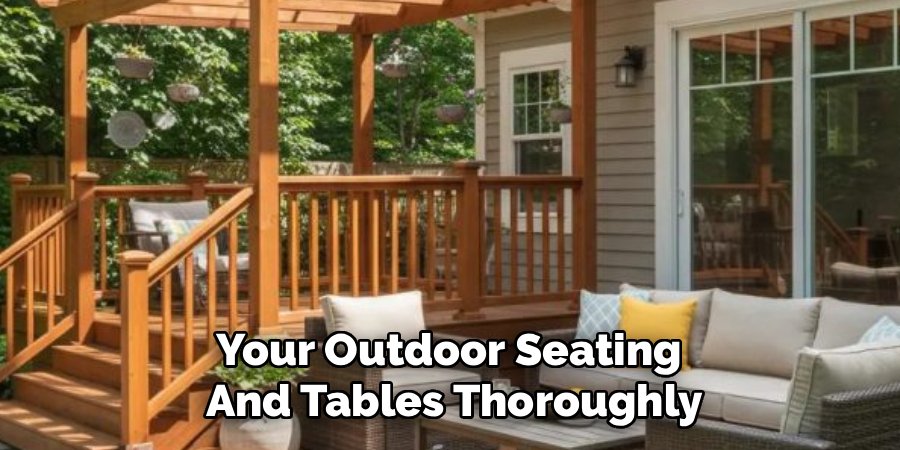
Mix a solution of mild dish soap and warm water in a bucket. Using a soft sponge or cloth, scrub down every surface of your furniture, paying special attention to the undersides of tables and the crevices of wicker chairs where spiders love to hide.
This simple act removes the scents and food sources that act as a beacon for pests, making your furniture significantly less appealing to them immediately.
Step 2: Apply Essential Oils as a Natural Deterrent
After your furniture is clean and dry, you can create an invisible barrier using scents that humans enjoy but insects detest. Many essential oils have potent repellent properties that can discourage bugs from landing or settling on your surfaces.
Peppermint, eucalyptus, tea tree, and lavender oils are particularly effective against a wide range of common garden pests. Mix ten to fifteen drops of your chosen oil with a cup of water in a spray bottle. Mist this solution lightly over your cushions, frames, and under tables.
You can also soak cotton balls in the oil and tuck them discreetly into the corners of your furniture or under cushions. This method for how to keep bugs off patio furniture is not only effective but also leaves your outdoor space smelling fresh and inviting.
Step 3: Use Vinegar to Wipe Down Hard Surfaces
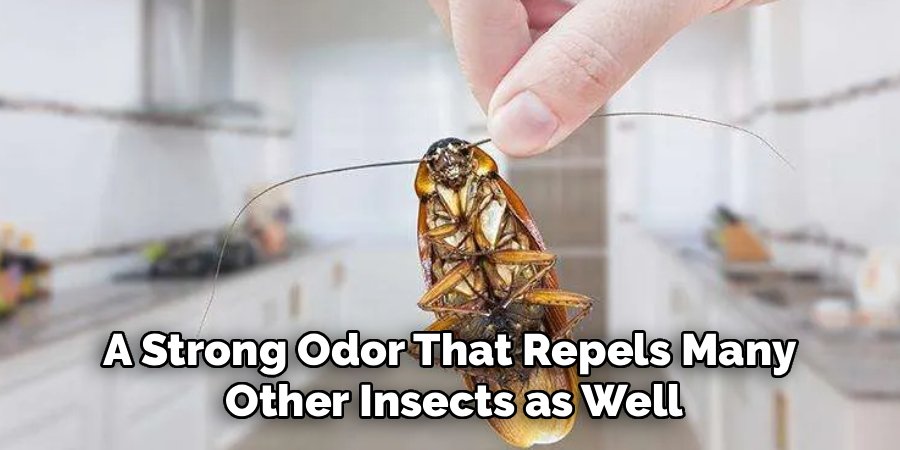
For plastic, metal, or wood furniture, white vinegar is a powerful, inexpensive, and non-toxic tool in your anti-bug arsenal. Ants, in particular, rely on scent trails to navigate and communicate with their colony. Vinegar disrupts these trails and has a strong odor that repels many other insects as well.
Create a cleaning solution by mixing equal parts water and white vinegar. Use this mixture to wipe down your patio tables, chair arms, and legs regularly.
While the smell of vinegar might be strong initially, it dissipates quickly for humans once it dries, but the residual effect remains potent enough to confuse and deter pests. This is an excellent maintenance step to perform before and after hosting any outdoor meals to ensure your dining area stays pest-free.
Step 4: Maintain the Landscape Surrounding Your Patio
Your furniture does not exist in a vacuum; it is part of a larger ecosystem in your backyard. If the area immediately surrounding your patio is overgrown, you are essentially rolling out a red carpet for bugs to migrate onto your seating.
Tall grass, dense bushes, and overhanging tree branches provide shelter and breeding grounds for ticks, mosquitoes, and spiders. By keeping your lawn mowed and trimming back any vegetation that touches or hangs over your patio area, you create a buffer zone.
This physical gap makes it much harder for insects to bridge the distance from their natural habitat to your relaxation space. Regular landscaping maintenance is a crucial preventative measure that significantly reduces the overall population of pests near your furniture.
Step 5: Eliminate Standing Water Sources Nearby
Mosquitoes are arguably the most annoying outdoor pests, and they require standing water to breed. Even a tiny amount of water, like a bottle cap full, is enough for them to lay eggs. To protect your patio area, you must be vigilant about eliminating any stagnant water sources near your furniture.
Check plant saucers, birdbaths, clogged gutters, and even the folds of outdoor furniture covers after a rainstorm. If you have a birdbath, change the water daily to prevent larvae from developing.
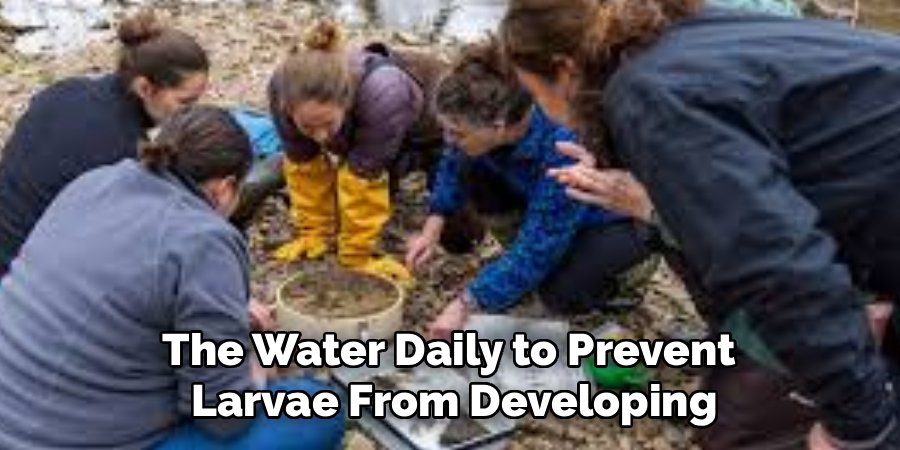
By removing these breeding grounds, you break the lifecycle of the mosquito population in your immediate vicinity. This step is less about treating the furniture itself and more about managing the environment to ensure that how to keep bugs off patio furniture becomes a much easier task.
Step 6: Install Outdoor Fans to Disrupt Flight Paths
Sometimes the best solution is a mechanical one. Flies and mosquitoes are relatively weak fliers, and they struggle to navigate against a strong breeze. Installing ceiling fans on a covered porch or placing oscillating standing fans around your patio can create a turbulent environment that insects find difficult to fly through.
The moving air also helps to disperse the carbon dioxide you exhale and the scents of food, which are the primary attractants for mosquitoes. Positioning fans to blow across your seating area creates a “no-fly zone” that physically pushes pests away from you and your guests.
This method provides immediate relief and has the added benefit of keeping you cool on hot summer days, making it a win-win for outdoor comfort.
Step 7: Store Cushions Properly When Not in Use
Fabric cushions and pillows are cozy for you, but they also provide a warm, sheltered environment for bugs to nest, lay eggs, or hide from predators. Leaving cushions out overnight or during rainstorms allows them to collect moisture, which can lead to mold and attract even more pests.
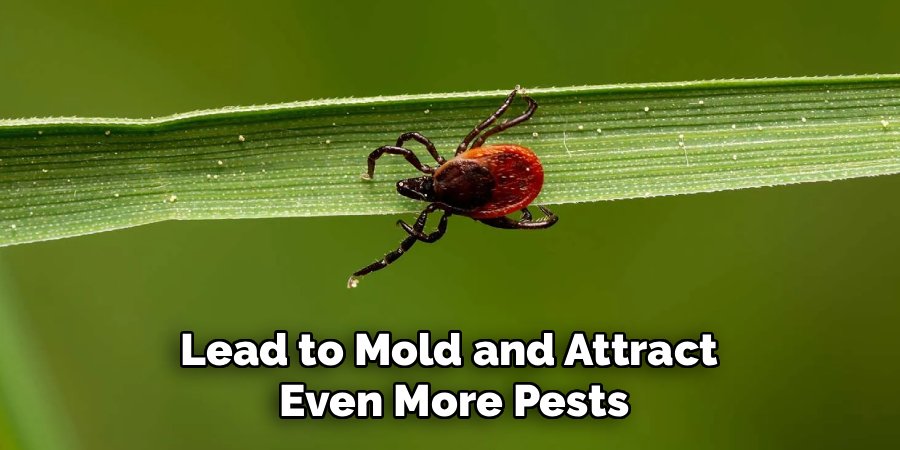
The most effective way to prevent this is to store your soft furnishings in an airtight deck box or bring them indoors when they are not being used. If storage space is limited, investing in high-quality, tight-fitting furniture covers is the next best option.
By denying insects access to the nooks and crannies of your cushions, you ensure that when you are ready to relax, you won’t be sharing your seat with a colony of spiders or earwigs.
Frequently Asked Questions (FAQ)
What Essential Oils Are Safe for Pets?
While essential oils are natural, some can be toxic to dogs and cats.
- Safe Options: Cedarwood, lemongrass, and rosemary are generally considered safer for use around pets when diluted properly.
- Toxic Options: Avoid using tea tree, peppermint, citrus, and cinnamon oils on surfaces where pets might rub or lick, as these can be harmful.
Always consult with your veterinarian before using any essential oils extensively in areas where your pets spend time.
Does dryer sheets actually repel bugs?
Yes, dryer sheets can be surprisingly effective at repelling certain insects, particularly gnats and mosquitoes.
- The Component: Most dryer sheets contain linalool, a compound found in plants like lavender and basil, which is known to repel bugs.
- Application: You can tuck a dryer sheet into your pocket or rub it on the surface of your patio chairs.
- Limitations: While helpful for short periods, they are not a long-term solution compared to deep cleaning or fans.
How Often Should I Clean My Patio Furniture?
To maintain a bug-free environment, consistency is key.
- Deep Clean: Perform a thorough wash with soap and water at the beginning and end of the season, and once a month during peak summer months.
- Spot Clean: Wipe down tables and eating surfaces immediately after every meal to remove crumbs and spills.
- Maintenance: Brush off pollen and dust weekly, as these fine particles can attract mites and other small insects.
Will Painting My Patio Ceiling Blue Keep Bugs Away?
This is a popular Southern tradition known as “Haint Blue.”
- The Theory: The idea is that insects perceive the blue ceiling as the sky and do not settle there, or that the original paints contained lye which repelled bugs.
- The Reality: There is little scientific evidence to support the visual theory. However, light colors generally reflect light and heat better than dark colors, making the area less attractive to heat-seeking bugs like mosquitoes and wasps.
Can I Use Hydrogen Peroxide on My Plants?
Yes, hydrogen peroxide can be an effective treatment for pests on the plants surrounding your patio.
- Fungus Gnats: A mixture of one part 3% hydrogen peroxide to four parts water can kill fungus gnat larvae in the soil.
- Safety: This solution is generally safe for plants and helps aerate the soil.
- Benefit: Reducing pests on nearby plants helps reduce the overall bug population migrating to your furniture.
Conclusion
Reclaiming your outdoor space from insects does not require a chemical warfare approach; it simply requires consistency and a few smart environmental adjustments. By removing the attractants like food residue and standing water, and introducing deterrents like essential oils and air circulation, you create a space that is naturally unappealing to pests.
Regular maintenance, such as wiping down surfaces with vinegar and storing cushions properly, ensures that your hard work lasts throughout the season. Remember that the goal is not just to kill bugs, but to create a habitat where they simply do not want to be.
Now that you understand the expert methods for how to keep bugs off patio furniture, you can look forward to hosting barbecues, reading books, and enjoying sunsets without the annoyance of swatting away uninvited guests.

About
Jovie Mathews is a backyard and outdoor expert writer with over 12 years of hands-on experience transforming neglected outdoor spaces into thriving gardens and functional retreats. Raised in a family where weekends meant digging in the soil and building raised beds from scratch, Jovie developed a genuine love for the outdoors long before it became a career.
She writes with a practical, no-fluff approach — always testing ideas in her own backyard before sharing them with readers. From composting systems and native plant selection to patio design and pest control, Jovie covers the full spectrum of backyard life with equal parts expertise and enthusiasm.
Education
B.Sc. in Horticulture Science
University of Florida (UF) · Gainesville, FL · 2014
IFAS College of Agricultural and Life Sciences
Minor in Environmental Studies
University of Florida (UF) · Gainesville, FL · 2014
College of Liberal Arts and Sciences
Areas of expertise
- Lawn & Garden Care
- Soil prep, planting, seasonal care
- Outdoor DIY Projects
- Raised beds, fencing, pathways
- Composting & Soil Health
- Organic methods, amendments
- Native Plants & Wildlife
- Pollinators, habitat gardening
When she is not writing, Jovie can be found testing new composting techniques, growing tomatoes in questionable quantities, or convincing her neighbors that clover lawns are actually a great idea. She currently gardens in the Pacific Northwest.