
Raising backyard chickens is a rewarding experience that provides fresh eggs, garden fertilizer, and endless entertainment. However, this joy comes with the responsibility of protecting your birds from local predators. For many homesteaders and gardeners, the most cunning and persistent threat is the coyote. These intelligent animals are adaptable and can find weaknesses in coop security that you might have overlooked. If you have spotted these canines in your neighborhood or heard their calls at night, you need to take immediate action to secure your coop.
The safety of your flock depends on a proactive defense system that layers multiple deterrents. Ignoring the signs of predator activity can lead to devastating losses overnight. By understanding their behavior and reinforcing your defenses, you can maintain a safe environment for your birds. In this guide, we will explore practical methods on how to keep coyotes away from chickens so you can sleep soundly knowing your flock is secure.
Why Coyote Protection Matters for Your Flock
Understanding the gravity of the coyote threat is essential for every poultry keeper. Coyotes are incredibly smart, agile, and opportunistic hunters found in rural, suburban, and even urban environments. Unlike some predators that might take just one bird, a coyote attack often results in significant loss, sometimes wiping out an entire flock in a single visit. This is not just a financial blow; for many of us, our chickens are pets with names and personalities, making the loss emotionally difficult.
Furthermore, once a coyote identifies your coop as a food source, they will return repeatedly. They are known to test fences, dig under barriers, and watch for patterns in your daily routine. Establishing a robust defense strategy isn’t just about saving your current birds; it’s about deterring the predator permanently so they move on to easier hunting grounds. A secure coop setup also protects against other predators like foxes, raccoons, and stray dogs, making the investment in security doubly valuable for your peace of mind.
7 Step-by-Step Guide on How to Keep Coyotes Away From Chickens
Step 1: Reinforce the Coop with Hardware Cloth
The first line of defense is the physical structure where your chickens sleep. Many beginners make the mistake of using standard chicken wire, which is designed to keep chickens in, not predators out. A determined coyote can easily tear through weak wire or manipulate the openings to get inside.
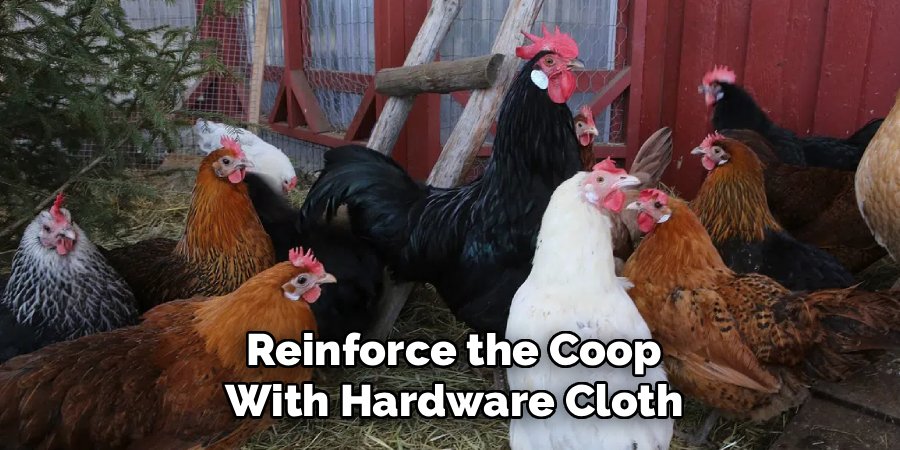
Instead, you must use quarter-inch or half-inch hardware cloth. This welded wire mesh is sturdy and rigid, making it nearly impossible for teeth or claws to penetrate. You should staple this material securely to all windows, vents, and runs, ensuring there are no loose edges that could be pried open. This simple upgrade significantly hardens your coop against intrusion.
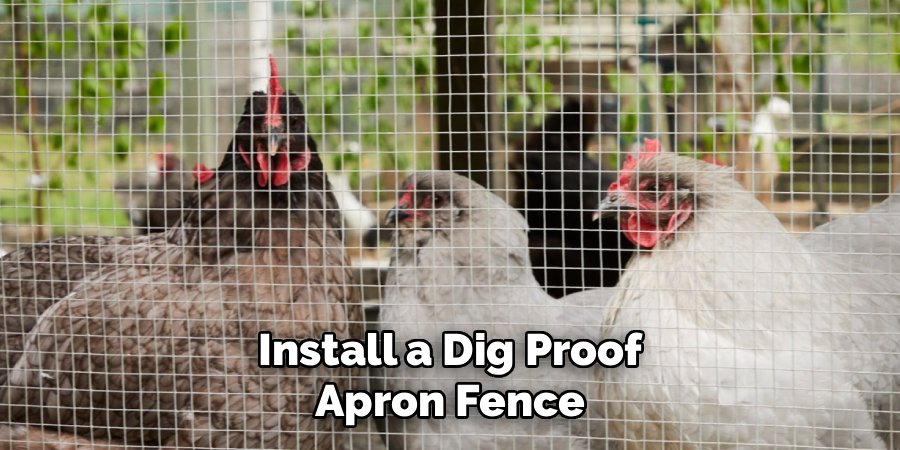
Step 2: Install a Dig-Proof Apron Fence
Coyotes are notorious diggers and will often try to burrow underneath your coop walls or run fencing to gain access. To prevent this, you should install a predator apron around the entire perimeter of your chicken run. This involves digging a shallow trench about twelve inches wide around the outside of your fence and laying down heavy-gauge wire mesh. Connect this mesh to the bottom of your vertical fence and bury it under the soil.
When a predator attempts to dig at the base of the wall, they will hit the wire barrier and stop. This method is often more effective than digging deep vertically because predators generally lack the problem-solving skills to back up and dig from a distance.
Step 3: Implement High Fencing with Roller Bars
A standard four-foot fence is rarely enough to stop an athletic coyote, as they can jump or scramble over surprising heights. Ideally, your perimeter fence should be at least six feet tall to serve as a genuine deterrent. If raising the fence height is not an option, you can install coyote rollers at the top. These are rolling bars that spin when an animal tries to grab them for leverage. When the predator attempts to pull themselves over the fence, the bar spins, causing them to lose their grip and fall back down. This is a humane and highly effective way to frustrate climbing predators without using electric shocks.
Step 4: Secure All Latches with Locking Carabiners
Raccoons are known for their dexterity, but coyotes are smart enough to nudge simple latches open with their noses or paws. A simple hook-and-eye latch is insufficient security for a coop door. You should replace all simple latches with complex, two-step locking mechanisms that require human dexterity to operate.

Spring-loaded latches or padlocks are excellent choices, but even a heavy-duty carabiner clipped through the latch hole can work wonders. By ensuring that every door, nesting box lid, and vent cover is locked tight every evening, you eliminate the easy access points that opportunistic predators look for when scouting your property.
Step 5: Utilize Motion-Activated Lighting
Coyotes prefer to hunt under the cover of darkness where they feel safe and unseen. Disrupting this darkness can be a powerful psychological deterrent. Installing motion-activated floodlights around your coop can startle a predator approaching your flock. The sudden burst of bright light mimics human activity and suggests that they have been detected, often causing them to flee. For an added layer of protection, consider solar-powered predator eyes. These small devices emit a flashing red light that mimics the eyes of another predator. This triggers a coyote’s instinct to avoid confrontation, effectively keeping them at a distance without you having to wake up.
Step 6: Maintain a Clean and Tidy Yard
Predators are often drawn to your property by smells other than your chickens. Spilled feed, open compost piles, and unsecured garbage cans are strong attractants that bring coyotes closer to your coop. Once they are in the yard for a snack, they will inevitably notice your birds.
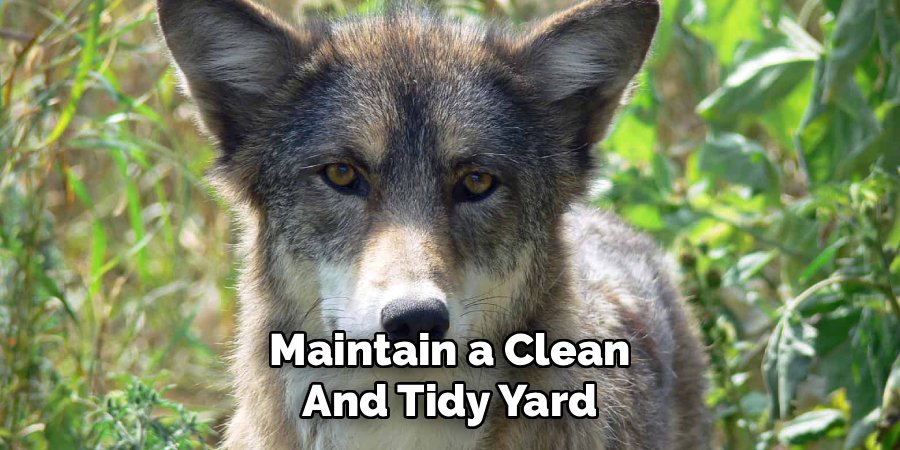
To mitigate this risk, store all chicken feed in metal trash cans with tight-fitting lids that rodents and larger animals cannot chew through. Clean up leftover treats or scraps before dusk, and ensure your compost bin is sealed or located far from the coop. Learning how to keep coyotes away from chickens often starts with basic sanitation and removing the easy meals that attract them in the first place.
Step 7: Introduce a Livestock Guardian Animal
Sometimes the best defense is a good offense, or at least a presence that coyotes fear. Livestock guardian dogs, such as Great Pyrenees or Anatolian Shepherds, have been bred for centuries specifically to protect flocks from wolves and coyotes. Their presence alone, marked by scent and barking, is usually enough to send predators running.
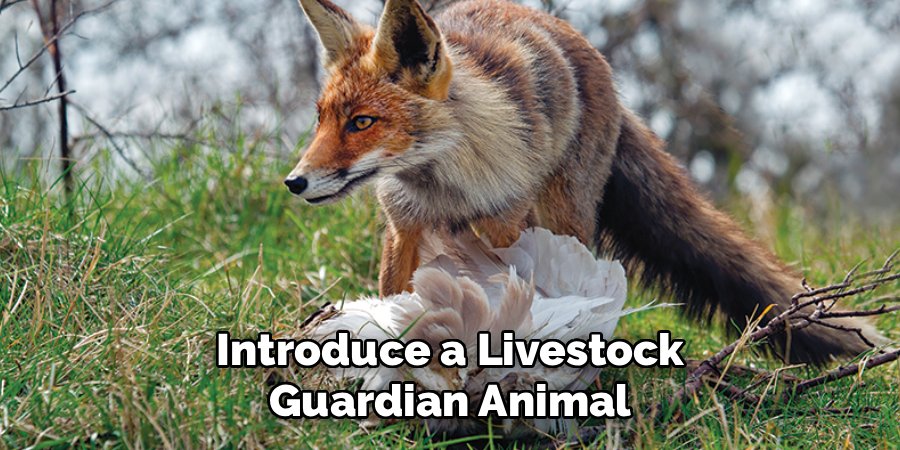
If a dog isn’t feasible for your situation, donkeys, llamas, and even geese can serve as effective guardians. These animals are naturally aggressive toward canines and will alert you loudly if an intruder approaches. However, owning a guardian animal requires additional care, training, and resources, so research thoroughly before committing.
Use Electric Fencing as a Deterrent
For those living in areas with high predator pressure, electric fencing is the gold standard for protection. A hot wire run around the perimeter of your coop or run provides a sharp, memorable shock to any animal that touches it with its nose. You should place wires at varying heights—one low to the ground to stop digging, and others higher up to stop climbing. This psychological conditioning teaches local coyotes that your coop is painful and dangerous. While it requires regular maintenance to ensure the vegetation doesn’t short out the wire, it is one of the most reliable methods for securing a flock in rural areas.
Frequently Asked Questions
Can Coyotes Jump Over A 4-Foot Fence?
Yes, coyotes are incredibly agile and can easily clear a four-foot fence. They are capable of jumping heights up to six feet when motivated by prey. If your fence is shorter, they may jump and pull themselves over the top. To prevent this, it is recommended to install a fence that is at least six feet tall or add outward-facing extenders or rollers to the top of your existing fence.
Do Coyotes Only Hunt At Night?
While coyotes are primarily nocturnal, they are opportunistic and will hunt during the day, especially in the spring and summer when they have pups to feed. Seeing a coyote during the day does not necessarily mean it is sick; it usually means it is looking for extra food. Therefore, your chickens need protection throughout the day, not just at night. A covered run is essential for daytime safety.
Will A Rooster Protect My Hens From Coyotes?
A rooster will do his best to alert the flock and may try to fight off a predator, but he is unlikely to win against a coyote. A coyote is much larger, stronger, and more efficient at killing than a rooster. While a rooster is great for sounding the alarm so hens can hide, you should not rely on him as your primary defense method against canines.
Does Wolf Urine Really Keep Coyotes Away?
Commercially available wolf or mountain lion urine can act as a deterrent by exploiting a coyote’s territorial instincts. If they smell a larger predator, they may avoid the area to prevent conflict. However, this is not a foolproof solution. Rain and time will dilute the scent, and some urban coyotes may be desensitized to such smells. It works best when used in combination with physical barriers.
Are Electric Fences Safe For My Chickens?
Yes, electric poultry netting is designed to be safe for chickens while delivering a strong shock to predators. The pulse is short and sharp, meant to startle rather than harm. Most chickens are well-insulated by their feathers and learn quickly to avoid the fence. However, you must ensure the voltage is appropriate for poultry and that the fence is properly grounded to function effectively against predators.
Conclusion
Protecting your flock requires vigilance, the right materials, and a commitment to outsmarting one of nature’s most adaptable predators. By reinforcing your coop with hardware cloth, installing dig-proof aprons, and utilizing deterrents like motion lights and electric fencing, you create a fortress that is simply not worth the effort for a coyote to breach. Remember that predators are always looking for the path of least resistance; your goal is to make your yard the most difficult path possible.
Start implementing these changes today, even if you tackle them one by one. Prioritize securing the coop for the night, as this is when your birds are most vulnerable. As you layer these defenses, you will gain confidence in your flock’s safety. Now that you understand how to keep coyotes away from chickens, you can enjoy the peace of mind that comes with knowing your feathered friends are safe, happy, and well-protected in your garden.

About
Jovie Mathews is a backyard and outdoor expert writer with over 12 years of hands-on experience transforming neglected outdoor spaces into thriving gardens and functional retreats. Raised in a family where weekends meant digging in the soil and building raised beds from scratch, Jovie developed a genuine love for the outdoors long before it became a career.
She writes with a practical, no-fluff approach — always testing ideas in her own backyard before sharing them with readers. From composting systems and native plant selection to patio design and pest control, Jovie covers the full spectrum of backyard life with equal parts expertise and enthusiasm.
Education
B.Sc. in Horticulture Science
University of Florida (UF) · Gainesville, FL · 2014
IFAS College of Agricultural and Life Sciences
Minor in Environmental Studies
University of Florida (UF) · Gainesville, FL · 2014
College of Liberal Arts and Sciences
Areas of expertise
- Lawn & Garden Care
- Soil prep, planting, seasonal care
- Outdoor DIY Projects
- Raised beds, fencing, pathways
- Composting & Soil Health
- Organic methods, amendments
- Native Plants & Wildlife
- Pollinators, habitat gardening
When she is not writing, Jovie can be found testing new composting techniques, growing tomatoes in questionable quantities, or convincing her neighbors that clover lawns are actually a great idea. She currently gardens in the Pacific Northwest.