
There are few things more annoying for a homeowner than spending hours sweeping the patio, only to turn around and see it covered in a fresh layer of brown, crunchy debris. While autumn foliage is beautiful on the trees, it becomes a slippery nuisance and a staining hazard once it lands on your pavers or decking. Leaves trap moisture, encourage mold growth, and can even stain expensive stone surfaces if left to decompose.
The constant battle with gravity and wind can feel overwhelming, but it doesn’t have to be a daily chore. By combining smart landscaping decisions with physical barriers and routine maintenance habits, you can significantly reduce the amount of time you spend with a broom in your hand. This guide is designed to help you win the war against falling foliage. We will explore practical, effective strategies on how to keep leaves off patio areas, allowing you to spend less time cleaning and more time enjoying your outdoor living space with friends and family.
7 Step-by-Step Guide on How to Keep Leaves Off Patio
Step 1: Install Physical Barriers or Screens
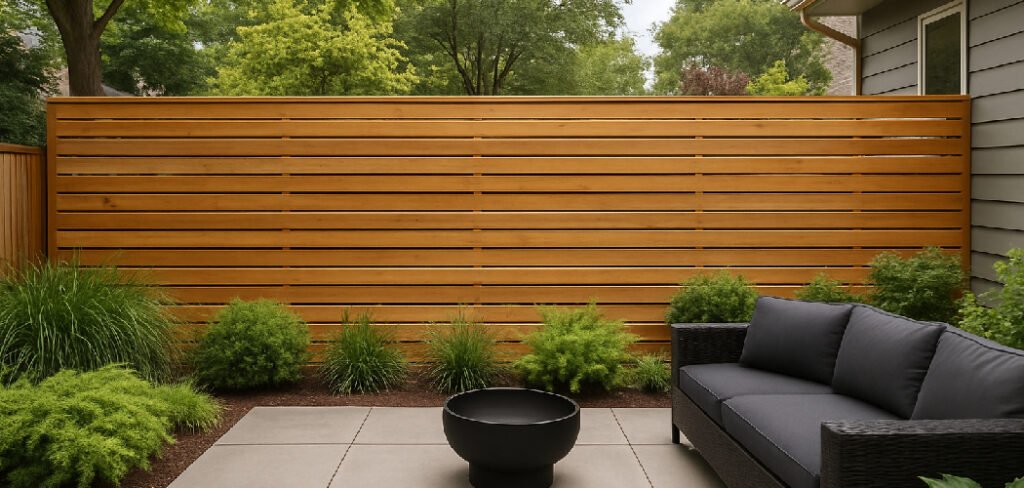
One of the most effective ways to stop debris from entering your space is to block it physically. Installing privacy screens, windbreaks, or lattice panels on the sides of your patio can intercept wind-blown leaves before they land on your furniture. These structures act as a shield against the prevailing winds that carry debris from your yard or your neighbor’s trees. You can choose from permanent wood structures, retractable mesh screens, or even decorative outdoor curtains. The key is to identify the direction from which the wind typically blows and position your barrier to interrupt that airflow. This method not only reduces cleaning time but also adds privacy and shade to your outdoor area.
Step 2: Strategic Landscaping and Pruning
Prevention starts at the source, which usually means the trees directly overhanging your outdoor space. Take a good look at the canopy above your deck or pavers. Branches that extend directly over the patio are the primary culprits for the mess. By selectively pruning these overhanging limbs, you eliminate the direct drop zone.
You do not need to remove the tree entirely; simply cutting back the branches that reach over your entertainment area can make a massive difference. Additionally, consider replacing high-maintenance deciduous trees near the patio with evergreens or low-litter alternatives that don’t drop their leaves all at once, creating a cleaner environment year-round.
Step 3: Use Leaf Catchers
If you have a covered patio or a pergola, the roof itself can sometimes be the problem if it collects debris that eventually blows down. Installing leaf guards or catchers on the gutters attached to your patio cover is essential. When gutters overflow, they spill wet, mucky leaves directly onto the patio surface below.
By ensuring your drainage system is protected with mesh guards or foam inserts, you keep the water flowing and the debris contained. This simple addition prevents that waterfall of sludge during rainstorms and keeps the perimeter of your patio much cleaner. It is a small investment that protects both your patio surface and your home’s foundation.
Step 4: Create a Buffer Zone with Hedges
Planting a dense hedge or a row of shrubs around the perimeter of your patio can act as a natural, living fence that traps low-flying leaves. Low-growing, dense bushes like boxwood or holly are excellent for this purpose. They catch the leaves tumbling across the lawn before they can skip onto your clean pavers.
This biological barrier serves a dual purpose: it enhances the aesthetic appeal of your garden while functioning as a functional debris trap. You will still need to clean the leaves out from under the hedge occasionally, but that is far easier than sweeping the entire patio surface every single day.
Step 5: Utilize Outdoor Rugs for Easy Cleanup
While this step doesn’t stop leaves from falling, it dramatically simplifies the removal process. Laying down large, all-weather outdoor rugs covers the rough texture of concrete or stone, which often traps leaf stems and makes sweeping difficult.
When leaves land on a smooth rug, they are much easier to blow off with a leaf blower or sweep away with a broom. Furthermore, if the leaves are wet, you can simply drag the rug onto the lawn and shake it out. This protects the porous stone underneath from organic stains caused by rotting tannins in the leaves, preserving the look of your hardscaping for years to come.
Step 6: Strategies on How to Keep Leaves Off Patio: Setup Fans
This might sound unconventional, but airflow management is a powerful tool for patio maintenance. Installing outdoor ceiling fans or mounting oscillating wall fans can generate a localized breeze that pushes falling leaves away from the center of your space. The downdraft from a strong ceiling fan makes it difficult for light debris to settle on your table and chairs.
By creating a positive pressure zone, you essentially blow the leaves back into the yard before they can land. This is particularly effective for covered patios where leaves tend to drift in from the open sides. Plus, the added airflow keeps mosquitoes at bay and keeps guests cool during summer.
Step 7: Establish a Routine Blowing Schedule
Consistency is the final piece of the puzzle. Even with barriers and pruning, some nature will inevitably find its way in. The most efficient way to handle this is to prevent accumulation. Invest in a lightweight, cordless leaf blower and make a habit of doing a quick, two-minute sweep every other day during peak fall season.
Letting leaves pile up allows them to get wet, mat down, and stick to the surface, making removal ten times harder. By blowing them off while they are dry and sparse, you prevent the heavy buildup that stains patio surfaces. This proactive maintenance routine ensures your space is always guest-ready.
Frequently Asked Questions (FAQ)
What Type of Trees Should I Avoid Planting Near a Patio?
You should generally avoid large deciduous trees with heavy leaf drops or messy fruit and seeds.
- Avoid: Sweet Gum (spiky balls), Sycamore (huge leaves and shedding bark), Mulberry (staining fruit), and Cottonwood (messy fluff).
- Better Options: Japanese Maple (smaller leaves), Dogwood, or various evergreen species that keep their foliage year-round.
Can I Use a Tarp to Cover My Patio?
Yes, covering your patio furniture or the entire surface with a tarp is an effective short-term solution, especially if you are going away on vacation or expecting a heavy storm. However, it is not aesthetically pleasing for everyday use.
- Furniture Covers: Invest in custom-fitted covers for tables and chairs.
- Secure It: Ensure the tarp is weighed down so it doesn’t blow away.
- Moisture: Be careful that moisture doesn’t get trapped under the tarp, which can cause mildew on wood decks.
How Do I Remove Leaf Stains from Concrete Pavers?
If wet leaves have sat too long and left brown tannin stains, you can usually clean them with household items.
- Dish Soap: Scrub with a mixture of water and mild dish soap using a stiff brush.
- Vinegar: For tougher stains, a 50/50 mix of white vinegar and water can help.
- Pressure Washer: A pressure washer is highly effective but use a lower setting to avoid damaging the sand between pavers.
- Bleach: Oxygenated bleach (like OxiClean) is safer for plants than chlorine bleach.
Is a Leaf Blower or a Vacuum Better for Patios?
For hard surfaces like patios, a leaf blower is generally faster and more effective.
- Blower: Quickly pushes debris off the surface into the yard where it can be mulched. It gets into corners easily.
- Vacuum: Better for sucking up leaves from flower beds or corners where you don’t want to blow dirt around. Some units have a mulching feature that grinds leaves as you vacuum, which is great for composting.
Will Screening In My Patio Reduce Home Value?
generally, screening in a patio increases the value and usability of a home. It adds square footage of usable living space that is protected from bugs and debris.
- Curb Appeal: Ensure the screen design matches the architecture of the house.
- Functionality: A screened porch (lanai) is highly desirable in many climates.
- Cost vs. Value: It is a significant investment, but one that offers high returns in terms of lifestyle and reduced maintenance.
Conclusion
maintaining a leaf-free patio is about reclaiming your relaxation time. Instead of viewing the autumn season with dread, you can approach it with a strategy that minimizes work and maximizes enjoyment. By implementing physical barriers like screens and hedges, managing your landscaping intelligently, and utilizing tools like outdoor rugs and fans, you create a defense system for your outdoor living area.
It is rarely one single solution that solves the problem, but rather a combination of these tactics that proves most effective. Remember that consistency is key; a little bit of prevention goes a long way in preserving the beauty and longevity of your hardscaping. Now that you know how to keep leaves off patio surfaces effectively, you can put down the broom, pour yourself a drink, and enjoy the crisp fall air from the comfort of your clean, inviting sanctuary.

About
Jovie Mathews is a backyard and outdoor expert writer with over 12 years of hands-on experience transforming neglected outdoor spaces into thriving gardens and functional retreats. Raised in a family where weekends meant digging in the soil and building raised beds from scratch, Jovie developed a genuine love for the outdoors long before it became a career.
She writes with a practical, no-fluff approach — always testing ideas in her own backyard before sharing them with readers. From composting systems and native plant selection to patio design and pest control, Jovie covers the full spectrum of backyard life with equal parts expertise and enthusiasm.
Education
B.Sc. in Horticulture Science
University of Florida (UF) · Gainesville, FL · 2014
IFAS College of Agricultural and Life Sciences
Minor in Environmental Studies
University of Florida (UF) · Gainesville, FL · 2014
College of Liberal Arts and Sciences
Areas of expertise
- Lawn & Garden Care
- Soil prep, planting, seasonal care
- Outdoor DIY Projects
- Raised beds, fencing, pathways
- Composting & Soil Health
- Organic methods, amendments
- Native Plants & Wildlife
- Pollinators, habitat gardening
When she is not writing, Jovie can be found testing new composting techniques, growing tomatoes in questionable quantities, or convincing her neighbors that clover lawns are actually a great idea. She currently gardens in the Pacific Northwest.