

Walking into a big-box store and buying a matching seven-piece patio set is certainly the easiest way to furnish your deck, but it often results in a space that feels generic and uninspired. Your outdoor living area should be an extension of your home’s personality, reflecting your unique taste rather than a showroom floor.
The trend in exterior design has shifted dramatically towards curated, eclectic collections that look collected over time rather than purchased in a single afternoon. By blending different materials, eras, and textures, you can create a backyard retreat that feels cozy, sophisticated, and intentionally designed.
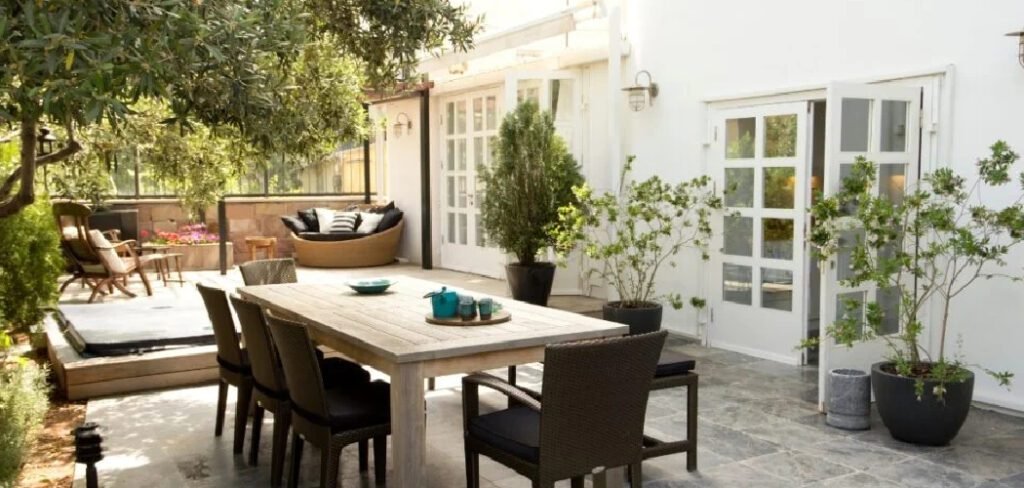
Many homeowners hesitate to step away from the safety of matching sets because they fear the result will look messy or chaotic. However, with a few simple design principles, anyone can master the art of eclectic styling.
This guide is dedicated to teaching you how to mix and match patio furniture effectively, ensuring you end up with a cohesive, stylish sanctuary that invites you to relax and unwind in the fresh air.
7 Step-by-Step Guide: How to Mix and Match Patio Furniture
Step 1: Establish a Unifying Color Palette
The secret to successfully blending different furniture styles lies in color coordination. Before you buy a single chair or table, decide on a unifying color palette that will act as the glue for your design. This doesn’t mean everything needs to be the same shade; rather, you should choose one or two primary colors and a few accent tones.
For instance, if you have a teak dining table, you might choose black wicker chairs to create a modern contrast, tying them together with cushions in a shared neutral tone like cream or grey. By sticking to a strict color story, disparate items feel like they belong together.
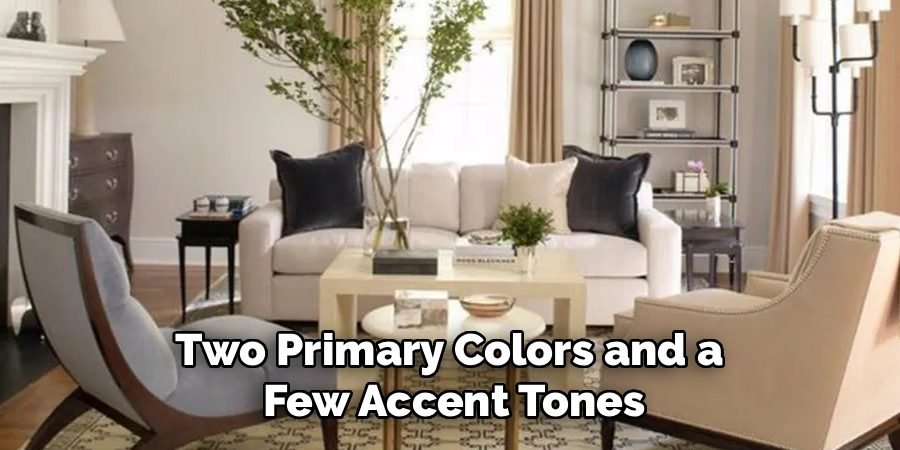
This visual thread prevents the space from looking like a garage sale and instead makes it feel like a thoughtfully curated collection. When you learn how to mix and match patio furniture, color is your most powerful tool for creating harmony amidst variety.
Step 2: Vary Your Materials for Visual Interest
One of the most effective ways to avoid the “catalog look” is to deliberately mix materials. A space filled entirely with metal can feel cold and industrial, while a deck covered solely in wood might look heavy and rustic. Aim for a balanced combination of textures to create depth and warmth.
You might pair a heavy concrete dining table with lightweight, woven rattan chairs to create a pleasing contrast in visual weight. Alternatively, combining sleek aluminum frames with plush, upholstered seating adds a touch of softness to a modern aesthetic.
The interplay between hard and soft, natural and industrial, keeps the eye moving and adds a layer of sophistication. This textural variety ensures that your outdoor space feels dynamic and lived-in, rather than flat and one-dimensional.
Step 3: Maintain Consistent Scale and Proportion
While you are encouraged to play with style and material, you must be disciplined about scale. Mixing furniture of vastly different sizes is the quickest way to make a layout feel awkward and disjointed. A delicate, bistro-style iron chair will look comical next to an overstuffed, deep-seating sofa.

When selecting pieces, pay close attention to the seat height and overall bulk of the items. Ensure that everyone seated at a conversation area is at roughly the same eye level to facilitate comfortable interaction. If you are mixing a loveseat with lounge chairs, check that the back heights and seat depths are comparable.
Keeping the scale consistent allows the different styles to communicate with each other comfortably, ensuring the physical function of the space is just as successful as the aesthetic appeal.
Step 4: Use a Rug to Anchor the Space
When you have a collection of varied furniture pieces, they can sometimes feel like they are floating aimlessly on your deck or patio. An outdoor rug serves as a powerful grounding element that physically and visually connects these separate items.
It creates a defined zone, signaling that these mismatched chairs and tables form a cohesive group. Choose a rug that incorporates colors from your established palette or introduces a pattern that complements the solid fabrics on your furniture.
The rug acts as a stage for your furniture arrangement, providing a neutral backdrop that allows the differences in your pieces to shine without clashing. It is a simple addition that instantly makes an eclectic arrangement feel intentional and finished, bridging the gap between indoor comfort and outdoor durability.
Step 5: Repetition is Key to Cohesion
To prevent your eclectic mix from looking random, employ the design principle of repetition. This involves repeating a specific element—be it a color, a shape, or a material—throughout the space to create a sense of rhythm. If you have round side tables, try to mimic that curve in the shape of your chair backs or the pattern on your throw pillows.

If you introduce a pop of turquoise in a planter, ensure that same turquoise appears in a cushion or a serving tray on the coffee table. This subtle repetition guides the eye around the space and subconsciously signals to the brain that these choices were deliberate.
It reinforces the connection between disparate items, turning a collection of individual pieces into a unified whole that feels harmonious and well-planned.
Step 6: Blend Vintage and Modern Styles
Don’t be afraid to cross time periods when designing your patio. Blending vintage or antique finds with contemporary pieces creates a rich, narrative quality that new furniture alone cannot achieve.
A sleek, modern fire pit can look stunning surrounded by weathered, vintage Adirondack chairs. Similarly, a retro mid-century modern glider can add character to a contemporary, minimalist seating arrangement. The juxtaposition of old and new adds soul and history to your outdoor room.
Just ensure that the pieces share a common design language, such as clean lines or similar leg shapes, to bridge the gap between the eras. This approach allows you to incorporate heirlooms or flea market treasures alongside practical, modern purchases, resulting in a space that feels timeless and deeply personal.
Step 7: Tie Everything Together with Accessories
The final layer of your design is often the most important for unification. Accessories like throw pillows, blankets, lanterns, and potted plants are the ultimate harmonizers. If you have a mismatched dining set with a wood table and metal chairs, placing matching seat cushions on the chairs and a wood centerpiece on the table can bridge the divide.

Use textiles to soften hard edges and introduce patterns that weave your color palette together. Greenery plays a huge role as well; placing similar potted plants around the perimeter can frame the space and create a natural boundary that holds the design together.
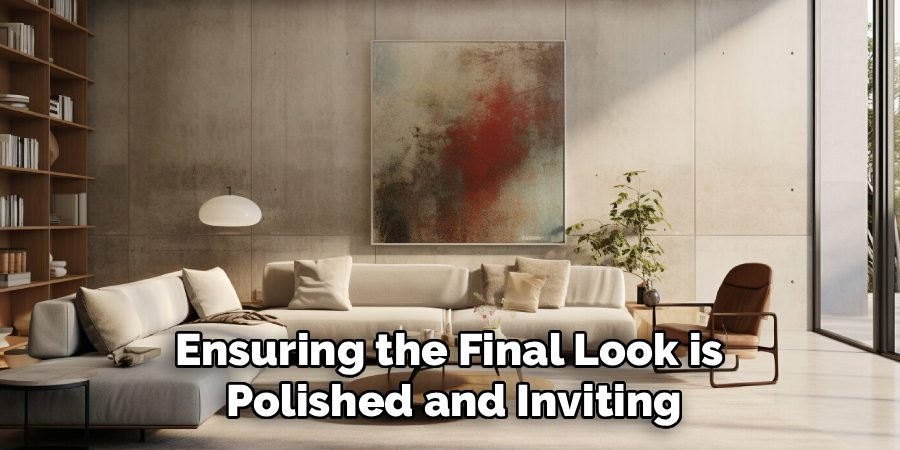
These small touches act as the connective tissue of your design, softening the transitions between different furniture styles and ensuring the final look is polished and inviting.
Frequently Asked Questions (FAQ)
Can I Mix Wicker with Metal Furniture?
Absolutely, mixing wicker and metal is a classic combination that works beautifully.
- Contrast: The weave of the wicker adds warmth and texture, which softens the sleek, industrial feel of metal.
- Balance: Try pairing a metal dining table with wicker armchairs for a look that is both modern and cozy.
- Cohesion: Ensure the metal legs of the wicker chairs match the finish of the table (e.g., black matte) to tie the look together.
How Many Different Colors Should I Use?
It is generally best to stick to the “60-30-10” rule to avoid a chaotic look.
- 60% Dominant Color: This is usually a neutral shade for your largest pieces (sofas, decking).
- 30% Secondary Color: This could be the material color, like wood or black metal.
- 10% Accent Color: Use a bold pop of color for pillows, rugs, and accessories.
Limiting yourself to three main colors keeps the space feeling organized and intentional.
Is It Okay to Mix Wood Tones?
Yes, you can mix wood tones, but it requires a careful eye.
- Undertones: Try to match the undertones of the woods (warm/reddish vs. cool/ashy) rather than the exact shade.
- Separation: If the tones are very different, try to separate them with a rug or cushions so they aren’t touching directly.
- Weathering: Remember that outdoor wood turns grey over time; eventually, teak and acacia might look very similar regardless of their starting color.
What If My Furniture Is Different Heights?
Significant height differences can make a seating area feel disjointed and uncomfortable.
- Seat Height: The most critical measurement is seat height; try to keep all seats within 1-2 inches of each other so guests are on the same level.
- Back Height: Varying back heights is fine and can add visual interest, as long as the seat heights align.
- Tables: Ensure your coffee table is lower than the seat cushions and dining tables are compatible with chair arm heights.
How Do I Start if I Already Have a Set?
If you already own a matching set but want an eclectic look, you don’t have to throw it out.
- Break It Up: Move two chairs to a different area of the yard and replace them with a bench or different chairs in a contrasting material.
- Swap the Table: Keep the chairs and replace just the table with something vintage or concrete.
- Accessorize: Heavily accessorize with mismatched pillows and throws to hide the uniformity of the frames.
Conclusion
Creating a mixed-and-matched patio is a journey of creativity that allows you to break free from the constraints of traditional design rules. It is about trusting your eye and finding the balance between variety and harmony.
By establishing a strong color palette, playing with textures, and using accessories to bridge the gaps, you can build a space that is as unique as you are. This approach not only saves you money by allowing you to incorporate pieces you already own but also results in a backyard that feels curated and luxurious.
Don’t be afraid to experiment; move chairs around, swap out cushions, and try new combinations until it clicks. Now that you understand the principles of how to mix and match patio furniture, you are ready to transform your outdoor area into a stylish, inviting retreat that celebrates individual expression and relaxed living.

About
Jovie Mathews is a backyard and outdoor expert writer with over 12 years of hands-on experience transforming neglected outdoor spaces into thriving gardens and functional retreats. Raised in a family where weekends meant digging in the soil and building raised beds from scratch, Jovie developed a genuine love for the outdoors long before it became a career.
She writes with a practical, no-fluff approach — always testing ideas in her own backyard before sharing them with readers. From composting systems and native plant selection to patio design and pest control, Jovie covers the full spectrum of backyard life with equal parts expertise and enthusiasm.
Education
B.Sc. in Horticulture Science
University of Florida (UF) · Gainesville, FL · 2014
IFAS College of Agricultural and Life Sciences
Minor in Environmental Studies
University of Florida (UF) · Gainesville, FL · 2014
College of Liberal Arts and Sciences
Areas of expertise
- Lawn & Garden Care
- Soil prep, planting, seasonal care
- Outdoor DIY Projects
- Raised beds, fencing, pathways
- Composting & Soil Health
- Organic methods, amendments
- Native Plants & Wildlife
- Pollinators, habitat gardening
When she is not writing, Jovie can be found testing new composting techniques, growing tomatoes in questionable quantities, or convincing her neighbors that clover lawns are actually a great idea. She currently gardens in the Pacific Northwest.