

Raising backyard poultry is a rewarding extension of your home garden, providing fresh eggs and natural pest control. However, nothing dampens the joy of keeping a flock quite like discovering an infestation of external parasites. These tiny pests cause stress, anemia, and a significant drop in egg production. Learning how to prevent mites in chickens is an essential skill for every beginner to master before a small issue becomes a coop-wide crisis.
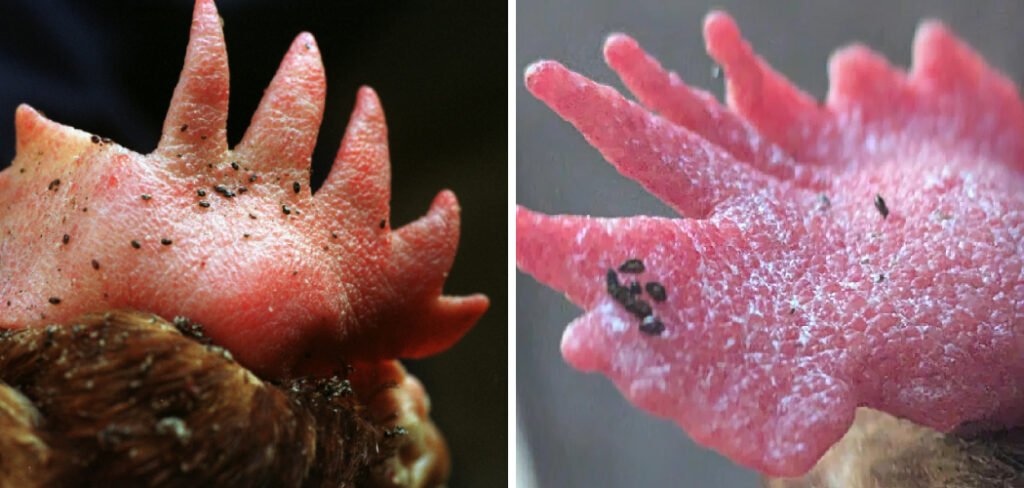
Prevention is far easier than trying to eradicate an established colony of red mites or northern fowl mites. By establishing a routine that makes your coop inhospitable to pests, you protect your birds’ health and happiness. This guide breaks down the process into manageable actions, ensuring your feathered friends remain comfortable and thriving throughout the year.
Why Knowing How to Prevent Mites in Chickens Matters
Understanding the importance of proactive parasite management is the first step toward a healthy flock. Mites are not just a nuisance; they are blood-sucking parasites that can severely impact the vitality of your birds. When a chicken is infested, its energy is diverted from laying eggs and growing feathers to simply surviving the stress and blood loss. In severe cases, particularly with young chicks or smaller breeds, untreated infestations can lead to death.
Furthermore, mites reproduce at an alarming rate. A few pests can turn into thousands within a week if the conditions are right. By focusing on prevention rather than reaction, you save yourself hours of deep-cleaning labor and expensive medical treatments later. A preventative approach creates a biosecure environment that supports longevity and robust egg laying, seamlessly integrating your poultry care into your daily gardening routine.
7 Step Methods Guide on How to Prevent Mites in Chickens
Step 1: Establish a Regular Inspection Routine
The most effective defense against any pest infestation is early detection. You should physically pick up each hen at least once a week to check for signs of trouble. Part the feathers around the vent area, under the wings, and near the tail base, as these are warm, secluded spots where parasites prefer to hide.
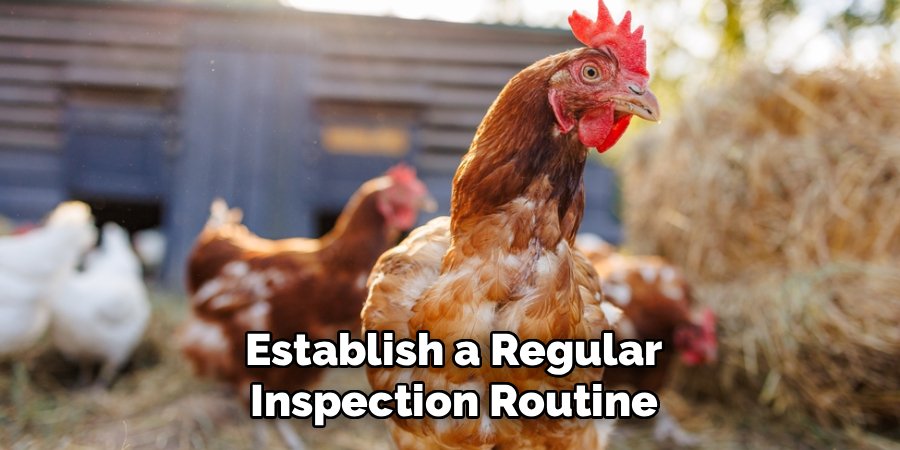
Look for tiny, moving specks that look like red or black pepper, or clumps of eggs attached to the feather shafts. Catching these signs early means you can address the issue immediately before it spreads to the coop walls. Regular handling also makes your birds tamer and easier to manage.
Step 2: Create and Maintain Dust Bathing Areas
Chickens have a natural instinct to bathe, but not in water. They bathe in dry soil to suffocate parasites and clean their feathers. Providing a dedicated dust bath is one of the best natural ways to keep pests at bay. You can dig a pit in the run or use a large container like a kiddie pool or heavy-duty tire. Fill this area with a mixture of dry dirt, construction sand, and plain wood ash from your fireplace. The fine particles clog the breathing pores of insects. Ensuring your flock has constant access to this dry, dusty mix allows them to manage their own hygiene effectively.
Step 3: Implement Strict Coop Cleaning Schedules
Hygiene inside the hen house is non-negotiable when trying to maintain a parasite-free environment. Mites, especially the red mite variety, live in the woodwork of the coop during the day and feed on the birds at night. You must clean out soiled bedding regularly and replace it with fresh, dry material like pine shavings or straw. Damp bedding is a breeding ground for bacteria and pests alike. Once a season, perform a deep clean where you remove everything, scrub the floors, and let the coop air out completely. A clean, dry environment is naturally hostile to most external parasites.
Step 4: Seal Cracks and Crevices in the Coop
Wooden coops are notorious for having tiny gaps between boards where pests love to breed and hide during daylight hours. To limit their housing options, you should seal as many cracks and crevices as possible. Use a bird-safe caulking agent to fill in gaps in the walls, roosts, and nesting boxes.

Alternatively, painting the interior of the coop with a bright white lime wash or a high-gloss paint can seal the wood grain. This not only eliminates hiding spots but also makes it much easier for you to spot how to prevent mites in chickens by making the tiny dark bugs visible against the white walls.
Step 5: Quarantine New Flock Members
Introducing new birds to your established flock is one of the most common ways parasites enter a clean coop. Whether you buy adult hens from a neighbor or pullets from a farm swap, they must be quarantined before meeting your existing chickens. Keep newcomers in a separate cage or coop as far away as possible for at least two weeks. During this time, inspect them closely for lice and mites. Treat them proactively if you have any doubts. This buffer period protects your resident birds from inheriting someone else’s pest problem and gives you peace of mind.
Step 6: Use Diatomaceous Earth Strategically
Food-grade Diatomaceous Earth (DE) is a fine powder made from fossilized aquatic organisms that is often used by organic gardeners. It works by mechanically damaging the exoskeleton of insects, causing them to dehydrate and die. You can sprinkle a light layer of food-grade DE on the floor of the coop beneath the bedding and inside nesting boxes. It is also a great additive to their dust bath area. However, be careful not to create a cloud of dust while applying it, as it can irritate your lungs and the chickens’ respiratory systems. Used wisely, it acts as a residual barrier against invaders.
Step 7: Deter Wild Birds and Rodents
Wild birds like sparrows and starlings are frequent carriers of poultry parasites and will happily share them with your flock if given the chance. Rodents can also introduce pests into the run. To secure your coop, ensure that your chicken run is enclosed with hardware cloth rather than large-hole chicken wire, which small birds can hop through.
Cover feed containers to avoid attracting wildlife. If you feed your chickens kitchen scraps or garden waste, remove what they do not eat before nightfall. By minimizing contact with wildlife, you significantly reduce the vector for introducing new mite populations.
Boost Flock Immunity With Diet
A strong, healthy chicken is naturally more resilient to parasitic attacks than a weak one. While diet alone is not the full answer on how to prevent mites in chickens, it plays a vital supportive role. Feed your flock a high-quality layer pellet and supplement with immune-boosting treats like garlic and apple cider vinegar in their water. Some keepers believe adding garlic powder to feed changes the taste of the chicken’s blood, making it less appealing to parasites, though this is anecdotal. Regardless, a bird with a robust immune system can withstand the stress of a minor outbreak much better than a malnourished one.
Frequently Asked Questions
What Are the First Signs of a Mite Infestation?
The earliest indicators often involve changes in behavior rather than seeing the bugs themselves. You might notice your chickens preening excessively, shaking their heads, or acting reluctant to enter the coop at night. Physical signs include pale combs and wattles due to anemia, a sudden drop in egg production, or dirty-looking feathers around the vent. If you see blood spots on eggshells, this is a strong indicator that red mites are active in the nesting boxes.
Can Chicken Mites Live on Humans or Other Pets?
Chicken mites are species-specific, meaning they prefer avian hosts to survive and reproduce. While they might bite humans, dogs, or cats, causing temporary itching and irritation, they cannot complete their life cycle on non-bird hosts. They will not infest your home or live on your family permanently. However, if you handle an infested bird, you may feel a crawling sensation or get small red bumps, so it is best to wash your clothes and shower immediately after coop maintenance.
Is Diatomaceous Earth Safe for Chickens to Eat?

Yes, but you must ensure you are using “Food Grade” Diatomaceous Earth. Filter grade or pool grade DE is toxic and should never be used around livestock. Food grade DE is safe for chickens to ingest in small quantities and can even help with internal parasites. However, the primary risk is respiratory irritation. Always apply it low to the ground and avoid creating airborne dust clouds that your chickens could breathe in directly.
How Often Should I Clean My Coop to Prevent Mites?
Routine maintenance is key. You should remove droppings and wet bedding daily or every other day. A full clean-out, where all bedding is removed and replaced, should happen at least once a month depending on the size of your flock and the deep litter method you use. A thorough deep clean and scrub of the entire structure should be done twice a year, typically in spring and fall, to disrupt any potential breeding cycles.
Can I Use Herbs to Repel Mites?
Many gardeners and chicken keepers use strong-smelling herbs as a natural deterrent. Herbs like lavender, mint, lemon balm, and rosemary are disliked by many insects. You can dry these herbs from your garden and mix them into the nesting box bedding. While herbs alone will not cure a full-blown infestation, they contribute to a hostile environment for pests and keep the coop smelling fresh. They are a great supplemental tool alongside cleaning and dust baths.
Conclusion
Keeping your flock parasite-free requires consistency, but the peace of mind is worth the effort. By sealing your coop, maintaining strict hygiene, and providing ample dust bathing opportunities, you create a defense system that keeps your birds safe. Remember that a healthy, stress-free environment is the foundation of a productive backyard flock. Now that you understand how to prevent mites in chickens, you can confidently head out to the garden and implement these steps, ensuring your hens stay happy and your egg basket stays full.

About
Jovie Mathews is a backyard and outdoor expert writer with over 12 years of hands-on experience transforming neglected outdoor spaces into thriving gardens and functional retreats. Raised in a family where weekends meant digging in the soil and building raised beds from scratch, Jovie developed a genuine love for the outdoors long before it became a career.
She writes with a practical, no-fluff approach — always testing ideas in her own backyard before sharing them with readers. From composting systems and native plant selection to patio design and pest control, Jovie covers the full spectrum of backyard life with equal parts expertise and enthusiasm.
Education
B.Sc. in Horticulture Science
University of Florida (UF) · Gainesville, FL · 2014
IFAS College of Agricultural and Life Sciences
Minor in Environmental Studies
University of Florida (UF) · Gainesville, FL · 2014
College of Liberal Arts and Sciences
Areas of expertise
- Lawn & Garden Care
- Soil prep, planting, seasonal care
- Outdoor DIY Projects
- Raised beds, fencing, pathways
- Composting & Soil Health
- Organic methods, amendments
- Native Plants & Wildlife
- Pollinators, habitat gardening
When she is not writing, Jovie can be found testing new composting techniques, growing tomatoes in questionable quantities, or convincing her neighbors that clover lawns are actually a great idea. She currently gardens in the Pacific Northwest.