
There are few things more unnerving for a pond owner than wading into the water for a refreshing swim or some routine maintenance, only to emerge with an unwanted, slimy passenger attached to your leg. Leeches are common inhabitants of freshwater ecosystems, but when their population explodes, they can quickly turn a peaceful backyard oasis into a source of disgust and hesitation.
While most leeches are harmless scavengers that feed on detritus, the blood-sucking varieties are persistent pests that can latch onto fish, pets, and people. Ignoring the problem rarely works, as these hardy creatures reproduce quickly in the muck and debris found at the bottom of many ponds. Fortunately, you do not have to drain your water feature or resort to harsh chemicals immediately. With a strategic approach involving habitat modification, trapping, and biological controls, you can significantly reduce their numbers. This guide will teach you how to remove leeches from a pond, restoring the balance of your aquatic environment so you can enjoy your water feature without fear of these clingy intruders.
7 Step-by-Step Guide on How to Remove Leeches from a Pond
Step 1: Remove Muck and Debris
The first and most critical step in controlling a leech infestation is to attack their habitat directly. Leeches thrive in the organic sludge, decaying leaves, and sediment that accumulate on the bottom of a pond. This muck provides them with shelter from predators and a breeding ground for their young. You must physically remove this debris to make the environment less hospitable.
Use a pond vacuum or a long-handled net to dredge up the sludge and decaying plant matter from the bottom. For larger ponds, you may need to use a muck-reducing bacteria treatment regularly. By eliminating this layer of detritus, you strip away their primary hiding spots and breeding grounds, which is a fundamental aspect of learning how to remove leeches from a pond effectively.
Step 2: Manually Trap the Adult Leeches
While habitat reduction works over the long term, you need an immediate solution to lower the current population. Building a simple, homemade leech trap is a highly effective, chemical-free method. Take a coffee can or a similar plastic container and punch small burr holes from the inside out using a nail; the rough edges on the inside prevent the leeches from escaping once they enter.
Place raw meat, such as liver or kidney, inside the container as bait. Sink the trap in the shallow, muck-filled areas where leeches congregate. Check the trap daily, dispose of the captured leeches far away from the water, and reset the bait. This method requires patience but can remove hundreds of pests over a few weeks.
Step 3: Introduce Natural Predators like Fish
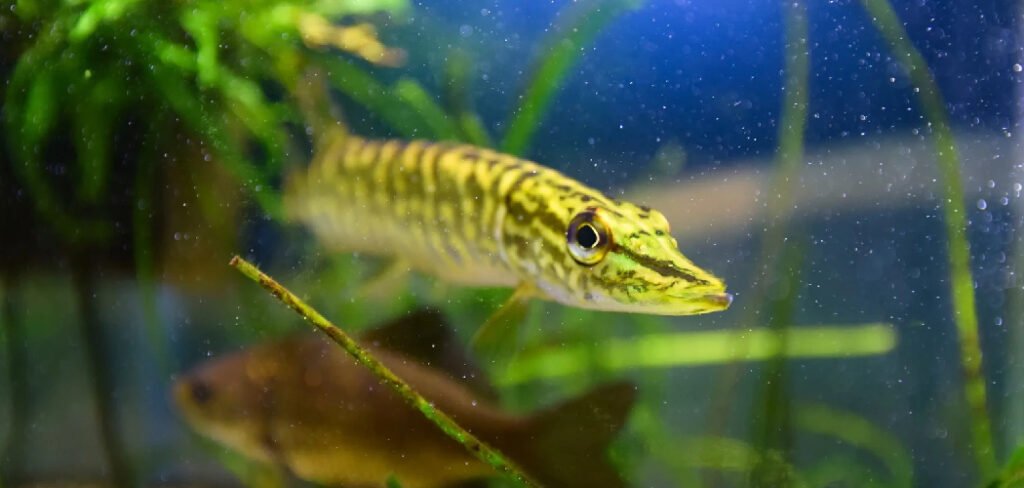
Biological control is one of the most sustainable ways to manage pest populations in an aquatic ecosystem. Certain species of fish are voracious predators of leeches and will happily do the work for you. Bass and redear sunfish (often called shellcrackers) are particularly known for feeding on leeches and other invertebrates.
Introducing these fish into your pond creates a natural food chain that keeps the leech population in check. However, you must ensure that your pond is large enough and has the right conditions to support these fish species. Before stocking, consult with a local fishery expert to determine the best predator fish for your specific climate and pond size, ensuring a balanced ecosystem rather than creating a new problem.
Step 4: Control Aquatic Weed Growth
Aquatic vegetation creates a perfect nursery for leeches, offering them protection from fish and the sun. While plants are necessary for a healthy pond, an overgrowth of weeds like cattails, water lilies, or submerged grasses can exacerbate a leech problem. You need to manage this vegetation aggressively. Manually pull out excess weeds, especially those growing in shallow water where leeches are most active. You can also use a weed rake or aquatic herbicide if the infestation is severe, though mechanical removal is safer for the overall ecosystem. By reducing the density of the plant life, you expose the leeches to predators and sunlight, making it much harder for them to survive and reproduce in large numbers.
Step 5: Pond using Ducks
If your location allows for it, introducing domestic ducks can be an incredibly effective and entertaining solution. Waterfowl, particularly breeds like Mallards or Muscovy ducks, are natural foragers that love to snack on leeches, snails, and aquatic insects. As they paddle through the water, they actively hunt for these pests. However, this method requires a balance; too many ducks can contribute to the muck layer with their waste, potentially fueling the habitat problem you are trying to solve. A pair of ducks visiting temporarily or a small, managed flock can significantly reduce the leech population without the need for traps or chemicals. Just be sure to protect the ducks from local predators.
Step 6: Use Leech-Specific Traps and Baits
For those who prefer a commercial solution over DIY cans, there are specifically designed leech traps available on the market. These often feature funnel-shaped entry points that make it easy for leeches to enter but nearly impossible for them to exit. When using these traps, the choice of bait is crucial. While raw meat works, some pond owners have found success using specialized leech bait pastes or even beef heart, which holds up better in water than liver. Place multiple traps around the perimeter of the pond, focusing on areas with heavy vegetation or sediment. Rotate the location of the traps every few days to target different colonies and maximize your catch rate.
Step 7: Adjust the Water Level Temporarily
Leeches prefer shallow, warm water, especially along the shoreline where they lay their eggs in the mud. If you have the ability to control your pond’s water level, a temporary drawdown can be a powerful tool. By lowering the water level during the colder months or a dry spell, you expose the shallow, muck-filled banks to freezing temperatures or desiccation. This harsh change in environment kills the leeches and destroys their eggs before they can hatch. This technique mimics the natural seasonal droughts that control pests in wild ecosystems. Be careful to monitor the remaining water depth to ensure any fish or desirable wildlife have enough space to survive the drawdown period safely.
Frequently Asked Questions (FAQ)
Are All Leeches in My Pond Dangerous?
No, the vast majority of leech species are detritivores or scavengers that feed on decomposing organic matter, snails, or insect larvae. Only a small percentage are the hematophagous (blood-sucking) variety that attach to humans or pets. While they are all unsightly and can indicate poor water quality or excess muck, most will not harm you. However, since it is difficult for the average person to distinguish between species, it is best to reduce the overall population if they become a nuisance.
Will Adding Salt to the Pond Kill Leeches?
Technically, salt kills leeches by drying them out, which is why people use salt on a leech attached to skin. However, salting an entire pond is not recommended. To reach a salinity level high enough to kill leeches, you would effectively destroy your freshwater ecosystem, killing your plants, fish, and beneficial bacteria. This would turn your pond into a brackish dead zone. Salt should only be used in very small, controlled dips for treating individual fish, never for treating the whole pond volume.
How Long Does It Take to Get Rid of Leeches?
Eradicating leeches is rarely an overnight process. It typically takes a combination of methods over the course of a full season to see a significant reduction. Trapping provides immediate results but only catches adults. Habitat modification, like muck removal and weed control, takes weeks or months to impact the breeding cycle. You should view leech control as an ongoing management project rather than a one-time fix. Consistency with trapping and cleaning is the key to long-term success.
Can I Swim in a Pond with Leeches?
Yes, you can swim, but it might be unpleasant. Leeches are not known to transmit human diseases, so a bite is generally just a nuisance rather than a medical emergency. To minimize the risk, avoid wading in shallow, mucky areas or standing still in weeds, as these are leech hotspots. Swimming in deeper, open water reduces the likelihood of an encounter. Wearing water shoes and checking your legs immediately after exiting the water helps prevent them from latching on firmly.
Do Pond Dyes Help with Leeches?
Pond dyes can help indirectly. By blocking sunlight penetration, dyes reduce the growth of submerged aquatic weeds and algae. Since weeds provide shelter and breeding grounds for leeches, reducing weed growth limits their habitat. Furthermore, cooler water at the bottom (due to less sunlight) can slow down their metabolism and reproduction rates. While dye alone won’t kill existing leeches, it is a useful preventative tool when combined with muck removal and trapping.
Conclusion
Reclaiming your pond from a leech infestation requires patience, persistence, and a multi-faceted approach. You cannot simply wish them away; you must alter the environment that allowed them to thrive in the first place. By focusing on removing the muck and weeds that serve as their home, you strike at the root of the problem.
Combining this habitat management with active measures like trapping and introducing natural predators creates a comprehensive defense strategy. Remember that a healthy pond is a balanced ecosystem, and total eradication might be impossible, but control is absolutely achievable. With these eight steps on how to remove leeches from a pond, you now have the knowledge to turn the tide, transforming your murky, leech-filled waters back into the clean, inviting sanctuary you deserve.

About
Jovie Mathews is a backyard and outdoor expert writer with over 12 years of hands-on experience transforming neglected outdoor spaces into thriving gardens and functional retreats. Raised in a family where weekends meant digging in the soil and building raised beds from scratch, Jovie developed a genuine love for the outdoors long before it became a career.
She writes with a practical, no-fluff approach — always testing ideas in her own backyard before sharing them with readers. From composting systems and native plant selection to patio design and pest control, Jovie covers the full spectrum of backyard life with equal parts expertise and enthusiasm.
Education
B.Sc. in Horticulture Science
University of Florida (UF) · Gainesville, FL · 2014
IFAS College of Agricultural and Life Sciences
Minor in Environmental Studies
University of Florida (UF) · Gainesville, FL · 2014
College of Liberal Arts and Sciences
Areas of expertise
- Lawn & Garden Care
- Soil prep, planting, seasonal care
- Outdoor DIY Projects
- Raised beds, fencing, pathways
- Composting & Soil Health
- Organic methods, amendments
- Native Plants & Wildlife
- Pollinators, habitat gardening
When she is not writing, Jovie can be found testing new composting techniques, growing tomatoes in questionable quantities, or convincing her neighbors that clover lawns are actually a great idea. She currently gardens in the Pacific Northwest.