

Dealing with a broody hen can be one of the most frustrating challenges for a backyard flock owner. One day, your favorite hen is happily foraging for bugs, and the next, she is puffed up, growling, and refusing to leave the nesting box. While her maternal instincts are natural, they stop egg production entirely and can lead to serious health issues if she neglects eating and drinking.
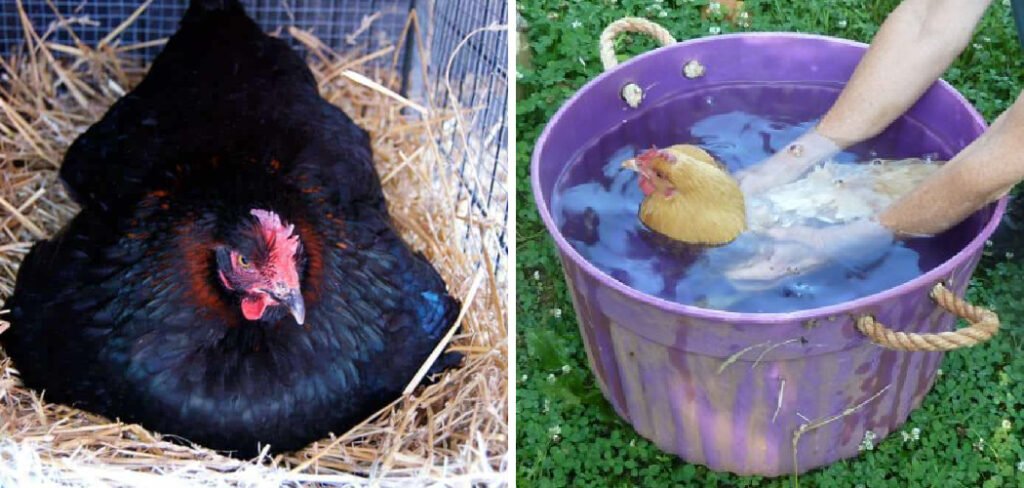
Breaking this hormonal trance is crucial for her well-being and your breakfast supply. It requires patience, consistency, and the right techniques to encourage her to rejoin the flock. In this guide, we will walk you through exactly how to stop broody chickens safely and humanely, ensuring your hens get back to their happy, egg-laying selves without unnecessary stress.
Why Understanding How to Stop Broody Chickens Matters
Broodiness is a hormonal state where a hen’s instinct to sit on a clutch of eggs and hatch chicks takes over her entire existence. While this is wonderful if you actually want baby chicks, it is a significant problem for owners who are strictly keeping chickens for eggs. A broody hen stops laying eggs immediately. Furthermore, she will sit on the nest for twenty-three hours a day, leaving only briefly to poop, eat, and drink. This sedentary behavior can lead to significant weight loss, dehydration, and a higher susceptibility to external parasites like mites and lice, which thrive on a warm, stationary bird.
7 Step-by-Step Guide on How to Stop Broody Chickens
Step 1: Remove the Hen from the Nest Regularly
The very first tactic you should employ involves physically removing the hen from her chosen nesting spot multiple times a day. When you find her flattened out like a pancake in the nesting box, gently pick her up and place her as far away from the coop as possible, preferably near the food and water station or out in the run with the other birds. She will almost certainly complain, puff up her feathers, and make angry clucking sounds, but you must be persistent.
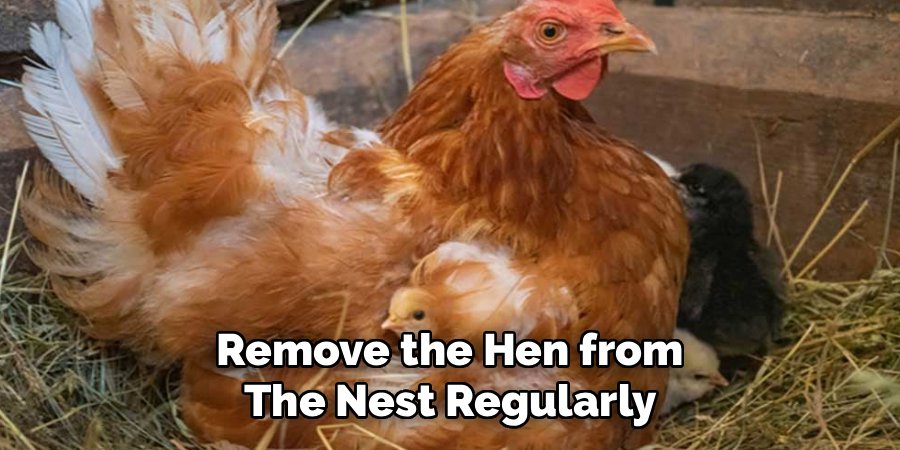
This disruption prevents her from maintaining the consistent body temperature required to incubate eggs. By physically moving her, you are signaling that the nest is not a safe or stable place to brood. You may need to do this half a dozen times a day or more. While it is labor-intensive, catching the behavior early and removing her immediately can sometimes break the hormonal cycle before it fully sets in, saving you from more drastic measures later.
Step 2: Collect Eggs Frequently and Promptly
A visual trigger is often what sends a hen into a broody state, and nothing triggers that instinct quite like a clutch of eggs waiting to be sat on. To combat this, you must be diligent about collecting eggs throughout the day. Do not leave eggs in the nesting boxes for more than a few hours. If a hen enters a box and sees a pile of eggs—whether they are hers or belongs to her flock mates—her biological clock tells her it is time to set.
By removing the eggs as soon as they are laid, you remove the temptation and the biological cue. This applies to fake eggs or golf balls as well; remove anything that resembles an egg. Without a clutch to protect, the hormonal urge to sit may dissipate on its own. This is a preventative step as much as a reactive one, ensuring the environment does not encourage the behavior you are trying to stop.
Step 3: Block Access to the Preferred Nesting Box
If removing the hen does not work and she keeps sprinting back to the same specific box, it is time to deny her access completely. Hens are creatures of habit and often fixate on one specific location that feels safe and dark. You can block off the nesting box using a piece of cardboard, a wooden board, or an overturned bucket. When she returns to the coop and finds she cannot enter her chosen sanctuary, it causes stress and confusion that can help snap her out of the broodiness.
She may pace around or try to find another spot, but the disruption of her routine is the key factor here. While searching for a solution on how to stop broody chickens, many keepers find that simply closing the “bedroom door” forces the hen to re-engage with the outside world. Keep the box blocked for several days until she shows interest in foraging again.
Step 4: Utilize the Frozen Water Bottle Technique
Broodiness is physically characterized by an increase in body temperature, particularly on the underside of the chicken where the breast feathers thin out to warm the eggs. Cooling the bird down can physically signal her body that she is no longer in a state to incubate. A common method is to place frozen water bottles or ice packs wrapped in a towel underneath the sitting hen.
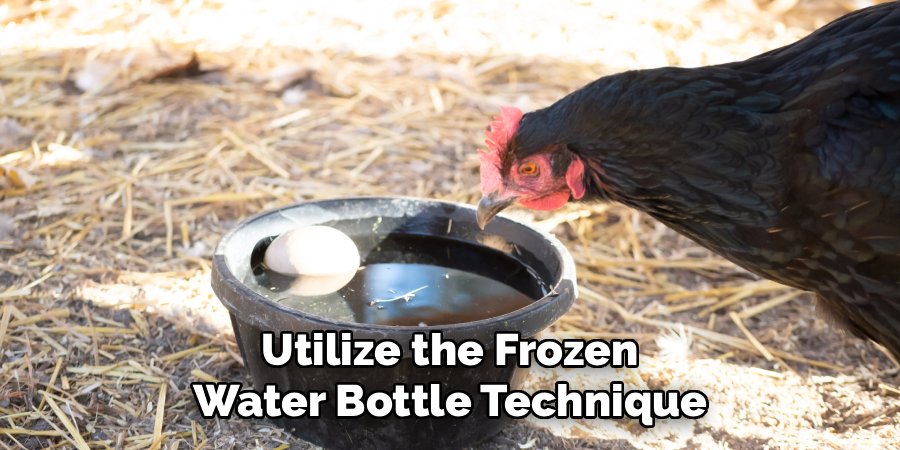
When she settles down onto the nest, the sudden cold against her brood patch is uncomfortable and counterproductive to her goal of warming eggs. She will likely stand up to avoid the cold, breaking her trance-like sitting state. This method attacks the physical mechanism of broodiness directly. While it might seem a bit rude to put ice under a warm bird, it is a safe and non-invasive way to discourage sitting without separating her from the flock entirely.
Step 5: Give the Hen a Cool Water Bath
Taking the cooling concept a step further, many veteran chicken keepers swear by the cool bath method to lower the hen’s body temperature. Fill a shallow tub or basin with cool (not freezing) water, just deep enough to cover her belly and legs but not her head or wings. Gently lower the hen into the water and hold her there for a few minutes. The objective is to cool her underside, specifically the brood patch area. This drop in temperature can shock the system just enough to reset her hormonal levels.
Afterward, dry her off gently so she doesn’t get a chill, especially in cooler weather. This method is often effective because wet feathers are uncomfortable to sit on, and the cooling effect lingers. It acts as a hard reset for her biological thermostat, interrupting the cozy heat generation that sustains the broody behavior.
Step 6: Remove All Bedding Material
A broody hen requires a comfortable, soft, and warm environment to successfully clutch her eggs. If you strip the nesting box of all straw, shavings, or soft bedding, you make the environment inhospitable for brooding. A bare wood or metal floor is unappealing and does not retain the heat necessary for incubation. Without the ability to nestle down and create a cozy depression for the eggs, the hen may realize that this location is unsuitable for raising chicks.
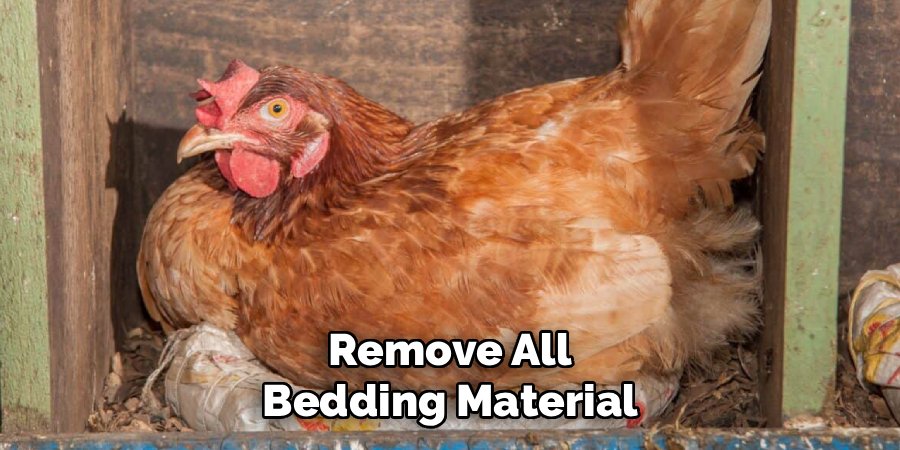
This tactic works well in conjunction with blocking the nest or frequent removal. By making the nesting area stark and utilitarian, you reduce the comfort factor significantly. The hen is looking for a nursery, and if you present her with a hard, cold floor, she is less likely to settle in for the long haul of a twenty-one-day incubation period.
Step 7: Use a Wire Broody Coop or Cage
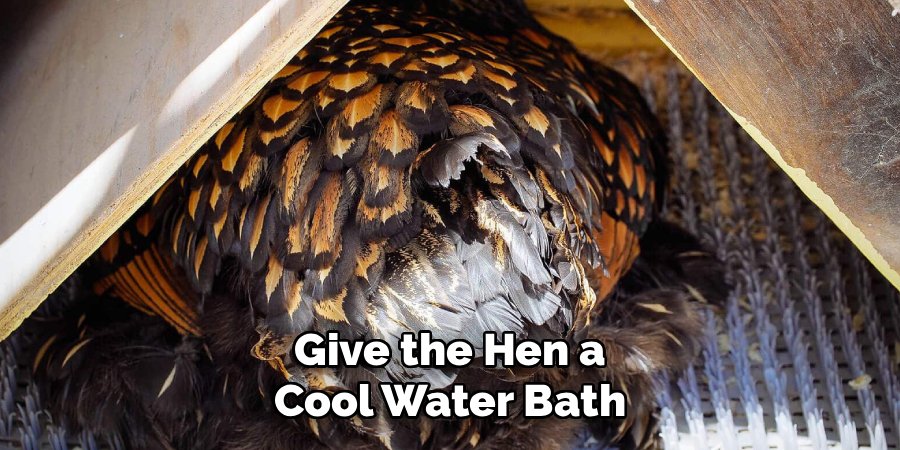
When the milder methods fail, the most reliable and effective solution for how to stop broody chickens is the “broody jail” or isolation cage. This involves placing the hen in a wire-bottomed dog crate or bird cage that is elevated off the ground with bricks or blocks. The cage should have food and water but absolutely no bedding. The wire bottom allows cool air to circulate underneath her belly, cooling her brood patch and preventing her from generating the heat needed to sit.
Because she cannot nestle into bedding and her underside is constantly cooled by the air, her hormones will eventually reset. She should stay in this cage for about three days and nights. It sounds harsh, but it is the kindest way to break a severe case of broodiness quickly, preventing the long-term health decline associated with prolonged sitting.
Reintegrate and Monitor for Relapse
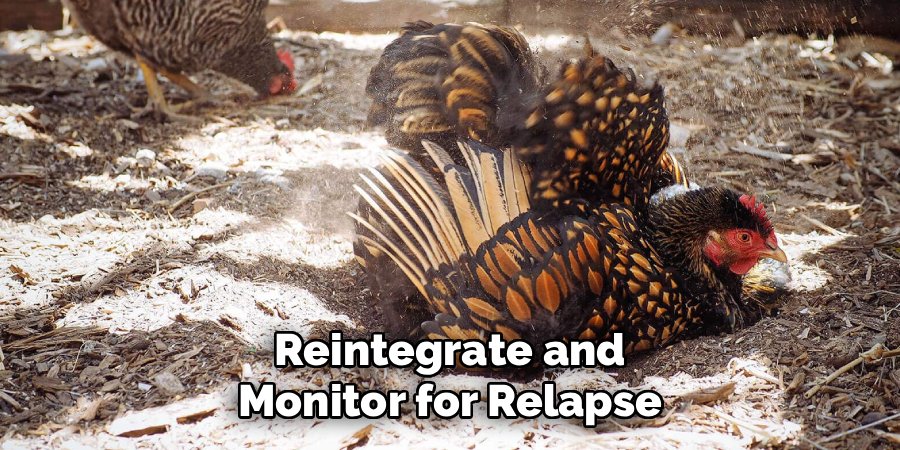
After roughly three days in the broody coop, it is time to test if the spell has been broken. Release the hen back into the flock, preferably in the morning so you can watch her behavior throughout the day. If she immediately runs back to the nesting box and puffs up, she is not cured and needs another stint in the cage. However, if she begins scratching the ground, eating with the other hens, and ignoring the coop, you have succeeded.
Reintegration is a critical step; you must ensure the other chickens accept her back without too much bullying, as pecking orders can shift when a bird is isolated. Keep a close eye on her for the next week, as recidivism is common. Breaking the cycle fully ensures she returns to laying eggs and maintains a healthy weight, restoring harmony to your backyard coop.
Frequently Asked Questions
What Are The Signs of a Broody Hen?
The most obvious signs include the hen refusing to leave the nesting box, puffing up her feathers to look large, and making a unique growling or clicking sound when approached. You may also notice she has plucked feathers from her breast (brood patch) and pecks aggressively at your hand if you try to gather eggs. She will stop laying eggs and only leave the nest once a day.
How Long Does a Hen Stay Broody?
Left to her own devices, a hen will remain broody for approximately twenty-one days, which is the time it takes to hatch fertilized eggs. However, if there are no eggs to hatch, she can remain in this hormonal state for much longer, sometimes weeks or even months. This prolonged period is dangerous for her health, making it vital to intervene and break the cycle artificially.
Can Certain Breeds Become Broody More Often?
Yes, certain chicken breeds are genetically predisposed to broodiness. Breeds like Silkies, Cochins, Orpingtons, and Australorps are famous for their strong maternal instincts and go broody frequently. Conversely, breeds developed specifically for high egg production, such as Leghorns, Rhode Island Reds, or ISA Browns, rarely go broody because that trait has been largely bred out of them to maximize commercial efficiency.
Is It Harmful to Let a Hen Stay Broody?
Yes, it can be very harmful if she is not actually hatching eggs. Broody hens eat and drink significantly less, losing a lot of body weight and condition. They are also prone to external parasites because they do not dust bathe. If she sits on an empty nest for weeks, she risks starvation and dehydration without the reward of chicks, making it a pointless drain on her vitality.
Will a Broody Hen Start Laying Eggs Again?
Once the broody cycle is successfully broken, the hen will eventually start laying eggs again, but it is not immediate. It typically takes about seven to ten days for her hormones to rebalance and her body to recover from the stress of brooding. Once she is back to a healthy weight and normal behavior, egg production should resume as normal.
Conclusion
Managing a broody hen is a rite of passage for every backyard chicken keeper. While it can be annoying to lose egg production and deal with a grumpy bird, understanding the biology behind the behavior makes it easier to handle. By recognizing the signs early and applying the appropriate steps—from simple removal to the wire cage method—you can protect your hen’s health and get your flock back on track.
Remember, consistency is key; giving up halfway through will only prolong the issue. Mastering how to stop broody chickens ensures your flock remains productive, healthy, and happy, allowing you to enjoy the rewards of chicken keeping without the drama of an obstinate, non-laying hen.

About
Jovie Mathews is a backyard and outdoor expert writer with over 12 years of hands-on experience transforming neglected outdoor spaces into thriving gardens and functional retreats. Raised in a family where weekends meant digging in the soil and building raised beds from scratch, Jovie developed a genuine love for the outdoors long before it became a career.
She writes with a practical, no-fluff approach — always testing ideas in her own backyard before sharing them with readers. From composting systems and native plant selection to patio design and pest control, Jovie covers the full spectrum of backyard life with equal parts expertise and enthusiasm.
Education
B.Sc. in Horticulture Science
University of Florida (UF) · Gainesville, FL · 2014
IFAS College of Agricultural and Life Sciences
Minor in Environmental Studies
University of Florida (UF) · Gainesville, FL · 2014
College of Liberal Arts and Sciences
Areas of expertise
- Lawn & Garden Care
- Soil prep, planting, seasonal care
- Outdoor DIY Projects
- Raised beds, fencing, pathways
- Composting & Soil Health
- Organic methods, amendments
- Native Plants & Wildlife
- Pollinators, habitat gardening
When she is not writing, Jovie can be found testing new composting techniques, growing tomatoes in questionable quantities, or convincing her neighbors that clover lawns are actually a great idea. She currently gardens in the Pacific Northwest.