
A patio should be a clean, inviting space for relaxing and entertaining, but nature often has other plans. After a damp winter or a rainy season, you might notice a slick, green film appearing on your pavers or concrete. This unsightly layer is typically a combination of algae and moss, which thrives in damp, shady conditions.
Not only does it make your patio look neglected, but it also creates a significant slip hazard. While cleaning the green stuff off is a good first step, the real victory lies in preventing it from returning. This guide focuses on proactive measures, moving beyond temporary fixes to address the root causes of the problem. We will show you exactly how to stop patio going green, ensuring your outdoor space remains beautiful, safe, and ready for enjoyment all year long.
A green patio can be a frustrating problem, creeping back time and again if not handled properly. The good news is that with the right approach, it’s possible to prevent this nuisance altogether. By understanding the causes of this issue, such as moisture build-up and lack of sunlight, you can take steps to maintain a clean and slip-free outdoor area. This guide will empower you with simple, effective strategies to keep your patio looking its best for the long term.
7 Step-by-Step Guide on How to Stop Patio Going Green
Step 1: Improve Sunlight and Air Circulation
Algae and moss are simple plants that flourish in darkness and moisture. Their biggest natural enemy is direct sunlight, which dries them out and inhibits their growth. The most impactful long-term strategy is to increase the amount of light and air that reaches your patio surface.
Take a look at the surrounding area and identify what is casting shadows. Trim back overhanging tree branches, prune overgrown shrubs, and move any large planters or furniture that create persistently shady spots. Improving air circulation by clearing dense vegetation around the patio perimeter will also help the surface dry more quickly after rain, making the environment much less hospitable for green growth to take hold.
Step 2: Ensure Proper Drainage
Standing water is a welcome mat for algae. If your patio has low spots where puddles form after it rains, you are creating a perfect breeding ground. Addressing these drainage issues is fundamental. For concrete patios, you may need to use a self-leveling compound to fill in dips.
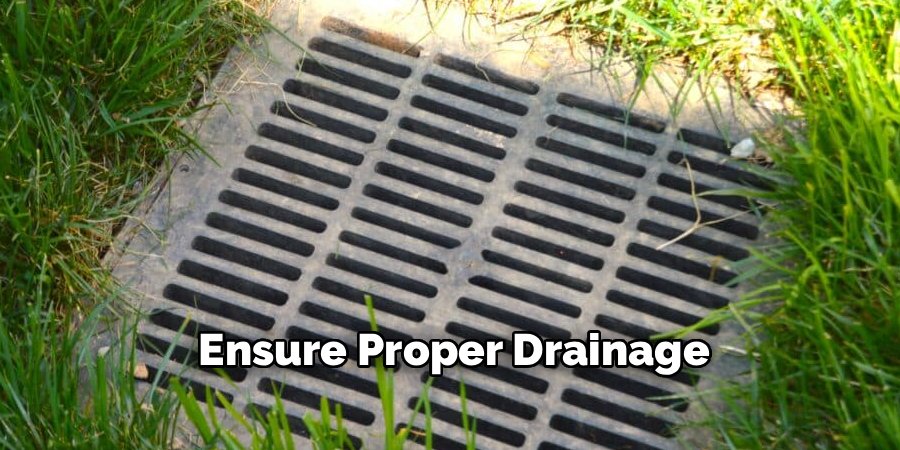
For paver patios, this could mean lifting the sunken pavers, adding more base material underneath, and re-leveling them to create a gentle slope away from your house. Also, ensure your gutters and downspouts are functioning correctly and directing water away from the patio, not onto it. A dry patio is a clean patio, and good drainage is your first line of defense.
Step 3: Regular Sweeping and Debris Removal
It might sound overly simple, but one of the most effective habits you can adopt is regular sweeping. Fallen leaves, dirt, and other organic debris hold moisture and provide a food source for algae and moss spores. When this material is left to sit on your patio, it creates a damp, nutrient-rich layer that accelerates green growth.
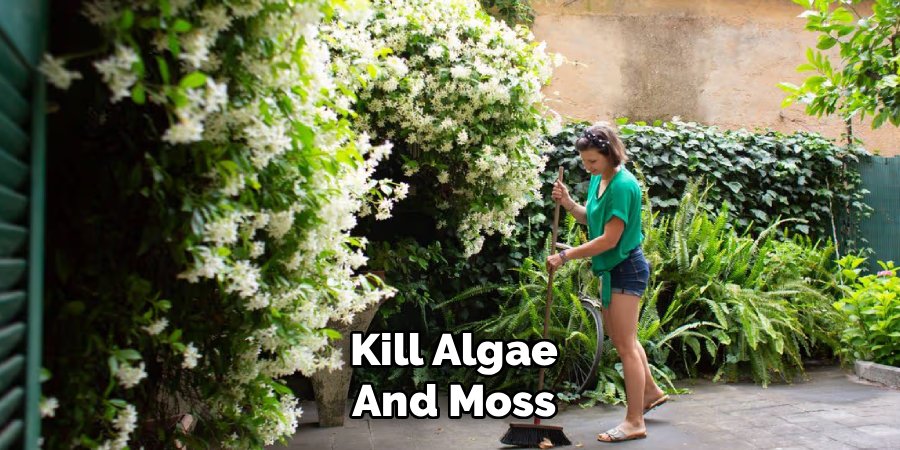
Make it a routine to sweep your patio with a stiff-bristled broom at least once a week, and more often in the fall. A quick sweep prevents the buildup that these unwanted guests need to establish themselves, keeping the surface clean and dry. This simple maintenance is a core part of learning how to stop patio going green effectively.
Step 4: Reseal the Patio Surface
Most patio materials, like natural stone and concrete pavers, are porous. This means they can absorb and hold water, which is exactly what algae and moss need to survive. Applying a quality patio sealer fills these microscopic pores, creating a non-porous, water-repellent surface.
A sealed patio sheds water more effectively, dries faster, and provides a less accommodating texture for spores to cling to. Look for a breathable, matte-finish sealer designed for your specific patio material. You will typically need to reapply it every two to three years, but this protective barrier makes cleaning easier and is one of the most powerful preventative measures you can take.
Step 5: Refill Joints with Polymeric Sand
The gaps between your patio pavers are prime real estate for moss and algae. These crevices trap moisture, dirt, and spores, providing a sheltered place for growth to begin. If your joints are filled with regular sand or have become empty over time, you should refill them with polymeric sand.
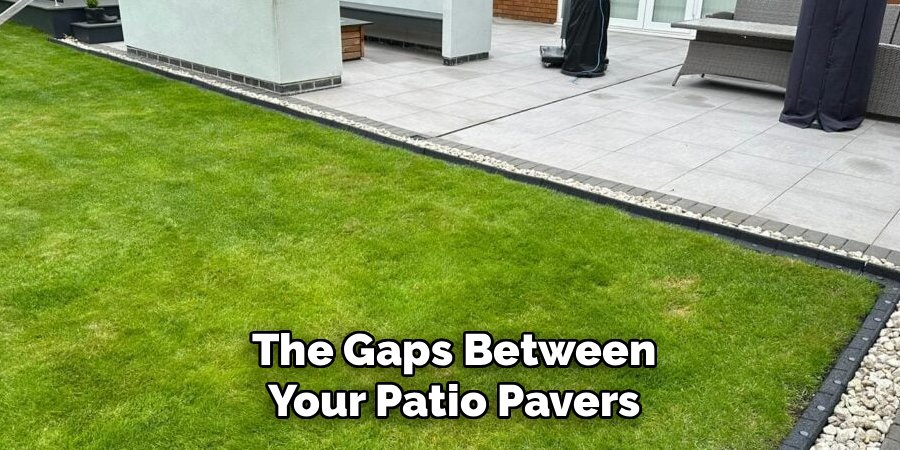
This special type of sand contains a polymer that, when mixed with water, hardens to form a firm yet flexible joint. This solid barrier effectively locks out weeds, moss, and algae. Ensuring your joints are properly filled and maintained is a crucial technique for anyone looking to master how to stop patio going green.
Step 6: Apply a Preventative Moss
For patios that are particularly prone to going green due to their location, applying a preventative treatment can be a game-changer. There are many commercial “patio cleaner” or “moss preventer” sprays available that create an invisible, long-lasting barrier that inhibits biological growth.
These are best applied to a clean, dry patio in the spring or fall. For a more natural approach, you can lightly sprinkle baking soda into the paver joints or spray the area with a highly diluted zinc sulfate solution. These treatments alter the surface pH, making it inhospitable for algae and moss spores to germinate.
Step 7: Conduct a Biannual Deep Clean
Even with the best preventative measures, some dirt and grime are inevitable. Committing to a deep clean twice a year—once in the spring and once in the fall—can clear away any early-stage growth before it becomes a major problem. Use a stiff brush and a simple cleaning solution, such as a mixture of water and vinegar or a specialized patio cleaning product.
Give the entire surface a thorough scrubbing and a powerful rinse. This regular reset removes the microscopic organic film that acts as a foothold for algae and moss, ensuring that your preventative efforts are not undermined by a slow buildup of dirt over time.
Benefits of Polymeric Sand
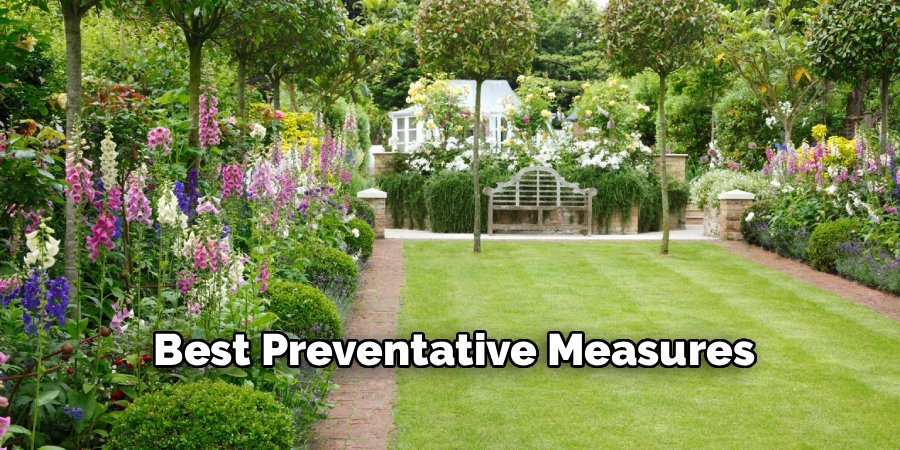
Polymeric sand offers numerous benefits for maintaining the longevity and appearance of your patio or walkway. Unlike regular sand, polymeric sand contains binding agents that harden when exposed to water, creating a solid, stable joint between pavers. This helps to prevent weed growth and deters insects from burrowing into the gaps.
Additionally, the hardened surface resists erosion from rain and wind, ensuring the sand stays in place over time. Polymeric sand also provides a clean and polished look, enhancing the overall aesthetic of your outdoor space while reducing maintenance needs. By choosing polymeric sand, you invest in both functionality and beauty for your hardscape.
Frequently Asked Questions (FAQ)
What Is the Green Stuff Growing on My Patio?
The green growth on your patio is almost always a combination of algae and moss.
- Algae: A single-celled organism that appears as a thin, slimy green or black film. It thrives in damp, shaded areas and is the primary cause of slipperiness.
- Moss: A more complex, non-vascular plant that forms a thicker, velvety, or carpet-like mat, especially in the joints between pavers.
Does Salt Stop Patios from Going Green?
Yes, regular table salt or rock salt will kill moss and algae by dehydrating them. However, it is not a recommended long-term solution. Salt can be corrosive to some types of stone, can damage the mortar in joints, and the runoff is harmful to surrounding lawns, plants, and local wildlife. It is better to use products specifically designed for patios or safer alternatives like vinegar or baking soda.
How Long Does Patio Sealer Last?
The longevity of a patio sealer depends on the type of product used and the amount of foot traffic and weather exposure your patio receives. Generally, a good quality water-based or solvent-based sealer will last between 2 to 5 years. You will know it is time to reseal when water no longer beads up on the surface and starts to soak in again. Regular maintenance and cleaning can help extend the life of the sealant.
Is It Better to Clean a Patio with a Pressure Washer or a Brush?
A brush is often the safer and more effective choice for a deep clean. A pressure washer can be great for quick rinsing, but if the pressure is too high or the nozzle is too narrow, it can easily damage the surface of pavers, strip out jointing sand, and force water into the paver base. A stiff brush combined with a cleaning solution allows you to scrub away the growth without harming the integrity of your patio.
Can I Use Bleach to Keep My Patio from Turning Green?
While bleach is an effective biocide that will kill algae and moss, it is not a good choice for prevention or regular cleaning. Bleach is a harsh chemical that can discolor many types of paving stones and is highly toxic to plants, grass, and aquatic life. The risks to your garden and the local environment far outweigh the benefits, especially when so many safer and equally effective alternatives are available.
Conclusion
A beautiful, clean patio is the result of proactive care, not reactive panic. While cleaning up a green mess is a necessary chore, the real goal is to create an environment where algae and moss simply cannot get a foothold. By improving sunlight and drainage, maintaining clean surfaces, and using protective barriers like sealers and polymeric sand, you can shift the odds overwhelmingly in your favor. This integrated approach saves you from the annual cycle of heavy scrubbing and restores your peace of mind. Now that you have a clear strategy on how to stop patio going green, you can implement these steps and ensure your outdoor space remains a safe, beautiful, and inviting retreat for years to come.

About
Jovie Mathews is a backyard and outdoor expert writer with over 12 years of hands-on experience transforming neglected outdoor spaces into thriving gardens and functional retreats. Raised in a family where weekends meant digging in the soil and building raised beds from scratch, Jovie developed a genuine love for the outdoors long before it became a career.
She writes with a practical, no-fluff approach — always testing ideas in her own backyard before sharing them with readers. From composting systems and native plant selection to patio design and pest control, Jovie covers the full spectrum of backyard life with equal parts expertise and enthusiasm.
Education
B.Sc. in Horticulture Science
University of Florida (UF) · Gainesville, FL · 2014
IFAS College of Agricultural and Life Sciences
Minor in Environmental Studies
University of Florida (UF) · Gainesville, FL · 2014
College of Liberal Arts and Sciences
Areas of expertise
- Lawn & Garden Care
- Soil prep, planting, seasonal care
- Outdoor DIY Projects
- Raised beds, fencing, pathways
- Composting & Soil Health
- Organic methods, amendments
- Native Plants & Wildlife
- Pollinators, habitat gardening
When she is not writing, Jovie can be found testing new composting techniques, growing tomatoes in questionable quantities, or convincing her neighbors that clover lawns are actually a great idea. She currently gardens in the Pacific Northwest.