

Welcoming goats into your homestead or garden is a rewarding experience. Whether you’re aiming to breed them for milk, meat, or simply to grow your herd, understanding their reproductive cycle is essential. For many new goat owners, one of the biggest learning curves is figuring out their unique communication and behaviors. Learning how to tell if your goat is in heat is a crucial skill that unlocks successful breeding and herd management.
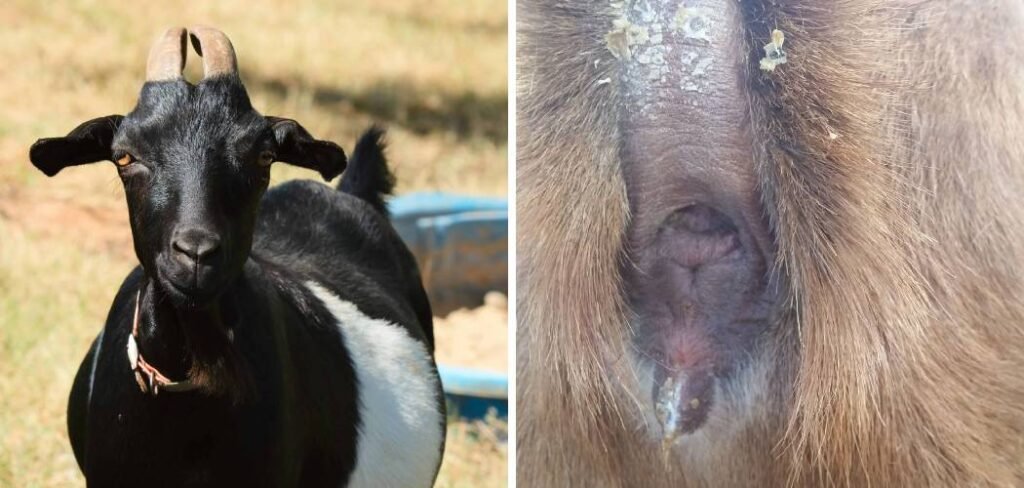
This period, known as estrus, is the only time a female goat (doe) is receptive to a male (buck) for breeding. This guide is designed to walk you through the key signs, from subtle shifts in behavior to more obvious physical changes. By paying close attention to your doe, you can confidently identify her cycle and plan accordingly.
Understanding the Goat Estrous Cycle
Before diving into the specific signs of heat, it helps to understand the “why.” A goat’s reproductive cycle, or estrous cycle, is the recurring period of physiological changes that prepares her for breeding. For most goat breeds, this cycle is seasonal, typically occurring from late summer through late winter. This is why you often hear about kids being born in the spring.
The cycle lasts approximately 18 to 24 days, with the “heat” or estrus portion lasting only 12 to 36 hours. This short window is when the doe is fertile and will accept a buck. Knowing this timeframe helps you appreciate why being able to spot the signs of heat promptly is so important for successful breeding. Missing this brief opportunity means waiting another three weeks for the next cycle.
8 Step-by-Step Guide on How to Tell if Your Goat Is in Heat
Step 1: Look for Behavioral Changes
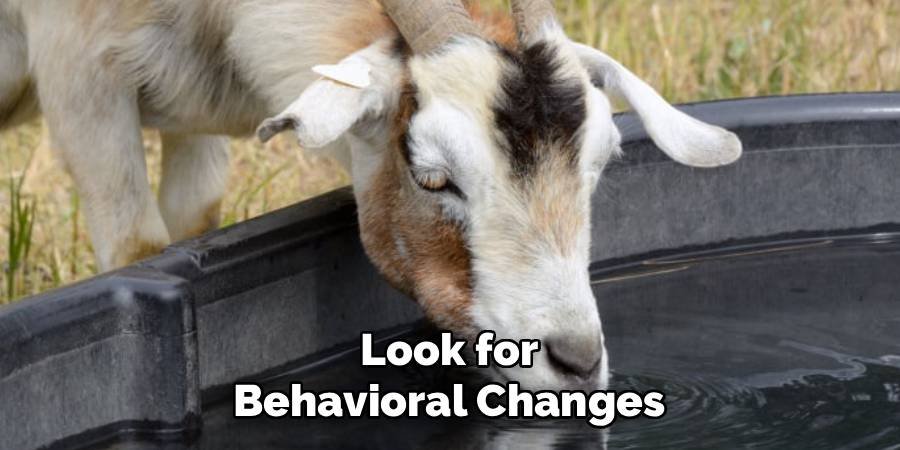
One of the first indicators of estrus is a noticeable shift in your doe’s typical personality. A normally calm and quiet goat might become unusually restless, pacing the fenceline or seeming anxious. She may also become more affectionate toward you or her herd mates, demanding more attention and head scratches than usual. Conversely, a doe who is typically independent may suddenly become clingy. This change in demeanor is caused by hormonal fluctuations and is a strong signal that she is entering her fertile period. Pay close attention to any behavior that seems out of character for her.
Step 2: Listen for Increased Vocalization
Goats are naturally vocal animals, but a doe in heat often takes it to another level. You may notice her bleating much more frequently and loudly than normal. This calling out, or “talking,” is her instinctual way of attracting a buck. Her vocalizations might sound more insistent or distressed, and she may call out throughout the day and even into the night. This is often one of the most obvious signs to new goat owners. If your usually serene doe suddenly sounds like she’s trying to have a conversation with the entire neighborhood, there’s a good chance she is in heat.
Step 3: Observe Tail Flagging
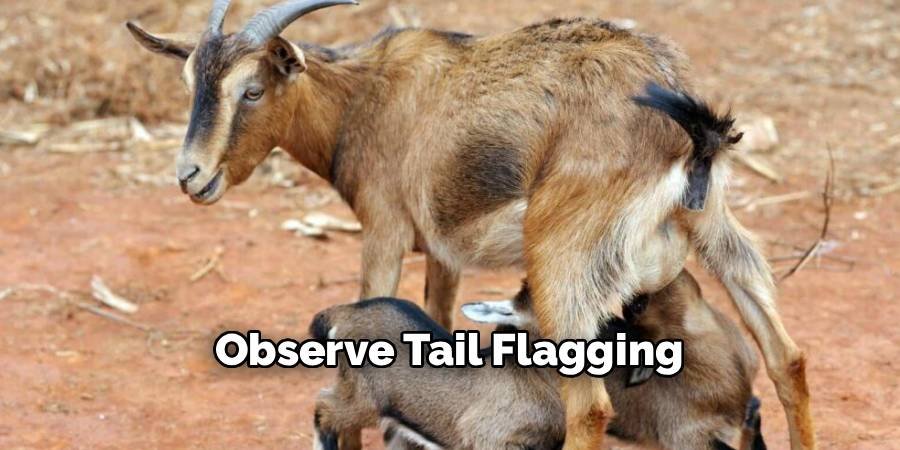
“Flagging” is a classic and reliable sign of estrus in goats. This behavior involves the doe vigorously wagging her tail back and forth, much like a happy dog. She may do this constantly or in short, energetic bursts, especially when another goat or a person is near. This tail wagging is an involuntary response to her hormonal state and serves as a visual signal to any nearby bucks that she is receptive. When you see your doe flagging her tail with excitement, it’s a very strong indicator that she is in the peak of her heat cycle.
Step 4: Check for a Swollen Vulva and Discharge
Physical changes are another key part of how to tell if your goat is in heat. Gently and respectfully inspect your doe’s rear end. You will likely notice that her vulva appears slightly swollen, puffy, and may have a pinker or redder color than usual. You may also see a mucus discharge. Early in the heat cycle, this discharge is typically clear and thin. As she progresses toward peak fertility, it may become thicker, white, and more opaque. After the heat has passed, you might see a blood-tinged discharge, which is also normal.
Step 5: Notice a Decrease in Appetite
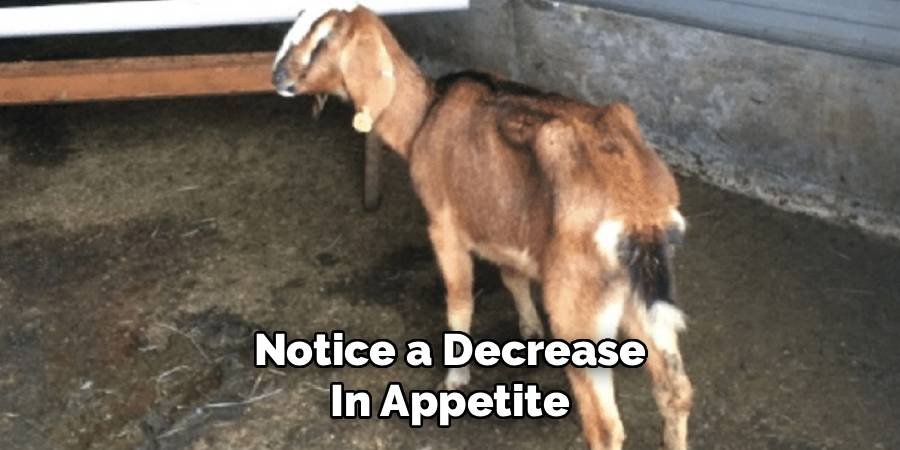
While not every doe will exhibit this sign, a sudden lack of interest in food can be a sign of estrus. A goat that is normally first at the feed trough might seem distracted and eat very little or nothing at all. Her mind is on other things—namely, finding a mate. This decrease in appetite is temporary and her normal eating habits should return once the heat cycle has passed. If the lack of appetite is combined with other signs like flagging and vocalization, it’s a strong clue. However, if it’s the only symptom, monitor her for other signs of illness.
Step 6: Watch for Mounting Behavior
During estrus, hormonal changes can cause your doe to act more like a buck. It is common to see a doe in heat attempting to mount other does in the herd. Likewise, she may also stand still and allow other does to mount her. This behavior is a clear sign of her receptive state. If you have a buck on the property, even in a separate enclosure, she will likely spend a lot of time near his fence, trying to get as close as possible. This interest in the buck is one of the most definitive signs she is ready for breeding.
Step 7: A Change in Urination Habits
A doe in heat may urinate more frequently. Often, she will do this in the presence of a buck, a behavior that releases pheromones to signal her readiness. Some does will even squat and urinate after you scratch their lower back or rump area. This is an involuntary reflex linked to her fertile state. If you have a buck, you may notice him exhibiting the “flehmen response”—curling his upper lip to better smell the pheromones in her urine. This interaction is a clear confirmation that your doe is in standing heat.
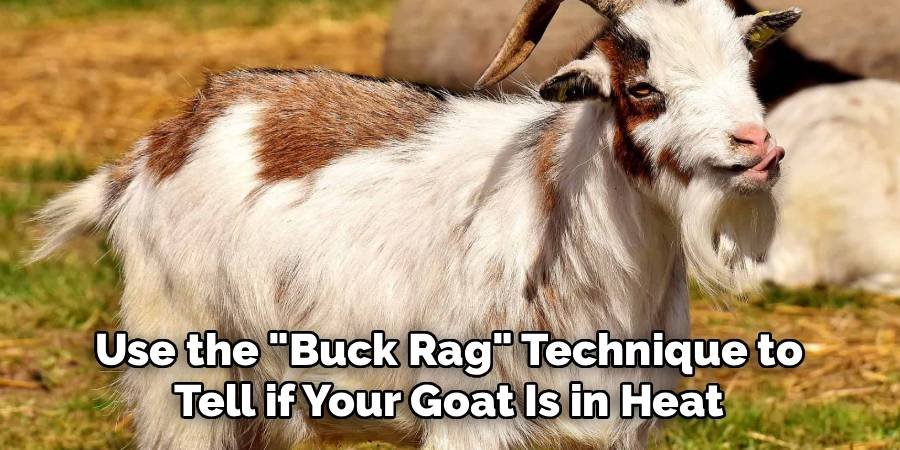
Step 8: Use the “Buck Rag” Technique to Tell if Your Goat Is in Heat
If you do not own a buck, a “buck rag” can be an invaluable tool. This is simply a cloth that has been rubbed on a buck’s head and scent glands to absorb his unique, pungent odor. You can often get one from a fellow goat breeder. When you suspect a doe is in heat, present the rag to her. A doe who is not in heat will likely ignore it or move away. However, a doe in standing heat will show great interest. She may sniff it intently, rub against it, exhibit the flehmen response, or begin flagging her tail excitedly.
Frequently Asked Questions
How Long Does a Goat’s Heat Cycle Last?
A doe’s heat, or estrus, is the short period when she is receptive to breeding. This fertile window typically lasts for 12 to 36 hours. However, the entire estrous cycle repeats approximately every 18 to 24 days for most breeds during their breeding season (late summer to late winter). If a doe is not successfully bred during one heat, she will come back into heat about three weeks later. Knowing this timeline is helpful for planning and observation.
At What Age Do Goats First Go into Heat?
Most female goats, or doelings, will have their first heat cycle between 4 and 12 months of age. This can vary based on:
- Breed: Smaller breeds like Nigerian Dwarfs may mature as early as 4 months.
- Nutrition: Well-fed, healthy doelings tend to cycle earlier.
- Season of Birth: A doeling born in early spring might not cycle until the fall breeding season begins.
It is generally recommended to wait until a doeling is at least 8 months old or has reached about 75-80% of her adult weight before breeding her for the first time.
Can a Goat Be in Heat Without a Buck Present?
Yes, absolutely. A doe’s heat cycle is a natural, hormonal process that occurs regardless of whether a buck is present. The primary difference is how she expresses it. Without a buck, you will observe signs like tail flagging, increased vocalization, restlessness, and possible mounting of other does. The presence of a buck can sometimes intensify these signs and make them more obvious, but she will cycle on her own schedule.
What Is a “Silent Heat”?
A silent heat is when a doe ovulates and is fertile but shows few or no outward signs of estrus. This can be frustrating for breeders because the opportunity is easily missed. Silent heats are more common in young doelings experiencing their first few cycles or in does that are in poor body condition. Sometimes, introducing a buck (or a buck rag) can be enough to stimulate more obvious behavioral signs.
How Soon After Giving Birth Can a Goat Go into Heat?
A doe can return to heat as early as two to three weeks after giving birth (kidding), though four to eight weeks is more typical. This first post-kidding heat is often called a “foal heat.” Whether you should breed her back this quickly depends on your management goals and the doe’s physical condition. Many breeders prefer to give the doe several months to recover, lactate, and regain her body condition before rebreeding.
Conclusion
Successfully breeding goats begins with observation. By learning to recognize the combination of behavioral, vocal, and physical cues, you can master how to tell if your goat is in heat. From listening for more frequent bleating and watching for energetic tail flagging to checking for physical changes, each sign provides a valuable clue. Being attentive to your doe’s unique personality and patterns will make these signs even clearer. With this knowledge, you can confidently identify the brief fertile window, ensure successful breeding, and continue your rewarding journey as a goat owner.

About
Jovie Mathews is a backyard and outdoor expert writer with over 12 years of hands-on experience transforming neglected outdoor spaces into thriving gardens and functional retreats. Raised in a family where weekends meant digging in the soil and building raised beds from scratch, Jovie developed a genuine love for the outdoors long before it became a career.
She writes with a practical, no-fluff approach — always testing ideas in her own backyard before sharing them with readers. From composting systems and native plant selection to patio design and pest control, Jovie covers the full spectrum of backyard life with equal parts expertise and enthusiasm.
Education
B.Sc. in Horticulture Science
University of Florida (UF) · Gainesville, FL · 2014
IFAS College of Agricultural and Life Sciences
Minor in Environmental Studies
University of Florida (UF) · Gainesville, FL · 2014
College of Liberal Arts and Sciences
Areas of expertise
- Lawn & Garden Care
- Soil prep, planting, seasonal care
- Outdoor DIY Projects
- Raised beds, fencing, pathways
- Composting & Soil Health
- Organic methods, amendments
- Native Plants & Wildlife
- Pollinators, habitat gardening
When she is not writing, Jovie can be found testing new composting techniques, growing tomatoes in questionable quantities, or convincing her neighbors that clover lawns are actually a great idea. She currently gardens in the Pacific Northwest.