
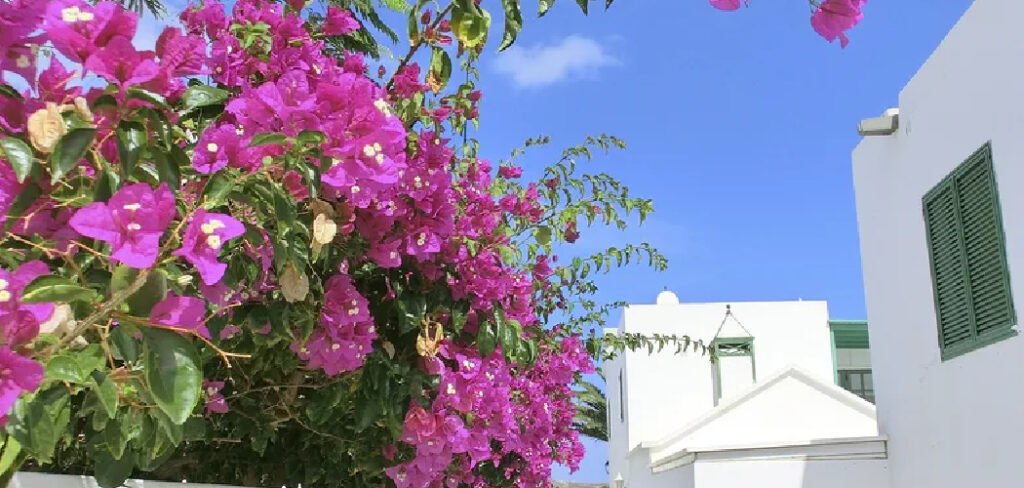
Bougainvillea plants are known for their spectacular, vibrant bracts that bring a burst of color to any garden. These tropical beauties can be grown as shrubs, ground cover, or stunning climbers that adorn walls and trellises. While they may seem unruly, learning how to train bougainvillea is the key to transforming this vigorous plant into a breathtaking feature. This guide will walk you through the essential steps to shape and guide your bougainvillea, ensuring it grows exactly where you want it to. With a bit of patience and the right techniques, you can create a living masterpiece.
Training Your Bougainvillea Matters
Training a bougainvillea is more than just an aesthetic choice; it’s a vital practice for the health and vitality of the plant. These plants are natural scramblers, not true climbers with tendrils or clinging roots. Without guidance, their long, thorny canes will grow in a tangled, chaotic manner, often becoming a messy heap. By training them, you provide the structure they need to grow upwards or outwards in a controlled way. This process improves air circulation through the plant, which helps prevent fungal diseases. It also exposes more of the leaves and bracts to sunlight, encouraging more prolific and vibrant blooms. A well-trained bougainvillea is not only more beautiful but also healthier and easier to manage.
8 Step-by-Step Guide on How to Train Bougainvillea
Step 1: Choose the Right Support Structure
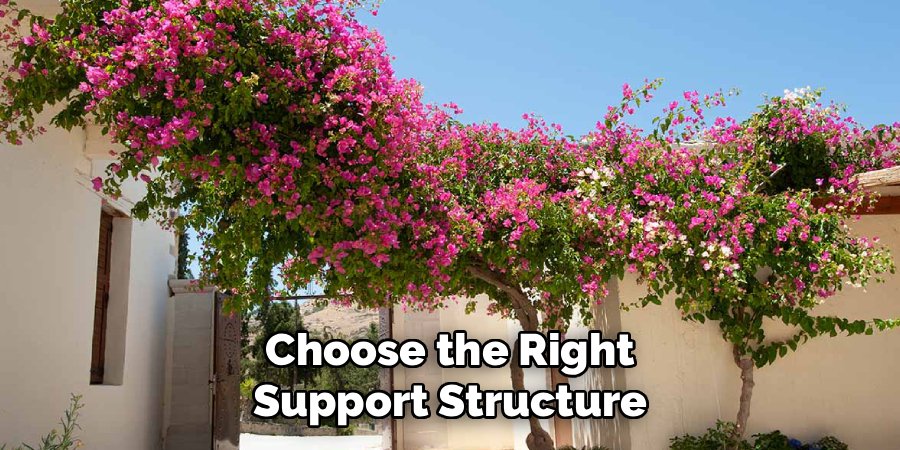
Before you begin training, you must provide your bougainvillea with a sturdy support system. These plants are not self-clinging, so they need something to be tied to. A strong trellis, arbor, or fence made from wood or metal is ideal. Ensure the structure is installed securely before planting or when the plant is still young, as adding it later can damage the root system. The support should be robust enough to handle the weight of a mature bougainvillea, which can become quite heavy over time. Position the structure in a location that receives at least six hours of direct sunlight daily for optimal growth and flowering.
Step 2: Plant at the Correct Distance
Proper placement is crucial for successful training. When planting your bougainvillea, position it close to the base of your chosen support structure, typically within 6 to 12 inches. This proximity makes it easier to guide the young, flexible canes toward the trellis or fence from the very beginning. Dig a hole that is as deep as the root ball and twice as wide, gently placing the plant inside. Be careful not to disturb the roots too much, as bougainvillea has a sensitive root system. Backfill the hole with soil and water thoroughly to help the plant settle in its new home.
Step 3: Select the Main Canes for Training
Once your bougainvillea has had some time to establish and produce new growth, it’s time to select the main canes you will train. Look for the longest, strongest, and healthiest stems. These will form the primary framework of your plant on the support structure. It’s best to choose between three to five main canes to encourage a balanced shape. Using clean, sharp pruning shears, carefully remove any weak, damaged, or overcrowded stems at their base. This initial pruning directs the plant’s energy into the selected canes, promoting vigorous vertical growth and making the training process more manageable.
Step 4: Gently Tie the Canes to the Support
With your main canes selected, you can begin the process of guiding them. Gently bend the flexible young stems and attach them to your trellis or fence. Use soft, stretchable materials like garden twine, plant ties, or strips of fabric to avoid damaging the stems. The thorns on bougainvillea can make this tricky, so wearing thick gardening gloves is highly recommended. Tie the canes loosely, allowing enough space for them to grow thicker without being constricted. As the plant grows, you will need to continue tying new sections of the canes to the support every 12 to 18 inches.
Step 5: Prune Away Unwanted Growth
Regular pruning is a key component of how to train bougainvillea effectively. As your main canes grow along the support, the plant will produce numerous side shoots. It’s important to prune these away to maintain the desired shape and direct energy toward the main framework and flower production.
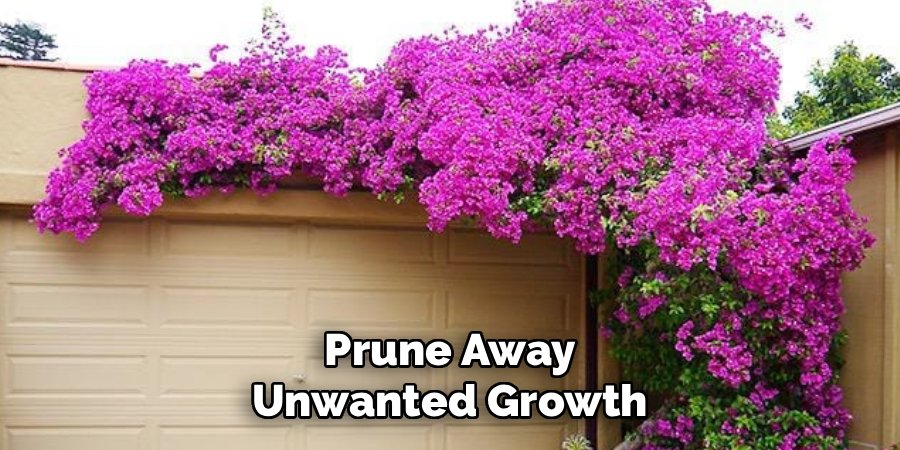
Snip off any shoots that are growing away from the support structure or are making the plant look messy. This “pinching back” encourages the plant to become bushier along the main stems, resulting in a fuller appearance and more abundant blooms along the structure you have created.
Step 6: Encourage Horizontal Growth for Fuller Coverage
To create a lush, full wall of color, you need to encourage horizontal growth in addition to vertical growth. Once your main canes have reached a desired height, you can train some of the stronger side shoots to grow horizontally across the trellis. Gently bend these shoots and tie them to the support, creating a layered, fan-like shape. This technique ensures even coverage and maximizes the display of colorful bracts. Filling in the gaps this way prevents the plant from looking leggy and sparse, turning it into a dense and vibrant feature in your garden landscape.
Step 7: Perform a Hard Pruning After Flowering
After the main blooming cycle has finished, it’s time for a more significant pruning session. This “hard prune” helps manage the plant’s size and encourages fresh growth for the next season. Cut back the main canes by about one-third of their length. You should also remove any dead, diseased, or crossing branches to improve air circulation and overall plant health.
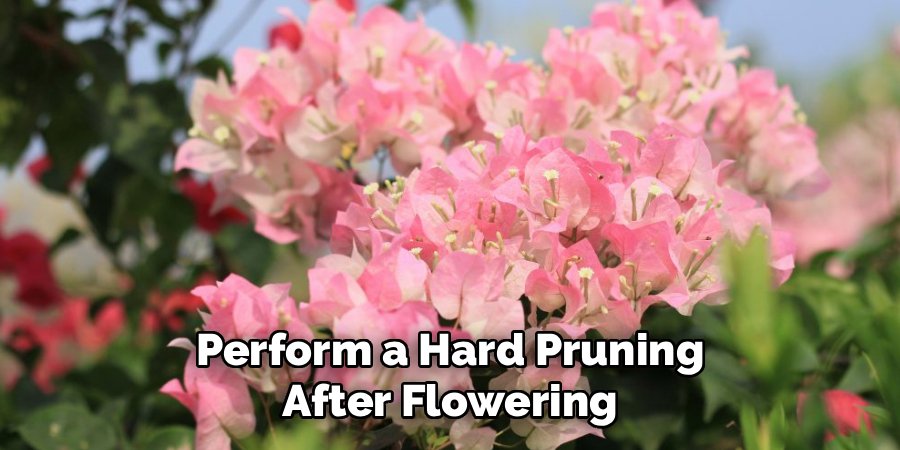
This might seem drastic, but bougainvillea responds very well to hard pruning. It will rejuvenate the plant, leading to a more vigorous and floriferous display in the following year. This is a critical step in long-term maintenance.
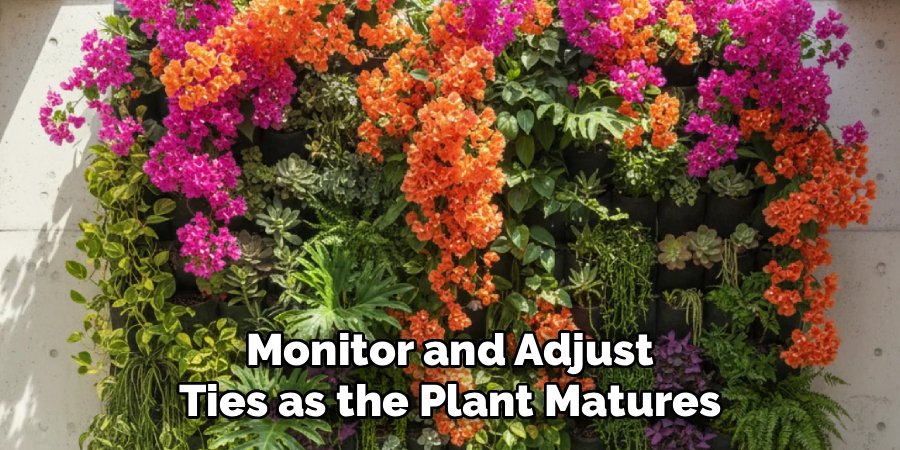
Step 8: Monitor and Adjust Ties as the Plant Matures
As your bougainvillea grows and its stems thicken, it is important to check the ties you’ve used for support. Ties that were once loose can become too tight, potentially girdling the stems and restricting the flow of water and nutrients. Periodically inspect the ties and loosen or replace them as needed. This ongoing maintenance ensures the plant remains securely attached to its support without being damaged. Consistent monitoring is part of the long-term commitment to training your bougainvillea and will help you maintain its beautiful shape and excellent health for years to come.
Frequently Asked Questions
When Is the Best Time to Start Training a Bougainvillea?
The best time to start training a bougainvillea is when it is young and its stems are still green and flexible. This makes it easier to bend and guide them onto a support structure without causing them to snap. You can begin as soon as the plant has produced a few long canes, typically within the first growing season after planting. Starting early establishes a strong framework for future growth.
How Often Should I Prune My Bougainvillea While Training It?
During the training period, light pruning should be done regularly throughout the growing season. This involves snipping off wayward shoots and pinching back tips to encourage bushiness. A major “hard prune” should be done once a year, typically after a major flowering cycle has ended. This helps manage size and rejuvenates the plant for the following season. Consistent pruning is key to maintaining its shape.
Can I Train an Old, Overgrown Bougainvillea?
Yes, you can train an older bougainvillea, but it requires more patience. Start by performing a hard prune to remove tangled, dead, or weak branches and reduce its size. This will encourage new, flexible shoots to emerge from the base. You can then select the most promising new canes and begin tying them to a support structure. It’s a process of rejuvenation that can bring an old plant back to a manageable and beautiful form.
What Is the Best Material to Use for Tying Bougainvillea?
It is best to use soft, stretchable materials that won’t damage the stems as they grow. Excellent options include:
- Flexible plant ties
- Garden twine or jute
- Strips of fabric or old nylon stockings
Avoid using wire or thin plastic ties, as they can cut into the bark and girdle the stems, harming the plant. The goal is to provide support without causing constriction.
Why Is My Trained Bougainvillea Not Blooming?
There are several reasons a bougainvillea might not bloom. The most common cause is insufficient sunlight; they need at least six hours of direct sun daily. Another factor is over-fertilizing, especially with nitrogen, which promotes leaf growth at the expense of flowers. Also, ensure the plant is not overwatered. Bougainvillea blooms best when its soil is allowed to dry out slightly between waterings, as a little stress can trigger flowering.
Conclusion
Mastering how to train bougainvillea is a rewarding endeavor that transforms a potentially unruly plant into a stunning garden showpiece. By providing a sturdy support, selecting the right canes, and using a consistent strategy of tying and pruning, you can guide its growth to create a magnificent wall of color. Remember to be patient, as this process takes time. The effort is well worth it when you see your beautifully shaped bougainvillea covered in vibrant blooms. Now that you have the knowledge, you can confidently shape your plant and enjoy its spectacular display for years.

About
Jovie Mathews is a backyard and outdoor expert writer with over 12 years of hands-on experience transforming neglected outdoor spaces into thriving gardens and functional retreats. Raised in a family where weekends meant digging in the soil and building raised beds from scratch, Jovie developed a genuine love for the outdoors long before it became a career.
She writes with a practical, no-fluff approach — always testing ideas in her own backyard before sharing them with readers. From composting systems and native plant selection to patio design and pest control, Jovie covers the full spectrum of backyard life with equal parts expertise and enthusiasm.
Education
B.Sc. in Horticulture Science
University of Florida (UF) · Gainesville, FL · 2014
IFAS College of Agricultural and Life Sciences
Minor in Environmental Studies
University of Florida (UF) · Gainesville, FL · 2014
College of Liberal Arts and Sciences
Areas of expertise
- Lawn & Garden Care
- Soil prep, planting, seasonal care
- Outdoor DIY Projects
- Raised beds, fencing, pathways
- Composting & Soil Health
- Organic methods, amendments
- Native Plants & Wildlife
- Pollinators, habitat gardening
When she is not writing, Jovie can be found testing new composting techniques, growing tomatoes in questionable quantities, or convincing her neighbors that clover lawns are actually a great idea. She currently gardens in the Pacific Northwest.