
A patio should be a personal sanctuary—a place to unwind with a book, enjoy a quiet morning coffee, or host intimate gatherings. However, close-by neighbors or an open view from the street can make your outdoor space feel more like a public stage. This lack of seclusion can keep you from truly relaxing and enjoying your own backyard.
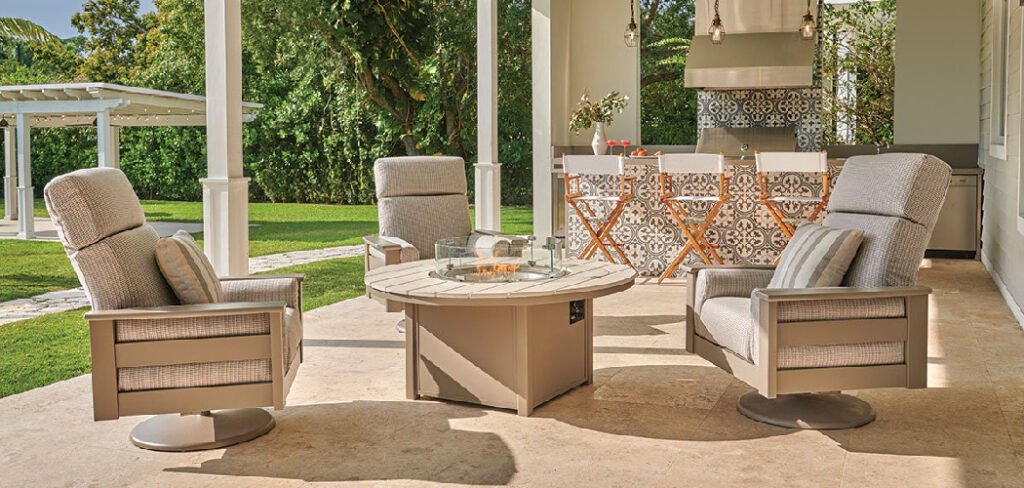
The good news is that you do not need a major construction project or a huge budget to reclaim your space. There are countless stylish and effective solutions, from lush greenery to simple screens, that can transform an exposed area into a cozy and private escape. This guide will provide practical and beginner-friendly ideas, showing you exactly how to create privacy on a patio so you can finally make it the peaceful oasis you have always wanted.
Creating a sense of privacy on your patio doesn’t have to be complicated or expensive. By using creative solutions like plants, outdoor curtains, or strategically placed furniture, you can easily transform your space into a secluded retreat. Whether you’re hosting gatherings or simply unwinding after a long day, adding privacy will make your patio feel more comfortable and inviting. With just a little effort, you can create a relaxing outdoor space that feels like your own personal getaway.
8 Step-by-Step Guide on How to Create Privacy on a Patio
Step 1: Assess Your Privacy Needs
Before you buy anything, take a moment to stand on your patio and look around. Identify the specific sightlines you want to block. Is it a direct view from a neighbor’s second-story window, the street in front of your house, or the yard next door? Pinpointing these problem areas will help you choose the most effective solution.
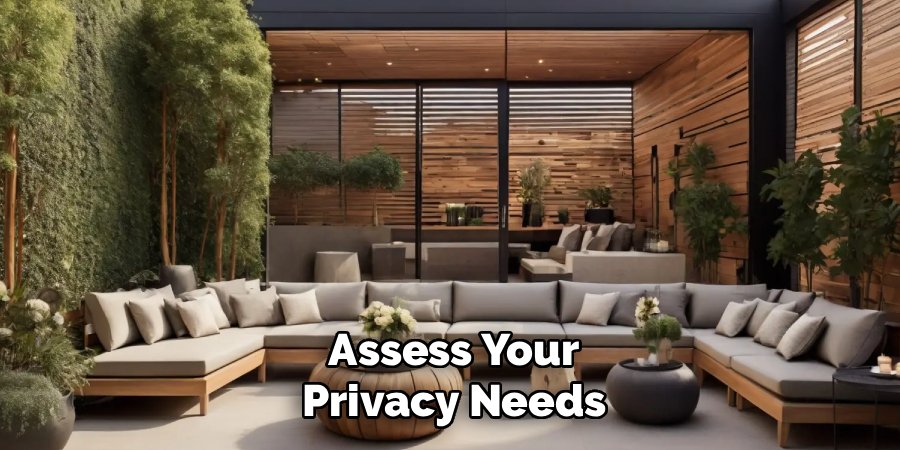
Consider both the height and the width of the visual barrier you will need. You might only need a small screen to block a specific angle, or you may require a full-wall solution for complete seclusion. This initial assessment ensures you invest your time and money wisely, targeting the exact spots that make you feel most exposed.
Step 2: Use Freestanding Screens for Flexible Privacy
One of the quickest and most versatile solutions is to use freestanding privacy screens. These come in a wide variety of materials, including wood, metal, and weather-resistant fabric, allowing you to match them to your existing decor. The beauty of these screens is their flexibility; you can move them around as needed to block the sun or a specific line of sight. They are an excellent option for renters who cannot install permanent structures. Look for foldable, multi-panel screens that are easy to set up and store. This method provides an instant and stylish barrier, giving you seclusion exactly where and when you need it.
Step 3: Plant in Containers
Using plants is a fantastic way to create a living, breathing privacy wall. For patios, large planters and containers are your best friend. Choose tall, fast-growing plants like bamboo, ornamental grasses, or columnar evergreens like arborvitae. Arranging a series of these tall planters along the edge of your patio creates a lush, green screen that not only blocks views but also adds natural beauty and can help dampen sound. This approach is highly customizable—you can move the pots around to change the layout and choose plants that suit your climate and maintenance preferences. It is a beautiful and effective strategy for any homeowner.
Step 4: Install Outdoor Curtains for a Softer Touch
For a touch of elegance and a resort-like feel, consider installing outdoor curtains. If your patio has a pergola, an overhang, or a covered roof, you can easily hang curtain rods and drape weather-resistant fabric. This solution offers adjustable privacy; you can draw the curtains for complete seclusion or tie them back to open up the space.
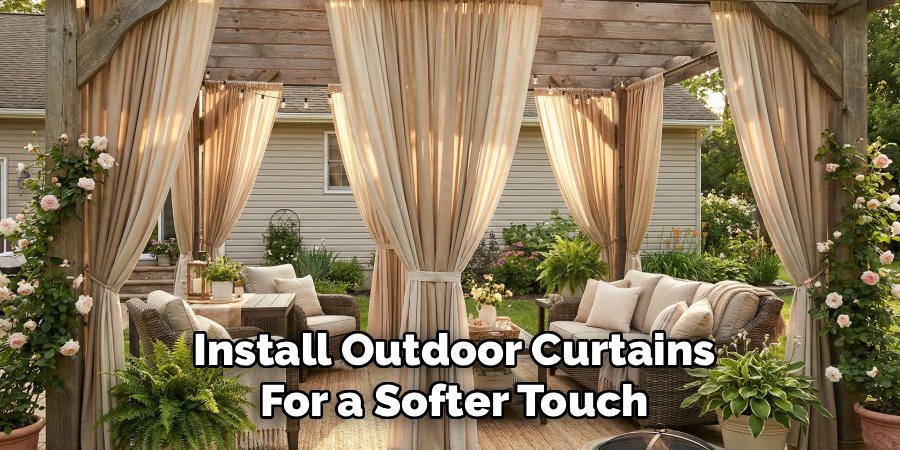
Outdoor curtains soften the look of your patio, add a pop of color, and can provide shade from the sun. Choose fabrics specifically designed for outdoor use, as they are resistant to fading, moisture, and mildew, ensuring they look great all season long.
Step 5: Build a Lattice Wall
A wooden lattice is a classic and affordable way to add privacy while maintaining an open, airy feel. You can purchase pre-made lattice panels from any home improvement store and either mount them to existing posts or build a simple frame for them. While lattice does not provide 100% blockage on its own, it perfectly breaks up sightlines. To enhance the privacy, you can grow climbing plants like jasmine, clematis, or ivy up the structure. Over time, the plants will weave through the grid, creating a dense and beautiful living wall that offers near-total seclusion.
Step 6: Hang a Roller Shade
If your primary concern is privacy from an overhead view, such as a neighbor’s balcony, an outdoor roller shade is an ideal solution. These shades can be mounted to the side of your house or the edge of a pergola. They function just like indoor blinds, allowing you to easily roll them down when you need privacy or shade and retract them when you do not. They come in various materials, from bamboo to durable synthetic fabrics, offering different levels of light filtration. This is an excellent, low-profile option that provides on-demand privacy without taking up any floor space on your patio.
Step 7: Use a Pergola to Define the Space
A pergola is a more substantial investment, but it offers a powerful framework for creating privacy. This open-roofed structure instantly defines your patio as a distinct “room” within your backyard. While the structure itself provides some visual separation, its true potential is realized when you add other elements to it.
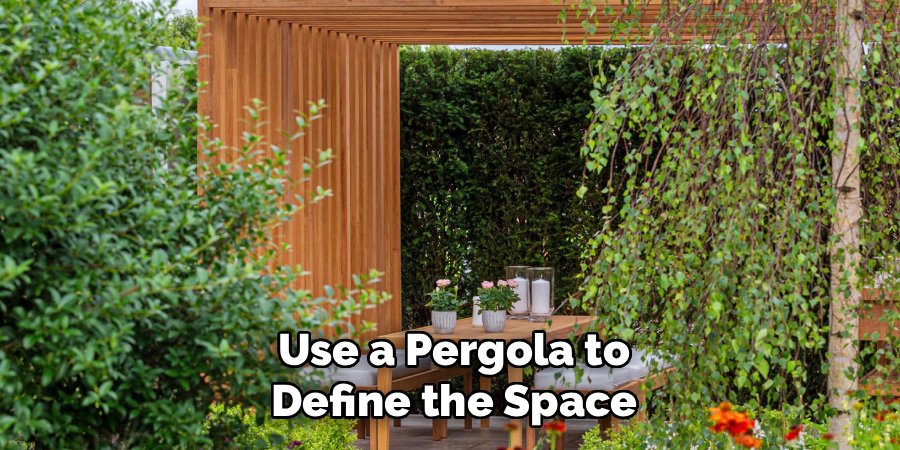
You can hang outdoor curtains from the beams, install lattice panels between the posts, or grow climbing vines over the top and sides. A pergola provides a versatile and attractive foundation for layering multiple privacy solutions, turning your patio into a true outdoor living room.
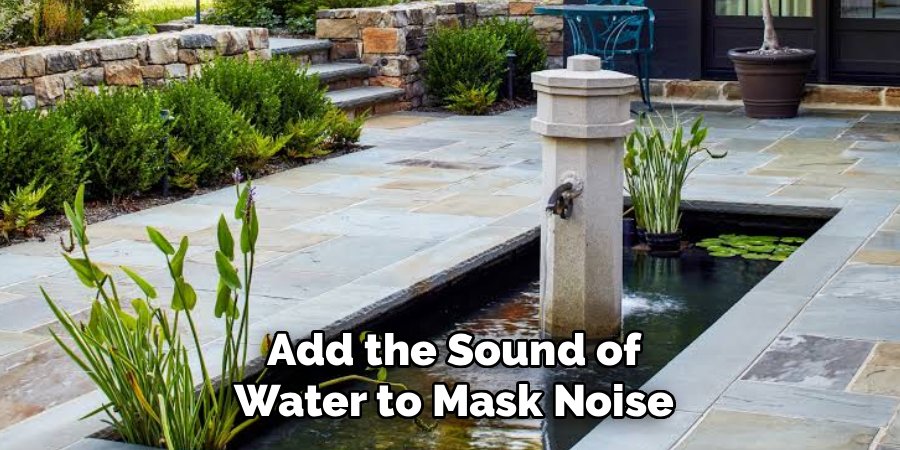
Step 8: Add the Sound of Water to Mask Noise
Visual privacy is important, but so is auditory privacy. The sound of nearby conversations or traffic can be just as intrusive as a neighbor’s gaze. Adding a water feature, such as a small fountain or a waterfall, can work wonders. The gentle, consistent sound of trickling water creates a peaceful ambiance and effectively masks unwanted background noise. This creates a psychological sense of seclusion, making your patio feel more like a private retreat even if you cannot completely block every sound. A self-contained fountain is easy to install and adds a beautiful focal point to your space.
Frequently Asked Questions (FAQ)
What Is the Cheapest Way to Add Privacy to a Patio?
The most budget-friendly options often involve a little DIY.
- DIY Lattice Screens: Purchasing a few lattice panels and creating simple frames is very cost-effective.
- Fast-Growing Plants: Planting tall grasses or bamboo from smaller, less expensive pots and letting them grow can create a living screen for a minimal initial investment.
- Fabric Screens: Stretching weather-resistant fabric between posts is another cheap and easy solution.
What Plants Are Best for Patio Privacy?
For container planting on a patio, you want plants that are tall, dense, and relatively fast-growing. Great choices include clumping bamboo (which is not invasive), arborvitae, ornamental grasses like feather reed grass, and boxwood. If you have a structure for them to climb, vines like clematis, sweet autumn clematis, or jasmine are beautiful options.
How Can I Create Privacy on a Rented Patio?
Renters should focus on non-permanent solutions. Freestanding privacy screens are perfect as they can be moved and taken with you. Large planters with tall plants are also a great option. If your patio has an overhead structure, you can use tension rods to hang outdoor curtains without drilling any holes.
How Do I Block the View from a Second-Story Window?
Blocking a view from above requires a solution with height. A large patio umbrella with a tilting function can be angled to block specific sightlines. A pergola with a retractable canopy or a shade sail stretched over the patio can also provide excellent overhead coverage. Strategically planting a small, ornamental tree in a large container near the edge of the patio can also work well.
How Can I Make My Privacy Screen More Stable in the Wind?
Wind is a major challenge for freestanding screens. To improve stability, you can place heavy planters or sandbags at the base of the screen’s feet. Some screens come with stakes that can be driven into an adjacent lawn or garden bed. If possible, positioning the screen against a wall or securing one end to a fixed post will also greatly increase its resistance to wind.
Conclusion
Creating a private, intimate patio is well within reach for any homeowner or renter. The key is to assess your specific needs and choose solutions that match your budget, style, and the permanence you desire. Whether you opt for the instant coverage of a freestanding screen, the natural beauty of a living wall of plants, or the soft elegance of outdoor curtains, each addition helps reclaim your space. By layering different elements like screens for sightlines and a fountain for sound, you can build a truly secluded retreat. Now that you have several ideas on how to create privacy on a patio, you can confidently move forward and transform your outdoor area into the personal haven you deserve.

About
Jovie Mathews is a backyard and outdoor expert writer with over 12 years of hands-on experience transforming neglected outdoor spaces into thriving gardens and functional retreats. Raised in a family where weekends meant digging in the soil and building raised beds from scratch, Jovie developed a genuine love for the outdoors long before it became a career.
She writes with a practical, no-fluff approach — always testing ideas in her own backyard before sharing them with readers. From composting systems and native plant selection to patio design and pest control, Jovie covers the full spectrum of backyard life with equal parts expertise and enthusiasm.
Education
B.Sc. in Horticulture Science
University of Florida (UF) · Gainesville, FL · 2014
IFAS College of Agricultural and Life Sciences
Minor in Environmental Studies
University of Florida (UF) · Gainesville, FL · 2014
College of Liberal Arts and Sciences
Areas of expertise
- Lawn & Garden Care
- Soil prep, planting, seasonal care
- Outdoor DIY Projects
- Raised beds, fencing, pathways
- Composting & Soil Health
- Organic methods, amendments
- Native Plants & Wildlife
- Pollinators, habitat gardening
When she is not writing, Jovie can be found testing new composting techniques, growing tomatoes in questionable quantities, or convincing her neighbors that clover lawns are actually a great idea. She currently gardens in the Pacific Northwest.