

There’s nothing more frustrating than a beautiful sunny day beckoning from the other side of a patio door that just will not open. Whether you have lost the key, the lock is jammed, or the mechanism has simply failed, being unable to access your own backyard can bring your day to a halt.
While the immediate instinct might be to call a locksmith, many common issues with these locks can be addressed with a little patience and the right technique. Understanding the type of lock you have and the potential points of failure is the first step toward a solution. This guide is designed to provide you with a clear, step-by-step approach, explaining how to open patio door locks and troubleshoot common problems without causing damage.
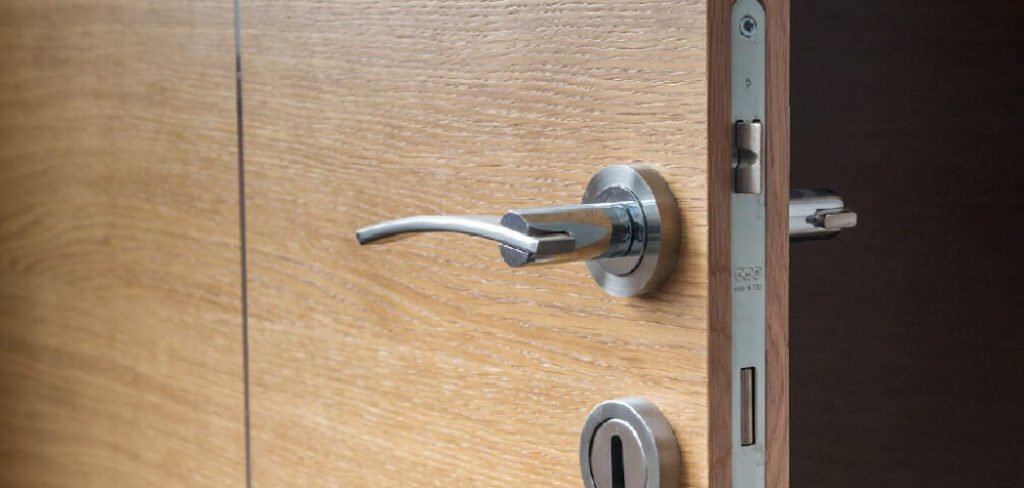
Patio door locks are an essential component of home security, but they can occasionally become a source of frustration when they don’t function as expected. From misaligned latches to debris caught in the mechanism, a variety of issues can prevent these locks from operating smoothly. By understanding the common causes of these problems and learning simple troubleshooting techniques, you can often resolve the issue yourself without requiring professional assistance. This not only saves time and money but also gives you the confidence to handle similar situations in the future.
8 Step-by-Step Guide on How to Open Patio Door Locks
Step 1: Identify the Lock Type
Before you can attempt any solution, you must first understand the mechanism you are working with. Most sliding glass doors use a mortise lock, which is set into the door frame and typically features a hook or latch that engages with a keeper plate on the door jamb. Others might have a simple thumb-turn latch or a keyed cylinder lock.
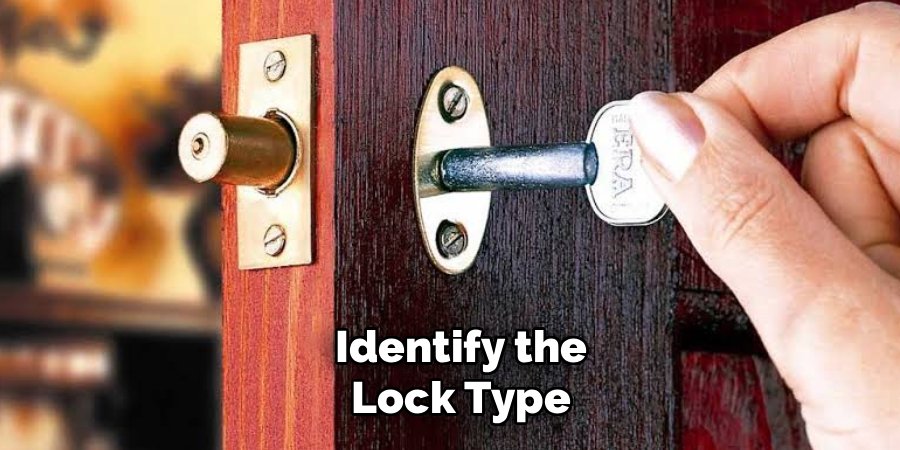
French doors often have a more complex multi-point locking system with bolts that engage at the top, middle, and bottom of the door. Take a close look at your door’s handle and the edge of the door to determine the type of lock. This initial assessment will dictate your approach to solving the problem.
Step 2: Wiggle and Jiggle the Door
Often, a sliding patio door lock will not open because the door is misaligned, causing the latch to bind against the keeper plate. Time and use can cause the rollers at the bottom of the door to wear down or come off their track, leading to this issue. Your first, and often most effective, troubleshooting step is to apply gentle pressure.
While attempting to turn the lock, try lifting up on the door handle to take weight off the rollers. Gently push and pull the door, wiggling it back and forth in its track. This slight movement can often be just enough to relieve the pressure on the latch, allowing it to disengage smoothly.
Step 3: Check for Obstructions
If wiggling the door does not work, the problem might be a physical obstruction. Small pebbles, dirt, and other debris can get lodged in the bottom track of a sliding door, preventing it from aligning correctly and causing the lock to jam.
Visually inspect the track from both the inside and outside. Use a stiff brush or a vacuum cleaner with a crevice tool to thoroughly clean out the entire length of the track. Even a small amount of debris can be enough to throw off the door’s alignment, so a good cleaning is a simple but crucial step in the diagnostic process.
Step 4: Lubricate the Locking Mechanism
Over time, the internal components of a lock can become stiff from dirt accumulation and lack of lubrication. This can make the key difficult to turn or prevent the latch from retracting fully. A quick spray of a graphite-based lock lubricant or a silicone-based spray can work wonders.
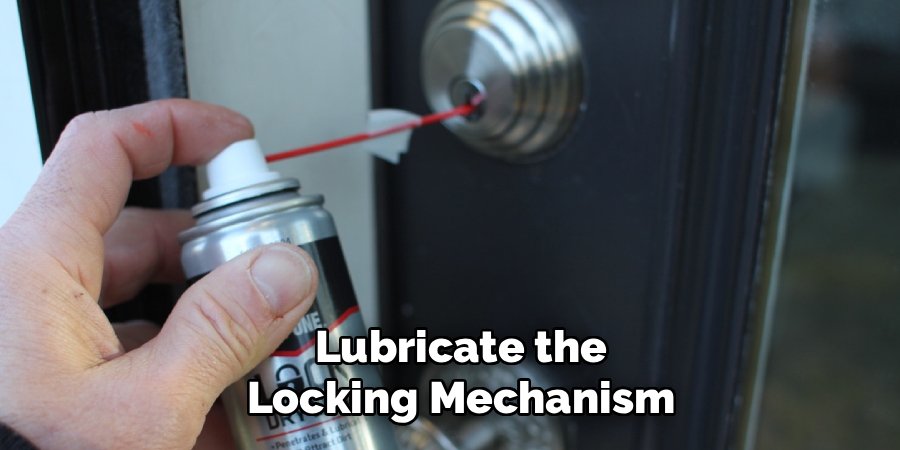
Insert the small straw that comes with the spray can directly into the keyway and give it a short burst. Then, insert your key and work it back and forth several times to distribute the lubricant throughout the lock’s pins and mechanism. You can also spray a small amount directly onto the latch mechanism where it emerges from the door.
Step 5: Use a Credit Card for Simple Latches
This classic trick is best suited for older, simpler latch-style locks, not for mortise hooks or deadbolts. It is important to note this method should only be used on your own property in an emergency. Take a rigid but flexible plastic card, like a laminated library card or a gift card. Slide the card into the gap between the door and the door jamb, just above the handle. Wiggle the card downwards, aiming to push the spring-loaded latch back into the door. You may need to apply gentle pressure to the door while doing this to create a small gap for the card to work.
Step 6: Disassemble the Handle Assembly
If you are locked inside and other methods have failed, you may need to disassemble the handle from the interior side. Most patio door handles are held in place by two or more visible screws. Use a Phillips head screwdriver to remove these screws. Once they are out, you should be able to carefully pull the interior and exterior handle plates away from the door. This will expose the mortise lock mechanism inside the door. From here, you can often manually manipulate the latch or hook with a flathead screwdriver or a pair of pliers to retract it and open the door.
Step 7: Address Misaligned French Door Locks
With French doors, the issue is often alignment. If the doors have settled or warped, the shoot bolts at the top and bottom may not line up correctly with their respective holes in the frame. If the lock feels stiff, inspect the top and bottom of the secondary door (the one that typically stays closed).
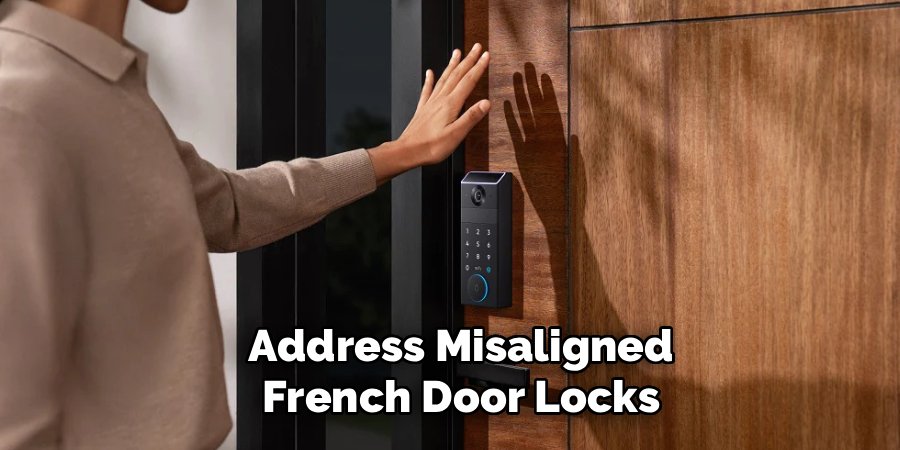
See if the bolts are hitting the edge of the holes rather than sliding in smoothly. You may need to use a screwdriver to slightly adjust the position of the strike plates or, in some cases, use a file to enlarge the hole just enough for the bolt to engage properly.
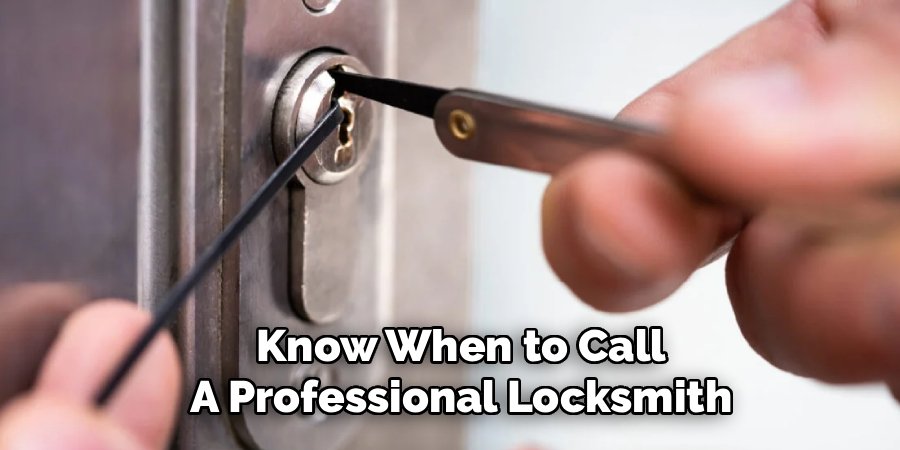
Step 8: Know When to Call a Professional Locksmith
There comes a point where a DIY approach can do more harm than good. If you have tried all the above methods and the door still will not budge, or if you suspect the internal mechanism of the lock is broken, it is time to call a professional. Locksmiths have specialized tools and the expertise to handle complex lock failures without damaging your door or frame. Trying to force a broken lock or drilling it out without the proper knowledge can lead to a much more expensive repair. A locksmith can quickly diagnose the problem and provide a safe, effective solution.
Frequently Asked Questions (FAQ)
What Is the Most Common Reason a Patio Door Lock Gets Stuck?
The most common reason is misalignment. Over time, sliding doors can settle, or their rollers can wear out, causing the door to drop slightly. This puts pressure on the lock’s latch or hook, causing it to bind against the strike plate in the door jamb. Often, simply lifting the door by the handle while turning the key is enough to open it.
How Can I Open My Patio Door if I Lost the Key?
If you have lost the key, your options are limited without causing damage. You could try the credit card trick if it’s a simple spring latch. However, for most modern mortise locks, you will likely need to call a locksmith. They can pick the lock or drill it out and replace the cylinder, which is much safer than attempting to force it yourself.
Is It Safe to Lubricate a Patio Door Lock?
Yes, lubricating your lock is a key part of regular maintenance. It is best to use a graphite or silicone-based lubricant designed for locks. Avoid using oil-based products like WD-40 for the internal keyway, as they can attract dust and gum up the pins over time. A quick spray every six months can keep the mechanism operating smoothly.
How Do I Fix a Misaligned French Door Lock?
For French doors, start by checking if the shoot bolts on the secondary door align with the holes in the frame. If they are slightly off, you can often loosen the screws on the strike plates and adjust their position. For minor issues, you might use a metal file to slightly widen the receiving hole. If the door has significantly warped or settled, you may need to adjust the door’s hinges.
Can I Replace a Patio Door Lock Myself?
Yes, for most homeowners, replacing a standard patio door handle and mortise lock is a manageable DIY project.
- First, open the door and remove the screws holding the handle assembly.
- Remove the screw on the edge of the door that holds the mortise lock in place.
- Slide the old lock out and insert the new one, then reassemble the handle.
- Just be sure to purchase a replacement lock with the same dimensions and screw-hole spacing.
Conclusion
A stuck patio door can be a major inconvenience, but it is often a problem you can solve without professional help. By systematically working through the possibilities—checking for alignment issues and obstructions, lubricating the mechanism, and, if necessary, disassembling the handle—you can address the most common causes of a jammed lock. The key is to work patiently and avoid using brute force, which can lead to further damage.
Knowing the basic steps for how to open patio door locks empowers you to tackle these issues confidently. However, it is also wise to recognize when a problem is beyond your skill set and it is time to call in a professional locksmith for a safe and swift resolution.

About
Jovie Mathews is a backyard and outdoor expert writer with over 12 years of hands-on experience transforming neglected outdoor spaces into thriving gardens and functional retreats. Raised in a family where weekends meant digging in the soil and building raised beds from scratch, Jovie developed a genuine love for the outdoors long before it became a career.
She writes with a practical, no-fluff approach — always testing ideas in her own backyard before sharing them with readers. From composting systems and native plant selection to patio design and pest control, Jovie covers the full spectrum of backyard life with equal parts expertise and enthusiasm.
Education
B.Sc. in Horticulture Science
University of Florida (UF) · Gainesville, FL · 2014
IFAS College of Agricultural and Life Sciences
Minor in Environmental Studies
University of Florida (UF) · Gainesville, FL · 2014
College of Liberal Arts and Sciences
Areas of expertise
- Lawn & Garden Care
- Soil prep, planting, seasonal care
- Outdoor DIY Projects
- Raised beds, fencing, pathways
- Composting & Soil Health
- Organic methods, amendments
- Native Plants & Wildlife
- Pollinators, habitat gardening
When she is not writing, Jovie can be found testing new composting techniques, growing tomatoes in questionable quantities, or convincing her neighbors that clover lawns are actually a great idea. She currently gardens in the Pacific Northwest.