

There is nothing quite like sinking into a plush chair on your deck with a morning coffee or an evening glass of wine. However, that idyllic scene is quickly ruined when you sit down only to discover a soaking wet sponge instead of a comfortable seat.
Moisture is the silent enemy of outdoor furniture, leading to mold, mildew, and premature fabric rot. Even “weather-resistant” materials have their limits when faced with heavy downpours or persistent morning dew.
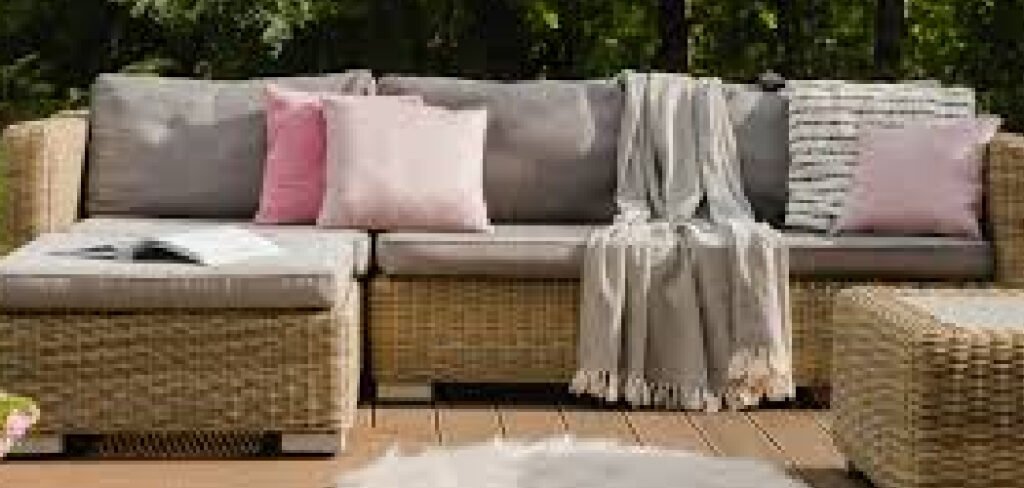
Protecting your investment requires a proactive approach rather than scrambling to bring things inside every time a dark cloud appears. By implementing a solid defense strategy, you can extend the lifespan of your furniture and ensure your outdoor living space is always ready for use.
This guide will teach you how to keep patio cushions dry, offering practical solutions that range from quick daily habits to long-term storage strategies, ensuring your backyard remains a comfortable sanctuary regardless of the forecast.
Step-by-Step Guide on How to Keep Patio Cushions Dry
Step 1: Apply a High-Quality Fabric
The first line of defense in your battle against moisture involves bolstering the fabric’s natural resistance. Even if your cushions came with a factory coating, UV rays and general wear degrade this protection over time.
Purchase a waterproofing spray specifically designed for outdoor fabrics like canvas or polyester. Before applying, ensure the cushions are clean and completely dry. Spray the solution evenly across the entire surface, paying special attention to seams where water often seeps in.
Allow the first coat to dry fully before applying a second layer for maximum durability. This creates a hydrophobic barrier that causes water to bead up and roll off rather than soaking into the stuffing.
Step 2: Invest in Custom-Fit Furniture Covers
While sprays help with light rain, heavy storms require sturdier armor. Buying high-quality furniture covers is arguably the most effective method for how to keep patio cushions dry during intense weather. Avoid generic, one-size-fits-all tarps that flap in the wind and allow moisture to sneak in underneath.
Look for covers made from heavy-duty, breathable polyester with vinyl backing. These should have vents to prevent condensation buildup and secure straps or drawstrings to keep them locked in place during gusty winds.
By covering your entire furniture set when not in use, you protect the cushions from rain, bird droppings, pollen, and sun damage all at once.
Step 3: Implement a Storage Box or Deck Box System
Sometimes the best way to protect your cushions is to remove them from the environment entirely. A waterproof deck box is an invaluable asset for any outdoor space. These durable containers provide a convenient, dry sanctuary for your soft furnishings right on the patio.
When choosing a storage box, verify that it is truly waterproof and not just weather-resistant. Look for features like a sealed lid and elevated feet that keep the bottom off the damp ground.
\Make it a habit to toss your pillows and seat pads into the box every evening. This simple routine ensures they are protected from overnight dew and unexpected morning showers.
Step 4: Use the “Tent” Method for Drainage
If you must leave your cushions out uncovered during a light drizzle, you need to prevent water from pooling on the surface. Standing water is what eventually seeps through even the best water-resistant fabrics. To combat this, arrange your cushions vertically or lean them against the furniture frame to create a steep angle.
This technique allows gravity to do the work for you, encouraging water to run off quickly rather than sitting stagnant. If the cushions are flat on a bench, place a small object underneath the center to create a peak, similar to a tent. This simple adjustment significantly reduces the saturation level.
Step 5: Seal the Seams with Waterproof Tape
Water has a knack for finding the path of least resistance, which is almost always the stitching. While the main fabric panel might be waterproof, the needle holes along the edges are tiny entry points for moisture.
To solve this, you can apply a seam sealer or waterproof tape to the inside of the cushion covers. Turn the covers inside out and carefully apply the sealant along every stitched line.
This blocks those microscopic gaps without altering the exterior appearance of your furniture. This detailed level of waterproofing is a professional secret for those learning how to keep patio cushions dry and mold-free for years.
Step 6: Store Cushions Indoors During Off-Seasons
No amount of waterproofing can withstand the relentless assault of a harsh winter or a rainy monsoon season. When the weather turns consistently bad, the garage, shed, or a dedicated closet inside your home becomes the only safe harbor.
Before storing them for the season, clean the cushions thoroughly to remove any food crumbs or organic matter that could attract pests. Place them in breathable storage bags to prevent dust accumulation while allowing air circulation.
Storing them in a climate-controlled environment prevents the foam from freezing and cracking and ensures the fabric doesn’t develop a musty odor from trapped humidity.
Step 7: Improve Air Circulation Around Furniture
Humidity can rise from the ground up, soaking your cushions from below even if they are covered. If your patio furniture sits on a lawn or porous concrete, moisture wicking is a real threat.
To mitigate this, ensure your furniture is placed on a surface that drains well, like pavers or a treated wooden deck. If possible, choose furniture frames with open-slat bottoms rather than solid bases.

This design allows air to flow freely underneath the cushions, evaporating moisture quickly. Good airflow prevents the dreaded “greenhouse effect” inside covers and keeps the underside of your cushions as dry as the top.
Additional Protection Advice
Another effective way to protect your outdoor furniture is by investing in high-quality, weather-resistant covers. These covers provide a protective barrier against rain, UV rays, and dirt, extending the lifespan of your furniture.
Ensure the covers are breathable to prevent condensation from building up underneath, which can lead to mold and mildew. It’s also a good idea to store cushions and smaller furniture items in a dry, covered area, such as a shed or storage bench, during extended periods of bad weather or when not in use.
Regularly cleaning and treating your furniture with appropriate sealants or weatherproofing sprays can further enhance its durability, ensuring it remains in great condition year after year.
Frequently Asked Questions (FAQ)
Can I Put Plastic Bags Over My Cushions?
Using standard plastic trash bags is generally not recommended for long-term storage. While plastic is waterproof, it is not breathable. If any moisture is trapped inside the bag—even just from humidity in the air—it will condense and create a breeding ground for mold and mildew.
It is much better to use breathable fabric storage bags or specialized outdoor cushion storage containers that allow for air circulation while blocking out rain and pests.
How Do I Dry Cushions If They Get Wet?
If your cushions do get soaked, speed is essential to prevent mold.
- Remove Water: Squeeze out as much excess water as possible by pressing down firmly on the foam.
- Unzip: If the covers are removable, unzip them to allow airflow to the foam insert.
- Position: Stand the cushions vertically on their edges in a sunny, breezy spot.
- Rotate: Flip them regularly until they are completely dry to the touch, inside and out.
Are “Water-Resistant” and “Waterproof” the Same?
No, and knowing the difference is vital.
- Water-Resistant: The fabric is woven tightly or treated to repel water for a short time, but water will eventually soak through in heavy rain. Most standard patio cushions fall into this category.
- Waterproof: The material is completely impervious to water; it acts as a barrier that water cannot penetrate. This is typical for rain covers and marine-grade fabrics but is less common for standard seat cushions due to comfort issues.
How Often Should I Reapply Waterproof Spray?
You should typically reapply a fabric protectant once a season or whenever you notice water stopping to bead up on the surface. If your furniture sits in direct sunlight, the UV rays will break down the chemical bond faster, so you might need to spray them twice a year.
Always test the absorbency with a few drops of water; if it soaks in immediately, it is time for a fresh coat.
Does Sunbrella Fabric Need Waterproofing?
Sunbrella and similar high-performance fabrics are engineered to be water-repellent, breathable, and mold-resistant, but they are not completely waterproof. Over time and after washings, the factory finish can diminish.
The manufacturer recommends retreating the fabric with a product like 303 Fabric Guard after a thorough cleaning to restore its water-repellency to factory standards. Regular maintenance keeps the performance high.
Conclusion
Protecting your outdoor seating from moisture is an ongoing commitment that pays dividends in comfort and longevity. By combining immediate tactics like tenting and covering with long-term strategies like seam sealing and proper storage, you create a robust defense against the weather.
You no longer have to worry about a sudden summer storm ruining your plans for an evening gathering. Instead, you can rest easy knowing your investment is safe from mold, mildew, and rot.
Implementing these simple habits ensures that your deck remains a welcoming retreat rather than a source of maintenance stress. Now that you understand how to keep patio cushions dry effectively, you are ready to enjoy every sunny moment in your backyard oasis with peace of mind.

About
Jovie Mathews is a backyard and outdoor expert writer with over 12 years of hands-on experience transforming neglected outdoor spaces into thriving gardens and functional retreats. Raised in a family where weekends meant digging in the soil and building raised beds from scratch, Jovie developed a genuine love for the outdoors long before it became a career.
She writes with a practical, no-fluff approach — always testing ideas in her own backyard before sharing them with readers. From composting systems and native plant selection to patio design and pest control, Jovie covers the full spectrum of backyard life with equal parts expertise and enthusiasm.
Education
B.Sc. in Horticulture Science
University of Florida (UF) · Gainesville, FL · 2014
IFAS College of Agricultural and Life Sciences
Minor in Environmental Studies
University of Florida (UF) · Gainesville, FL · 2014
College of Liberal Arts and Sciences
Areas of expertise
- Lawn & Garden Care
- Soil prep, planting, seasonal care
- Outdoor DIY Projects
- Raised beds, fencing, pathways
- Composting & Soil Health
- Organic methods, amendments
- Native Plants & Wildlife
- Pollinators, habitat gardening
When she is not writing, Jovie can be found testing new composting techniques, growing tomatoes in questionable quantities, or convincing her neighbors that clover lawns are actually a great idea. She currently gardens in the Pacific Northwest.