
Your patio is an extension of your home, a place for relaxation and making memories. But over time, outdoor elements can leave their mark. Spilled drinks, pollen, dirt, and mildew can make your once-vibrant patio cushions look dull and uninviting.

Learning how to clean patio cushions is a simple skill that can restore their beauty and extend their life, ensuring your outdoor space remains a welcoming retreat. This guide will walk you through the process, providing easy-to-follow steps that anyone can master. Get ready to transform your outdoor furniture with just a little effort.
Why Cleaning Your Patio Cushions Matters
Regularly cleaning your patio cushions does more than just improve their appearance; it’s a crucial part of outdoor furniture maintenance. Dust, pollen, bird droppings, and tree sap are not just unsightly—they can also harbor mold and mildew. These fungi can break down fabric fibers over time, leading to premature deterioration and costly replacements. Furthermore, allergens trapped in the fabric can affect your family’s comfort and health, turning your relaxing oasis into a source of sneezes and sniffles. By keeping your cushions clean, you protect your investment, maintain a healthier environment, and ensure your outdoor seating is always ready for guests. A little proactive care goes a long way in preserving the look and longevity of your entire patio set.
8 Step Methods Guide on How to Clean Patio Cushions
Step 1: Check the Care Label
Before you begin, locate the care tag on your cushions. This small label is your most important resource, as it contains specific cleaning instructions from the manufacturer. You will likely see a code: “W” means it’s safe to use water-based cleaners, “S” means to use a solvent-based cleaner only, “W/S” means either is fine, and “X” means you should only vacuum or brush the fabric.
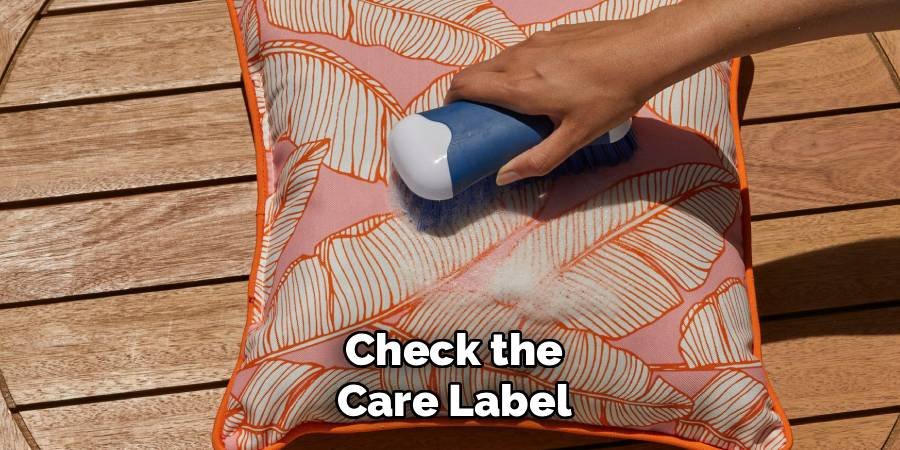
Most outdoor cushions are made from durable, water-resistant materials, so they usually have a “W.” Ignoring these instructions could lead to discoloration, shrinkage, or permanent damage to the fabric.
Step 2: Brush Away Loose Debris
Start by removing any loose dirt, leaves, cobwebs, and other debris. Use a stiff-bristled brush or a dry cloth to vigorously sweep the entire surface of each cushion, including the seams and crevices where dirt loves to hide. This step is crucial because it prevents you from turning dry dirt into mud when you add water and a cleaning solution. For a more thorough job, you can use a handheld vacuum or a brush attachment on your regular vacuum cleaner. Taking a few extra minutes here will make the deep cleaning process much more effective and manageable.
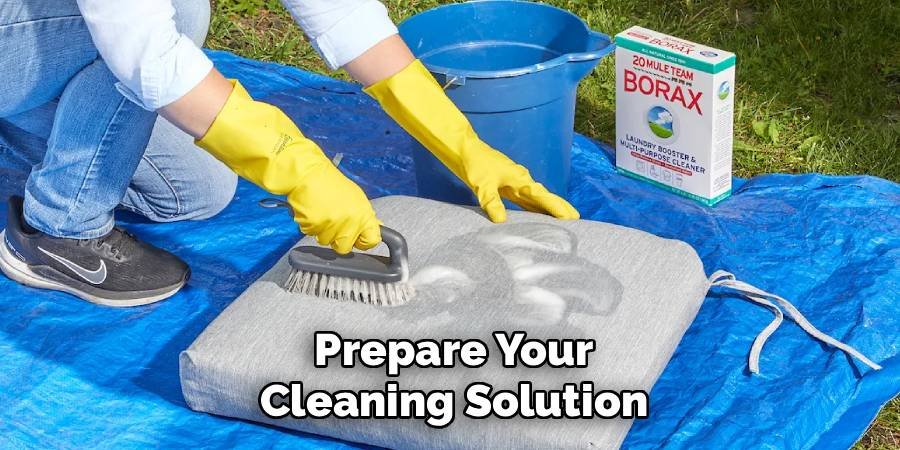
Step 3: Prepare Your Cleaning Solution
For most fabric types (those with a “W” on the tag), you can create a simple and effective cleaning solution at home. In a bucket, mix one tablespoon of a gentle dish soap, like Dawn, with two cups of warm water. Avoid using harsh detergents or bleach unless the manufacturer’s tag specifically says it is safe, as these can strip the fabric of its protective coatings and cause colors to fade. Stir the mixture until the soap is fully dissolved and you see some suds. This gentle solution is powerful enough to lift most common stains and general grime without damaging the material.
Step 4: Spot-Treat Tough Stains
Before washing the entire cushion, it’s wise to address any stubborn stains like mildew, bird droppings, or grease. Apply your cleaning solution directly to the stained area using a soft cloth or sponge. Let the solution sit for about 15 minutes to penetrate the stain. For tougher mildew spots, you might need a specialized mildew stain remover or a solution of equal parts white vinegar and water. Gently scrub the area in a circular motion. This targeted approach helps break down concentrated spots of grime, giving you a better chance at achieving a uniform, clean finish across the entire cushion.
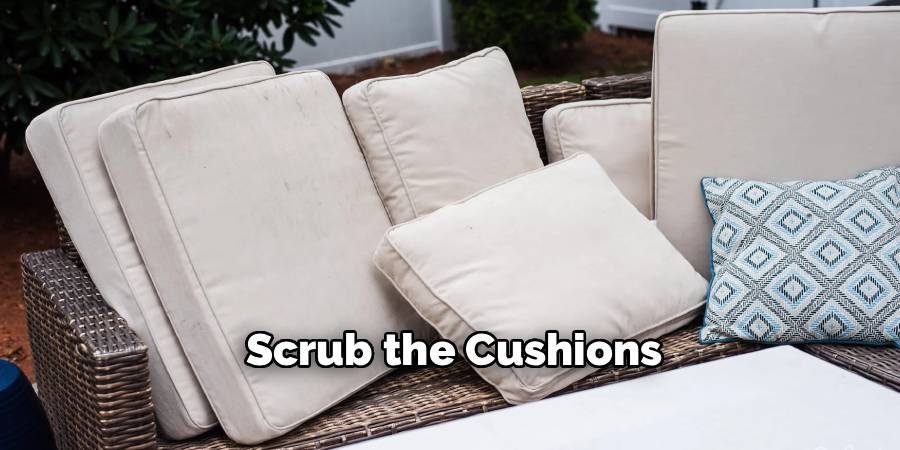
Step 5: Scrub the Cushions
Now it’s time to clean the entire surface. Dip your brush or a sponge into the soapy water solution and begin scrubbing the cushion from top to bottom. Use gentle, circular motions and apply even pressure to work the soap into the fabric. Pay special attention to the piping and seams, as these areas often collect the most dirt. Don’t be afraid to use a little elbow grease, but avoid scrubbing so hard that you damage the fabric fibers. The goal is to create a light lather across the entire cushion, lifting the embedded dirt and grime from the material.
Step 6: Rinse Thoroughly
Once you have scrubbed the cushions completely, you need to rinse away all the soap residue. Using a garden hose with a spray nozzle is the most effective method. Start at the top of the cushion and work your way down, ensuring the water runs clear. It’s very important to remove all the soap, as any leftover residue can attract more dirt once the cushions are dry. Squeeze the cushion gently as you rinse to help push out soap that has soaked into the foam filling. Take your time with this step to guarantee a clean, residue-free result.
Step 7: Dry the Cushions Completely
Proper drying is one of the most critical steps. Press down on the cushion or squeeze it to remove as much excess water as possible. Then, stand the cushions on their side in a sunny, well-ventilated area. Propping them up this way allows water to drain out and air to circulate around the entire surface, speeding up the drying process. You should flip them every few hours to ensure they dry evenly. Never put your cushions in a machine dryer, as the high heat can shrink or melt the fabric and damage the foam interior.
Step 8: Protect and Store
After confirming the cushions are 100% dry, consider applying a fabric protector spray. These products create an invisible shield that helps repel water and resist future stains, making your next cleaning session much easier. Follow the product’s instructions for application. When not in use, especially during winter months or long periods of rain, store your clean cushions in a dry, protected location like a deck box, shed, or garage. This final step is key to knowing how to clean patio cushions effectively and keeping them in great condition for years to come.
Frequently Asked Questions
Can I Put My Patio Cushions in the Washing Machine?
Most patio cushion covers can be machine washed if they are removable. Always check the care tag first. If it’s safe, use a gentle cycle with cold water and a mild detergent. However, you should never put the foam inserts into the washer, as this can cause them to become waterlogged and break apart. Air drying the covers is also recommended to prevent shrinkage.
How Do I Remove Mildew Stains From Outdoor Cushions?
For mildew, a solution of equal parts white vinegar and water can be effective. Spray it on the affected area, let it sit for 15-20 minutes, and then scrub with a soft brush. Rinse thoroughly afterward. For persistent stains, you may need a commercial mildew stain remover designed for outdoor fabrics. Always test any new cleaning solution on a small, hidden area first to ensure it doesn’t cause discoloration.

How Often Should I Clean My Patio Cushions?
It’s a good practice to give your cushions a deep clean at least twice a year—once at the beginning of the outdoor season and once before storing them for winter. Throughout the season, perform light maintenance by brushing off debris weekly and spot-treating spills as they happen. This regular upkeep will prevent deep-set stains and make your semi-annual cleanings much easier.
What Is the Best Way to Dry Patio Cushions to Prevent Mold?
The key is to ensure they dry completely and quickly. After rinsing, squeeze out as much water as you can. Then, stand the cushions on their long edge in a sunny, well-ventilated spot. This position allows air to circulate on all sides and water to drain effectively. Flip them periodically to promote even drying. Never store them until they are bone dry to the touch.
Can I Use Bleach on My White Patio Cushions?
Using bleach depends entirely on the fabric type. Some solution-dyed acrylic fabrics, like Sunbrella, are bleach-safe. Check the manufacturer’s care tag for specific instructions. If it is permitted, use a highly diluted solution (e.g., a few tablespoons of bleach per gallon of water) and rinse extremely well. Using bleach on fabrics not designed for it can cause yellowing and break down the fibers.
Conclusion
With a little time and the right technique, you can easily restore the look and feel of your outdoor seating. By following these steps—from brushing off debris and mixing a gentle cleaning solution to rinsing thoroughly and drying completely—you can tackle dirt, grime, and even mildew. Regular cleaning not only makes your patio more inviting but also protects your investment by preventing fabric decay. Now that you know how to clean patio cushions, you have the power to keep your outdoor oasis looking beautiful all season long.

About
Jovie Mathews is a backyard and outdoor expert writer with over 12 years of hands-on experience transforming neglected outdoor spaces into thriving gardens and functional retreats. Raised in a family where weekends meant digging in the soil and building raised beds from scratch, Jovie developed a genuine love for the outdoors long before it became a career.
She writes with a practical, no-fluff approach — always testing ideas in her own backyard before sharing them with readers. From composting systems and native plant selection to patio design and pest control, Jovie covers the full spectrum of backyard life with equal parts expertise and enthusiasm.
Education
B.Sc. in Horticulture Science
University of Florida (UF) · Gainesville, FL · 2014
IFAS College of Agricultural and Life Sciences
Minor in Environmental Studies
University of Florida (UF) · Gainesville, FL · 2014
College of Liberal Arts and Sciences
Areas of expertise
- Lawn & Garden Care
- Soil prep, planting, seasonal care
- Outdoor DIY Projects
- Raised beds, fencing, pathways
- Composting & Soil Health
- Organic methods, amendments
- Native Plants & Wildlife
- Pollinators, habitat gardening
When she is not writing, Jovie can be found testing new composting techniques, growing tomatoes in questionable quantities, or convincing her neighbors that clover lawns are actually a great idea. She currently gardens in the Pacific Northwest.