
Wicker patio furniture brings a classic, cozy charm to any outdoor space. Its intricate weave and natural aesthetic make it a popular choice for porches, decks, and gardens. However, exposure to the elements means that dust, pollen, and grime can easily settle into its crevices. Keeping it clean not only preserves its beauty but also extends its life for years of enjoyment.

Learning how to clean wicker patio furniture is a simple skill that every homeowner can master. This guide provides a straightforward process to restore your furniture’s appearance and protect your investment, ensuring it remains a welcoming part of your outdoor oasis.
Why Cleaning Wicker Patio Furniture is Important
Regularly cleaning your wicker patio furniture is crucial for both its appearance and durability. The woven design that makes wicker so appealing is also a perfect trap for dirt, dust, pollen, and even bird droppings. Over time, this buildup can lead to discoloration and staining, making your once-beautiful furniture look old and neglected.
More importantly, accumulated moisture and organic debris can promote the growth of mold and mildew. These fungi not only create unsightly dark spots but can also slowly eat away at the natural fibers of the wicker, causing it to weaken, become brittle, and eventually break. For synthetic wicker, grime can still degrade the material’s protective coating, leading to fading and cracking. By performing routine maintenance, you prevent this decay, ensuring your furniture remains structurally sound, hygienic, and ready for guests at a moment’s notice.
8 Step-by-Step Guide on How to Clean Wicker Patio Furniture
Step 1: Dust Off Loose Dirt
Before introducing any moisture, your first task is to remove all loose surface debris. Grab a soft-bristled brush or the brush attachment on your vacuum cleaner. Gently go over the entire surface of the furniture, paying close attention to the woven sections where dirt loves to hide.

A dry paintbrush or even a toothbrush can be effective for getting into those tight crevices and intricate patterns. This preliminary step prevents you from turning dry dust into mud when you start washing, making the rest of the cleaning process much more effective and less messy.
Step 2: Prepare Your Cleaning Solution
Next, create a mild but effective cleaning solution. Fill a bucket with warm water and add a small amount of gentle dish soap—about a tablespoon per gallon of water. Stir the mixture until you see suds forming. This simple solution is powerful enough to cut through grease and grime without being harsh enough to damage the delicate fibers of natural wicker or the finish of synthetic varieties. Avoid using abrasive cleaners, bleach, or harsh chemicals, as these can strip the wicker’s protective finish, cause discoloration, and weaken the material over time.
Step 3: Gently Wash the Furniture
Dip a soft cloth or sponge into your soapy water, wring it out so it’s damp but not soaking wet, and begin to wipe down the furniture. Work in small sections, gently scrubbing the surface to lift dirt. For stubborn spots or heavily soiled areas between the weaves, use an old toothbrush dipped in the cleaning solution. This allows you to apply a bit more pressure without damaging the material. Be thorough, ensuring you clean the legs, arms, and underside of each piece. The goal is to clean effectively without oversaturating the wicker, especially if it’s made from natural fibers.
Step 4: Rinse Thoroughly
After you have scrubbed away the dirt, you need to rinse off the soap residue. If you are cleaning synthetic resin wicker, you can gently rinse it with a garden hose on a low-pressure setting. However, for natural wicker, it is best to avoid a direct spray of water. Instead, fill a clean bucket with plain water, dip a fresh cloth in it, wring it out, and wipe down the furniture to remove any soap. This prevents the natural fibers from absorbing too much water, which could lead to swelling, warping, or weakening as it dries.
Step 5: Address Mold and Mildew
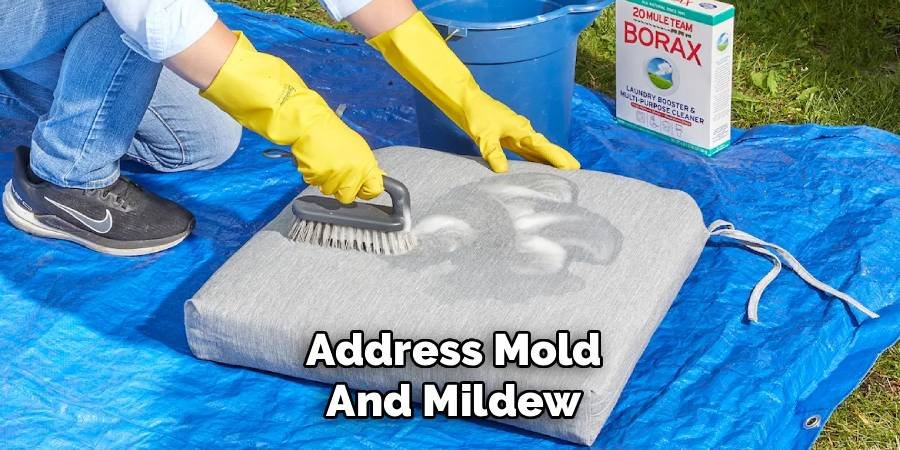
If you notice any dark spots indicating mold or mildew, you will need a slightly stronger solution. Mix equal parts white vinegar and water in a spray bottle. Lightly spritz the affected areas and let the solution sit for about 10 to 15 minutes. Vinegar is a natural disinfectant that effectively kills mold spores without damaging the wicker. After letting it sit, use a toothbrush or soft brush to gently scrub the spots away. This targeted treatment is a key part of learning how to clean wicker patio furniture that has been exposed to damp conditions.
Step 6: Rinse Again After Mildew Treatment
After treating any mold or mildew with your vinegar solution, it is important to rinse those specific areas again. This step removes any lingering vinegar, which can leave a slight odor if left on the furniture. Use a clean cloth dampened with plain water to wipe down the treated spots thoroughly. This ensures all the cleaning agents are removed and your furniture is left fresh and residue-free. Proper rinsing is essential for preventing any potential damage or discoloration that could be caused by leftover cleaning agents reacting with sunlight.
Step 7: How to Clean Wicker Patio Furniture by Drying It Completely
Proper drying is perhaps the most critical step, especially for natural wicker. After rinsing, use a dry towel to blot away as much excess moisture as you can. Then, place the furniture in a sunny, well-ventilated area to air dry completely. If possible, tilt chairs or tables to allow water to drain from hard-to-reach spots. Do not use the furniture or place cushions back on it until it is 100% dry to the touch. Trapping moisture can encourage new mold growth and cause natural fibers to stretch or sag, compromising the furniture’s integrity.
Step 8: Apply a Protective Finish (Optional)
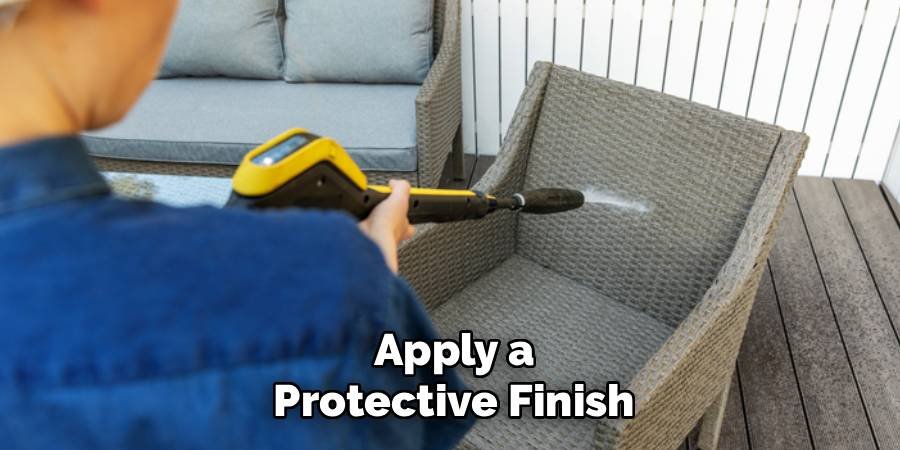
Once your natural wicker furniture is completely clean and dry, consider applying a protective coating to shield it from future damage. A coat of paste wax or a clear varnish designed for wicker can help repel moisture and block harmful UV rays that cause fading and brittleness. Apply the product according to the manufacturer’s instructions, typically with a clean cloth or brush. This finishing touch adds a layer of defense, making future cleanings easier and extending the life and beauty of your cherished patio set. This final step is not necessary for most synthetic wicker furniture.
Frequently Asked Questions
Can You Use a Pressure Washer on Wicker Furniture?
It is strongly advised not to use a pressure washer, especially on natural wicker. The high-powered stream of water can splinter the fibers, strip the protective finish, and force water deep into the weave, leading to permanent damage and mold. For synthetic wicker, a very low-pressure setting might be acceptable, but it is generally safer to use a garden hose with a gentle spray nozzle instead.
How Often Should I Clean My Wicker Furniture?
For general upkeep, you should dust or vacuum your wicker furniture weekly or bi-weekly to prevent dirt buildup. A thorough cleaning, as described in this guide, should be done at least twice a year: once at the beginning of the outdoor season and again before you store it for the winter. If your furniture is in a high-pollen area or under trees, you may need to wash it more frequently.
What Is the Difference Between Cleaning Natural and Synthetic Wicker?
The main difference lies in their durability and water tolerance. Synthetic wicker (usually made from resin or vinyl) is non-porous and highly resistant to moisture and UV rays, so you can be a bit more liberal with water during rinsing. Natural wicker (made from rattan, cane, or bamboo) is more delicate and absorbent, so it is critical to use less water and ensure it dries completely to prevent warping and mildew.
How Can I Protect My Wicker Furniture From the Elements?
The best way to protect your furniture is to limit its exposure to harsh weather. Use waterproof furniture covers when the items are not in use, especially during rainy periods. If possible, place the furniture in a covered or screened-in area. Storing it indoors in a dry space like a garage or basement during the off-season will significantly extend its lifespan.

Can Faded Wicker Furniture Be Restored?
Yes, faded natural wicker can often be restored. After a thorough cleaning, you can apply a specialized furniture stain or oil to bring back its color and luster. For a more dramatic change, you can even paint it with a spray paint designed for outdoor use. For synthetic wicker, products designed to restore plastic and vinyl finishes on cars can sometimes improve its appearance.
Conclusion
Maintaining the beauty and longevity of your outdoor furniture does not have to be a complicated chore. By following these straightforward steps, you can confidently tackle the task and keep your pieces looking pristine season after season. A little bit of regular care goes a long way in preventing dirt buildup and protecting against the elements. Now that you know how to clean wicker patio furniture, you are well-equipped to preserve its charm and ensure it remains a beautiful, functional centerpiece for all your outdoor gatherings.

About
Jovie Mathews is a backyard and outdoor expert writer with over 12 years of hands-on experience transforming neglected outdoor spaces into thriving gardens and functional retreats. Raised in a family where weekends meant digging in the soil and building raised beds from scratch, Jovie developed a genuine love for the outdoors long before it became a career.
She writes with a practical, no-fluff approach — always testing ideas in her own backyard before sharing them with readers. From composting systems and native plant selection to patio design and pest control, Jovie covers the full spectrum of backyard life with equal parts expertise and enthusiasm.
Education
B.Sc. in Horticulture Science
University of Florida (UF) · Gainesville, FL · 2014
IFAS College of Agricultural and Life Sciences
Minor in Environmental Studies
University of Florida (UF) · Gainesville, FL · 2014
College of Liberal Arts and Sciences
Areas of expertise
- Lawn & Garden Care
- Soil prep, planting, seasonal care
- Outdoor DIY Projects
- Raised beds, fencing, pathways
- Composting & Soil Health
- Organic methods, amendments
- Native Plants & Wildlife
- Pollinators, habitat gardening
When she is not writing, Jovie can be found testing new composting techniques, growing tomatoes in questionable quantities, or convincing her neighbors that clover lawns are actually a great idea. She currently gardens in the Pacific Northwest.