

A crackling fire pit on a concrete patio creates an inviting atmosphere, perfect for making memories with family and friends. It is the heart of the backyard, a place for roasting marshmallows and sharing stories. But while concrete seems indestructible, it has a surprising vulnerability.
The intense, direct heat from a fire pit can cause the moisture trapped inside the concrete slab to expand rapidly. This can lead to unsightly cracks, spalling (flaking), or even cause small pieces of the surface to pop and explode. The last thing you want is for your cozy gathering to result in permanent damage to your patio.
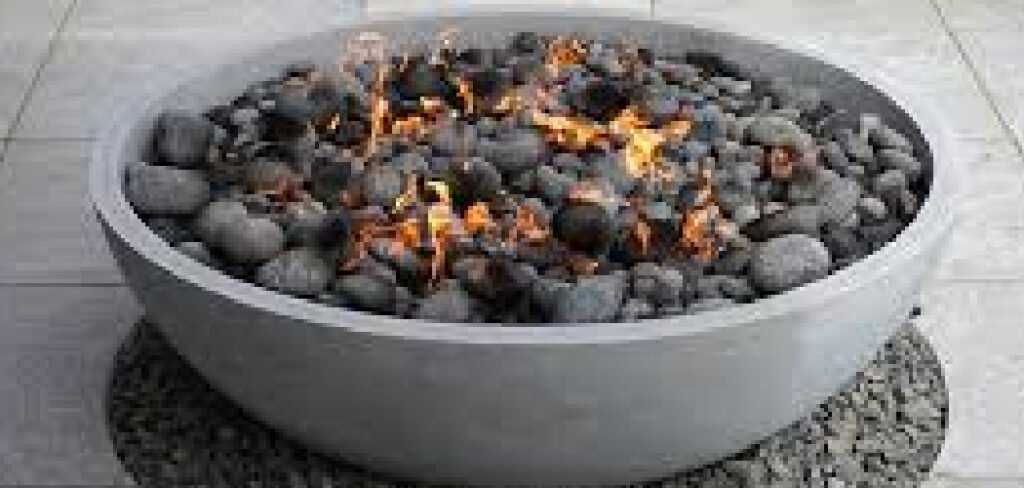
Fortunately, with a few simple precautions, you can enjoy your fire pit worry-free. This guide will show you exactly how to protect concrete from fire pit damage, ensuring your outdoor space remains beautiful and safe for years to come.
When it comes to enjoying a fire pit on your patio, protecting your concrete is crucial. Without proper precautions, the intense heat can lead to cracking, discoloration, and long-term damage that affects both the appearance and integrity of your outdoor space.
Thankfully, with the right measures in place, you can safeguard your concrete while creating a warm and inviting atmosphere for family and friends.
Step-by-Step Guide on How to Protect Concrete from a Fire Pit
Step 1: Use a Fire Pit Stand or Heat Shield
The most direct way to prevent damage is to create physical distance between the heat source and the concrete surface. Many modern fire pits come with a dedicated stand that elevates the fire bowl, allowing air to circulate underneath and dissipate heat.
If your fire pit did not come with one, purchasing a sturdy metal stand is a wise investment. This simple elevation is often enough to prevent the concrete from reaching a critical temperature.
This is a foundational step for anyone learning how to protect concrete from a fire pit, as it tackles the root cause of the problem by minimizing direct heat transfer and creating a crucial buffer zone.
Step 2: Place a Heat-Resistant Barrier Mat
For an even greater level of protection, place a heat-resistant barrier mat directly on the concrete underneath your fire pit. These mats are specifically engineered from materials like silicone-coated fiberglass or aluminized fabric to reflect radiant heat and insulate the surface below.
They act as a thermal shield, absorbing and dispersing the heat that radiates downward. When shopping for one, ensure it is rated for use under a fire pit and is large enough to extend beyond the circumference of your fire bowl.
This barrier provides an essential second layer of defense, especially for wood-burning fire pits that can produce intense, sustained heat.
Step 3: Add a Layer of Sand or Gravel
A simple, low-cost method for adding another insulating layer is to use sand or gravel. Before setting up your fire pit, spread a layer of sand or gravel about two inches thick on the concrete where the fire pit will sit. You can contain this layer within a border of bricks or pavers for a neater look.

Sand and gravel are excellent at absorbing and distributing heat, preventing it from concentrating on one spot on the concrete. This natural barrier helps to moderate the temperature that reaches the slab. At the end of the season, the sand can be easily swept up and stored or disposed of.
Step 4: Use Fire Bricks
For a more permanent and robust solution, create a designated platform using fire bricks. These bricks are made from refractory ceramic material designed to withstand extremely high temperatures, just like the inside of a furnace or kiln.
Arrange a single layer of fire bricks flat on the concrete to create a solid base that is larger than the footprint of your fire pit. The fire bricks will absorb the bulk of the heat, protecting the concrete slab beneath them from thermal shock.
This is an excellent strategy for heavy, permanent fire features or for homeowners who use their fire pit frequently and want maximum protection.
Step 5: Seal Your Concrete Patio Regularly
While a sealer won’t make your concrete fireproof, a high-quality acrylic or silane-based sealer can make it more resilient and easier to clean. Sealing the concrete helps prevent moisture from seeping into the slab.
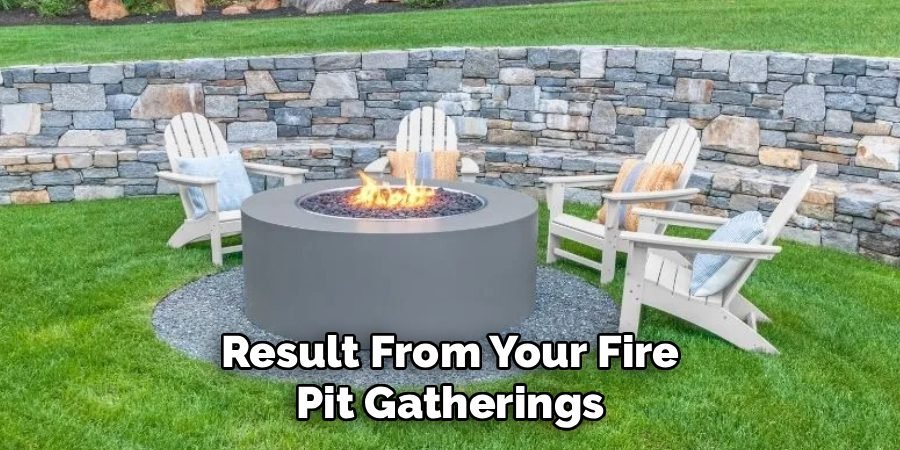
Since trapped moisture expanding is the primary cause of heat-related cracking and spalling, a well-sealed patio is less susceptible to this type of damage. Furthermore, a sealed surface is non-porous, which makes it much easier to clean up any soot stains, ash, or grease marks that may result from your fire pit gatherings.
Reapply the sealer according to the manufacturer’s instructions, typically every one to three years.
Step 6: Choose the Right Type of Fire Pit
The type of fire pit you use has a significant impact on the amount of heat transferred to the ground. Wood-burning fire pits generate the most intense and unpredictable heat at their base, requiring the most protection. In contrast, propane or natural gas fire pits are generally a safer option for concrete patios.
These units are typically designed with built-in elevation and heat shields, as their flame is more controlled and directed upward. If you are purchasing a new fire pit with patio safety in mind, considering a gas-powered model is a smart way to proactively address the challenge of how to protect concrete from fire pit damage.
Step 7: Clean Up Ash and Embers Promptly
Your responsibility for protecting the concrete doesn’t end when the fire goes out. Hot embers and ash can continue to radiate significant heat for many hours. Leaving a pile of hot ash sitting on your concrete overnight can cause discoloration and staining.
Once the fire is completely extinguished and the embers are cool to the touch—which may be the next morning—safely shovel them into a metal bucket with a lid. Never dispose of ash in a plastic bin.
Promptly sweeping the area clean not only maintains the look of your patio but also removes any residual heat that could slowly damage the concrete surface over time.
Frequently Asked Questions (FAQ)
Can a Fire Pit Cause Concrete to Explode?
Yes, it is possible, though rare. This phenomenon is called spalling. If concrete contains trapped moisture, intense heat can cause that water to turn to steam and expand rapidly.
With nowhere to go, the pressure can build up and cause the surface of the concrete to chip, flake, or “pop” off. Using a protective barrier and ensuring the concrete is well-cured and sealed helps minimize this risk.
Is It Safe to Put a Metal Fire Pit Directly on Concrete?
It is not recommended to place a metal fire pit directly on a concrete patio. Metal is an excellent conductor of heat. The bottom of the fire bowl will get extremely hot and transfer that heat directly to the concrete slab beneath it.
This concentrated heat is a primary cause of cracking and spalling. Always elevate the fire pit with a stand or use a heat-resistant barrier.
What Is the Best Barrier to Put Under a Fire Pit?
The best solution often involves a combination of methods.
- Elevation: A metal stand to lift the fire pit off the ground is the first line of defense.
- Insulation: A fire-resistant mat specifically designed for use under grills and fire pits is excellent for reflecting radiant heat.
- Absorption: A platform of fire bricks provides a near-indestructible base that absorbs the heat before it can reach the concrete.
Will a Propane Fire Pit Damage Concrete?
Propane fire pits are generally much safer for concrete patios than wood-burning ones. They produce less direct downward heat, and most are designed with sufficient elevation and built-in heat shields.
However, it is still a good practice to use a protective mat, especially with smaller, portable models, just to be safe. It’s better to have protection you don’t need than to risk damage.
How Can I Remove Soot Stains from My Concrete Patio?
If your fire pit leaves behind black soot stains, you can usually clean them with a little effort.
- Start Simple: Use a stiff brush and a solution of warm water and dish soap.
- Step Up: For tougher stains, a degreaser or a specialized concrete cleaner can be effective.
- Power Wash: A pressure washer is often very effective at removing surface-level soot.
Always test any cleaning solution on a small, inconspicuous area first.
Conclusion
A fire pit is a fantastic addition to any backyard, but enjoying it safely means taking care of the space around it. The risk of cracking, staining, or spalling your concrete patio is real, but it is also entirely preventable.
By using simple and effective barriers—such as stands, heat-resistant mats, and fire bricks—you can create a safe buffer that interrupts the transfer of intense heat. Combining these physical shields with smart practices like regular sealing and prompt cleaning ensures your patio remains as pristine as the day it was poured.
Now that you have a clear plan for how to protect concrete from fire pit damage, you can light up your evenings with confidence, knowing your investment is safe and your focus can remain on the warmth and joy of the fire.

About
Jovie Mathews is a backyard and outdoor expert writer with over 12 years of hands-on experience transforming neglected outdoor spaces into thriving gardens and functional retreats. Raised in a family where weekends meant digging in the soil and building raised beds from scratch, Jovie developed a genuine love for the outdoors long before it became a career.
She writes with a practical, no-fluff approach — always testing ideas in her own backyard before sharing them with readers. From composting systems and native plant selection to patio design and pest control, Jovie covers the full spectrum of backyard life with equal parts expertise and enthusiasm.
Education
B.Sc. in Horticulture Science
University of Florida (UF) · Gainesville, FL · 2014
IFAS College of Agricultural and Life Sciences
Minor in Environmental Studies
University of Florida (UF) · Gainesville, FL · 2014
College of Liberal Arts and Sciences
Areas of expertise
- Lawn & Garden Care
- Soil prep, planting, seasonal care
- Outdoor DIY Projects
- Raised beds, fencing, pathways
- Composting & Soil Health
- Organic methods, amendments
- Native Plants & Wildlife
- Pollinators, habitat gardening
When she is not writing, Jovie can be found testing new composting techniques, growing tomatoes in questionable quantities, or convincing her neighbors that clover lawns are actually a great idea. She currently gardens in the Pacific Northwest.