
Have you ever sat around a warm, glowing fire pit on a chilly evening and wondered exactly what makes it tick? While traditional wood fires rely on logs and kindling, gas fire pits offer instant ambiance with just the flip of a switch or the push of a button. Understanding the mechanics behind these modern backyard staples can help you operate them more safely and troubleshoot minor issues if they arise.
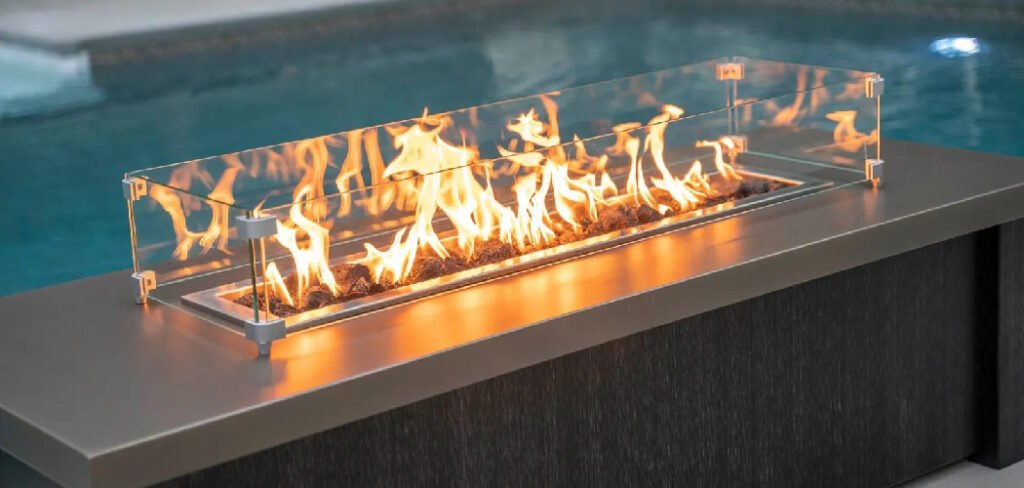
In this guide, we will break down the simple yet fascinating engineering that powers these devices. Whether you are a home gardener looking to add a focal point to your patio or a beginner just curious about the technology, learning how to gas fire pits work is the first step toward enjoying a cozy, hassle-free outdoor experience. Let’s dive into the details so you can enjoy your outdoor space with confidence.
Why Understanding How to Gas Fire Pits Work Matters
It might seem sufficient to just turn the knob and enjoy the warmth, but knowing the inner workings of your unit is crucial for long-term maintenance and safety. When you understand the specific journey the gas takes—from the source tank to the burner—you become better equipped to spot potential leaks, clear blockages, and ensure the flame burns efficiently.
Furthermore, realizing how to gas fire pits work allows you to make better purchasing decisions. You can choose between propane or natural gas models based on your home’s setup, and select the right ignition system for your comfort level. Ultimately, a little bit of technical knowledge transforms you from a passive user into an informed homeowner who can keep their fire feature glowing brightly for years to come.
8 Step Methods Guide: How to Gas Fire Pits Work
Step 1: The Fuel Source Connection
Everything begins with the fuel source, which is the heart of the entire operation. Most residential fire pits run on either liquid propane from a portable tank or natural gas fed directly from your home’s utility line. The process starts when you open the main valve on the tank or the supply line.
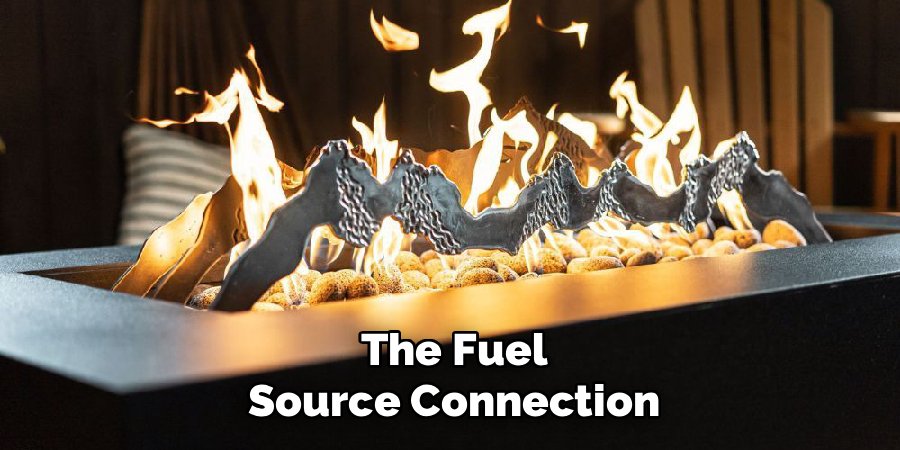
This pressure release allows the gas to travel through the regulator, a critical component that controls the flow rate. Without this regulation, the pressure would be far too high for the burner to handle safely. It acts as the gatekeeper, ensuring that only a manageable amount of fuel enters the system, setting the stage for a controlled and steady burn.
Step 2: Traveling Through the Supply Lines
Once the fuel leaves the regulator, it moves into the supply lines. These are typically flexible hoses or rigid pipes designed to withstand the chemical properties of the gas and the environmental conditions of the outdoors. As the gas flows through these tubes, it travels toward the control valve assembly. This part of the system is often hidden inside the body of the fire pit or buried underground if you have a permanent installation. The integrity of these lines is paramount; even a pinhole leak can disrupt the pressure needed for the flame and pose a safety hazard. This silent transportation of fuel is the bridge between the dormant tank and the roaring fire you are about to enjoy.
Step 3: Engaging the Control Valve
The control valve is the user interface of the fire pit, usually represented by a knob or key that you turn manually. When you engage this valve, you are essentially widening the pathway for the gas to continue its journey. This is where you determine the height and intensity of the flame. By turning the knob further, you allow a larger volume of gas to pass through; turning it back restricts the flow. This component gives you precise control over the ambiance and heat output. It sits between the supply line and the burner ring, acting as the final checkpoint before the fuel reaches the ignition point.
Step 4: The Air Mixer Venturi Effect
For propane models specifically, an air mixer is a vital component in how to gas fire pits work efficiently. Propane is a heavy, carbon-rich gas that can burn with a lot of soot if not mixed with oxygen properly. Before the gas reaches the burner, it passes through an air mixer valve.
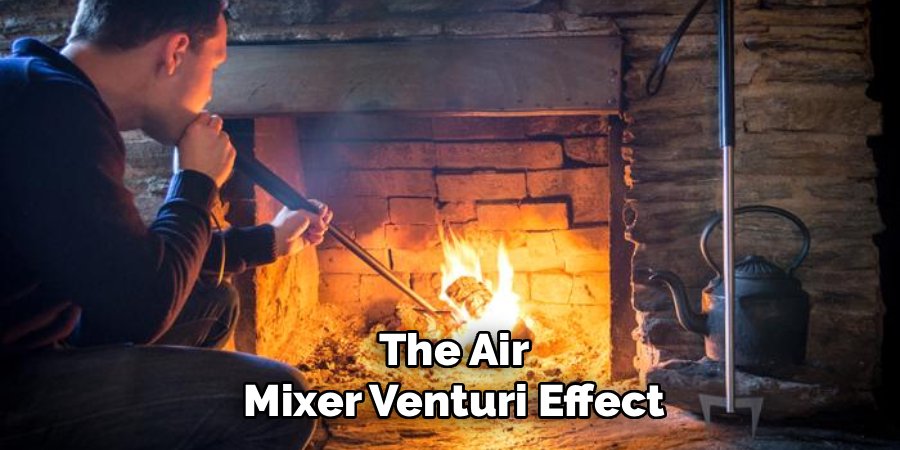
This device uses the Venturi effect, sucking in fresh air from outside to mix with the propane stream. This mixture ensures a cleaner burn, reducing soot buildup on your decorative rocks or fire glass. Without this step, your fire would be smoky and dirty, rather than the clean, yellow-orange flame most homeowners desire for their backyard gathering spots.
Step 5: Entering the Burner Ring
After passing through the control valve and potentially an air mixer, the gas finally arrives at the burner ring. This is typically a stainless steel tube bent into a circle, square, or H-shape, perforated with tiny holes at regular intervals. The gas fills this hollow tube, pressurizing it evenly. The design of the burner ring is crucial because it dictates the shape and pattern of the flames. High-quality burners are made to resist rust and corrosion, ensuring that the holes remain open and unobstructed. As the gas pushes out through these small apertures, it enters the open air, ready to meet the spark that will transform it into heat and light.
Step 6: The Ignition Spark
Now that the gas is escaping from the burner ports, it needs a source of heat to ignite. This is where the ignition system comes into play. In many modern pits, this is an electronic sparker, similar to what you might find on a gas grill. When you press the ignition button, a battery-powered module sends a high-voltage electrical current to an electrode near the burner. This creates a small, rapid spark. Alternatively, in match-lit systems, you manually introduce a flame. The spark meets the stream of gas escaping the burner holes. This instantaneous reaction is the catalyst that turns the invisible fuel flow into visible, dancing flames.
Step 7: Flame Distribution via Media
Once ignited, the flames don’t just shoot straight up; they filter through the decorative media. This media sits on top of the burner ring and can consist of lava rocks, ceramic logs, or fire glass. The media serves a functional purpose beyond just aesthetics: it disperses the flame, making it look more natural and random rather than a uniform ring of fire jets.
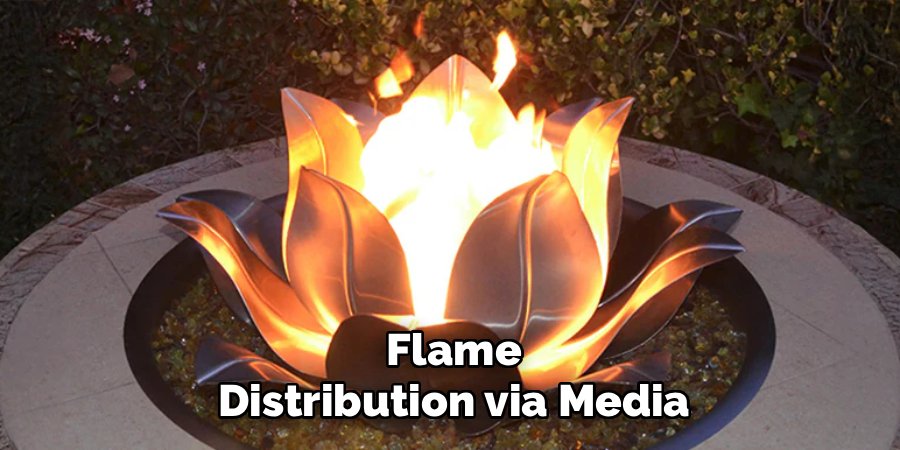
It also retains and radiates heat, keeping the area warm even if the flame height is low. The gas flows around these obstacles, creating the flickering, organic movement that mimics a real wood fire. This step is essential for creating the mesmerizing visual appeal that draws people to the fire pit.
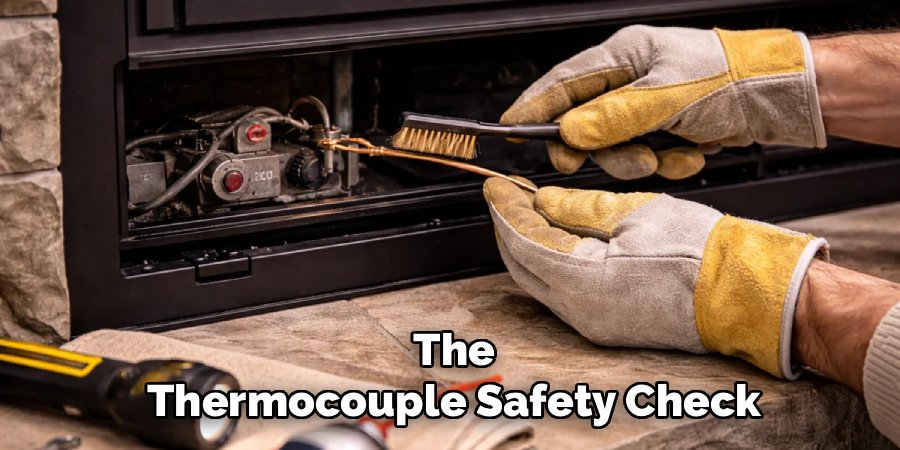
Step 8: The Thermocouple Safety Check
A critical safety feature in understanding how to gas fire pits work is the thermocouple. This small sensor sits right next to the pilot light or main burner. Its job is to detect heat. When you light the fire, the flame heats up the thermocouple, which sends a small electrical signal back to the gas valve, telling it to stay open. If the wind blows the fire out, the thermocouple cools down rapidly. Once it loses heat, it stops sending the signal, and the gas valve automatically snaps shut. This prevents dangerous gas buildup from occurring if the flame is extinguished unintentionally, keeping your garden and family safe during use.
Ventilation and Airflow
Beneath the visible fire, proper ventilation is occurring within the fire pit structure itself. Gas fire pits, especially those built into enclosures, require vents to allow air circulation. This prevents the buildup of unburned gas inside the cavity, which could lead to an explosion. Additionally, it helps keep the internal components from overheating. Cool air is drawn in through lower vents to feed the fire and cool the equipment, while hot air rises and dissipates. This constant cycle of airflow is invisible to the user but is a fundamental part of the physics keeping the unit operating safely and efficiently throughout the evening.
Frequently Asked Questions
What Is The Difference Between Match Lit And Spark Ignition?
Match lit systems are the simplest form of ignition. You turn the gas key to release the fuel and manually light the burner with a long match or lighter. Spark ignition systems, also known as push-button ignition, use a battery-operated or piezoelectric starter to generate a spark automatically.
While match lit offers simplicity and durability, spark ignition provides convenience and is generally easier for beginners to operate safely without getting their hands close to the burner.
Can I Convert My Wood Fire Pit To A Gas One?
Yes, it is possible to convert a wood-burning pit to gas, but it requires a specific insert kit. You will need to install a burner pan, a gas supply line, and proper ventilation. It is critical to ensure the structure can handle the heat and has a way to route the gas plumbing. Because working with gas lines carries risks, hiring a professional plumber or certified gas technician is highly recommended to ensure the conversion meets local safety codes.
Why Is My Gas Fire Pit Flame Burning Blue Instead Of Yellow?
A blue flame usually indicates a very high temperature and complete combustion, which is efficient but often less visually appealing for a decorative fire pit. If you want a more natural yellow or orange flame, you may need to adjust the air mixer (for propane) or check the gas pressure. Too much oxygen in the mix creates a blue flame. Reducing the air intake slightly will lower the combustion efficiency just enough to produce that warm, golden glow you prefer.
Do I Need To Cover My Fire Pit When Not In Use?
Absolutely. Covering your fire pit protects the burner ports and ignition system from rain, dirt, and debris. Water can rust the burner or clog the small gas outlets, leading to uneven flames or failure to light. Leaves and spiderwebs can also block the air mixer or venturi tubes. Using a weather-resistant cover extends the lifespan of your unit significantly and ensures that it is clean, dry, and ready to work whenever you want to use it.
How Long Will A 20lb Propane Tank Last On A Fire Pit?
The lifespan of a standard 20lb propane tank depends heavily on the BTU rating of your fire pit and how high you set the flame. On average, a fire pit rated for 50,000 BTUs will run for approximately 8 to 9 hours on a high setting. If you run the fire at a lower, more moderate setting, you can extend this time to 10 or 12 hours. Keeping a spare tank on hand is always a good idea for long evenings.
Conclusion
Understanding the mechanics of your backyard heating element transforms it from a mysterious box into a manageable and enjoyable asset. By mastering the basics of the fuel supply, the importance of the air mixer, and the safety role of the thermocouple, you can troubleshoot small issues and ensure your evenings remain warm and bright. We hope this guide has demystified the process for you.
Now that you know the science behind the spark, you can confidently maintain your unit and focus on what matters most: relaxing in your garden. Whether you are roasting marshmallows or just enjoying the view, knowing how to gas fire pits work ensures you are always in control of the flame.

About
Jovie Mathews is a backyard and outdoor expert writer with over 12 years of hands-on experience transforming neglected outdoor spaces into thriving gardens and functional retreats. Raised in a family where weekends meant digging in the soil and building raised beds from scratch, Jovie developed a genuine love for the outdoors long before it became a career.
She writes with a practical, no-fluff approach — always testing ideas in her own backyard before sharing them with readers. From composting systems and native plant selection to patio design and pest control, Jovie covers the full spectrum of backyard life with equal parts expertise and enthusiasm.
Education
B.Sc. in Horticulture Science
University of Florida (UF) · Gainesville, FL · 2014
IFAS College of Agricultural and Life Sciences
Minor in Environmental Studies
University of Florida (UF) · Gainesville, FL · 2014
College of Liberal Arts and Sciences
Areas of expertise
- Lawn & Garden Care
- Soil prep, planting, seasonal care
- Outdoor DIY Projects
- Raised beds, fencing, pathways
- Composting & Soil Health
- Organic methods, amendments
- Native Plants & Wildlife
- Pollinators, habitat gardening
When she is not writing, Jovie can be found testing new composting techniques, growing tomatoes in questionable quantities, or convincing her neighbors that clover lawns are actually a great idea. She currently gardens in the Pacific Northwest.