
Owning an Intex hot tub brings endless relaxation, but proper maintenance is key to enjoying it for years to come. A crucial part of that upkeep is knowing how to drain a intex hot tub. While it might seem like a daunting task, the process is straightforward with the right guidance.
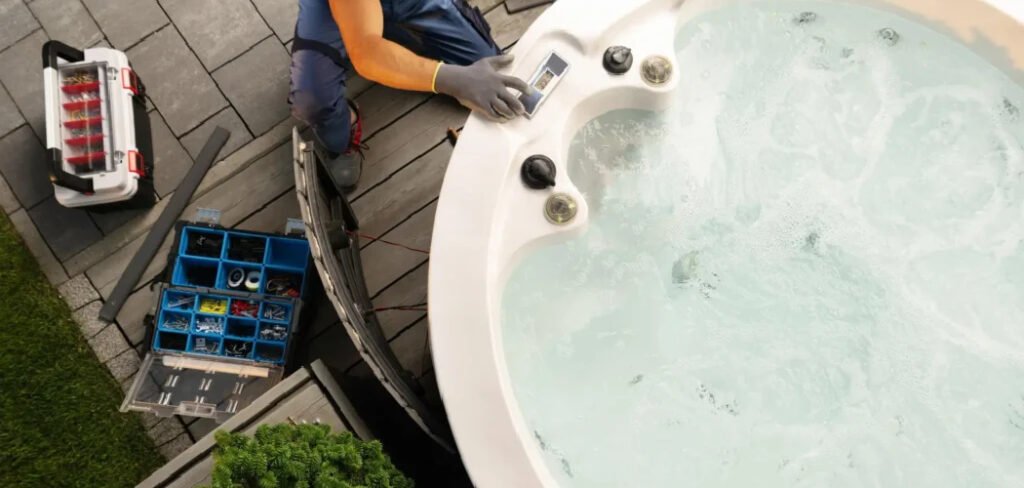
Draining your spa removes old, chemically saturated water, clears out debris, and gives you a chance to give it a thorough cleaning. This guide will walk you through every step, ensuring you can empty your inflatable spa efficiently and safely, paving the way for fresh, clean water and more enjoyable soaks.
Why Draining Your Intex Hot Tub is Important
Regularly draining your Intex hot tub is essential for maintaining water quality and hygiene. Over time, chemicals like chlorine or bromine break down, becoming less effective at sanitizing the water. Body oils, lotions, and other contaminants also accumulate, creating a cloudy and uninviting environment. Draining the tub every three to four months allows you to reset the water chemistry completely. This not only ensures a cleaner, safer, and more pleasant soaking experience but also helps prolong the life of your spa’s pump and internal components by preventing buildup and corrosion.
7 Step-by-Step Guide on How to Drain a Intex Hot Tub
Step 1: Turn Off the Power and Disconnect
Safety is the first priority. Before you begin, you must completely disconnect the spa from its power source. Go to your circuit breaker and switch off the power dedicated to the hot tub. For added security, unplug the control unit from the wall outlet.
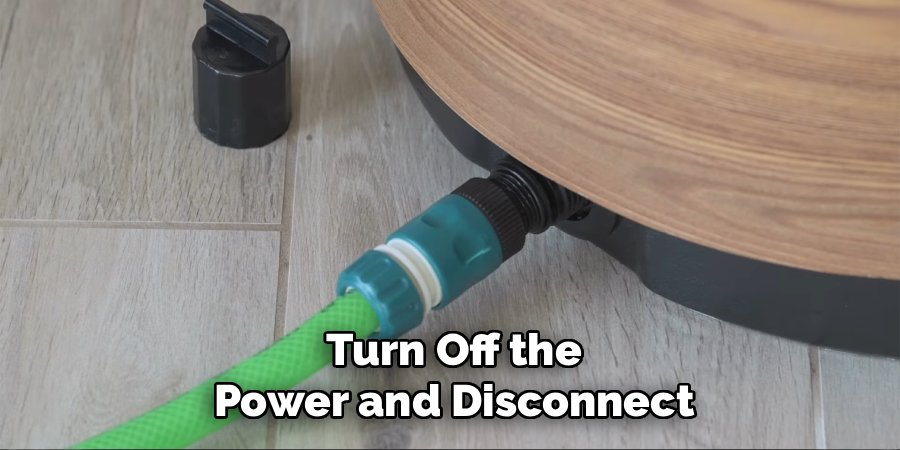
This crucial step prevents any risk of electrical shock while you work with the water and components. Draining an electrical appliance requires careful attention to safety protocols, and ensuring the unit is fully powered down protects both you and the spa’s equipment from potential damage.
Step 2: Locate the Drain Valves
Your Intex hot tub is equipped with two primary drain valves for efficient emptying. The first is a drain plug located on the floor inside the spa, usually covered by a small cap. The second is an external drain valve located near the bottom of the outer wall, close to the control unit. You will also find an air blower outlet, which will be used later to remove residual water. Take a moment to identify these components before proceeding. Understanding their locations will make the subsequent steps much smoother and help you manage the water flow effectively.
Step 3: Attach the Drain Valve Adapter and Hose
Your Intex spa kit includes a special drain valve adapter. This small but essential piece allows you to connect a standard garden hose for controlled draining. First, unscrew the cap from the external drain valve on the outside of the tub. Now, screw the adapter firmly into place. Once the adapter is secure, attach one end of your garden hose to it. Make sure the connection is tight to prevent any leaks. Run the other end of the hose to a suitable drainage area, like a lawn or a dedicated drain, ensuring it is positioned downhill to allow gravity to do the work.
Step 4: Open the Inner Drain Plug
With the hose securely connected and positioned, it’s time to initiate the draining process. Go to the inside of your hot tub and locate the drain plug on the floor. Unscrew this cap to open the inner valve.
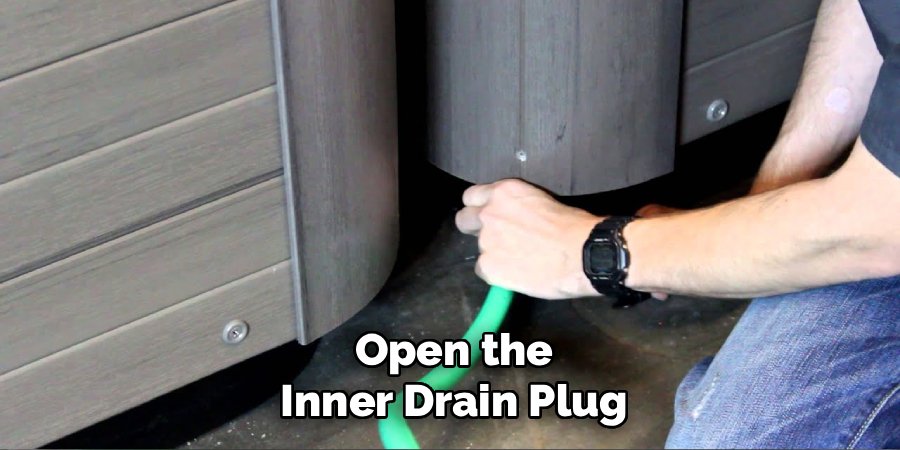
As soon as you remove it, water will begin to flow from the interior of the spa, through the external valve, and out through your garden hose. This is the main step for how to drain an Intex hot tub, so be prepared for the water to start moving immediately. Keep an eye on the hose to ensure it remains in place and the water is flowing freely.
Step 5: Allow the Tub to Drain Completely
Patience is key during this phase. Depending on the size of your Intex model and the diameter of your hose, it can take an hour or more for the majority of the water to drain out. Let gravity do its job. You can gently press on the floor of the spa near the drain to help guide the last inches of water toward the outlet. Avoid walking inside the tub, as this can cause damage to the vinyl floor. Use this time to gather your cleaning supplies for the next steps, such as soft cloths, a gentle cleaner, and a bucket.
Step 6: Use the Inflation Hose to Remove Remaining Water
Once the main flow of water has stopped, you will still have a small amount of water pooled at the bottom and trapped within the spa’s internal plumbing. To remove this, you will use the air blower function.
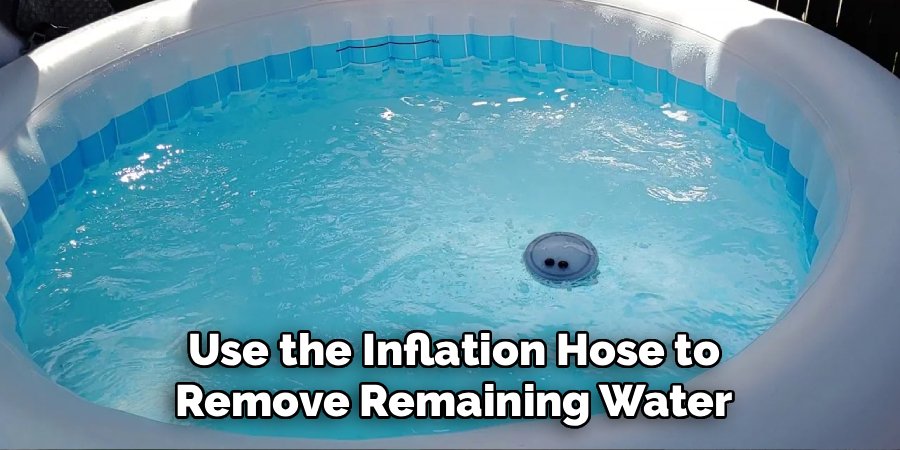
Disconnect the control unit’s inflation hose from the inflation port and attach it to the air blower outlet (often labeled ‘C’ on the control unit). With the other end of the hose detached, turn on the air blower function. This will force air through the system, pushing the last remnants of water out of the pipes and toward the drain.
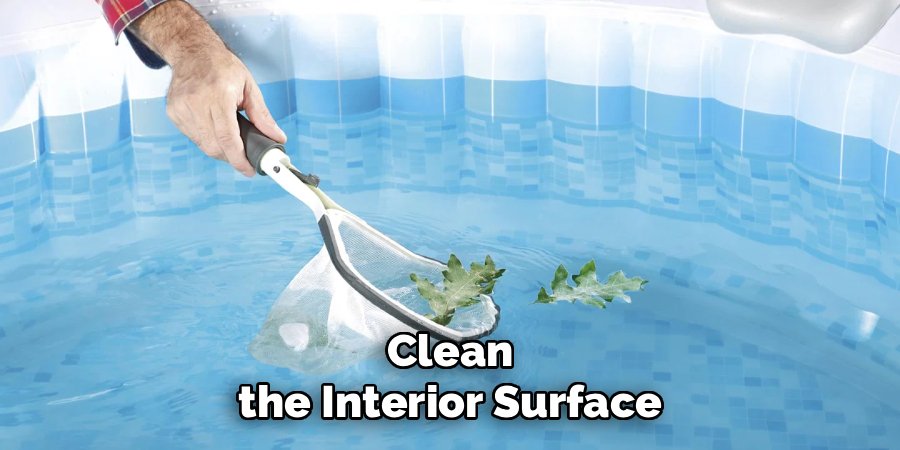
Step 7: Clean the Interior Surface
With the tub now empty, it’s the perfect opportunity for a thorough cleaning. Use a soft cloth or sponge and a mild, non-abrasive cleaner specifically designed for vinyl or spas. Avoid using harsh household chemicals or scrub brushes, as they can scratch the surface and damage the material. Gently wipe down the entire interior, including the walls, floor, and any crevices. Pay special attention to the waterline, where scum and oils tend to accumulate. A simple solution of vinegar and water can be effective for removing mineral deposits.
Rinse and Dry the Hot Tub
After scrubbing the interior, rinse it thoroughly to remove any cleaning residue. You can use your garden hose on a gentle setting or buckets of fresh water. Direct the rinse water toward the open drain to let it flow out. Once rinsed, use dry, soft towels to wipe down the entire interior surface.
Ensuring the tub is completely dry is important, especially if you plan to store it. Any remaining moisture can lead to mold or mildew growth. This final step completes the process of how to drain an Intex hot tub and prepares it for a fresh fill.
Frequently Asked Questions
How Often Should I Drain My Intex Hot Tub?
For optimal water quality and hygiene, it is recommended to drain and refill your Intex hot tub every 3 to 4 months. However, this frequency can change based on how often you use it. If the spa sees heavy use, or if the water becomes persistently cloudy or difficult to balance with chemicals, you may need to drain it more frequently. Regularly testing your water will help you decide when it’s time for a fresh start.
Where Is the Best Place to Drain the Water?
The best place to drain your hot tub water is a location that can handle a large volume of water without causing erosion or flooding. A storm drain is an ideal option. If draining onto your lawn, move the hose periodically to avoid oversaturating one area. Before draining, it’s wise to let the chlorine or bromine level drop to zero (by leaving the cover off for a day or two) to protect your grass and local wildlife from the chemicals.
Can I Use a Sump Pump to Drain My Hot Tub Faster?
Yes, using a submersible sump pump is a popular and much faster alternative to the built-in drain valves. Simply place the pump in the center of the tub, attach a hose, and run it to your drainage area. A sump pump can empty the spa in as little as 10-15 minutes. It’s particularly useful for removing the last few inches of water that gravity draining often leaves behind, making the cleanup process quicker and more efficient.
What Should I Do With My Filter When Draining the Tub?
Draining your hot tub is the perfect time to clean or replace your filter cartridge. Remove the filter from its housing before you start draining. You can rinse it thoroughly with a garden hose to dislodge debris trapped between the pleats. For a deeper clean, soak the filter in a specialized filter cleaning solution. If the filter is more than a month old or shows signs of wear, it’s best to replace it with a new one.
Is It Necessary to Clean the Tub After Draining?
Absolutely. Cleaning the empty shell is one of the most important reasons for draining the tub in the first place. Over time, a layer of biofilm, oils, and grime can build up on the surfaces, which won’t be removed by draining alone. Wiping down the interior with a soft cloth and a spa-safe cleaner removes this residue, preventing contamination of the new water and ensuring your hot tub remains a clean and sanitary environment.
Conclusion
Mastering how to drain an Intex hot tub is a fundamental skill for any owner. By following these simple steps—from safely powering down the unit to cleaning and drying the interior—you ensure the longevity of your spa and the quality of your relaxation time. Regular draining removes chemical buildup and contaminants, paving the way for fresh, clean water that is both safer and more enjoyable. Now that you have a clear roadmap, you can confidently tackle this essential maintenance task and get back to soaking in your pristine hot tub.

About
Jovie Mathews is a backyard and outdoor expert writer with over 12 years of hands-on experience transforming neglected outdoor spaces into thriving gardens and functional retreats. Raised in a family where weekends meant digging in the soil and building raised beds from scratch, Jovie developed a genuine love for the outdoors long before it became a career.
She writes with a practical, no-fluff approach — always testing ideas in her own backyard before sharing them with readers. From composting systems and native plant selection to patio design and pest control, Jovie covers the full spectrum of backyard life with equal parts expertise and enthusiasm.
Education
B.Sc. in Horticulture Science
University of Florida (UF) · Gainesville, FL · 2014
IFAS College of Agricultural and Life Sciences
Minor in Environmental Studies
University of Florida (UF) · Gainesville, FL · 2014
College of Liberal Arts and Sciences
Areas of expertise
- Lawn & Garden Care
- Soil prep, planting, seasonal care
- Outdoor DIY Projects
- Raised beds, fencing, pathways
- Composting & Soil Health
- Organic methods, amendments
- Native Plants & Wildlife
- Pollinators, habitat gardening
When she is not writing, Jovie can be found testing new composting techniques, growing tomatoes in questionable quantities, or convincing her neighbors that clover lawns are actually a great idea. She currently gardens in the Pacific Northwest.