
Having a compact outdoor space doesn’t mean you have to sacrifice style or functionality. In fact, some of the most charming and inviting gardens are petite plots that have been cleverly designed to maximize every inch.
Many homeowners feel limited by square footage, assuming that grand garden ideas belong only on sprawling estates. The truth is, with the right visual tricks and strategic layout choices, you can dramatically alter the perception of space.
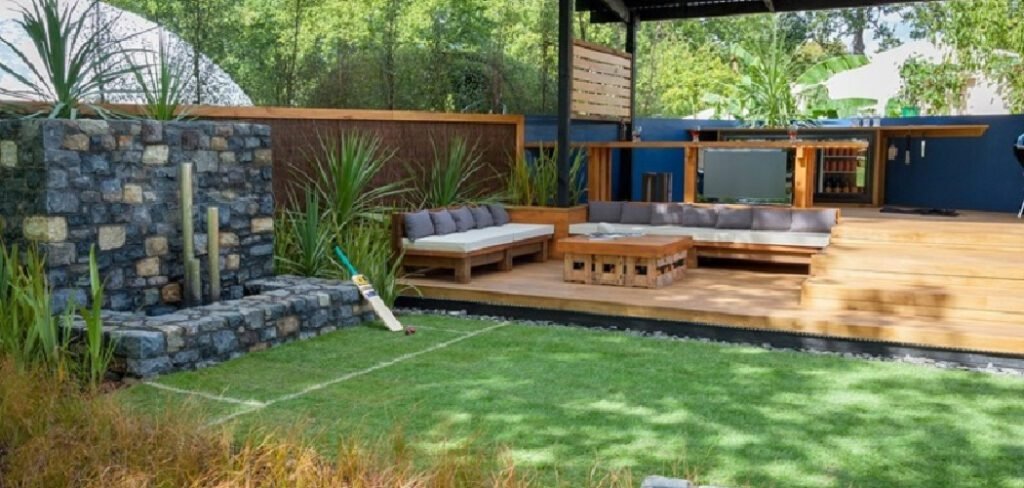
It isn’t about physically pushing back the fences but rather about deceiving the eye and creating a sense of depth and mystery. Whether you have a tiny urban courtyard or a narrow suburban strip, the potential for a spacious-feeling retreat is already there waiting to be unlocked.
This guide is dedicated to teaching you how to make a small backyard look bigger, turning your modest patch of grass into an airy, open sanctuary where you can relax and entertain without ever feeling boxed in.
Creating the illusion of a larger backyard doesn’t require a major renovation or hefty budget. With a few clever design tricks, strategic landscaping, and thoughtful decor choices, you can transform even the smallest outdoor space into a visually expansive haven.
By focusing on elements like layout, color schemes, and vertical space, you can maximize your yard’s potential and make it feel roomy, inviting, and functional.
Step-by-Step Guide: How to Make a Small Backyard Look Bigger
Step 1: Blur the Boundaries with Layered Planting
One of the most effective ways to expand your visual horizon is to disguise where your garden actually ends. Rigid fence lines and stark walls instantly tell the eye exactly how limited the space is. To counter this, employ a strategy of layered planting along the perimeter.
Start with taller shrubs or bamboo at the back, followed by medium-height perennials, and finally low-growing ground cover at the front. This graduation of height and texture softens hard edges and creates a sense of depth.
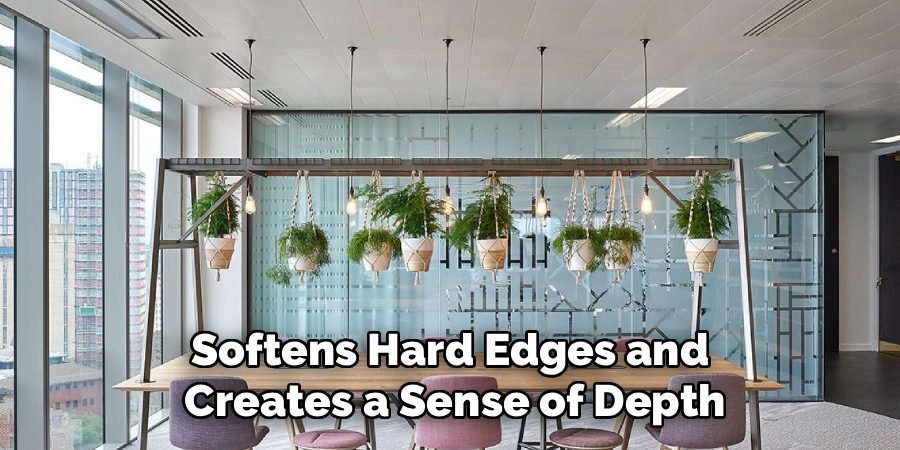
By hiding the fence line with lush greenery, you create a “green box” effect where the viewer cannot quite tell where your property stops and the neighbor’s begins, making the area feel infinite rather than enclosed.
Step 2: Utilize Vertical Gardening to Draw the Eye Up
When floor space is at a premium, the only way to go is up. Vertical gardening is a crucial technique for anyone learning how to make a small backyard look bigger because it forces the eye to travel upwards, emphasizing volume rather than just surface area. Install trellises, wall-mounted planters, or hanging baskets to lift greenery off the ground.
Training climbing plants like jasmine, ivy, or clematis up a fence or pergola adds lushness without eating up valuable square footage. This approach not only adds visual interest to boring walls but also creates a feeling of being enveloped by nature.
It tricks the brain into perceiving the space as a three-dimensional room rather than a flat, two-dimensional plane.
Step 3: Create Distinct Zones for Functionality
Paradoxically, breaking up a small space can actually make it feel larger. If you can see the entire garden in one glance, the brain instantly registers its small size. By creating distinct “rooms” or zones—such as a dining area, a lounging spot, and a reading nook—you create a journey for the eye.
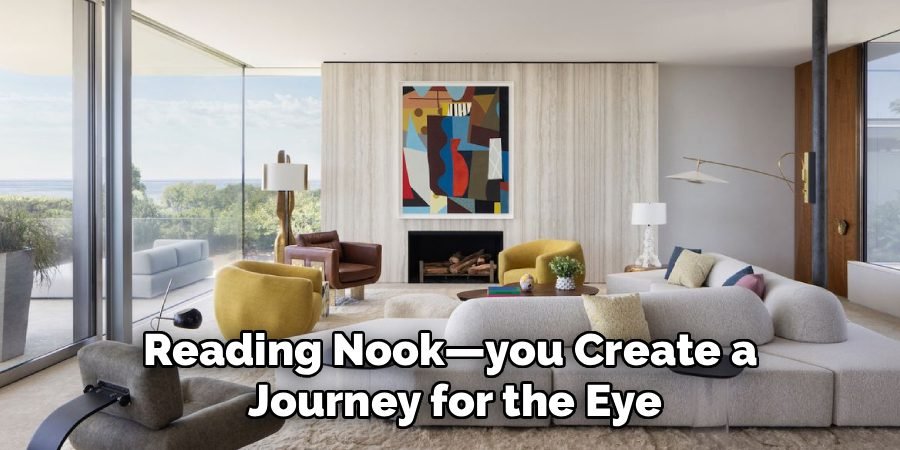
Use different flooring materials like decking, gravel, or paving stones to define these areas subtly. You can also use tall potted plants or open shelving to act as semi-transparent dividers.
This segmentation stops the eye from taking everything in at once, creating a sense of intrigue and encouraging movement through the space. It implies that there is more to discover, which psychologically expands the perceived boundaries.
Step 4: Use Mirrors to Double the View
Just as interior designers use mirrors to expand small apartments, garden designers use them to bounce light and duplicate views outdoors. Placing a large, weather-resistant mirror on a garden wall or fence creates an instant portal effect.
Position the mirror so it reflects a beautiful plant or a pathway, avoiding the reflection of boring items like trash cans or air conditioning units. When placed correctly, a mirror acts like a window into another garden, tricking the mind into thinking the space continues beyond the wall.
To make the illusion even more convincing, soften the edges of the mirror with climbing plants or trailing vines so it blends seamlessly into the surroundings rather than looking like a piece of furniture.
Step 5: Choose Furniture with Slim Profiles
Bulky, solid furniture can dominate a small patio, blocking sightlines and making the area feel cluttered and claustrophobic. To maintain an open and airy atmosphere, opt for furniture with slim profiles and open weaves.
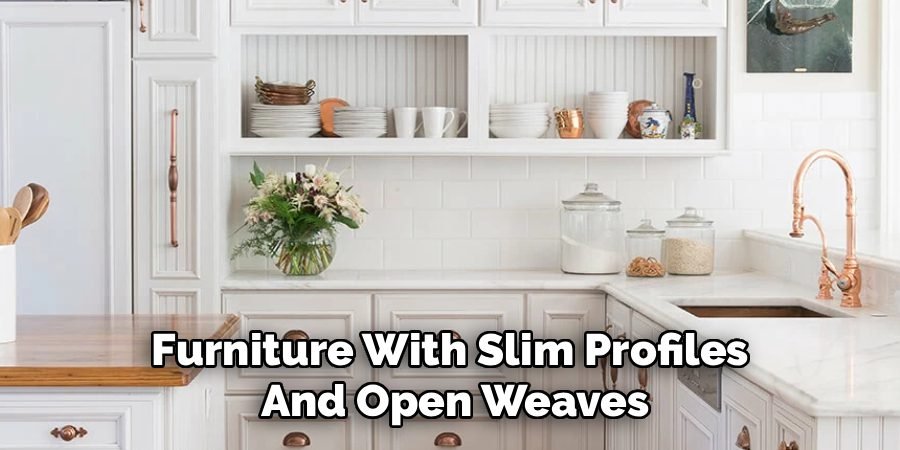
Bistro sets with slender metal legs, see-through acapulco chairs, or glass-topped tables are excellent choices because they allow light to pass through them. Being able to see the floor through and under your furniture increases the visible surface area, which helps the brain perceive the space as larger.
Additionally, consider multi-functional furniture like benches with hidden storage to keep clutter at bay. Keeping the visual weight of your furnishings low is a subtle but powerful tactic in the quest to expand your outdoor footprint.
Step 6: Master the Art of Perspective with Pathways
You can manipulate perspective to create an optical illusion of length in your garden. When designing a pathway, avoid straight lines that run parallel to the house, as these can make a short garden feel even shorter. Instead, create a tapered path that gets slightly narrower as it moves away from the viewing point.
This forced perspective trick makes the end of the path seem further away than it actually is. Alternatively, a winding or curved path that disappears behind a large shrub or planting bed suggests that the garden continues around the bend.
This element of mystery is essential when figuring out how to make a small backyard look bigger, as it implies hidden depths that exceed the actual property lines.
Step 7: Stick to a Unified Color Palette
A riot of clashing colors can make a small space feel chaotic and busy, which visually shrinks it. To create a calm, expansive feeling, stick to a restricted color palette for both your plants and your hardscaping. Cool colors like blues, purples, and whites tend to recede visually, making the borders of the garden feel more distant.
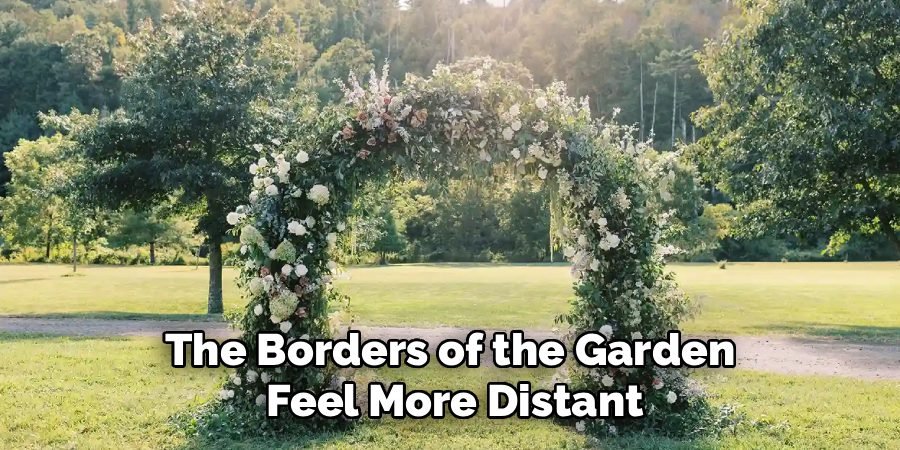
Bright, hot colors like red and orange advance, making walls feel closer. A monochromatic scheme, using various shades of green and white, is particularly effective for maximizing space because it reduces visual noise.
By keeping the tones harmonious and consistent, you allow the eye to glide smoothly across the landscape without stopping abruptly at jarring focal points, creating a seamless and spacious flow.
Frequently Asked Questions (FAQ)
Can Painting My Fences Help the Space Look Bigger?
Yes, paint color has a massive impact on spatial perception.
- Dark Colors: Painting fences in dark charcoal or black might seem counterintuitive, but these colors recede and make green foliage pop, effectively making the boundaries “disappear.”
- Light Colors: White or cream reflects light, making the space feel airier and brighter, though it clearly defines the border.
- Green: Matching the fence to the foliage helps blur the lines completely.
Is It Better to Have Small or Large Paving Stones?
Surprisingly, using larger paving stones works better for small spaces.
- Less Clutter: Small pavers or bricks create many grout lines, which can look busy and grid-like, visually shrinking the floor.
- Continuity: Large format slabs create a seamless, less interrupted surface that feels more expansive.
- Orientation: Laying rectangular pavers lengthwise can also draw the eye and elongate the space.
Should I Remove Trees to Open Up the Space?
Not necessarily; trees can actually add necessary height and volume.
- Canopy: Choose trees with a high canopy (or prune them up) so you keep the ground level open and clear while enjoying the ceiling of leaves.
- Scale: A vertical element prevents the “fishbowl” effect where you feel exposed.
- Privacy: Trees provide privacy from overlooking neighbors, which makes a small space feel more secure and usable.
How Does Lighting Affect the Size of the Backyard?
Lighting is crucial for extending the usability of the space and its perceived size at night.
- Uplighting: Shine lights up into trees or onto walls to draw the eye to the boundaries, preventing the “black hole” effect outside your window.
- Layering: Use strings of festoon lights overhead to create a ceiling, and path lights to define the floor.
- Focus: Illuminating the furthest corners of the yard ensures you see the full depth of the space, not just the patio.
Is Grass Necessary for a Small Backyard?
No, grass is often not the best use of space in a tiny garden.
- Maintenance: Mowing a tiny strip of lawn is a hassle.
- Function: Replacing grass with decking or patio pavers often makes the space more usable for furniture and entertaining.
- Alternatives: If you want greenery on the ground, consider artificial turf, moss, or clover, which require less maintenance and stay green year-round.
Conclusion
Transforming a compact garden is less about the physical dimensions and more about how you direct the eye and manage light. By employing strategies like vertical gardening, cohesive color schemes, and smart furniture choices, you can break free from the feeling of confinement.
It is all about creating illusions—making walls disappear behind foliage, using mirrors to double views, and laying paths that hint at hidden destinations. These design principles prove that you do not need acres of land to have a sanctuary that feels open and breathable.
Remember that a small garden offers an intimacy and coziness that large estates often lack, so embrace the charm while enhancing the space. Now that you are equipped with the knowledge of how to make a small backyard look bigger, you can step outside and start curating an outdoor oasis that feels limitless.

About
Jovie Mathews is a backyard and outdoor expert writer with over 12 years of hands-on experience transforming neglected outdoor spaces into thriving gardens and functional retreats. Raised in a family where weekends meant digging in the soil and building raised beds from scratch, Jovie developed a genuine love for the outdoors long before it became a career.
She writes with a practical, no-fluff approach — always testing ideas in her own backyard before sharing them with readers. From composting systems and native plant selection to patio design and pest control, Jovie covers the full spectrum of backyard life with equal parts expertise and enthusiasm.
Education
B.Sc. in Horticulture Science
University of Florida (UF) · Gainesville, FL · 2014
IFAS College of Agricultural and Life Sciences
Minor in Environmental Studies
University of Florida (UF) · Gainesville, FL · 2014
College of Liberal Arts and Sciences
Areas of expertise
- Lawn & Garden Care
- Soil prep, planting, seasonal care
- Outdoor DIY Projects
- Raised beds, fencing, pathways
- Composting & Soil Health
- Organic methods, amendments
- Native Plants & Wildlife
- Pollinators, habitat gardening
When she is not writing, Jovie can be found testing new composting techniques, growing tomatoes in questionable quantities, or convincing her neighbors that clover lawns are actually a great idea. She currently gardens in the Pacific Northwest.