

When a winter storm hits, the last thing you want is to be trapped inside—or outside—because your sliding patio door is frozen solid. A stuck door is more than just an inconvenience; it can be a safety hazard, blocking a potential exit route. The problem usually starts with condensation.
Warm, moist air from inside your home hits the cold glass and metal frame of the door, creating water droplets. As outside temperatures plummet, this moisture freezes in the tracks, in the lock, and between the seals, effectively gluing your door shut.
The good news is that preventing this frustrating winter issue is entirely possible with a bit of proactive maintenance.
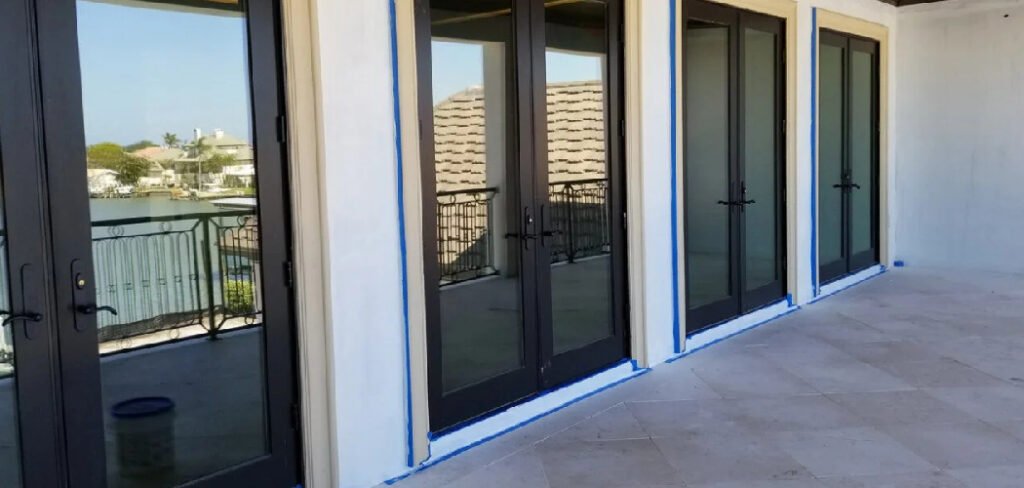
This guide will provide simple, effective methods on how to keep sliding patio door from freezing, ensuring you have easy access to your backyard all season long.
Winter brings its own set of challenges, especially when it comes to maintaining the functionality of your home’s features. A frozen sliding patio door can disrupt daily activities and limit access to outdoor spaces, adding unnecessary hassle to the colder months.
However, with the right techniques and a little preparation, you can safeguard your door against freezing conditions and keep it operating smoothly throughout the season.
7 Step-by-Step Guide on How to Keep Sliding Patio Door from Freezing
Step 1: Thoroughly Clean the Tracks and Weep Holes
The first line of defense against a frozen door is a clean track. Over time, the bottom track of your sliding door accumulates dirt, leaves, pet hair, and other debris. This buildup can trap moisture, which is the primary ingredient for ice formation. To start, use a vacuum cleaner with a crevice tool to suck up all the loose debris from the track.
Afterward, take a stiff brush and a mixture of mild soap and water to scrub away any caked-on grime. While you are down there, locate the small weep holes on the exterior side of the track.
These holes are designed to drain water out, but they often get clogged. Use a paperclip or a piece of wire to clear them out, ensuring water has a clear path to escape instead of pooling and freezing.
Step 2: Apply a Silicone-Based Lubricant
Once the tracks are perfectly clean and dry, the next step is to apply a lubricant. This is crucial because it creates a water-repellent barrier that prevents ice from bonding to the metal or vinyl surfaces. It is essential to use a silicone-based spray lubricant, not an oil-based one like WD-40.
Oil-based products attract dirt and can become gummy in cold temperatures, making the problem worse over time. Spray a generous amount of the silicone lubricant along the entire length of both the top and bottom tracks.
Use a clean cloth to wipe away any excess and to ensure an even coating. This slick surface will not only help prevent freezing but will also make your door glide more smoothly.
Step 3: Improve Weatherstripping
Worn-out weatherstripping is a major culprit behind a frozen door. These felt or rubber seals run along the edges of the door panels and are designed to block drafts and moisture. Over time, they become compressed, cracked, or torn, allowing cold air and moisture to seep in. Inspect all the weatherstripping around your door frame.
If you see visible damage or feel a draft when the door is closed, it is time for a replacement. You can buy rolls of self-adhesive weatherstripping from any hardware store.
Carefully peel off the old seals, clean the surface thoroughly with alcohol, and apply the new strips firmly in place. This is a critical part of learning how to keep sliding patio door from freezing because it stops moisture at the source.
Step 4: Check and Adjust the Door’s Rollers
A misaligned door that does not close properly can create gaps that let in cold, moist air. Often, this is caused by worn or misaligned rollers at the bottom of the sliding panel. With the door open, look for small adjustment screws on the side or bottom edge of the door panel.
Turning these screws will raise or lower the rollers, allowing you to level the door so it sits squarely in the frame. If the door still drags or wobbles after adjustment, the rollers themselves might be damaged and need to be replaced.
Ensuring the door creates a tight, even seal when closed is essential for preventing the condensation that leads to ice buildup.
Step 5: Install a Plastic Film Insulation Kit
For older, less efficient double-pane doors, condensation on the glass itself can be a major source of the water that freezes in the tracks. An inexpensive and highly effective solution is to install a window insulation kit. These kits come with a large sheet of clear plastic film and double-sided tape.
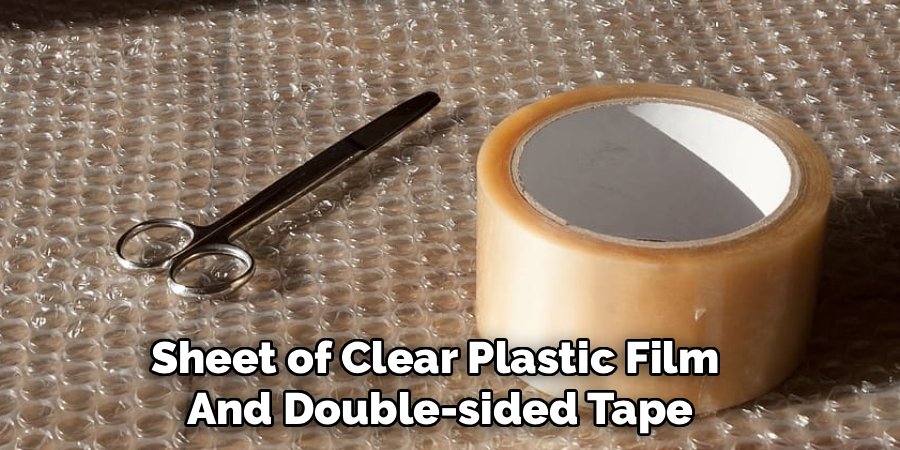
You apply the tape around the interior door frame and then attach the plastic film, creating a trapped layer of air. This air gap acts as an extra layer of insulation, keeping the interior glass pane warmer and significantly reducing condensation. After applying the film, you use a hairdryer to shrink it tight, making it nearly invisible.
Step 6: Manage Your Home’s Indoor Humidity
The amount of moisture inside your home directly impacts how much condensation forms on your windows and doors. In the winter, activities like cooking, showering, and even breathing release a significant amount of water vapor into the air. If your home is too humid, you will constantly be fighting a losing battle against condensation.
Aim to keep your indoor humidity level between 30% and 40% during the cold months. You can monitor this with a cheap hygrometer.
If your humidity is too high, use exhaust fans in your kitchen and bathroom, and consider running a dehumidifier in the area near your patio door to remove excess moisture from the air.
Step 7: Use De-Icing Products Preventatively
If you live in a particularly harsh climate where freezing is a constant battle, you can use de-icing products as a final preventative measure. After cleaning and lubricating your tracks, you can lightly sprinkle a small amount of a calcium chloride-based de-icer in the bottom track.

Unlike rock salt (sodium chloride), calcium chloride is less corrosive to metal and works at much lower temperatures. A very light dusting is all that is needed to prevent any collected moisture from turning into ice.
This is an extreme measure but can be an effective part of a strategy for how to keep sliding patio door from freezing in the most severe winter conditions.
Frequently Asked Questions (FAQ)
My Door Is Already Frozen. How Do I Open It Safely?
Never use force, as you can damage the door’s frame, seals, or glass.
- Heat: Gently warm the track from the inside using a hairdryer on a low setting. This will slowly melt the ice.
- De-Icer: Apply a commercial de-icing spray (like the kind used for car windshields) to the track to quickly melt the ice.
- Warm Water: As a last resort, pour a small amount of lukewarm water into the track, but be sure to dry it completely afterward to prevent refreezing.
Is It Okay to Use WD-40 on My Door Tracks?
It is not recommended. While WD-40 is a good lubricant in the short term, it is an oil-based product that attracts dust and dirt.
Over time, this mixture creates a sticky grime in your door track that can make it harder to slide and can trap more moisture, ultimately making the freezing problem worse. Always opt for a silicone-based or PTFE-based lubricant for sliding doors and windows.
Why Is There So Much Condensation on My Patio Door?
Condensation forms when warm, moist air inside your house comes into contact with the cold surface of the door’s glass. This is especially common with older, less energy-efficient double-pane doors.
The best long-term solution is to upgrade to a modern, high-performance door with better insulation, but you can manage it in the short term by lowering indoor humidity and using a window film insulation kit.
Will Thermal Curtains Help Prevent Freezing?
Yes, thermal curtains can be a great help. They create an insulating barrier between the room’s warm air and the cold glass surface. By keeping the interior pane of glass warmer, they significantly reduce the amount of condensation that can form.
When condensation is reduced, there is less water to drip down into the track and freeze. For best results, ensure the curtains are closed, especially overnight when temperatures are at their lowest.
Can a Frozen Lock Damage My Door?
Yes, forcing a key into a frozen lock or trying to force the lock mechanism can cause significant damage. The delicate internal tumblers can break, or the key itself can snap off inside the lock.
If your lock is frozen, warm the key with your hands or a lighter (carefully!) before inserting it, or use a lock de-icer spray to thaw it out gently. Never pour water directly into a lock.
Conclusion
A frozen sliding patio door is a common winter annoyance, but it does not have to be an inevitable one. By taking a proactive approach focused on cleanliness, lubrication, and insulation, you can keep your door functioning smoothly even on the coldest days.
A clean and clear track, combined with new weatherstripping and a slick silicone coating, creates an environment where ice simply cannot get a grip. Managing indoor humidity and adding a layer of plastic film further stack the odds in your favor.
With these simple maintenance tasks, you are not just fixing a problem; you are preventing it. Now that you know how to keep sliding patio door from freezing, you can ensure your door remains a reliable gateway to your outdoor space, no matter what winter throws at it.

About
Jovie Mathews is a backyard and outdoor expert writer with over 12 years of hands-on experience transforming neglected outdoor spaces into thriving gardens and functional retreats. Raised in a family where weekends meant digging in the soil and building raised beds from scratch, Jovie developed a genuine love for the outdoors long before it became a career.
She writes with a practical, no-fluff approach — always testing ideas in her own backyard before sharing them with readers. From composting systems and native plant selection to patio design and pest control, Jovie covers the full spectrum of backyard life with equal parts expertise and enthusiasm.
Education
B.Sc. in Horticulture Science
University of Florida (UF) · Gainesville, FL · 2014
IFAS College of Agricultural and Life Sciences
Minor in Environmental Studies
University of Florida (UF) · Gainesville, FL · 2014
College of Liberal Arts and Sciences
Areas of expertise
- Lawn & Garden Care
- Soil prep, planting, seasonal care
- Outdoor DIY Projects
- Raised beds, fencing, pathways
- Composting & Soil Health
- Organic methods, amendments
- Native Plants & Wildlife
- Pollinators, habitat gardening
When she is not writing, Jovie can be found testing new composting techniques, growing tomatoes in questionable quantities, or convincing her neighbors that clover lawns are actually a great idea. She currently gardens in the Pacific Northwest.