

Finding rodents scurrying through your vegetable patch or nesting near your patio can be distressing for any homeowner. These small pests are not only unsightly but can also carry diseases and cause significant damage to the plants you have worked so hard to nurture. Fortunately, you do not have to resort to harsh chemicals immediately to reclaim your outdoor sanctuary.
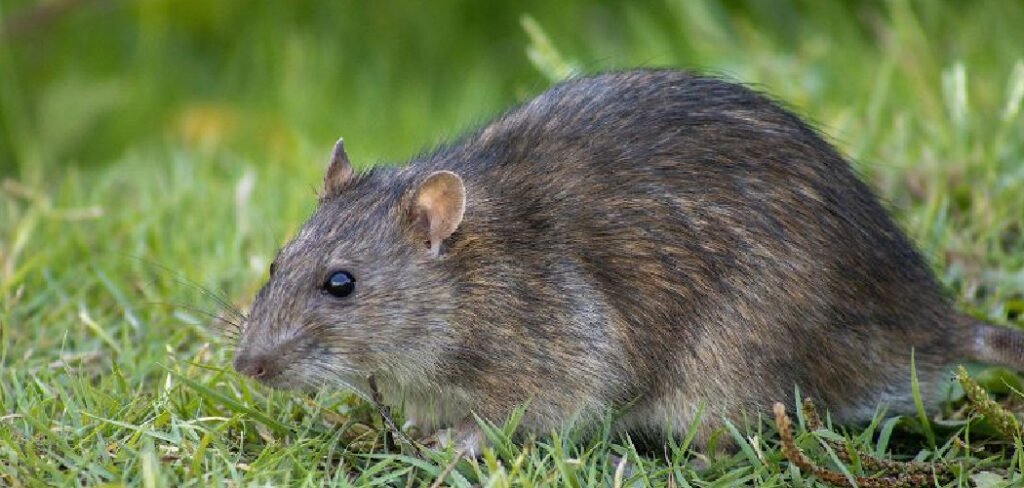
By understanding what attracts them and removing those incentives, you can create a mouse-free zone. In this article, we will walk you through a comprehensive plan on how to get rid of mouse in backyard areas effectively, ensuring your garden remains a safe, clean, and thriving environment for your family and your plants.
Why Keeping Your Yard Mouse-Free Matters
Ignoring a mouse problem in your outdoor space is rarely a good idea because these pests multiply rapidly. A single pair of mice can produce dozens of offspring in a single year, quickly turning a minor annoyance into a full-blown infestation that threatens your home’s hygiene. Beyond the sheer numbers, mice are vectors for various parasites and diseases, such as Hantavirus and Salmonella, which can be transmitted through their droppings and urine found in soil or near play areas.
Furthermore, mice are destructive to the garden itself. They are known to dig up freshly planted bulbs, gnaw on the bark of young trees, and raid vegetable gardens right before harvest time. Protecting your backyard is not just about pest control; it is about preserving the structural integrity of your sheds, the health of your soil, and the safety of your outdoor living space. Taking action now prevents them from seeking warmth inside your house when the weather turns cold.
7 Step-by-Step Guide on How to Get Rid of Mouse in Backyard
Step 1: Conduct a Thorough Inspection
Before you can effectively address the problem, you must understand the scope of the infestation by conducting a detailed inspection of your property. You should walk around your entire yard during the day and look for specific signs of mouse activity, such as small droppings near walls, gnaw marks on wood or plastic, and well-worn runways through the grass.
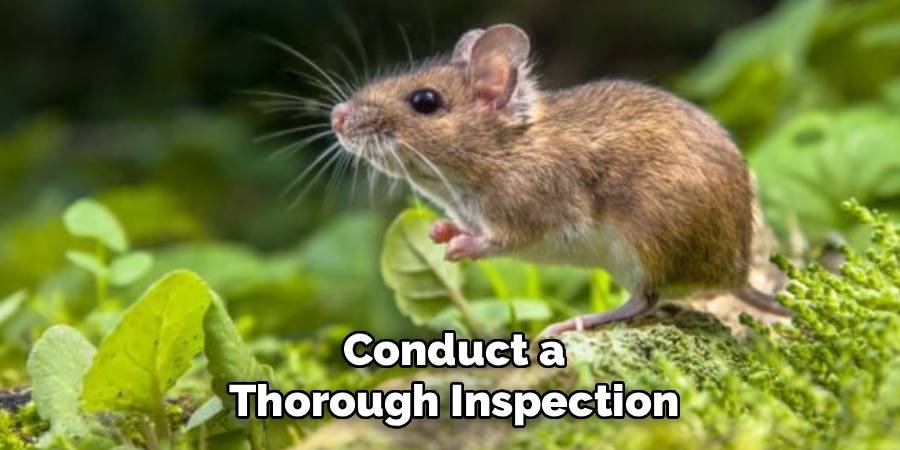
Pay close attention to the foundations of your home, the perimeter of any sheds, and areas where utilities enter buildings. Identifying where they are nesting and feeding is crucial because it allows you to target your efforts precisely. If you skip this investigative phase, you might waste time placing traps or repellents in areas the mice do not frequent.
Step 2: Eliminate Outdoor Food Sources
Mice are driven primarily by the search for food, and your backyard likely offers an all-you-can-eat buffet if you are not careful. You must systematically remove or secure every potential food source that might be attracting them to your property. This involves storing bird seed in metal, chew-proof containers and sweeping up spilled seeds under feeders daily, as this is a top attractant for rodents. If you feed pets outside, stop doing so immediately or ensure no food is left out overnight. You should also check your compost pile; avoid adding meat, dairy, or cooked grains, which are highly attractive to mice. By starving them out, you force them to move elsewhere to survive.
Step 3: Remove Shelter and Declutter
Mice feel safe when they have plenty of places to hide from predators, so a cluttered yard is essentially an invitation for them to move in. You need to relentlessly clear away debris piles, old lumber, unused pots, and dense brush that sit near your home’s foundation. Keep your firewood elevated off the ground on a rack and store it at least twenty feet away from the house to prevent it from becoming a nesting site. Heavy vegetation and tall grass provide cover for rodents to travel unseen, so keeping your lawn trimmed and garden beds weeded disrupts their sense of security. The more open and exposed the ground is, the less comfortable they will feel settling in your yard.
Step 4: Seal Entry Points to Structures
While your focus is the backyard, mice often use the yard as a staging ground to enter sheds, garages, and eventually your home. You must inspect the exterior of all outbuildings and your main house for any cracks or holes larger than a dime. Use steel wool mixed with caulking to seal these gaps because mice cannot chew through the steel fibers.
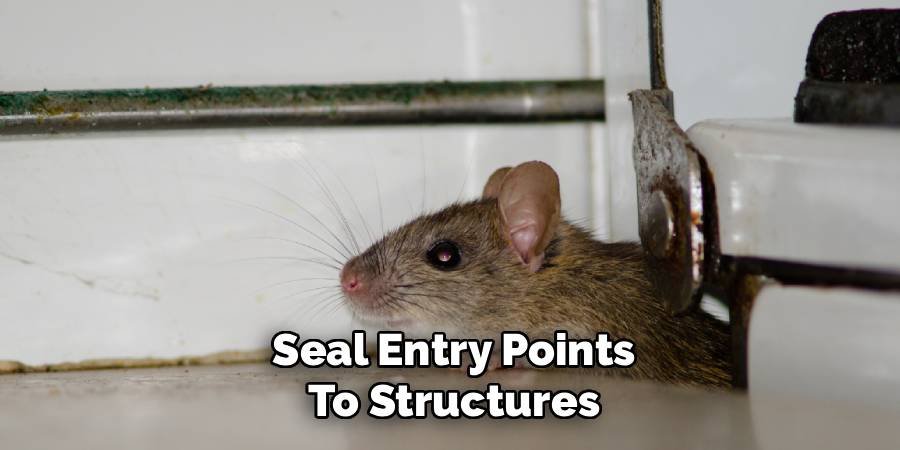
Pay special attention to gaps around pipes, vents, and door frames. Installing door sweeps on shed doors and garage entrances creates a physical barrier that stops them from accessing warm nesting spots. This exclusion tactic is vital because it limits their territory and protects your tools and storage from contamination.
Step 5: Utilize Natural Scent Repellents
Mice have an incredibly sensitive sense of smell, which you can use to your advantage by introducing scents they find overwhelming or offensive. Peppermint oil is a popular choice; you can soak cotton balls in 100% pure peppermint oil and place them in areas where you have seen activity, such as near compost bins or shed corners. Alternatively, planting strong-smelling herbs like mint, lavender, and daffodils around the perimeter of your garden can act as a living barrier. While these natural repellents are safer for the environment than poisons, they do require regular reapplication, especially after rain, to maintain their potency and keep the rodents at bay effectively.
Step 6: Encourage Natural Predators
One of the most effective, hands-off methods for controlling a mouse population is to encourage the presence of their natural predators in your ecosystem. Barn owls and hawks are excellent hunters that can consume huge numbers of rodents every season. You can attract these raptors by installing owl boxes high up in trees or on tall poles in quiet areas of your property. Even owning a cat or a dog that spends time in the backyard can be a significant deterrent; the mere scent of a predator often scares mice away. By fostering a biodiverse environment where predators thrive, you create a natural balance that keeps rodent numbers low without human intervention.
Step 7: Set Strategic Traps
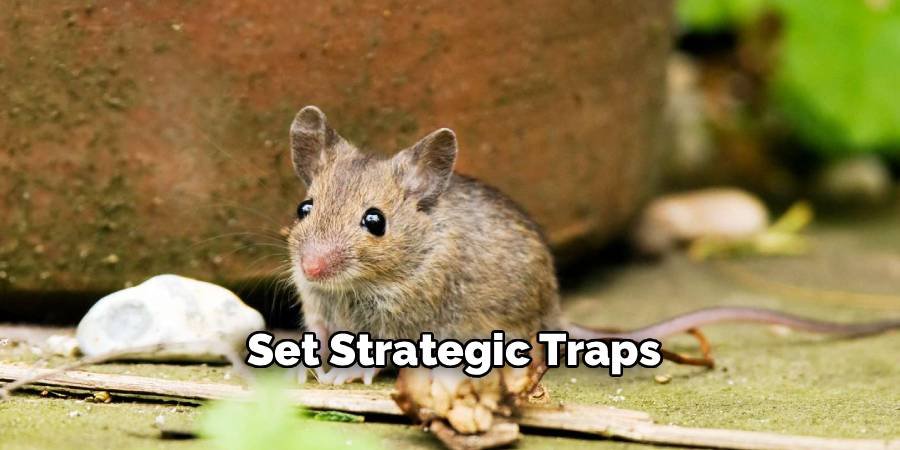
If the infestation is established, deterrents alone may not be enough, and you will need to reduce the population through trapping. You should place snap traps or humane live-catch traps perpendicular to walls or fences where mice are known to travel. Peanut butter is often a more effective bait than cheese because it is sticky and emits a strong aroma that mice love. Check these traps every single morning to dispose of any caught mice or release them far away from your home, depending on your chosen method. Consistency is key here; keep resetting the traps until you no longer see signs of activity for several days.
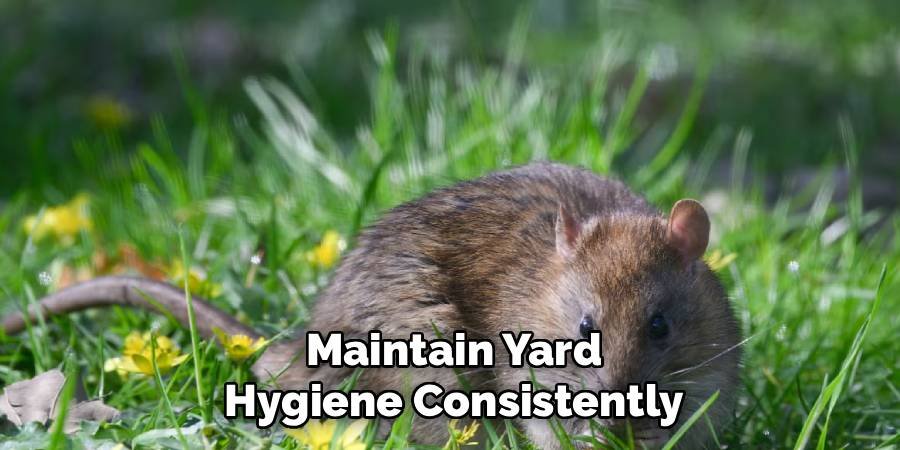
Maintain Yard Hygiene Consistently
The final and perhaps most critical step is the ongoing maintenance of your outdoor space to prevent a recurrence of the infestation. You must establish a routine of regular garden hygiene that includes harvesting vegetables as soon as they are ripe and picking up fallen fruit from trees immediately. Rotting produce on the ground is a beacon for pests.
Continue to mow the lawn regularly and trim back shrubs that touch your house to break the “bridge” mice use to access upper levels. By staying vigilant and keeping your yard tidy throughout the changing seasons, you ensure that your property remains unappealing to rodents long-term, solving the issue of how to get rid of mouse in backyard spaces permanently.
Frequently Asked Questions
What are the first signs of a mouse infestation outdoors?
You will typically notice small, dark droppings that look like grains of rice near building foundations or woodpiles. Other clear indicators include:
- Gnaw marks on garden hoses, plastic bins, or wooden furniture.
- Burrows or small holes in the ground, usually about 1-2 inches in diameter.
- Damaged crops, especially root vegetables or low-hanging fruit that has been partially eaten.
Can I use poison to kill mice outside?
Using poison outdoors is generally discouraged because of the high risk to non-target animals. Rodenticides can accidentally poison pets, beneficial wildlife like owls and foxes, and even children who might come into contact with the bait. Secondary poisoning occurs when a predator eats a poisoned mouse, which can disrupt the local ecosystem. It is much safer to rely on trapping, exclusion, and natural repellents.
How long does it take to get rid of mice in the garden?
The timeline varies depending on the severity of the infestation and the methods used. If you catch the problem early and aggressively remove food sources and shelter, you might see results in one to two weeks. However, for established populations, it may take a month or more of consistent trapping and cleaning to completely eradicate them. Consistency is the most important factor in speeding up the process.
Will cutting the grass really help keep mice away?
Yes, maintaining a short lawn is a highly effective deterrent. Mice are prey animals and rely on tall grass and dense vegetation to hide from predators like hawks, owls, and cats. When you keep the grass short and trim back overgrown bushes, you remove their cover, making the environment feel unsafe for them. This exposure forces them to move to areas with better protection.
Are outdoor mice dangerous to my pets?
Outdoor mice can pose health risks to dogs and cats. They carry parasites like fleas, ticks, and mites that can transfer to your pets. Additionally, mice can transmit diseases such as Leptospirosis through their urine, which can be fatal to dogs if unvaccinated. If your pet catches and eats a mouse, they risk contracting intestinal worms or secondary poisoning if the mouse had consumed bait elsewhere.
Conclusion
Reclaiming your outdoor space from rodents requires a combination of vigilance, hygiene, and strategic action. By inspecting your property, removing food and shelter, and employing natural deterrents, you can create an environment where mice simply cannot thrive. Remember that consistency is your best weapon; maintaining a clean and tidy garden will prevent new populations from establishing themselves in the future. We encourage you to start with the first step today—walk your perimeter and identify those entry points. With patience and effort, you will master how to get rid of mouse in backyard environments and enjoy a peaceful, pest-free garden once again.

About
Jovie Mathews is a backyard and outdoor expert writer with over 12 years of hands-on experience transforming neglected outdoor spaces into thriving gardens and functional retreats. Raised in a family where weekends meant digging in the soil and building raised beds from scratch, Jovie developed a genuine love for the outdoors long before it became a career.
She writes with a practical, no-fluff approach — always testing ideas in her own backyard before sharing them with readers. From composting systems and native plant selection to patio design and pest control, Jovie covers the full spectrum of backyard life with equal parts expertise and enthusiasm.
Education
B.Sc. in Horticulture Science
University of Florida (UF) · Gainesville, FL · 2014
IFAS College of Agricultural and Life Sciences
Minor in Environmental Studies
University of Florida (UF) · Gainesville, FL · 2014
College of Liberal Arts and Sciences
Areas of expertise
- Lawn & Garden Care
- Soil prep, planting, seasonal care
- Outdoor DIY Projects
- Raised beds, fencing, pathways
- Composting & Soil Health
- Organic methods, amendments
- Native Plants & Wildlife
- Pollinators, habitat gardening
When she is not writing, Jovie can be found testing new composting techniques, growing tomatoes in questionable quantities, or convincing her neighbors that clover lawns are actually a great idea. She currently gardens in the Pacific Northwest.