
Spring brings warmer weather, blooming flowers, and the undeniable urge to spend time outdoors. However, for many homeowners, it also signals the arrival of “yellow season.” That fine, powdery dust seems to coat everything in sight within minutes, turning your inviting outdoor oasis into an allergy-inducing mess.
It can feel like a losing battle, scrubbing your chairs in the morning only to find them covered again by noon.
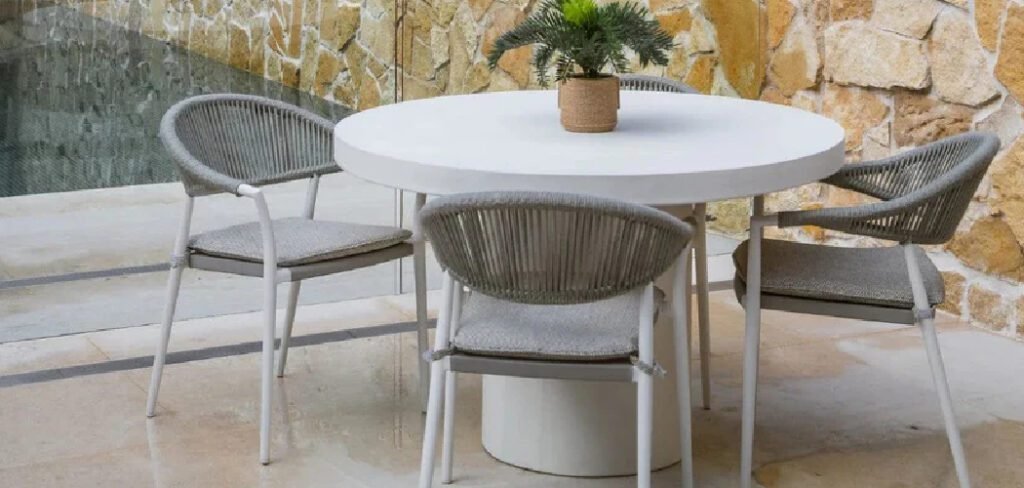
Dealing with this sticky substance is frustrating, but it does not have to ruin your outdoor enjoyment. By implementing a consistent maintenance routine and using the right protective measures, you can minimize the accumulation of this yellow dust. This guide is designed to help you reclaim your deck or porch.
We will explore practical, easy-to-follow strategies for maintaining a clean space, ensuring that learning how to keep pollen off patio furniture becomes a simple part of your seasonal routine rather than a daily chore.
Why This Yellow Dust is So Persistent
Before diving into the solutions, it is helpful to understand why pollen is such a stubborn adversary for outdoor decor. Pollen grains are microscopic and often have spiky or rough surfaces designed to cling to insects and animals for pollination.
Unfortunately, these same features make them adhere efficiently to wicker, metal, wood, and fabric. Additionally, static electricity can attract floating particles to synthetic cushion fibers and plastic surfaces, creating a magnet effect.
This substance is also slightly acidic. If left to sit on your furniture, especially when mixed with morning dew or rain, it can create a paste that is difficult to remove and may eventually stain fabrics or degrade finishes. Understanding the sticky, pervasive nature of this allergen highlights why a proactive approach is necessary.
It is not just about aesthetics; it is about preserving the longevity of your investment and ensuring your outdoor living area remains comfortable and safe for use throughout the blooming season.
8 Step-by-Step Guide on How to Keep Pollen Off Patio Furniture
Step 1: Monitor Local Pollen Counts Daily
The first line of defense against seasonal buildup is awareness. Most weather apps and local news stations provide daily pollen forecasts during the spring and summer months. By keeping an eye on these reports, you can anticipate heavy dusting days and take preemptive action.
On days when the count is forecasted to be extremely high, you might choose to keep your cushions stored indoors or delay a deep cleaning session until the air clears. This proactive monitoring allows you to time your maintenance efforts effectively, ensuring you aren’t fighting a losing battle against nature on its most active days.
Being aware of the environmental conditions helps you plan your outdoor usage and cleaning schedule more efficiently.
Step 2: Rinse Surfaces With Water Frequently
One of the simplest yet most effective methods to combat buildup is a daily rinse. Using a garden hose with a spray nozzle, gently wash down your hard surfaces like tables, chair frames, and plastic decking every morning or evening. This prevents the yellow dust from accumulating into thick layers that are harder to scrub off later.
Regular rinsing also neutralizes the acidity of the particles, protecting your furniture’s finish. It is a quick task that takes only a few minutes but saves you from hours of deep scrubbing on the weekend. Make sure to do this early in the day so the sun can dry the furniture, preventing mold or mildew growth from excess moisture.
Step 3: Invest in High-Quality Furniture Covers
If you are serious about figuring out how to keep pollen off patio furniture, high-quality covers are your best friend. Look for covers made from breathable, water-resistant materials that fit your specific furniture pieces snugly.
While it might seem tedious to take them on and off, it is far less work than scrubbing cushions every time you want to sit down. Covers provide a physical barrier that stops allergens from ever touching your upholstery or frames.

During peak season, keep the covers on whenever the furniture is not in use. This simple habit ensures that when you are ready to relax outside, your seating is clean, dust-free, and ready for you to enjoy immediately.
Step 4: Store Fabric Cushions Indoors
Fabric cushions are magnets for allergens, trapping particles deep within their fibers where a simple hose-down cannot reach. During the height of the blooming season, the most effective strategy is to store your cushions and throw pillows indoors or in an airtight deck box when you are not using them.
Even if you have weather-resistant fabric, the texture holds onto dust aggressively. By keeping them in a garage, shed, or large storage bin, you eliminate the need for constant laundering.
This step preserves the vibrant color and integrity of the fabric while ensuring you never sit down on a cloud of yellow dust. It requires a bit of effort but guarantees a clean seat every time.
Step 5: Wipe Down With Microfiber Cloths
For days when you want a quick touch-up without getting everything wet, microfiber cloths are an indispensable tool. Unlike paper towels which can smear the dust around, microfiber is designed to trap particles using static electricity. Gently wipe down hard surfaces like glass tabletops, metal armrests, and plastic chairs to lift the dust away.

You can use the cloth dry for light dusting or slightly damp for stickier spots. Keep a stack of these cloths handy near the patio door for quick access. This dry-cleaning method is perfect for quick maintenance right before guests arrive, ensuring your surfaces look polished without the drying time required after hosing them down.
Step 6: Apply a Protective Wax or Sealant
Creating a slick surface makes it much harder for sticky particles to adhere to your furniture. For metal, plastic, or even some sealed wood furniture, applying a coat of high-quality car wax or a specialized outdoor furniture protectant can work wonders. The wax fills in microscopic pores and creates a smooth, slippery barrier.
When pollen lands on a waxed surface, it has nothing to grip onto, meaning a light breeze or a quick rinse will remove it effortlessly. This preventative measure not only helps with the current issue but also adds a layer of protection against UV rays and moisture. Reapply the wax once or twice a season to maintain its effectiveness.
Step 7: Create a Natural Wind Barrier
Wind is the primary vehicle that transports allergens into your backyard. You can reduce the amount of dust that reaches your patio by strategically planting hedges, installing lattice screens, or hanging outdoor curtains. These barriers act as filters, intercepting the airborne particles before they land on your seating area.

While it won’t stop everything, reducing airflow can significantly cut down on the volume of dust you have to clean. When considering how to keep pollen off patio furniture, think about the landscape architecture of your yard.
A well-placed trellis with climbing vines not only adds beauty and privacy but also serves a functional purpose by blocking the prevailing winds that carry the heaviest loads of seasonal dust.
Step 8: Clean With a Vinegar Solution
Despite your best efforts, some buildup is inevitable, and you need a safe way to remove it without harsh chemicals. A mixture of warm water and white vinegar is an excellent natural cleaner that cuts through the sticky resin of pollen. Mix one cup of vinegar with one gallon of warm water and use a soft sponge to wipe down surfaces.
The acidity of the vinegar breaks down the pollen’s grip and kills potential mold spores, while being gentle enough for most outdoor materials. This solution is safe for the environment and won’t harm your surrounding plants if it drips onto the grass. It leaves your furniture squeaky clean and free of sticky residue.
Frequently Asked Questions (FAQ)
What Is The Best Homemade Cleaner For Pollen?
A simple and effective homemade cleaner consists of warm water, a mild dish soap, and white vinegar.
- Mix 1 gallon of warm water.
- Add 1/4 cup of mild dish soap.
- Add 1 cup of white vinegar.
This solution breaks down the sticky pollen residue and cleans surfaces without damaging them.
Does Hosing Down Furniture Remove Pollen Effectively?
Yes, rinsing your furniture with a garden hose is very effective for daily maintenance. It physically removes loose particles before they can accumulate and become sticky. However, for stubborn or caked-on layers, you may need to use a soft sponge or cloth alongside the water to fully clean the surface.
When Does Pollen Season Typically End?
The duration of the season depends on your location and the plant life nearby. Generally, tree pollen peaks in the spring (March to May), grass pollen in the summer (May to July), and weed pollen in the fall (August to October). Checking local allergy forecasts gives you the best timeline.
Can Pollen Permanently Stain Outdoor Fabric?
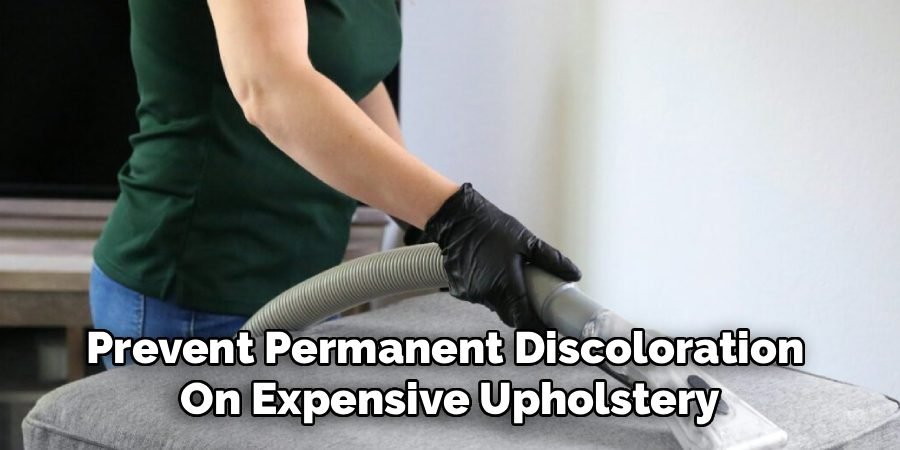
Yes, if left untreated, it can stain fabrics. The substance is slightly acidic and often has a yellow or green pigment that can dye light-colored cushions, especially when wet. Regular cleaning and storing cushions when not in use are essential to prevent permanent discoloration on expensive upholstery.
Is There A Specific Material That Repels Pollen?
Smooth, non-porous materials like aluminum, plastic, and tempered glass are the easiest to clean because particles cannot get trapped in the grain. While no material truly “repels” it, these hard surfaces allow dust to be wiped or rinsed away much more easily than wicker, wood, or textured fabrics.
Conclusion
Reclaiming your outdoor space during the height of allergy season requires a blend of preventative measures and consistent maintenance. It is not about fighting nature, but rather adapting your routine to minimize the impact of the elements.
By using covers, storing cushions, and establishing a quick rinsing schedule, you can protect your investment and ensure your patio remains a welcoming retreat rather than a source of frustration.
Ultimately, mastering the art of how to keep pollen off patio furniture allows you to enjoy the beautiful spring weather without the mess. These simple habits—wiping down surfaces, applying protective wax, and monitoring local forecasts—will save you time and effort in the long run.
With a little diligence, your outdoor furniture will remain bright, clean, and ready for relaxation, letting you focus on the blooming flowers rather than the dust they leave behind.

About
Jovie Mathews is a backyard and outdoor expert writer with over 12 years of hands-on experience transforming neglected outdoor spaces into thriving gardens and functional retreats. Raised in a family where weekends meant digging in the soil and building raised beds from scratch, Jovie developed a genuine love for the outdoors long before it became a career.
She writes with a practical, no-fluff approach — always testing ideas in her own backyard before sharing them with readers. From composting systems and native plant selection to patio design and pest control, Jovie covers the full spectrum of backyard life with equal parts expertise and enthusiasm.
Education
B.Sc. in Horticulture Science
University of Florida (UF) · Gainesville, FL · 2014
IFAS College of Agricultural and Life Sciences
Minor in Environmental Studies
University of Florida (UF) · Gainesville, FL · 2014
College of Liberal Arts and Sciences
Areas of expertise
- Lawn & Garden Care
- Soil prep, planting, seasonal care
- Outdoor DIY Projects
- Raised beds, fencing, pathways
- Composting & Soil Health
- Organic methods, amendments
- Native Plants & Wildlife
- Pollinators, habitat gardening
When she is not writing, Jovie can be found testing new composting techniques, growing tomatoes in questionable quantities, or convincing her neighbors that clover lawns are actually a great idea. She currently gardens in the Pacific Northwest.