
As the warm days of summer fade and the crisp chill of autumn sets in, it is time to think about protecting your outdoor oasis. Your patio furniture has served you well through barbecue season and lazy afternoons, but leaving it exposed to harsh winter elements can lead to rust, mold, and cracked materials. While high-quality outdoor gear is built to withstand some weather, nothing beats the protection of an indoor shelter.
Moving your tables and chairs indoors extends their lifespan significantly, saving you money in the long run. However, simply tossing everything into a pile next to your car is not the answer. Proper organization and preparation are key to ensuring your items remain in pristine condition and your parking space stays usable.
This guide will walk you through the essential process of how to store patio furniture in garage areas efficiently, ensuring that when spring arrives, your favorite relaxation spots are clean, safe, and ready for another season of enjoyment.
Step-by-Step Guide on How to Store Patio Furniture in Garage
Step 1: Clean Everything Before Moving It Inside
Before you bring a single chair into your garage, you must ensure every piece is spotless. Outdoor furniture accumulates a surprising amount of pollen, dirt, bird droppings, and microscopic food particles throughout the season. If you skip this cleaning phase, you are essentially inviting mold and mildew to grow on your cushions and frames during the dark, stagnant winter months.
Use a mild soap and warm water solution to scrub down metal, wicker, and plastic surfaces. For wood furniture, use a specialized wood cleaner. Let everything dry completely in the sun.

Storing damp items is the quickest way to ruin them with rot or offensive odors. This preparation is the foundation of successful storage and ensures you do not bring outdoor pests into your home.
Step 2: Remove Cushions
Fabric cushions are the most vulnerable part of your outdoor set and require special attention. Even if your frames are durable aluminum or teak, the soft textiles can easily succumb to moisture and rodents if left attached to the furniture. Remove all cushion covers if they are washable and launder them according to the manufacturer’s instructions.
For the foam inserts or non-removable covers, vacuum them thoroughly and spot clean any stains. Once they are bone dry, place them in airtight plastic storage bags or large plastic bins with tight-fitting lids. This barrier is critical for preventing mice from nesting in the stuffing and keeping moisture at bay. Stack these bins on a high shelf rather than the floor.
Step 3: Disassemble Large Tables and Sectionals
Space is often at a premium in a garage, especially if you still need to park a vehicle there. To maximize your available square footage, take the time to disassemble larger items like dining tables or expansive sectional sofas. Remove the legs from tables and keep the hardware in a labeled plastic bag taped securely to the underside of the tabletop.
This simple trick prevents lost screws and frustration next spring. Break down sectionals into individual seat units. By flattening these bulky items, you can lean table tops against walls and stack seating components vertically. This strategic breakdown transforms a sprawling patio set into a compact, manageable footprint that leaves plenty of room for your car and other winter gear.
Step 4: Stack Chairs to Maximize Vertical Space
Most outdoor dining and lounge chairs are designed to be stackable for exactly this reason. Take advantage of this feature to reclaim your floor space. Carefully stack chairs of the same style on top of one another, but do not just throw them together.
Place a protective layer, such as a towel, a piece of cardboard, or bubble wrap, between each chair to prevent scratching the finish or damaging the weaving on wicker pieces. If your chairs do not stack, try to nest them by turning one upside down and placing it on the seat of another, creating a box-like shape.
Utilizing vertical space is a cornerstone of organizing and learning how to store patio furniture in garage environments effectively.
Step 5: Treat and Seal Wooden and Metal Surfaces
Winter storage is the perfect opportunity to apply preventative maintenance to your furniture’s structural materials. For wooden pieces like teak or acacia, apply a fresh coat of sealant or protective oil to prevent the wood from drying out and cracking in the low-humidity environment of a garage. For metal furniture, inspect for any small scratches or chips in the paint.
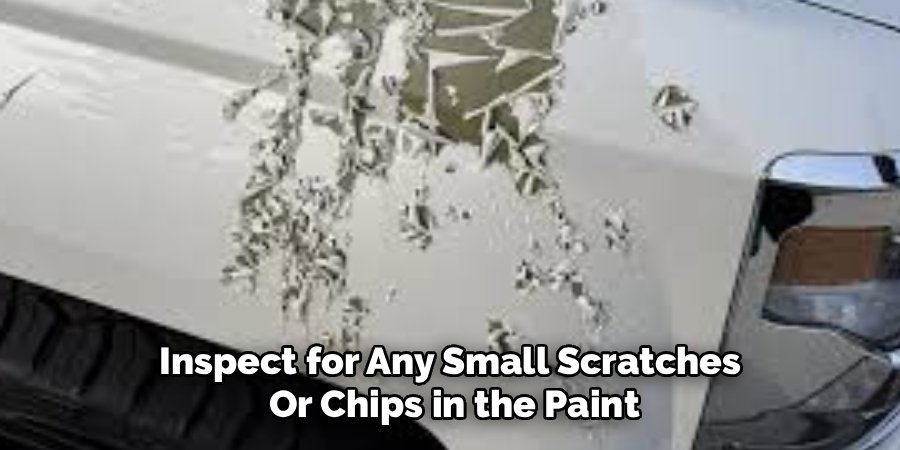
These are entry points for rust. Touch them up with matching paint or apply a rust-inhibiting spray. A light coat of automotive wax on aluminum frames provides an extra barrier against moisture and oxidation. Taking these proactive measures ensures that your furniture emerges in the spring looking as vibrant and sturdy as the day you bought it.
Step 6: Cover Furniture with Breathable Tarps
Even inside a garage, your furniture is susceptible to dust, sawdust from DIY projects, and accidental splashes from car fluids. Once your items are stacked and organized, cover them with high-quality, breathable covers or canvas drop cloths.
Avoid using sealed plastic tarps for the furniture frames, as plastic can trap moisture and cause condensation to form on metal or wood surfaces, leading to rust or mold. A breathable fabric allows air to circulate while still blocking dust and debris.
Secure the covers with bungee cords or ties to keep them in place. This final layer of protection keeps your furniture clean and prevents scratches if you happen to brush against the stack while walking through the garage.
Step 7: Elevate Furniture Off the Concrete Floor
Concrete garage floors can retain moisture and become surprisingly cold, which can wick up into the legs of your furniture. This moisture transfer is particularly damaging to wooden legs, causing them to rot from the bottom up, and can promote rust on metal feet. To prevent this, place your furniture stacks on top of wooden pallets, cardboard sheets, or a dedicated waterproof tarp.
Even creating a small barrier with wooden blocks under the legs of a heavy table can make a significant difference. Isolating your valuable items from the damp, cold ground is a professional tip that significantly extends the lifespan of your set and prevents unsightly water damage stains on the legs.
Frequently Asked Questions (FAQ)
Can I Leave My Patio Furniture Outside if I Cover It?
While high-quality covers help, storing furniture outside is never as safe as indoor storage.
- Moisture: Covers can trap condensation, leading to mold.
- Temperature: Extreme freeze-thaw cycles can crack plastic and wicker.
- Pests: Rodents often seek shelter under warm covers in winter.
If you have absolutely no garage space, use heavy-duty vented covers and elevate the furniture, but expect a shorter lifespan compared to garage storage.
How Do I Prevent Spiders From nesting in Stored Furniture?
Spiders love dark, undisturbed piles of furniture.
- Clean First: Remove existing webs and egg sacs before storage.
- Essential Oils: Spray a solution of water and peppermint oil around the base of the furniture; spiders hate the smell.
- Seal it Up: Ensure cushions are in airtight bags, as these are prime nesting spots.
- Check Periodically: Inspect the area once or twice during winter to sweep away new webs.
Is It Safe to Store Wicker Furniture in an Unheated Garage?
Yes, but you need to be careful with humidity. Natural wicker can dry out and become brittle in very dry cold, or moldy in damp cold. Synthetic resin wicker is much hardier.
For natural wicker, ensure it is clean and perhaps apply a light coat of lemon oil to keep it supple. Avoid placing it near heat sources like a garage heater, which can crack the fibers.
What Should I Do with My Umbrella?
Patio umbrellas are often forgotten but need care too.
- Clean: Open it up and wash the fabric with soapy water. Let it dry completely open.
- Close: Close it tightly and tie it shut.
- Cover: Use a specific umbrella cover or wrap it in a drop cloth.
- Store: Lay it flat on a shelf or top of a stack; do not leave it standing where it can tip over and bend the ribs.
Do I Need to deflate my outdoor ottomans?
If you have inflatable outdoor ottomans or furniture, it is best to deflate them. Cold air causes air inside the inflatable to contract, making it look deflated anyway. Leaving them inflated puts stress on the seams as temperatures fluctuate.
Deflating them also saves a massive amount of storage space. Clean them, dry them, fold them loosely, and store them in a plastic bin to prevent punctures.
Conclusion
Taking the time to properly winterize your outdoor living space is an investment that pays dividends when the warm weather returns. By meticulously cleaning your items, protecting delicate fabrics, and organizing your space efficiently, you ensure that your patio set remains a beautiful and functional part of your home for years to come.
The effort you put into disassembling tables and stacking chairs not only preserves the furniture but also reclaims valuable garage real estate for your winter needs. It transforms a chaotic pile into an orderly system.
Now that you understand the essential steps of how to store patio furniture in garage areas, you can tackle this seasonal chore with confidence, knowing that your outdoor oasis is safe, sound, and ready to welcome you back as soon as the first flowers bloom.

About
Jovie Mathews is a backyard and outdoor expert writer with over 12 years of hands-on experience transforming neglected outdoor spaces into thriving gardens and functional retreats. Raised in a family where weekends meant digging in the soil and building raised beds from scratch, Jovie developed a genuine love for the outdoors long before it became a career.
She writes with a practical, no-fluff approach — always testing ideas in her own backyard before sharing them with readers. From composting systems and native plant selection to patio design and pest control, Jovie covers the full spectrum of backyard life with equal parts expertise and enthusiasm.
Education
B.Sc. in Horticulture Science
University of Florida (UF) · Gainesville, FL · 2014
IFAS College of Agricultural and Life Sciences
Minor in Environmental Studies
University of Florida (UF) · Gainesville, FL · 2014
College of Liberal Arts and Sciences
Areas of expertise
- Lawn & Garden Care
- Soil prep, planting, seasonal care
- Outdoor DIY Projects
- Raised beds, fencing, pathways
- Composting & Soil Health
- Organic methods, amendments
- Native Plants & Wildlife
- Pollinators, habitat gardening
When she is not writing, Jovie can be found testing new composting techniques, growing tomatoes in questionable quantities, or convincing her neighbors that clover lawns are actually a great idea. She currently gardens in the Pacific Northwest.