

Turning your backyard into a welcoming space for wildlife can be a rewarding experience. For many nature lovers and gardeners, attracting bunnies is a delightful goal. These gentle creatures bring a sense of life and charm to any outdoor area.
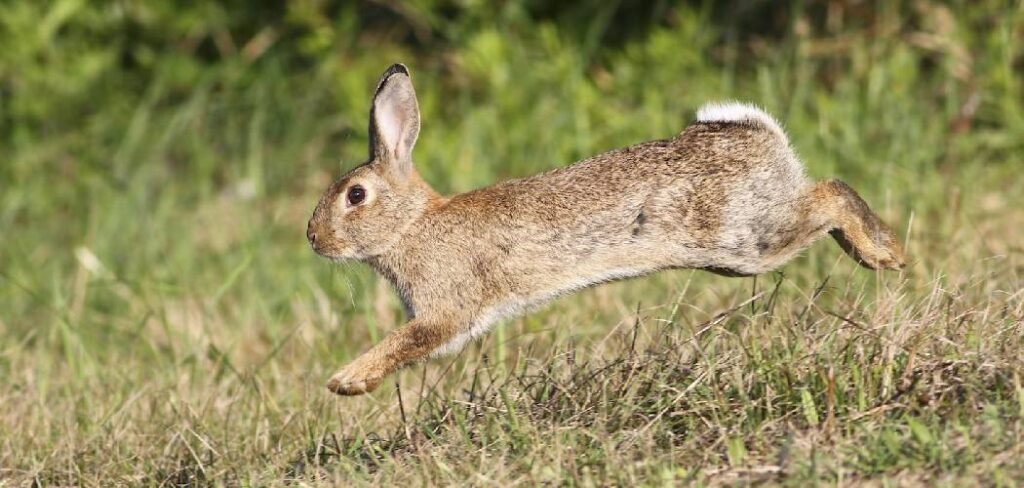
But how do you make your yard an appealing destination for them? This guide will walk you through the simple and effective methods for creating a rabbit-friendly environment. We will cover everything from providing the right food sources to creating safe shelters. Learning how to attract rabbits to your yard is about understanding their basic needs and thoughtfully incorporating them into your landscape.
Why Welcome Bunnies into Your Garden?
Inviting rabbits into your yard offers more than just the joy of watching them hop around at dawn and dusk. For families, it’s a wonderful way to teach children about nature and the importance of coexisting with local wildlife. Rabbits can also play a small role in your garden’s ecosystem, nibbling on certain weeds and contributing to the natural cycle. Creating a habitat for them encourages biodiversity, making your backyard a richer, more dynamic environment. By providing a safe haven, you support the local fauna and transform your garden into a lively sanctuary for small mammals.
8 Step-by-Step Guide on How to Attract Rabbits to Your Yard
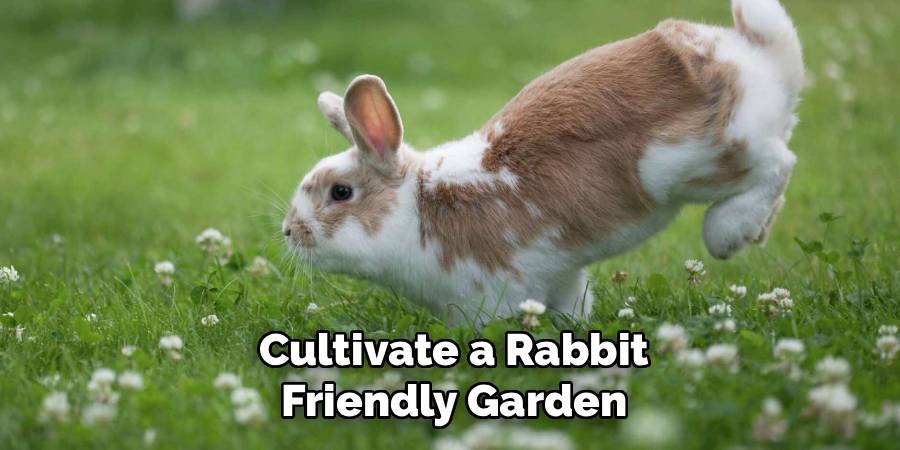
Step 1: Cultivate a Rabbit-Friendly Garden
The first step in welcoming rabbits is to plant the foods they love to eat. Rabbits are herbivores with a preference for tender greens and sweet vegetables. Consider planting a small patch of clover or alfalfa, as these are highly nutritious and irresistible to bunnies. Other great options include leafy greens like lettuce, spinach, and kale. Flowers such as dandelions and asters are also favorites. By dedicating a small section of your garden to these plants, you provide a reliable food source that will draw rabbits in and encourage them to stay.
Step 2: Provide a Consistent Fresh Water Source
Like all animals, rabbits need access to fresh, clean water. A readily available water source can be a major draw, especially during hot, dry months. You don’t need an elaborate water feature; a simple, shallow dish placed on the ground will work perfectly. Ensure the dish is low enough for a small rabbit to drink from comfortably. Remember to clean it regularly and refill it with fresh water daily to prevent the growth of algae and bacteria. Placing the water source near a sheltered area will make rabbits feel safer while they drink.
Step 3: Offer Plenty of Natural Cover and Shelter
Rabbits are prey animals, which means they are constantly on the lookout for danger. They will only frequent yards where they feel safe from predators like hawks, cats, and dogs. Creating shelter is essential. You can do this by allowing parts of your yard to grow a bit wild. A dense thicket of bushes, a patch of tall grass, or a row of evergreen shrubs provides excellent hiding spots. These areas give rabbits a place to rest during the day and a quick escape route if they sense a threat, making your yard a secure haven.
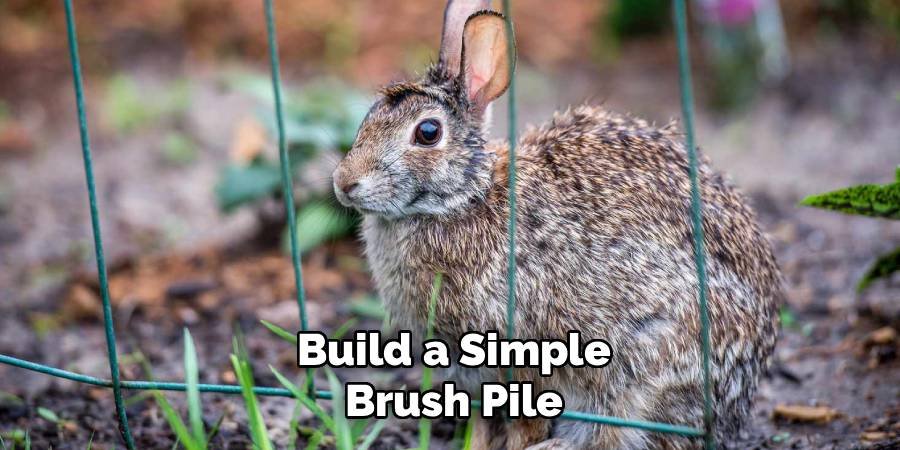
Step 4: Build a Simple Brush Pile
A brush pile is one of the easiest and most effective ways to create shelter for rabbits. It mimics the natural burrows and thickets they use in the wild. To build one, simply stack layers of fallen branches, sticks, and twigs in a quiet corner of your yard. Start with larger logs at the base to create openings and then layer smaller branches on top. This structure provides protection from predators and the elements. A well-constructed brush pile can become a preferred nesting spot for a mother rabbit and her young.
Step 5: Put Away Your Pesticides and Herbicides
To create a truly safe environment for rabbits, it’s crucial to eliminate the use of chemical pesticides, herbicides, and rodenticides. These substances can be incredibly harmful, and even fatal, to rabbits if ingested, either directly from a treated plant or indirectly through contaminated water. Opt for natural, organic gardening methods instead. Healthy soil and a balanced ecosystem will naturally deter pests and weeds without posing a threat to the wildlife you wish to attract. A chemical-free yard is a healthy yard for everyone, including your new bunny visitors.
Step 6: Add a Dust Bathing Area
Rabbits, like many other animals, take dust baths to clean their fur, remove parasites, and maintain their skin health. You can create a simple dust bath area by clearing a small patch of ground and loosening the soil. Choose a sunny, dry spot in your yard. If your soil is heavy clay, you can mix in some sand or loose dirt to make it more suitable. Observing a rabbit wriggling and rolling in a dust bath you created is a rewarding sight and a clear sign that it feels comfortable and at home in your space.
Step 7: Supplement Their Diet with Hay
While a garden full of tasty plants is a great start, supplementing with hay provides a vital food source, especially during the winter when fresh greens are scarce. Timothy hay is an excellent choice as it is high in fiber and essential for a rabbit’s digestive health. You can place small piles of hay near the shelters you’ve created, such as under a dense bush or next to your brush pile. This ensures they have a consistent and nutritious food source year-round, making your yard a reliable place to visit.
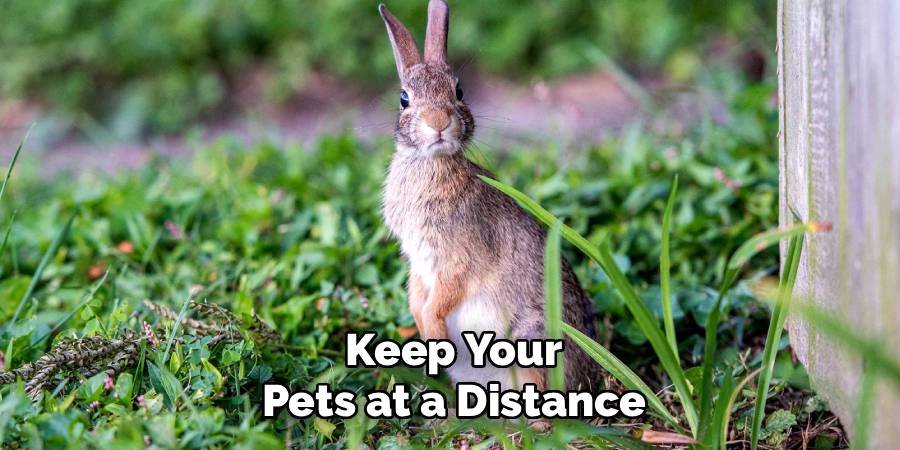
Step 8: Keep Your Pets at a Distance
If you have dogs or cats, their presence can be a significant deterrent for rabbits. The scent and sight of a potential predator will make rabbits avoid your yard. If possible, limit your pets’ access to the areas you’ve designated for wildlife. Consider using a leash when your dog is outside, or create a fenced-off pet area. By managing where your pets can roam, you create a zone of safety where rabbits and other small animals can forage and rest without fear, greatly increasing your chances of success.
Frequently Asked Questions
What Foods Are Safe To Leave Out for Rabbits?
Safe foods to offer rabbits include leafy greens like romaine lettuce (avoid iceberg), kale, and spinach. You can also provide small amounts of carrots, bell peppers, and apple slices (without seeds). High-fiber Timothy hay is excellent for their digestion and should be offered freely. Always ensure any food you provide is fresh and free from pesticides. Avoid offering processed human foods, bread, or dairy, as these can be very harmful to a rabbit’s delicate digestive system.
When Is the Best Time of Day To See Rabbits in My Yard?
Rabbits are crepuscular, which means they are most active during dawn and dusk. These are the times they feel safest to come out from their shelters to forage for food. You will have the best chance of spotting them in the early morning hours, just as the sun is rising, or in the late evening as the sun begins to set. They tend to rest in sheltered, hidden spots during the middle of the day to avoid predators and heat.
Will Attracting Rabbits Also Attract Predators?
It is possible that creating a rabbit-friendly habitat may also attract natural predators like hawks, foxes, or coyotes. However, this is a natural part of a healthy ecosystem. The best way to manage this is to provide ample, well-designed cover for the rabbits. Dense shrubbery, brush piles, and spaces under decks give rabbits plenty of places to hide quickly. A yard with abundant shelter ensures rabbits can coexist with the natural predator-prey dynamic.
How Can I Protect My Vegetable Garden From the Rabbits I Attract?
While you are inviting rabbits into your yard, you may want to protect specific plants. The most effective method is to use fencing. A chicken wire fence that is at least two feet high and buried about six inches underground will prevent rabbits from digging under it. You can also use raised garden beds or place cloches over delicate seedlings. Planting deterrent plants like marigolds, onions, or garlic around the perimeter of your vegetable patch can also help steer them away.
Is It Okay To Approach or Pet the Wild Rabbits?
No, you should never attempt to approach, touch, or pet wild rabbits. They are not domesticated animals and will see you as a potential threat. Trying to get close can cause them immense stress, and a frightened rabbit may injure itself trying to escape. Furthermore, wild animals can carry diseases or parasites. The best way to enjoy their presence is to observe them from a respectful distance, using binoculars if you want a closer look.
Conclusion
Creating a backyard that is welcoming to rabbits is a simple and fulfilling project. By following these steps, you can transform your outdoor space into a sanctuary where these gentle animals can thrive. Providing food, water, and shelter are the core components of this effort. Remember to be patient, as it may take some time for rabbits to discover your yard and feel secure. Soon enough, you will be rewarded with the quiet joy of watching them explore and relax in the haven you have built. Now that you know how to attract rabbits to your yard, you are ready to start this exciting journey.

About
Jovie Mathews is a backyard and outdoor expert writer with over 12 years of hands-on experience transforming neglected outdoor spaces into thriving gardens and functional retreats. Raised in a family where weekends meant digging in the soil and building raised beds from scratch, Jovie developed a genuine love for the outdoors long before it became a career.
She writes with a practical, no-fluff approach — always testing ideas in her own backyard before sharing them with readers. From composting systems and native plant selection to patio design and pest control, Jovie covers the full spectrum of backyard life with equal parts expertise and enthusiasm.
Education
B.Sc. in Horticulture Science
University of Florida (UF) · Gainesville, FL · 2014
IFAS College of Agricultural and Life Sciences
Minor in Environmental Studies
University of Florida (UF) · Gainesville, FL · 2014
College of Liberal Arts and Sciences
Areas of expertise
- Lawn & Garden Care
- Soil prep, planting, seasonal care
- Outdoor DIY Projects
- Raised beds, fencing, pathways
- Composting & Soil Health
- Organic methods, amendments
- Native Plants & Wildlife
- Pollinators, habitat gardening
When she is not writing, Jovie can be found testing new composting techniques, growing tomatoes in questionable quantities, or convincing her neighbors that clover lawns are actually a great idea. She currently gardens in the Pacific Northwest.