

Transforming a simple outdoor area into a lush, inviting retreat is one of the most rewarding home improvement projects you can undertake. A plain concrete slab or a wooden deck often feels cold and uninviting until you introduce the softness and vibrancy of nature.
Whether you have a sprawling backyard or a modest balcony, the addition of greenery instantly elevates the atmosphere, creating a seamless transition between your indoor living space and the outdoors.
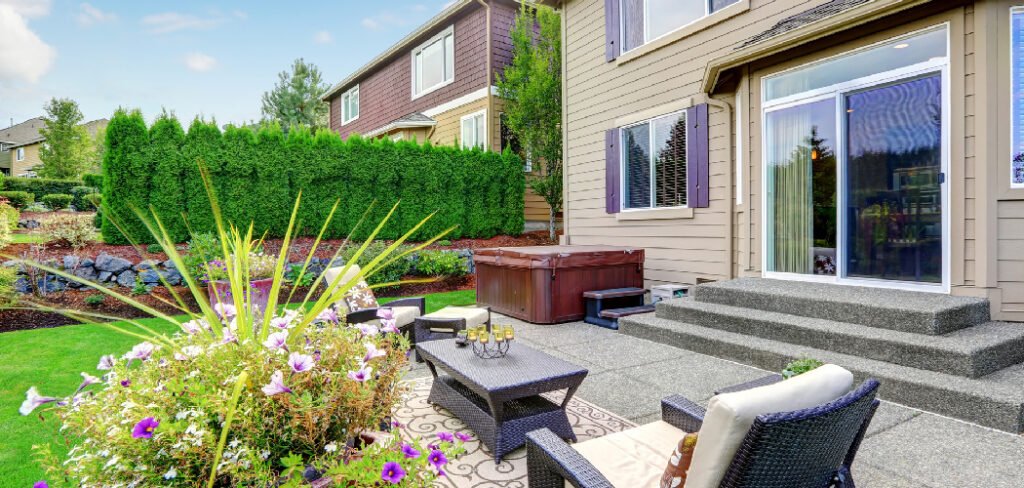
This guide is designed to help beginners navigate the process with confidence, offering practical advice on layout, selection, and care. By following these structured steps, you will learn exactly how to decorate patio with plants to create a stunning personal oasis that reflects your style and enhances your home’s exterior.
Creating a beautiful patio with plants doesn’t have to be overwhelming or complicated. Whether you have a sprawling space or a cozy corner, the right combination of plants can breathe life and vibrancy into your outdoor area.
Plants not only add aesthetic appeal but also create a calm and inviting ambiance that makes your patio feel like an extension of nature. This introduction to decorating with plants will equip you with the inspiration and knowledge you need to transform your patio into a lush, relaxing retreat.
The Transformative Power of Greenery
Bringing foliage onto your patio does more than just improve aesthetics; it fundamentally changes the way you experience your outdoor environment. Plants act as natural air purifiers, filtering out pollutants and releasing oxygen, which creates a fresher, cleaner atmosphere for relaxation.
Beyond air quality, strategic placement of greenery can provide essential functional benefits, such as screening unsightly views or creating privacy from neighbors. Tall grasses and potted trees serve as soft walls that dampen noise and block wind, making your patio more comfortable.
Furthermore, the psychological benefits of being surrounded by nature—known as biophilia—are well-documented, helping to lower stress levels and boost mood. Integrating botanical elements turns a functional space into a sanctuary for mental well-being.
Step-by-Step Guide: How to Decorate Patio with Plants
Step 1: Assess Your Light and Environmental Conditions
Before purchasing a single pot or flower, you must critically evaluate the environmental conditions of your patio space. The success of your garden depends entirely on matching the right plants to your specific light exposure.
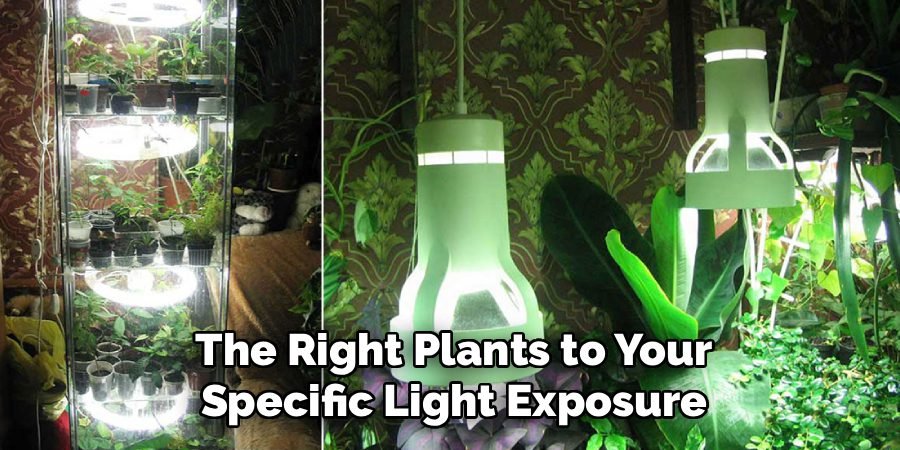
spend a day observing how the sun moves across your patio; determine if you have full sun, partial shade, or deep shade, as this dictates what will thrive. You should also consider wind exposure, as high winds on a balcony can dry out soil quickly and damage delicate leaves.
Taking note of these factors ensures you invest in greenery that will flourish rather than struggle. This foundational step saves money and frustration by preventing the common mistake of placing sun-loving plants in dark corners.
Step 2: Define Your Design Theme and Color Palette
A cohesive look creates a professional and polished appearance, so decide on a style before you start shopping. You might prefer a tropical vibe with large leafy palms and bright hibiscus, or perhaps a modern minimalist look with architectural succulents and sleek concrete planters.
Once you choose a theme, stick to a specific color palette for both your flowers and your containers. Limiting your colors to a few complementary shades creates harmony and prevents the space from looking cluttered or chaotic.
Learning how to decorate patio with plants involves curation; selecting a consistent style for your pots—whether terracotta, glazed ceramic, or corten steel—ties the entire arrangement together visually, even if the plant varieties differ.
Step 3: Start with Large Anchor Plants
Begin your layout by placing the largest plants first to establish structure and scale within the space. Small pots can easily look cluttered if they are not grounded by substantial greenery, so invest in one or two large statement pieces like a potted citrus tree, a Japanese maple, or a tall ornamental grass.
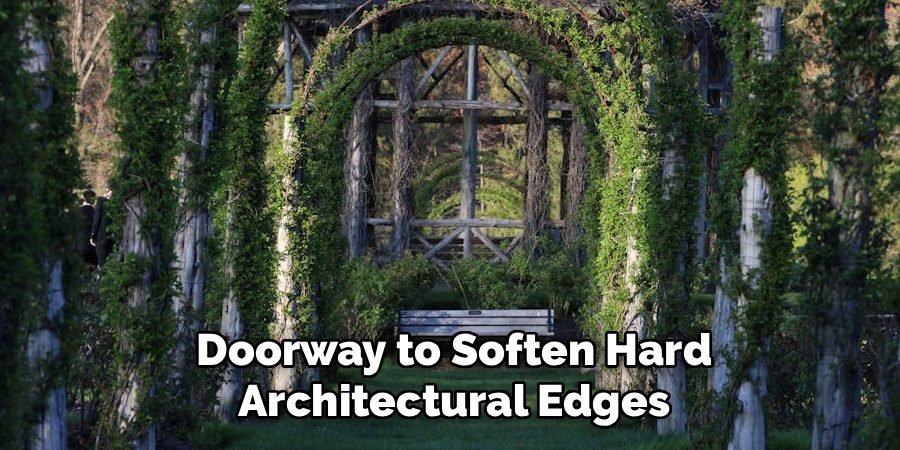
These “thriller” plants draw the eye upward and provide a focal point that anchors your seating area. Place these larger containers in corners or flanking a doorway to soften hard architectural edges.
By setting these heavy anchors first, you create a framework that makes arranging smaller filler plants much easier. This hierarchy is essential for achieving a balanced and deliberate design.
Step 4: Utilize Vertical Space with Hanging Elements
Floor space is often at a premium on patios, so looking upward is a smart strategy for adding lushness without crowding the furniture. Install hooks for hanging baskets filled with trailing vines like pothos or colorful petunias that draw the eye toward the sky.
You can also mount wall planters or install a trellis against a blank wall to support climbing plants such as jasmine or clematis. This approach not only maximizes your planting area but also surrounds you with greenery at eye level, creating an immersive “garden room” feel.
Vertical gardening adds depth and layers to your design, ensuring that the space feels enveloped in nature rather than just having plants sitting on the ground.
Step 5: Master the Art of Container Grouping
One of the most effective tricks for a professional look is to cluster your containers rather than scattering them individually around the perimeter. Arrange pots in groups of three or five, using the design principle of odd numbers which is visually pleasing to the human eye.
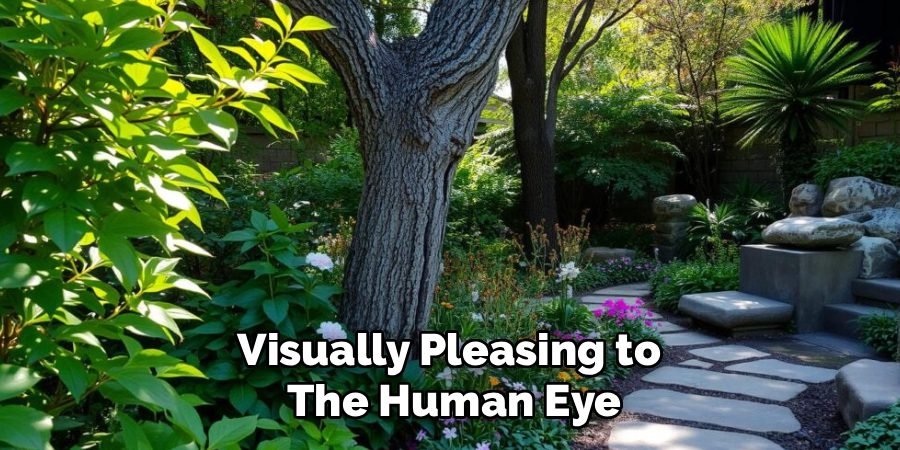
Vary the heights and sizes of the pots within each cluster to create a tiered effect, placing the tallest in the back and the shortest in the front. This technique creates a dense, lush vignette that creates a much stronger visual impact than a single lonely pot.
As you figure out how to decorate patio with plants, remember that grouping also simplifies watering, as you can tend to multiple plants in one spot efficiently.
Step 6: Incorporate Textural Variety and Foliage
While flowers are beautiful, they are often fleeting, so it is crucial to rely on interesting foliage for season-long interest. Mix plants with different leaf shapes, sizes, and textures to create a dynamic composition that looks good even when nothing is in bloom.
Pair the broad, shiny leaves of a rubber tree with the feathery, delicate fronds of a fern or the spiky architectural blades of a yucca. Incorporating plants with variegated leaves—those with stripes of white, cream, or yellow—adds brightness to shady corners where flowers might not bloom well.
This focus on texture ensures your patio has depth and visual intrigue, preventing the design from looking flat or monotonous throughout the changing seasons.
Step 7: Add Functional and Edible Plants
Elevate your patio from a purely decorative space to a functional garden by interspersing edible plants among your ornamentals. Herbs like rosemary, basil, and mint are not only fragrant but also incredibly useful for outdoor dining and entertaining.
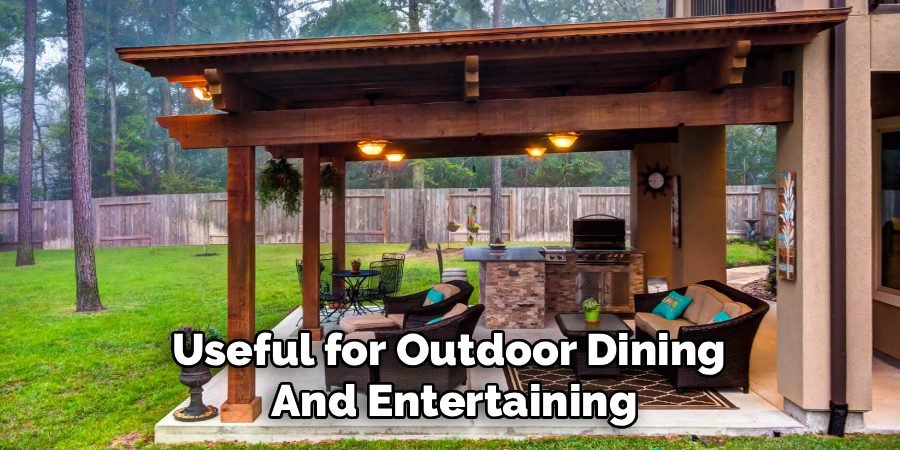
Place pots of lavender or lemongrass near seating areas, as their natural scents help repel mosquitoes and other pests, making your time outside more enjoyable. You can mix these edibles directly into larger containers with flowers or give them their own dedicated herb ladder.
This practical approach adds a layer of sensory engagement—scent and taste—to the visual beauty, making your patio a truly multi-sensory experience for you and your guests.
Step 8: Illuminate Your Greenery with Lighting
The enjoyment of your plant-filled patio should not end when the sun goes down. Strategic lighting is the secret ingredient that adds drama and extends the usability of the space into the evening. Use solar-powered stake lights in larger pots to uplight the branches of trees or tall grasses, casting beautiful shadows against walls and fences.
String lights draped above or around trellises create a warm, magical ambiance that highlights the foliage. Even simple LED candles placed among the plant clusters can create a cozy glow.
Lighting transforms the textures and shapes of your plants, revealing a completely different personality at night and ensuring your hard work is visible at all hours.
Step 9: Establish a Consistent Maintenance Routine
The final and most critical step in decorating is ensuring your new garden survives and thrives through proper care. Potted plants dry out much faster than those in the ground, so you must establish a regular watering schedule based on the weather and pot size.
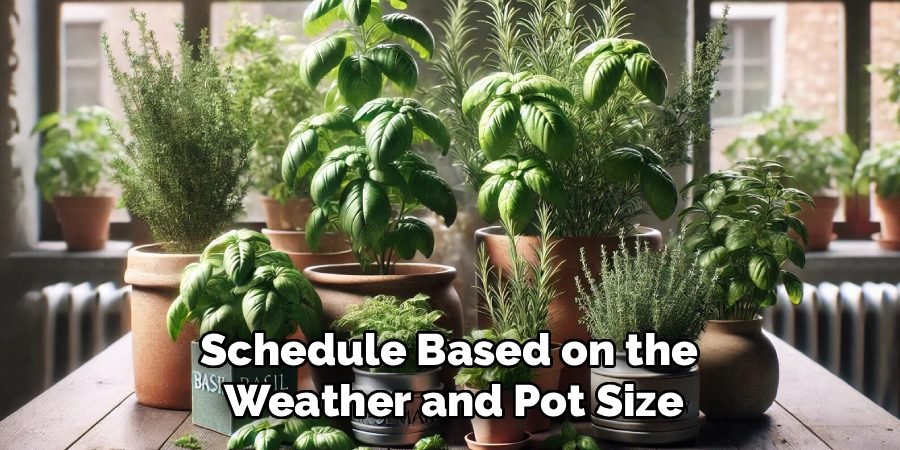
Check the soil moisture daily during hot summer months, and consider setting up a simple drip irrigation system if you travel frequently. Regular grooming, such as deadheading spent blooms and pruning overgrown branches, keeps the arrangement looking tidy and encourages new growth.
Fertilize your containers every few weeks during the growing season to replenish nutrients that wash out with watering. A healthy, well-maintained garden is the ultimate decoration.
Frequently Asked Questions (FAQ)
What Plants Are Best For A Shady Patio?
If your patio receives little direct sunlight, opt for woodland plants that thrive in low-light conditions. Ferns, Hostas, and Caladiums are excellent choices for foliage, while Impatiens and Begonias provide vibrant pops of color. These varieties prefer cooler, shaded spots and will burn if exposed to harsh afternoon sun.
How Do I Choose The Right Pot Size?
Always select a pot that is one to two inches larger in diameter than the plant’s current nursery container. This gives the roots enough room to expand without being overwhelmed by excessive soil, which can hold too much moisture and cause rot. Ensure every pot has drainage holes.
Can I Leave My Potted Plants Outside In Winter?
This depends on your local climate and the hardiness zone of the specific plants. Many tropical plants must be brought indoors before the first frost. However, cold-hardy perennials and evergreens can stay out if planted in frost-proof containers like fiberglass or heavy plastic that won’t crack in freezing temperatures.
How Often Should I Water Patio Plants?
Frequency varies by temperature, wind, and pot size, but the “finger test” is the most reliable method. Stick your finger an inch into the soil; if it feels dry, it is time to water. Hanging baskets and terracotta pots typically dry out faster and may need daily watering in summer heat.
Do I Need To Change The Soil Every Year?
You do not need to replace all the soil annually, but refreshing it helps. Remove the top few inches of old soil each spring and replace it with fresh, nutrient-rich potting mix. For root-bound plants, repotting with entirely new soil is recommended to restore nutrients and improve drainage.
Conclusion
Creating a lush outdoor living space is a journey that blends creativity with a bit of horticultural know-how. By assessing your light conditions, choosing a cohesive theme, and layering plants of various heights and textures, you can build a sanctuary that beckons you outside every day.
Remember that you do not need to fill every corner overnight; start with a few key pieces and expand your collection as you grow more comfortable with care requirements.
The effort you put into selecting containers and nurturing your greenery pays off in the form of a tranquil, beautiful retreat for relaxing and entertaining. Whether you have a massive deck or a tiny balcony, the principles remain the same.
Now that you understand how to decorate patio with plants, you are ready to get your hands dirty and bring your vision to life. Enjoy the process of watching your new garden grow and evolve with the seasons.

About
Jovie Mathews is a backyard and outdoor expert writer with over 12 years of hands-on experience transforming neglected outdoor spaces into thriving gardens and functional retreats. Raised in a family where weekends meant digging in the soil and building raised beds from scratch, Jovie developed a genuine love for the outdoors long before it became a career.
She writes with a practical, no-fluff approach — always testing ideas in her own backyard before sharing them with readers. From composting systems and native plant selection to patio design and pest control, Jovie covers the full spectrum of backyard life with equal parts expertise and enthusiasm.
Education
B.Sc. in Horticulture Science
University of Florida (UF) · Gainesville, FL · 2014
IFAS College of Agricultural and Life Sciences
Minor in Environmental Studies
University of Florida (UF) · Gainesville, FL · 2014
College of Liberal Arts and Sciences
Areas of expertise
- Lawn & Garden Care
- Soil prep, planting, seasonal care
- Outdoor DIY Projects
- Raised beds, fencing, pathways
- Composting & Soil Health
- Organic methods, amendments
- Native Plants & Wildlife
- Pollinators, habitat gardening
When she is not writing, Jovie can be found testing new composting techniques, growing tomatoes in questionable quantities, or convincing her neighbors that clover lawns are actually a great idea. She currently gardens in the Pacific Northwest.