
Creating the perfect environment for your plants starts from the ground up—literally. While store-bought bags are convenient, learning how to make a potting mix gives you complete control over what goes into your plant’s home.
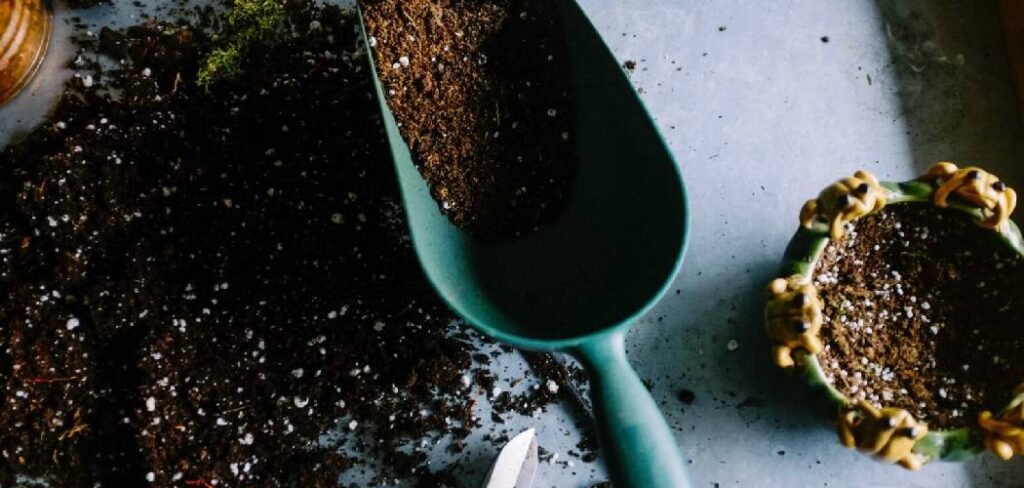
This guide will walk you through everything you need to know, from gathering the basic ingredients to customizing blends for specific plants. By mixing your own, you can ensure your plants get the ideal balance of aeration, moisture retention, and nutrients they need to thrive. It’s a simple, cost-effective, and rewarding skill for any gardener to learn.
Why Create Your Own Potting Mix?
Taking the time to create your own potting mix offers significant advantages over purchasing pre-made bags. Firstly, it’s often more economical, especially if you have many plants to pot. Buying ingredients in bulk and mixing them yourself can lead to substantial savings. Secondly, customization is key. Different plants have different needs; a succulent requires a fast-draining soil, while a fern prefers a mix that holds more moisture. By making your own, you can tailor the recipe perfectly to the specific requirements of your plants, promoting healthier growth. Finally, you have complete control over the quality of the ingredients, ensuring your mix is free from unwanted pests or low-quality fillers.
8 Step-by-Step Guide on How to Make a Potting Mix
Step 1: Gather Your Core Ingredients
Before you can begin mixing, you need to gather the three fundamental components of any good potting mix. The first is a base material, which provides structure. Peat moss and coco coir are the most common choices. The second component is for aeration, which ensures roots get enough oxygen and prevents compaction.
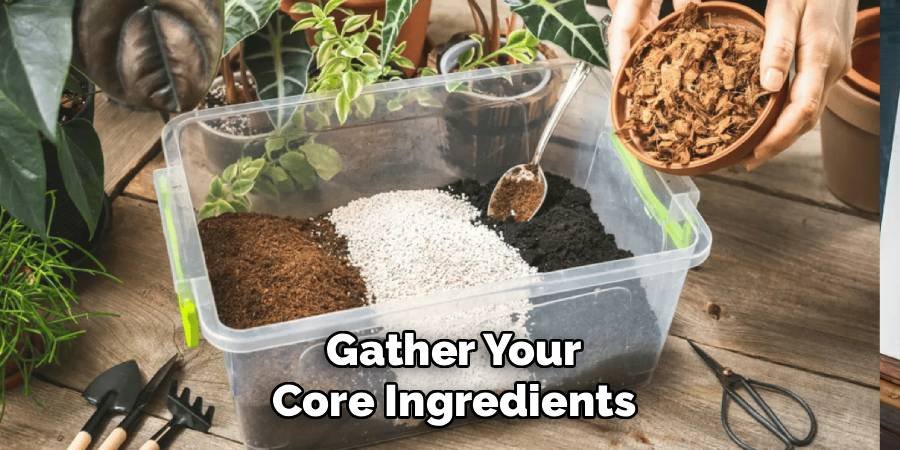
Perlite and pumice are excellent for this purpose. The final element is for moisture retention and nutrients. Compost or vermicompost (worm castings) are fantastic options, as they enrich the soil and help hold water without becoming waterlogged. Having these three types of ingredients on hand is the first step toward creating a balanced, all-purpose blend.
Step 2: Understand Your Ratios
The standard recipe for a basic, all-purpose potting mix follows a simple 1:1:1 ratio. This means you will combine one part base material, one part aeration material, and one part nutrient-rich material. For example, you could mix one gallon of peat moss, one gallon of perlite, and one gallon of compost. This balanced formula works well for a wide variety of houseplants, vegetables, and flowers. It provides a solid foundation of structure, drainage, and nutrition. As you become more familiar with your plants’ needs, you can adjust these ratios, but the 1:1:1 mix is the perfect starting point for any beginner.
Step 3: Prepare Your Mixing Area
Creating a potting mix can be a messy job, so preparing your workspace is essential. Lay down a large tarp or plastic sheet in an outdoor space, garage, or basement to make cleanup easier. You will also need a large container for mixing, such as a wheelbarrow, a large tub, or a sturdy bucket.
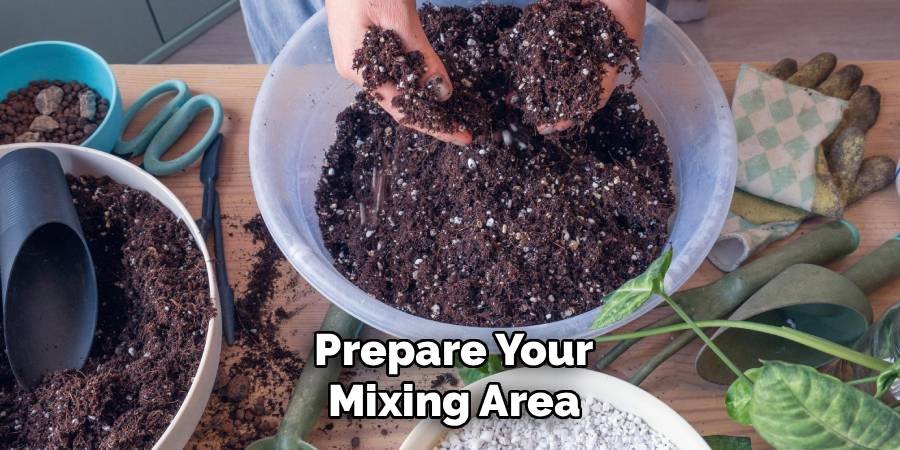
Using a container that is significantly larger than the volume of your final mix will give you ample room to combine the ingredients thoroughly without spilling. Also, grab a garden trowel or a small shovel to help measure and mix the components evenly.
Step 4: Moisten the Peat Moss or Coco Coir
Peat moss and coco coir are often sold in compressed, dry bales. In this state, they are hydrophobic, meaning they repel water. To ensure they mix evenly with other ingredients and can effectively absorb water later, you must pre-moisten them. Place your chosen base material into your mixing container and slowly add warm water while fluffing it with your hands or a trowel. Continue adding water and mixing until the material is damp like a wrung-out sponge but not soaking wet. This step is crucial for achieving a consistent final product and preventing dry pockets in your mix.
Step 5: Add Perlite or Pumice for Aeration
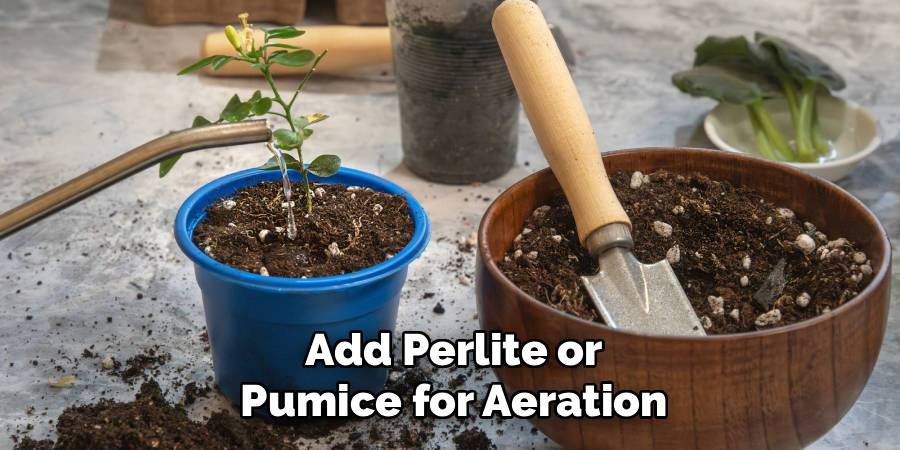
Once your base material is properly moistened, it’s time to add your aeration component. Measure out an equal part of perlite or pumice and add it to the mixing container with the peat moss or coco coir. Perlite is a lightweight volcanic glass that creates air pockets, while pumice is a heavier volcanic rock that also improves drainage but adds weight, which can be useful for top-heavy plants. Mix these ingredients thoroughly until the white or gray specks of the aeration material are evenly distributed throughout the base. This ensures your entire mix will drain properly.
Step 6: Incorporate Compost for Nutrients
Now you will add the lifeblood of your potting mix: the compost. Measure an equal part of mature, screened compost or vermicompost and add it to your container. Compost provides a slow release of essential nutrients that will feed your plants over time. It also improves the soil structure and introduces beneficial microorganisms that help plants thrive. Mix everything together again until the compost is fully integrated and the color of the mix is uniform. Be thorough in this step to ensure every scoop of your mix contains a balanced blend of all three components.
Step 7: Consider Adding Amendments
While a three-ingredient mix is great, you can add other amendments to further customize your soil. For example, adding a handful of lime can help balance the pH of peat moss, which is naturally acidic. If you’re creating a mix for heavy feeders like tomatoes, you might add a slow-release granular fertilizer. For plants that love extra drainage, like succulents, you can increase the amount of perlite or add coarse sand. Researching the specific needs of your plants will help you decide which, if any, amendments will provide the most benefit for their long-term health and growth.
Step 8: Store Your Potting Mix Properly
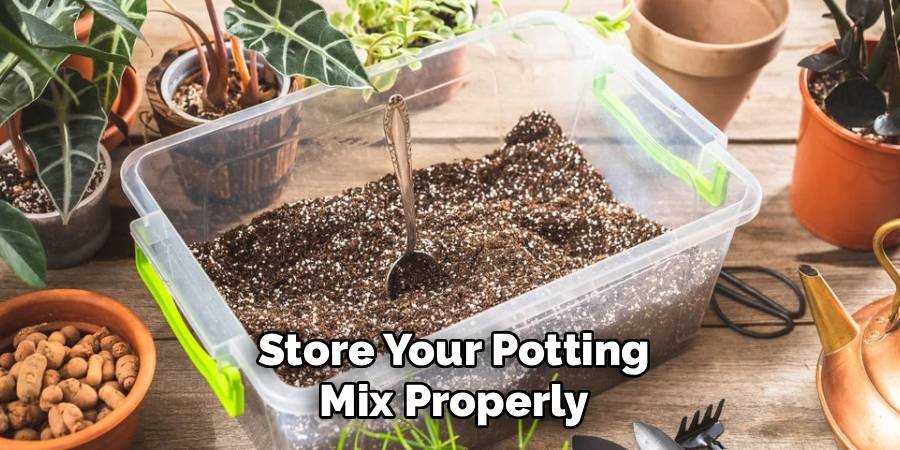
If you’ve made a large batch, proper storage is key to keeping your potting mix fresh and ready for future use. The ideal storage container is a bucket with a lid, a sturdy plastic tote, or a thick contractor bag. The goal is to keep the mix covered to prevent it from completely drying out and to stop pests or weed seeds from getting in. Store the container in a cool, dry place like a shed, garage, or basement. When you’re ready to use it, just give it a quick fluff, and it will be perfect for your next planting project.
Frequently Asked Questions
What Is the Difference Between Potting Soil and Potting Mix?
Potting mix is a soilless medium designed for container gardening. It’s typically composed of peat moss or coco coir, perlite, and compost. It is lightweight, sterile, and provides good drainage. Potting soil, on the other hand, may contain actual soil (sand, silt, and clay) and is often heavier. For container plants, a soilless potting mix is almost always the better choice to prevent compaction and ensure proper root aeration.
Can I Use Garden Soil in My Potting Mix?
It is generally not recommended to use soil from your garden in a potting mix. Garden soil is heavy and compacts easily in containers, leading to poor drainage and suffocated roots. It can also contain weed seeds, pests, and diseases that you don’t want to introduce to your indoor or container plants. Sticking to a soilless mix is a much safer and more effective approach for healthy container gardening.
How Do I Adjust the Mix for Succulents and Cacti?
Succulents and cacti require a mix with excellent drainage to prevent root rot. To adapt a basic recipe for these plants, you should increase the proportion of aeration materials. A good starting ratio would be one part coco coir, two parts perlite or pumice, and a half part compost. You can also add coarse sand or small gravel to further enhance drainage and mimic their natural arid environment.
Is Peat Moss an Environmentally Friendly Choice?
The sustainability of peat moss is a subject of debate. Peat is harvested from bogs, which are sensitive ecosystems that take thousands of years to form. Over-harvesting can damage these environments. Coco coir, a byproduct of the coconut industry, is a widely used renewable alternative. It offers similar properties in a potting mix, making it an excellent and more sustainable substitute for gardeners concerned about their environmental impact.
How Long Will My Homemade Potting Mix Last?
If stored properly in a sealed container in a cool, dry place, your homemade potting mix can last for several years. However, the organic components like compost will slowly break down, and the nutrient value will diminish over time. For best results, it is recommended to use your mix within six months to a year. If using an older mix, you can refresh it by adding some new compost or a slow-release fertilizer.
Conclusion
Creating your own potting mix is an empowering step toward becoming a more confident and successful gardener. By understanding the roles of the base, aeration, and nutrient components, you can craft the perfect growing medium for any plant. You gain control over quality, save money, and can fine-tune your recipes as you learn more about your plants’ unique needs. Now that you know how to make a potting mix, you have the foundation for a thriving container garden. So, gather your ingredients, start mixing, and watch your plants flourish.

About
Jovie Mathews is a backyard and outdoor expert writer with over 12 years of hands-on experience transforming neglected outdoor spaces into thriving gardens and functional retreats. Raised in a family where weekends meant digging in the soil and building raised beds from scratch, Jovie developed a genuine love for the outdoors long before it became a career.
She writes with a practical, no-fluff approach — always testing ideas in her own backyard before sharing them with readers. From composting systems and native plant selection to patio design and pest control, Jovie covers the full spectrum of backyard life with equal parts expertise and enthusiasm.
Education
B.Sc. in Horticulture Science
University of Florida (UF) · Gainesville, FL · 2014
IFAS College of Agricultural and Life Sciences
Minor in Environmental Studies
University of Florida (UF) · Gainesville, FL · 2014
College of Liberal Arts and Sciences
Areas of expertise
- Lawn & Garden Care
- Soil prep, planting, seasonal care
- Outdoor DIY Projects
- Raised beds, fencing, pathways
- Composting & Soil Health
- Organic methods, amendments
- Native Plants & Wildlife
- Pollinators, habitat gardening
When she is not writing, Jovie can be found testing new composting techniques, growing tomatoes in questionable quantities, or convincing her neighbors that clover lawns are actually a great idea. She currently gardens in the Pacific Northwest.