

Hawks are magnificent birds of prey, but their presence can be a serious concern for those with backyard chickens, small pets, or a thriving songbird population. These skilled hunters are a natural part of the ecosystem, but when they get too comfortable in your yard, it can lead to unfortunate losses.
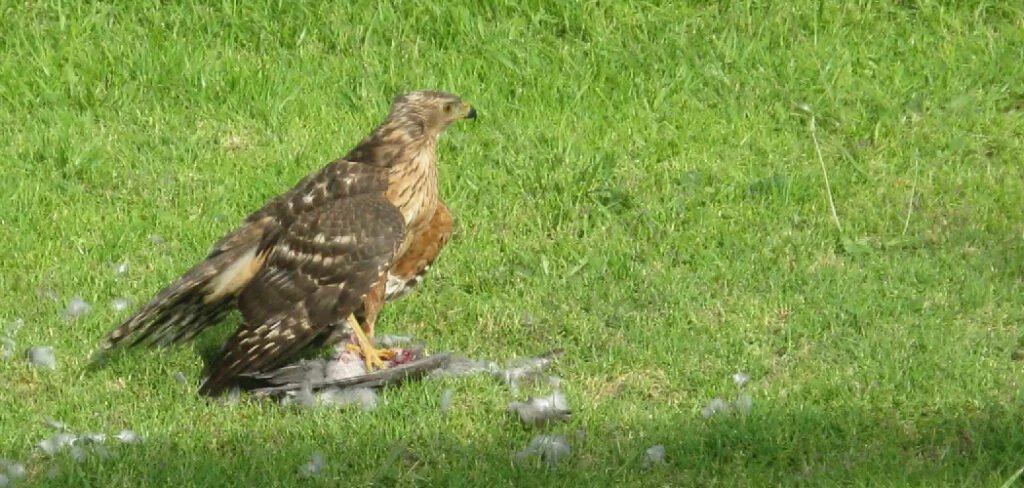
Understanding their behavior is the first step toward protecting your smaller animals. This guide will walk you through effective and humane methods for how to deter hawks, helping you create a safer environment for your beloved pets and backyard wildlife without harming these protected raptors. By implementing a few strategic changes, you can encourage them to hunt elsewhere.
Why You Need to Protect Your Yard from Hawks
Hawks are protected under the federal Migratory Bird Treaty Act, making it illegal to capture, harm, or kill them. This means any deterrent methods must be non-lethal and focus on making your property less appealing to them. Hawks are opportunistic hunters, drawn to areas with an abundant and accessible food supply. If your yard offers easy meals, such as free-ranging chickens, rabbits, squirrels, or even small dogs and cats, hawks will see it as a prime hunting ground.
Their keen eyesight allows them to spot prey from great heights, and they often perch in tall trees to survey the area before swooping in for an attack. The goal of any deterrent strategy is to disrupt this process. By removing their tactical advantages and creating an environment that seems unsafe or uninviting, you can persuade hawks to move on to easier hunting territories. This proactive approach ensures the safety of your animals while respecting the laws that protect these incredible birds.
8 Step-by-Step Guide on How to Deter Hawks
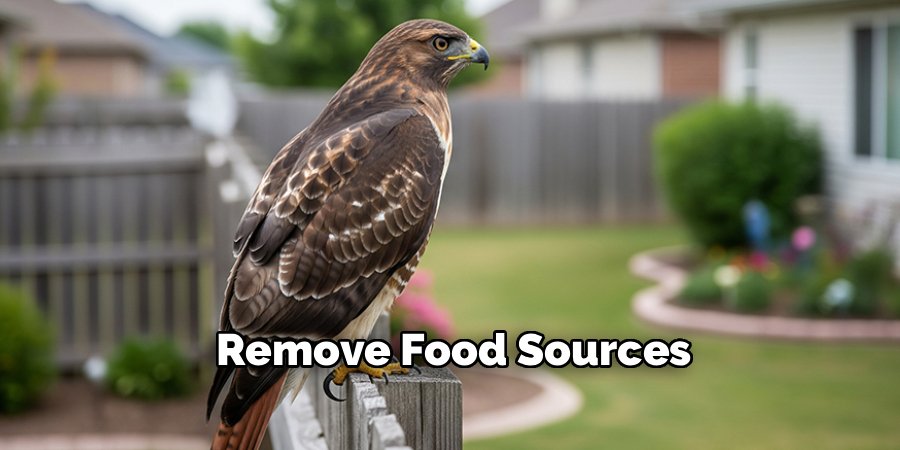
Step 1: Remove Food Sources
The primary reason a hawk will visit your yard is the availability of food. Your first line of defense is to make food sources less accessible. If you have bird feeders, they can attract not only songbirds but also the rodents that feed on spilled seeds. These smaller animals are a prime target for hawks. Consider using feeder designs that minimize spillage or temporarily removing them if a hawk has become a persistent visitor. Also, ensure your trash cans are securely covered to prevent attracting rodents and other small mammals that hawks prey upon.
Step 2: Utilize Scare Tactics with Reflective Objects
Hawks have incredibly sensitive eyesight and are easily startled by sudden flashes of light. You can use this to your advantage by hanging reflective objects around your property. Reflective scare tape, old CDs, or small mirrors can be hung from tree branches, fences, or shepherd’s hooks. As the wind moves them, they will spin and create unpredictable flashes of light that frighten hawks and other birds. For best results, place these items in open areas where they will catch the most sunlight and be highly visible from the air.
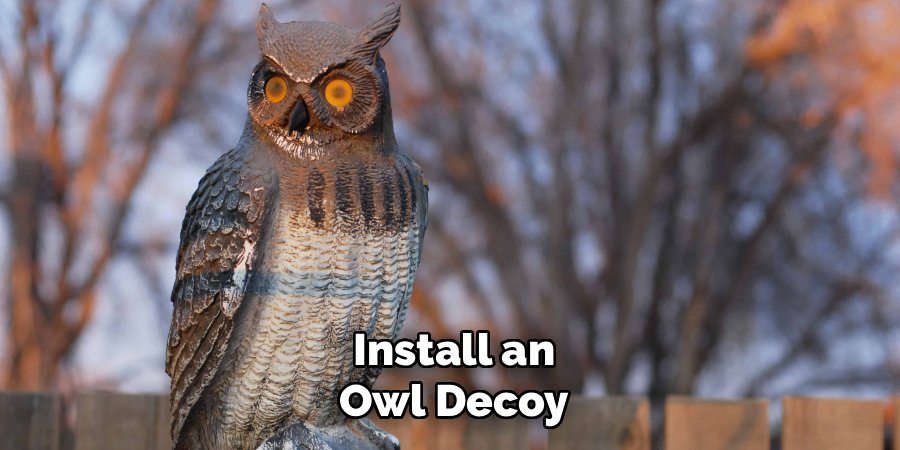
Step 3: Install an Owl Decoy
Owls, particularly Great Horned Owls, are natural predators of hawks and will often compete for the same territory. Placing a realistic owl decoy in a prominent position can trick a hawk into thinking a formidable competitor has already claimed the area. Choose a high-quality decoy, preferably one with a head that moves in the wind, to make it appear more lifelike. Move the decoy to a new spot every few days. A stationary decoy will quickly be identified as a non-threat, so changing its location is crucial for this method to remain effective.
Step 4: Provide Cover for Vulnerable Animals
One of the best ways to protect your animals is to limit their exposure. Hawks attack from above, so providing overhead cover is essential. If you have backyard chickens, ensure their coop has a covered run. You can use hardware cloth, netting, or a solid roof to create a secure space. For small pets, never leave them unsupervised in an open yard, especially during dawn and dusk when hawks are most active. Planting dense shrubs or small trees can also create natural hiding spots where smaller animals can take refuge if a hawk is spotted overhead. This is a critical part of learning how to deter hawks effectively.
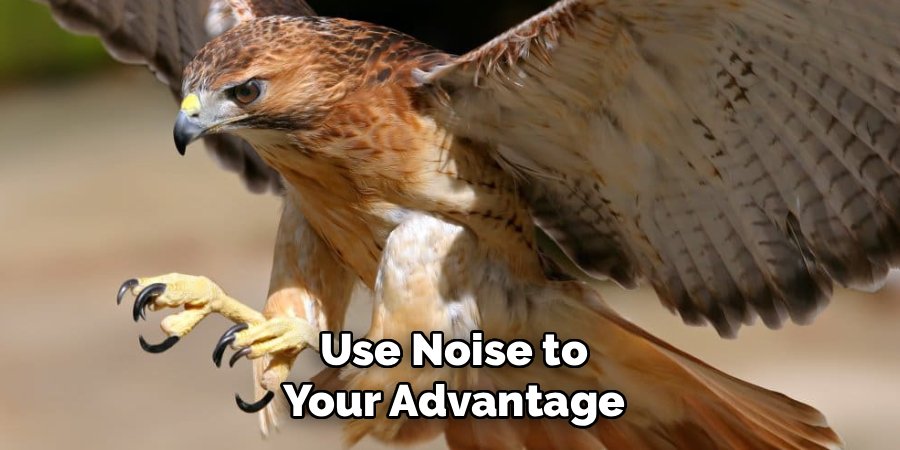
Step 5: Use Noise to Your Advantage
Unexpected noises can be very effective at scaring hawks away. Wind chimes, particularly larger ones that create deeper tones, can be a simple and pleasant way to add an auditory deterrent to your yard. For a more active approach, you can play recordings of hawk distress calls or the sounds of their predators, like owls. There are also motion-activated noise makers available that will emit a startling sound when a hawk flies into its range. The key is to use sounds that are unfamiliar and disruptive to the otherwise quiet environment a hawk prefers for hunting.
Step 6: Eliminate High Perches
Before they strike, hawks often survey their hunting ground from a high vantage point, such as a tall, dead tree or a telephone pole. By eliminating these perches, you make it more difficult for them to scout for prey in your yard. Prune dead branches from tall trees and consider adding bird spikes to the tops of fence posts or roof lines where you have observed hawks perching. While you may not be able to remove every potential perch, making the most obvious ones uncomfortable or inaccessible can encourage a hawk to move to a different area.
Step 7: Get a Protective Rooster or Guard Animal
If you raise chickens, adding a rooster to your flock can provide a significant layer of protection. Roosters are naturally vigilant and will sound a loud alarm call at the first sign of an aerial threat, alerting the hens to take cover. Some chicken breeds are more alert than others. Similarly, certain dog breeds, like Great Pyrenees, are excellent livestock guardians and their presence alone can be a powerful deterrent. A large dog in the yard makes the area seem far too risky for a hawk to attempt an attack. This natural solution integrates seamlessly into your backyard ecosystem.
Step 8: Use Strategic Netting
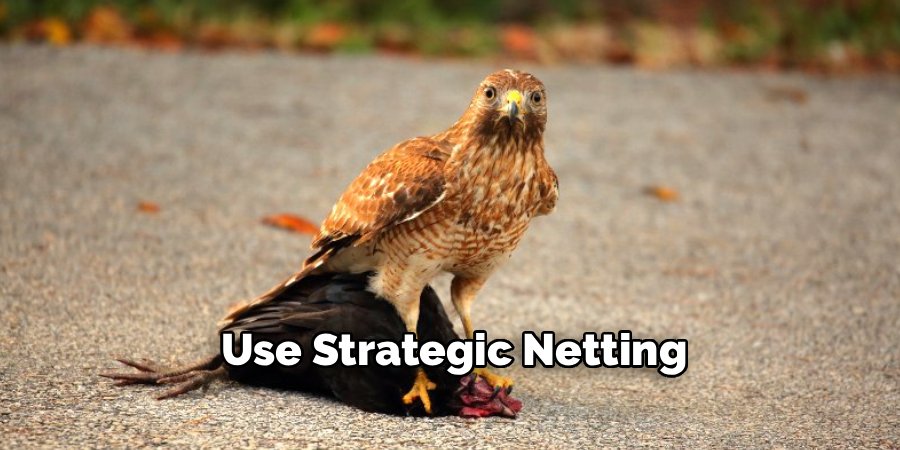
For specific, high-risk areas like a chicken run, vegetable garden, or koi pond, installing protective netting is one of the most foolproof methods. Bird netting creates a physical barrier that a hawk simply cannot penetrate. Ensure the netting is pulled taut and securely fastened to prevent gaps or sagging where a predator might get through. This solution is ideal for protecting a defined space and offers complete peace of mind. It’s a direct and highly successful technique for anyone serious about how to deter hawks and protect their assets from above.
Frequently Asked Questions
What Time of Day Are Hawks Most Active?
Hawks are diurnal, meaning they are most active during daylight hours. Their peak hunting times are typically in the early morning, shortly after sunrise, and in the late afternoon before sunset. This is when their prey is often most active as well. Being extra vigilant and keeping small pets indoors during these periods can significantly reduce the risk of an encounter with a hunting hawk.
Will Scarecrows Work to Deter Hawks?
A traditional, stationary scarecrow is unlikely to be effective against a hawk for long. Hawks are intelligent and will quickly realize that the object poses no real threat. However, a more dynamic “scarecrow,” like an inflatable tube man that moves erratically, can be more effective. The key is unpredictable movement, which signals danger to a cautious hawk.
Can a Hawk Pick Up a Small Dog or Cat?
While it is possible for a large hawk to attack a small pet, carrying one away is less common. A red-tailed hawk, one of the largest in North America, typically weighs 2-4 pounds and can carry prey up to its own body weight. Therefore, very small dogs (under 5 pounds), kittens, and puppies are at the greatest risk. It is always best to supervise small pets when they are outdoors.
Are There Any Plants That Deter Hawks?
There are no specific plants that are known to repel hawks. However, you can use landscaping to your advantage. Planting dense shrubs and trees with low-hanging canopies can create natural cover for small animals. This obstructs a hawk’s line of sight and gives potential prey plenty of places to hide, making your yard a more challenging and less attractive hunting ground for them.
Is It Legal to Shoot a Hawk That Is Attacking My Chickens?
No, it is illegal to shoot a hawk or any other bird of prey. Hawks are protected under the federal Migratory Bird Treaty Act, and harming them can result in severe penalties, including large fines and even jail time. You must only use non-lethal deterrents. If you have a persistent problem, contact your local wildlife agency for guidance on approved methods.
Conclusion
Protecting your backyard animals from hawks does not require harming these magnificent birds. By understanding their hunting habits and making your yard a less inviting place, you can coexist peacefully. The most successful strategies involve a combination of methods, from removing food sources and providing cover to using visual and auditory deterrents. Consistency is key, as hawks are creatures of habit and will move on if they consistently find your property to be a challenging place to hunt. By following these steps on how to deter hawks, you can create a safe haven for your pets and poultry while still respecting the balance of nature.

About
Jovie Mathews is a backyard and outdoor expert writer with over 12 years of hands-on experience transforming neglected outdoor spaces into thriving gardens and functional retreats. Raised in a family where weekends meant digging in the soil and building raised beds from scratch, Jovie developed a genuine love for the outdoors long before it became a career.
She writes with a practical, no-fluff approach — always testing ideas in her own backyard before sharing them with readers. From composting systems and native plant selection to patio design and pest control, Jovie covers the full spectrum of backyard life with equal parts expertise and enthusiasm.
Education
B.Sc. in Horticulture Science
University of Florida (UF) · Gainesville, FL · 2014
IFAS College of Agricultural and Life Sciences
Minor in Environmental Studies
University of Florida (UF) · Gainesville, FL · 2014
College of Liberal Arts and Sciences
Areas of expertise
- Lawn & Garden Care
- Soil prep, planting, seasonal care
- Outdoor DIY Projects
- Raised beds, fencing, pathways
- Composting & Soil Health
- Organic methods, amendments
- Native Plants & Wildlife
- Pollinators, habitat gardening
When she is not writing, Jovie can be found testing new composting techniques, growing tomatoes in questionable quantities, or convincing her neighbors that clover lawns are actually a great idea. She currently gardens in the Pacific Northwest.