

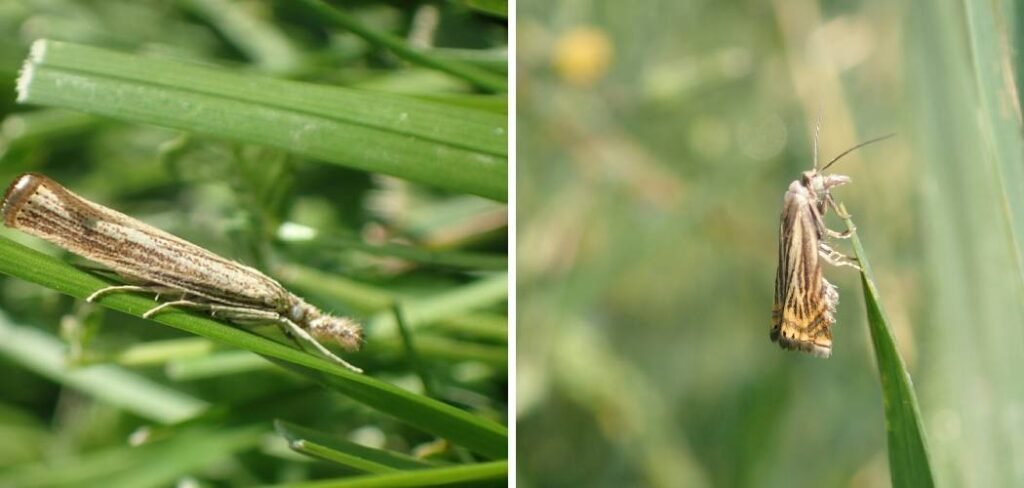
Discovering small, tan-colored moths fluttering over your lawn at dusk can be an unsettling sight for any homeowner. These are likely lawn moths, the adult stage of sod webworms, which are destructive pests that can cause significant damage to your turf. Noticing them is the first sign of a potential infestation that can lead to brown, patchy, and unhealthy-looking grass.
The key is to act swiftly before the larvae, or webworms, have a chance to feast on your grass blades. This guide will walk you through exactly how to get rid of lawn moths, providing a clear, step-by-step approach to reclaim your yard and ensure your lawn stays green and vibrant. We’ll cover everything from proper identification to effective treatment and prevention strategies.
Why You Need to Know How to Get Rid of Lawn Moths
Lawn moths themselves don’t damage your grass, but their presence is a clear warning sign. These moths lay eggs that hatch into sod webworms, the destructive larval stage. These caterpillars live in the thatch layer of your lawn and emerge at night to chew on grass blades. An infestation can quickly turn a lush, green lawn into a collection of brown, dying patches. Ignoring the moths allows the population to grow, making the eventual damage much more severe and harder to control. Addressing the adult moth population is a crucial first step in breaking the life cycle of this pest and protecting your investment in a beautiful lawn.
7 Step Methods Guide on How to Get Rid of Lawn Moths
Step 1: Confirm the Pest Identity
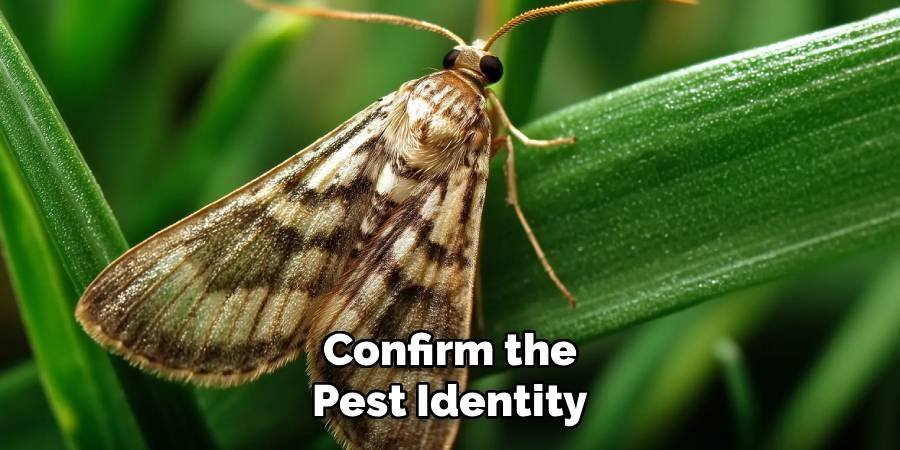
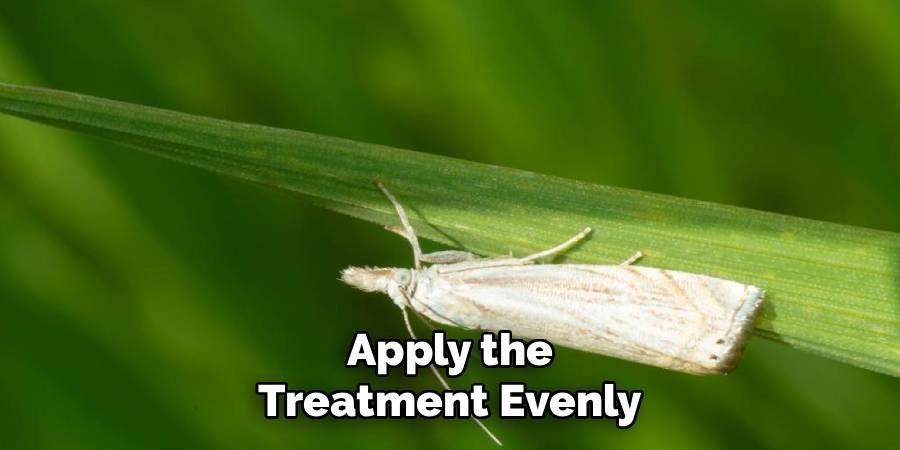
Before you begin any treatment, it is essential to correctly identify the pest. Lawn moths, also known as sod webworm moths, are small, with a wingspan of about ¾ inch. They are typically light tan or gray and have a distinctive snout-like projection on their heads. You will notice them flying low over the grass in a jerky, zig-zag pattern, especially during the early evening hours. To confirm the presence of their larvae, the sod webworms, you can perform a “drench test.” Mix two tablespoons of liquid dish soap with two gallons of water and pour it over a small, affected area of your lawn. Within minutes, any webworms present will surface.
Step 2: Mow and Dethatch Your Lawn
Proper lawn maintenance is your first line of defense. Start by mowing your lawn to the appropriate height for your grass type, which helps expose the thatch layer where sod webworms reside. Following the mow, use a dethatching rake or a power dethatcher to remove the thick layer of dead grass, roots, and debris that accumulates between the soil surface and the green grass blades. This process physically removes some eggs and larvae, disrupts their habitat, and allows treatments to penetrate the soil more effectively. A clean, well-maintained lawn is less hospitable to pests and more resilient to damage.
Step 3: Choose Your Treatment Method
You have several options when deciding on a treatment. Chemical insecticides containing ingredients like bifenthrin, carbaryl, or permethrin are highly effective and fast-acting. Always read and follow the label instructions carefully for safety and proper application. For those preferring an organic approach, products containing Bacillus thuringiensis (Bt), a naturally occurring soil bacterium, are excellent. Bt is toxic to caterpillars but safe for people, pets, and beneficial insects. Another natural option is beneficial nematodes, which are microscopic worms that seek out and destroy sod webworms in the soil. Choose the method that best aligns with your preferences and the severity of your infestation.
Step 4: Properly Time Your Application
Timing is critical for successful pest control. The best time to apply treatments for sod webworms is late in the afternoon or early evening. This is when the caterpillars are most active and likely to emerge from their burrows to feed. Applying treatments at this time ensures maximum contact with the pests. Furthermore, it’s important to monitor lawn moth activity throughout the spring and summer. Multiple generations of sod webworms can hatch in a single season, so you may need to apply treatments more than once to control new populations as they appear.
Step 5: Apply the Treatment Evenly
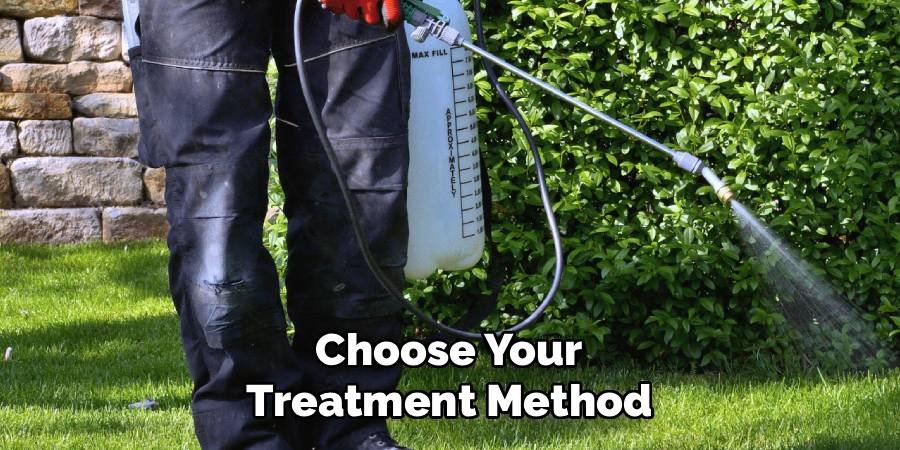
Whether you are using a liquid or granular product, even application is key to ensuring that you effectively get rid of the pests across the entire lawn. For liquid insecticides or Bt sprays, use a hose-end or pump sprayer to get uniform coverage. For granular products, a broadcast or drop spreader will help you distribute the granules evenly. Pay special attention to areas where you have noticed significant moth activity or visible lawn damage. After applying the treatment, lightly water your lawn (about ¼ inch of water) to help wash the product down into the thatch layer where the webworms are living and feeding.
Step 6: Introduce Beneficial Nematodes
For a powerful, long-term biological control method, introduce beneficial nematodes to your lawn. These microscopic organisms are natural predators of soil-dwelling pests like sod webworms. You can purchase them online or at garden centers. They come packaged in a sponge or gel that you mix with water. Apply the nematode solution to your lawn using a sprayer, preferably in the evening when temperatures are cooler and the sun is not as intense. Water the lawn before and after application to ensure the soil is moist, which helps the nematodes travel through the soil to find and infect their hosts.
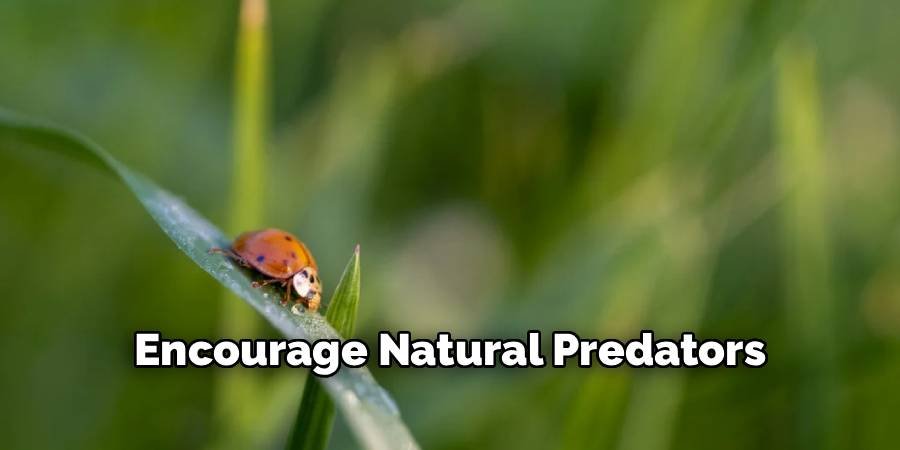
Step 7: Encourage Natural Predators
A healthy lawn ecosystem can help manage pest populations naturally. You can attract birds, one of the primary predators of lawn moths and their larvae, by installing birdhouses, birdbaths, and feeders in your yard. Many beneficial insects also prey on sod webworms. You can encourage these helpful bugs by planting a variety of flowering plants that provide nectar and pollen. Avoiding the broad use of chemical pesticides will also help preserve the populations of these natural enemies, allowing them to assist you in the ongoing effort to control lawn pests. This integrated approach creates a more balanced and resilient outdoor space.
Maintain a Healthy Lawn to Prevent Future Infestations
Prevention is the best long-term strategy. A healthy, dense lawn is much less susceptible to pest damage. Ensure you are following good cultural practices, including deep and infrequent watering to encourage strong root growth. Fertilize your lawn according to its specific needs to keep it thick and vigorous. Continue to mow at the correct height for your grass type and dethatch annually to manage the thatch layer. A robust and well-cared-for lawn can often outgrow minor pest damage and is less attractive to lawn moths looking for a place to lay their eggs. This final step is crucial for long-term success.
Frequently Asked Questions
What Time of Year Are Lawn Moths Most Active?
Lawn moths and their larvae, sod webworms, are typically most active during the warmer months. You will usually start seeing the first generation of moths in late spring, with populations peaking in the summer. Depending on your climate, there can be two to four generations per year, so you may see moth activity continuing into the early fall. The evenings are when you’ll most likely see the moths flying over the grass.
Can Lawn Moths Harm My Pets?
The lawn moths themselves are harmless to people and pets. However, the chemical insecticides used to control them and their larvae can be a concern. If you use a chemical treatment, it is crucial to read the product label and follow all safety precautions. Typically, you will need to keep pets and children off the treated lawn until the product has dried completely. Organic options like Bacillus thuringiensis (Bt) and beneficial nematodes are generally considered safe for pets.
How Can I Tell If My Lawn Damage Is from Moths or Something Else?
Damage from sod webworms, the larvae of lawn moths, often starts as small, brown, or thinning patches of grass that can resemble drought stress. A key indicator is the presence of silk-lined tunnels or burrows in the thatch layer. You may also see small green pellets, which are the caterpillar’s droppings. The “drench test,” using soapy water to bring larvae to the surface, is the most definitive way to confirm a sod webworm infestation.
Do Lawn Lights Attract Lawn Moths?
Yes, like many nocturnal insects, lawn moths are attracted to light sources. Outdoor lighting, such as porch lights, landscape lighting, and security lights, can draw them to your property. While turning off lights can help reduce the number of moths you see near your home, it will not solve a lawn infestation. The moths will still be present in the turf, so focusing on direct lawn treatments is the most effective approach to control.
How Long Does It Take to Get Rid of Sod Webworms?
The time it takes to eliminate an infestation depends on the severity and the treatment method used. Fast-acting chemical insecticides can show results within 24 to 48 hours. Biological controls like Bacillus thuringiensis (Bt) may take a few days to a week to be fully effective, as the caterpillars must ingest it. Beneficial nematodes also take several days to weeks to establish themselves and reduce the pest population. For severe infestations, multiple applications may be necessary to control successive generations.
Conclusion
Successfully protecting your lawn from damage requires a proactive and informed approach. By correctly identifying the pest, maintaining a healthy lawn, and applying timely treatments, you can effectively manage these destructive insects. This guide has provided you with the essential knowledge and actionable steps to control both the adult moths and their damaging larvae. Don’t let these pests ruin the beauty and health of your turf. Now that you have a clear plan on how to get rid of lawn moths, you can confidently reclaim your yard and ensure it remains a lush, green oasis for you and your family to enjoy.

About
Jovie Mathews is a backyard and outdoor expert writer with over 12 years of hands-on experience transforming neglected outdoor spaces into thriving gardens and functional retreats. Raised in a family where weekends meant digging in the soil and building raised beds from scratch, Jovie developed a genuine love for the outdoors long before it became a career.
She writes with a practical, no-fluff approach — always testing ideas in her own backyard before sharing them with readers. From composting systems and native plant selection to patio design and pest control, Jovie covers the full spectrum of backyard life with equal parts expertise and enthusiasm.
Education
B.Sc. in Horticulture Science
University of Florida (UF) · Gainesville, FL · 2014
IFAS College of Agricultural and Life Sciences
Minor in Environmental Studies
University of Florida (UF) · Gainesville, FL · 2014
College of Liberal Arts and Sciences
Areas of expertise
- Lawn & Garden Care
- Soil prep, planting, seasonal care
- Outdoor DIY Projects
- Raised beds, fencing, pathways
- Composting & Soil Health
- Organic methods, amendments
- Native Plants & Wildlife
- Pollinators, habitat gardening
When she is not writing, Jovie can be found testing new composting techniques, growing tomatoes in questionable quantities, or convincing her neighbors that clover lawns are actually a great idea. She currently gardens in the Pacific Northwest.