

Discovering a possum in your garden can be a surprising experience. While these nocturnal marsupials are a natural part of the ecosystem, they can become a nuisance when they decide to take up residence in your backyard. From tipped-over trash cans to damaged vegetable patches, their presence can be disruptive.
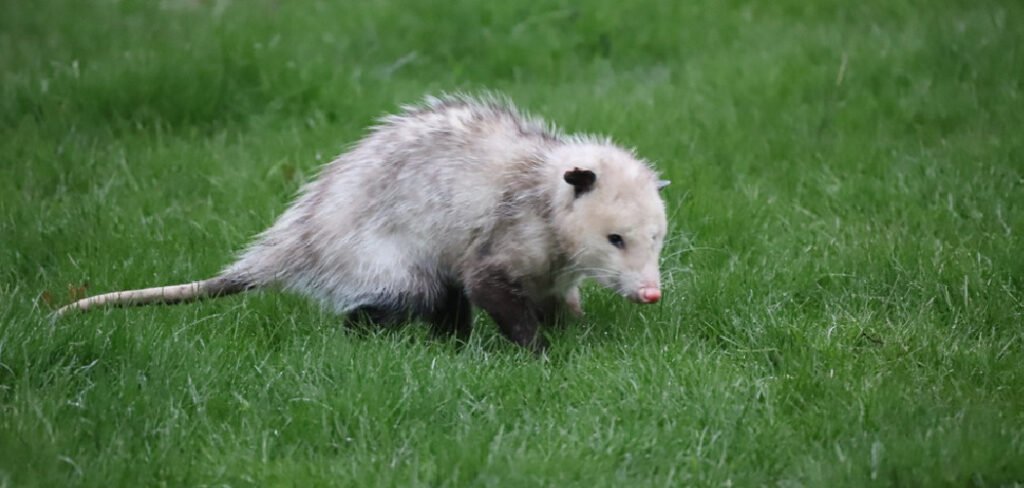
This guide offers practical and humane advice on how to get rid of possum in backyard spaces. We will walk you through effective strategies to encourage these creatures to move on, helping you reclaim your outdoor area without causing harm to the local wildlife.
Why Possum Presence is a Concern for Homeowners
Possums, or opossums as they are officially known, are generally harmless and prefer to avoid conflict. However, their foraging habits can create problems for homeowners. They are opportunistic omnivores, meaning they will eat almost anything. This includes your prized tomatoes, pet food left outside, and garbage. Their search for food can lead to messes and property damage. Furthermore, while they prefer to live in trees, they may seek shelter in sheds, attics, or under decks, potentially causing structural issues or creating unsanitary conditions. Understanding how to manage their presence is key to maintaining a clean and peaceful backyard environment.
8 Step-by-Step Guide on How to Get Rid of Possum in Backyard
Step 1: Remove All Food Sources
The primary reason a possum visits your yard is to find an easy meal. Your first and most crucial step is to eliminate all accessible food. This means securing garbage can lids with bungee cords or clamps, as possums are skilled at prying them open. Bring pet food and water bowls indoors before nightfall, as these are major attractants.
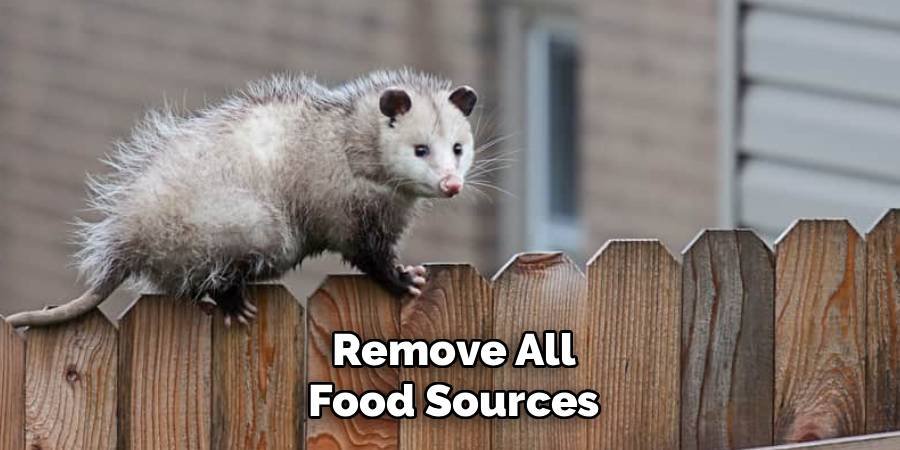
If you have fruit trees, be diligent about picking up any fallen fruit from the ground. Similarly, compost piles should be kept in secure, animal-proof bins. By making your yard a food-free zone, you remove the main incentive for possums to stick around.
Step 2: Secure Your Home and Outbuildings
Possums are always looking for a safe, dark place to sleep during the day. Inspect the exterior of your home, garage, shed, and any other structures for potential entry points. Look for gaps under decks, openings in your foundation, or holes near the roofline. Possums can squeeze through surprisingly small openings. Use sturdy materials like hardware cloth or steel wool to seal these gaps permanently. A well-secured property denies them the shelter they need, forcing them to look for a more suitable den elsewhere. Regularly check these sealed areas to ensure they remain intact.
Step 3: Use Natural Repellents
You can deter possums using scents they find unpleasant. These natural repellents are a humane way to make your yard less inviting. Sprinkling ammonia-soaked rags around areas where you’ve seen activity can be effective, as the smell mimics that of a predator’s urine. Other options include spreading crushed garlic, chili powder, or commercial granular repellents made from predator scents like fox or coyote urine. Apply these repellents around the perimeter of your garden, near trash cans, and at the base of any structures. Reapply them after heavy rain to maintain their potency and keep the possums at bay.
Step 4: Install Motion-Activated Devices
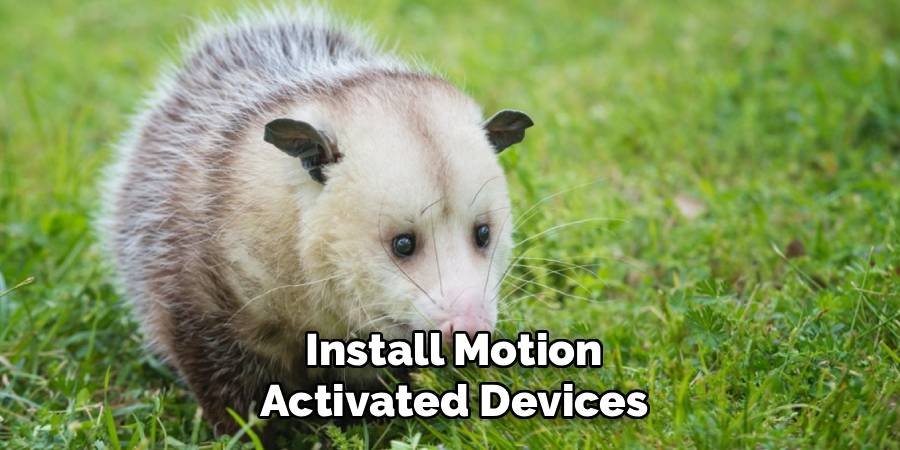
Possums are easily startled. Installing motion-activated sprinklers or lights can be a highly effective deterrent. When a possum wanders into the sensor’s range, a sudden burst of water or a bright light will frighten it away. Position these devices near garden beds, compost bins, or any known possum travel routes. Over time, the possums will learn to associate your yard with this unpleasant surprise and begin to avoid it altogether. This method offers a simple, automated solution that works around the clock to protect your property without any direct intervention on your part.
Step 5: Trim Trees and Shrubs
Possums are excellent climbers and use overhanging tree branches as highways to access your roof, attic, and yard. To cut off these entry routes, regularly trim tree limbs and shrubs that are close to your house. Maintain a clearance of at least five feet between vegetation and your roofline. This simple landscaping adjustment removes their aerial pathways, making it much more difficult for them to reach vulnerable areas of your property. It also improves airflow and sunlight, which can help reduce other pest problems while keeping your yard looking neat and tidy.
Step 6: Make Your Yard Less Appealing
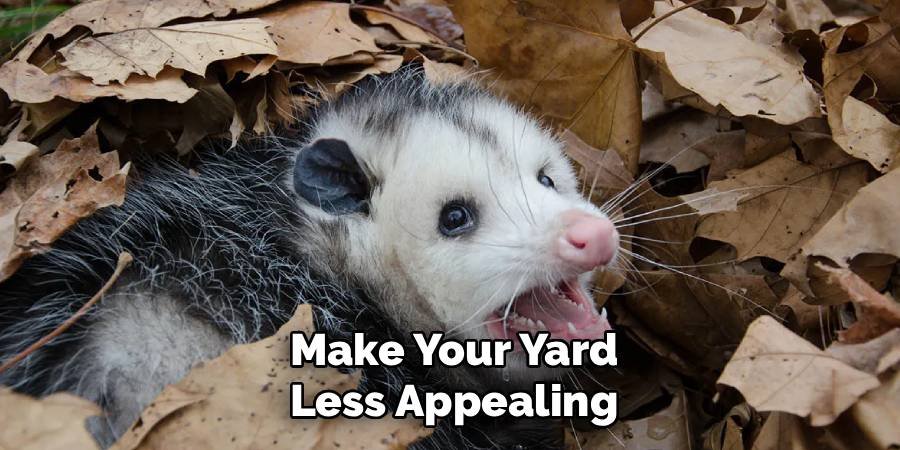
Beyond removing food and shelter, you can make the general environment of your yard less attractive to possums. These animals prefer areas with plenty of cover where they can hide from predators. Reduce potential hiding spots by clearing away piles of brush, wood, and other debris. Keep your lawn mowed and your garden beds well-maintained. A clean, open yard feels exposed and unsafe to a possum. By tidying up, you are not only improving the look of your property but also sending a clear signal that your yard is not a welcoming habitat.
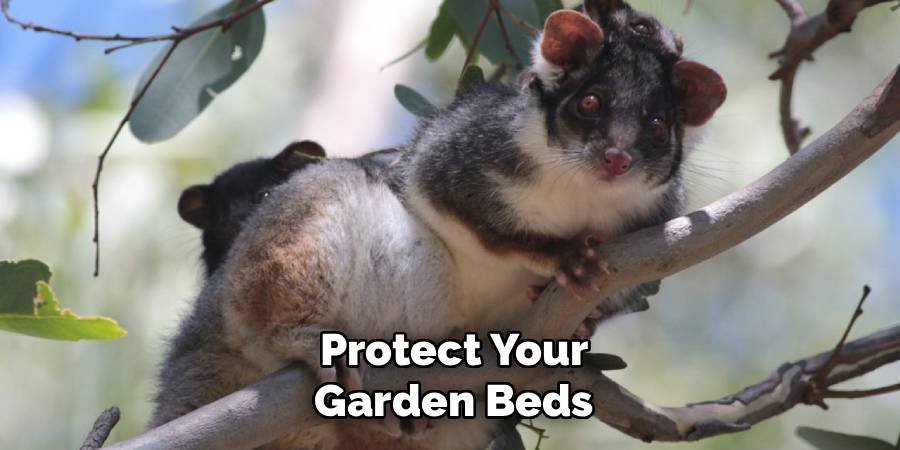
Step 7: Protect Your Garden Beds
If possums are targeting your vegetable patch or flower beds, physical barriers are an excellent solution. A fence can be very effective, but it needs to be designed to stop a clever climber. An ideal fence should be at least four feet tall with a wobbly or outward-angled top section that prevents them from getting a good grip.
Alternatively, you can cover individual plants or entire garden beds with netting at night. This simple step is part of learning how to get rid of possum in backyard by directly protecting the resources they are after, forcing them to forage elsewhere for food.
Step 8: Consider Humane Trapping as a Last Resort
If you have tried all other methods without success, humane trapping may be an option. However, this should be a last resort. Before setting a trap, you must check your local and state wildlife regulations, as relocating animals is often illegal and can be harmful to the possum. If trapping is permitted, use a live-catch trap baited with fruit or canned pet food. Check the trap frequently, especially in the morning, to avoid leaving the animal stressed for a long period. Releasing a possum in an unfamiliar area reduces its chances of survival, so professional removal is always the better choice.
Frequently Asked Questions
What Do Possums Hate the Most?
Possums have a strong sense of smell and are repelled by pungent odors. They particularly dislike the scent of ammonia, which mimics the smell of predator urine. Other scents they find unpleasant include garlic, chili powder, and chemical repellents containing predator scents like coyote or fox urine. Using these smells around your property can effectively deter them from settling in your yard and garden areas.
Are Possums Aggressive Towards Humans or Pets?
Possums are generally not aggressive. When threatened, their primary defense is to “play possum,” feigning death to trick predators into leaving them alone. They may hiss or bare their teeth if cornered, but they will almost always choose to flee rather than fight. While attacks are extremely rare, it is always best to keep a safe distance and not provoke any wild animal, including possums.
Will Leaving a Light on Keep Possums Away?
Yes, lighting can be an effective deterrent. As nocturnal animals, possums prefer to operate under the cover of darkness. A constant porch light might make them uncomfortable, but a motion-activated floodlight is far more effective. The sudden, bright light will startle them and cause them to retreat. Placing these lights near potential food sources or entry points to your home can help keep them at a distance.
What Time of Night Are Possums Most Active?
Possums are nocturnal, meaning they are most active after sunset and throughout the night. Their peak activity time is typically from late evening until just before dawn. During these hours, they leave their dens to forage for food, water, and new shelter. This is why it’s crucial to secure trash cans, bring in pet food, and activate deterrents like sprinklers or lights before you go to bed.
Can Possums Climb Fences?
Yes, possums are incredibly skilled climbers. They can easily scale wooden fences, chain-link fences, and even brick walls using their sharp claws and prehensile tails. A standard fence is unlikely to stop a determined possum. To make a fence possum-proof, it should be at least four feet high and have a feature at the top that prevents them from getting a firm grip, such as a wobbly top section or an outward-facing angle.
Conclusion
Managing uninvited possums in your yard doesn’t have to be a difficult task. By following a consistent and multi-faceted approach, you can create an environment that is no longer attractive to these nocturnal visitors. The key is to remove their access to food, shelter, and water. By securing trash, sealing entry points, and using simple deterrents, you can effectively resolve the issue. Now that you know how to get rid of possum in backyard, you can take confident steps to restore peace and order to your outdoor space humanely.

About
Jovie Mathews is a backyard and outdoor expert writer with over 12 years of hands-on experience transforming neglected outdoor spaces into thriving gardens and functional retreats. Raised in a family where weekends meant digging in the soil and building raised beds from scratch, Jovie developed a genuine love for the outdoors long before it became a career.
She writes with a practical, no-fluff approach — always testing ideas in her own backyard before sharing them with readers. From composting systems and native plant selection to patio design and pest control, Jovie covers the full spectrum of backyard life with equal parts expertise and enthusiasm.
Education
B.Sc. in Horticulture Science
University of Florida (UF) · Gainesville, FL · 2014
IFAS College of Agricultural and Life Sciences
Minor in Environmental Studies
University of Florida (UF) · Gainesville, FL · 2014
College of Liberal Arts and Sciences
Areas of expertise
- Lawn & Garden Care
- Soil prep, planting, seasonal care
- Outdoor DIY Projects
- Raised beds, fencing, pathways
- Composting & Soil Health
- Organic methods, amendments
- Native Plants & Wildlife
- Pollinators, habitat gardening
When she is not writing, Jovie can be found testing new composting techniques, growing tomatoes in questionable quantities, or convincing her neighbors that clover lawns are actually a great idea. She currently gardens in the Pacific Northwest.