

Cats are wonderful companions, but they can become a nuisance when they treat your porch like their personal litter box or scratching post. Whether you’re dealing with neighborhood strays or your own curious feline, finding a gentle yet effective solution is key.
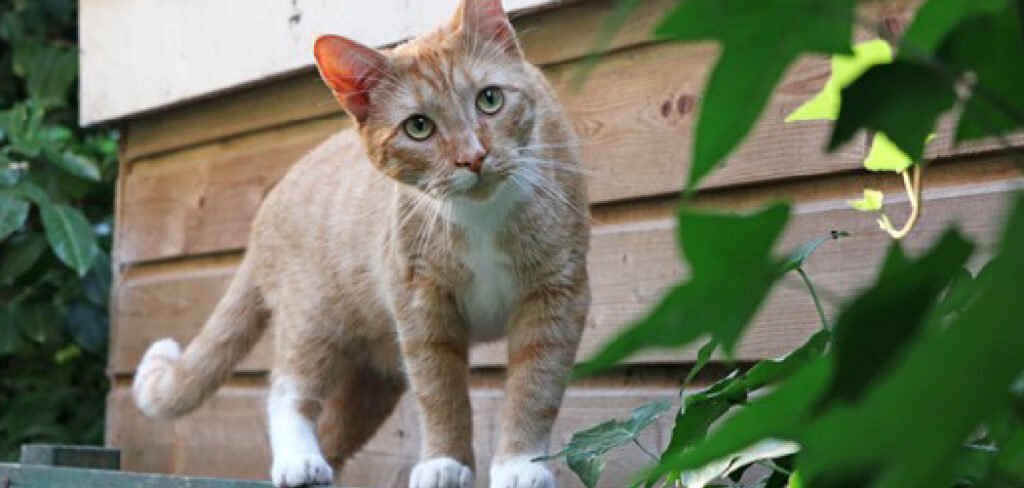
Learning how to keep cats off porch spaces doesn’t require harsh chemicals or expensive gadgets. This guide will walk you through several simple, humane, and budget-friendly methods to reclaim your outdoor area. By understanding feline behavior and using their natural instincts against them, you can create a cat-free zone while ensuring their safety and well-being.
Why Cats Are Attracted to Your Porch
Before diving into solutions, it helps to understand why cats find your porch so appealing. Felines are creatures of comfort and habit. A covered porch offers shelter from rain, wind, and the hot sun, making it an ideal resting spot. It also provides a high vantage point from which they can safely observe their surroundings, watching for prey or potential threats.
If you have comfortable outdoor furniture, cushions, or rugs, these can seem like an open invitation for a cozy nap. Furthermore, if other animals (or even you) leave out food or water, cats will see your porch as a reliable source for a meal. By identifying these attractions, you can better tailor your approach to make the space less inviting.
7 Step-by-Step Guide on How to Keep Cats Off Porch Areas
Step 1: Remove All Food Sources
The most common reason a cat repeatedly visits your porch is the promise of food. Start by ensuring your property is free of any potential meals. This includes pet food bowls for your own animals, which should be brought inside immediately after feeding time. Secure your trash can lids tightly, as the smell of discarded food can attract cats from blocks away. If you feed birds, consider moving the feeders to another part of your yard, as fallen seeds can attract rodents, which in turn attract cats. By eliminating these temptations, you remove the primary incentive for them to return.

Step 2: Utilize Scents Cats Dislike
Cats have a powerful sense of smell, which you can use to your advantage. Many common household scents are repulsive to felines. Create a simple DIY spray by mixing water with a few drops of essential oils like citronella, lavender, peppermint, or lemongrass. Citrus is another powerful deterrent; you can scatter fresh orange, lemon, or grapefruit peels around your porch, particularly in areas where cats tend to lounge. Coffee grounds, vinegar-soaked rags, and certain herbs like rosemary or rue can also be effective. Reapply these scents every few days, and especially after it rains, to maintain their potency.
Step 3: Make Surfaces Uncomfortable
Cats seek comfort, so making your porch surfaces unwelcoming is a great deterrent. One effective method is to place materials that cats dislike walking on in their favorite spots. You can use double-sided sticky tape on porch railings, furniture, or ledges, as cats dislike the tacky sensation on their paws. Another option is to lay down aluminum foil, which creates a crinkling sound and an unpleasant texture. For larger areas like porch floors or garden beds near the porch, you can use plastic carpet runners with the nubby side facing up. These methods don’t harm the cat but make lounging on your porch an uncomfortable experience.
Step 4: Install Motion-Activated Devices
A sudden noise or spray of water can be highly effective at startling a cat and discouraging it from returning. Motion-activated sprinklers are an excellent tool. When a cat crosses the sensor’s path, it releases a brief, harmless burst of water. The surprise is usually enough to send the cat running, and after a few encounters, it will learn to associate your porch with the unpleasant experience. Similarly, ultrasonic devices emit a high-frequency sound that is inaudible to humans but irritating to cats. Place these devices strategically around your porch to create an invisible, cat-free barrier.
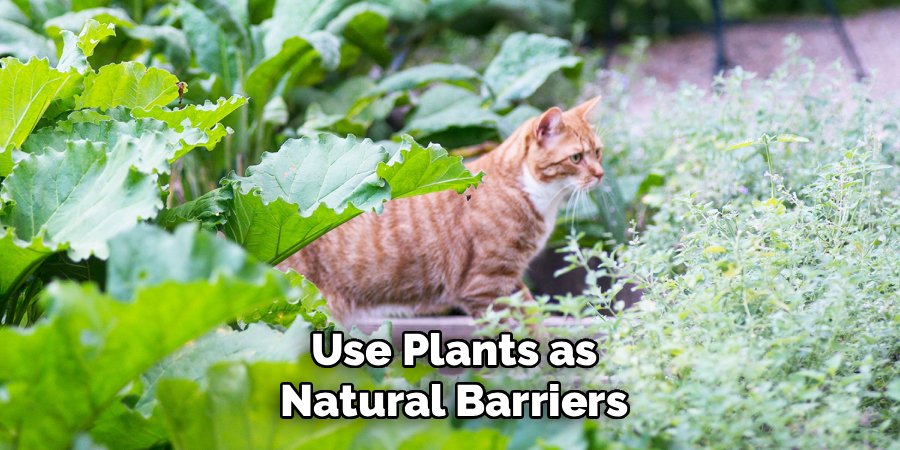
Step 5: Use Plants as Natural Barriers
Certain plants are known to be natural cat repellents. Planting them in pots on your porch or in garden beds surrounding it can create a beautiful and functional barrier. The Coleus canina, often called the “Scaredy Cat Plant,” releases an odor that felines find offensive. Other effective options include lavender, rosemary, rue, and pennyroyal. Not only do these plants help keep cats away, but many of them also add color and fragrance to your outdoor space. This approach is a long-term, low-maintenance solution for keeping your porch pristine and is a key part of learning how to keep cats off porch areas for good.
Step 6: Block Access to Sheltered Areas
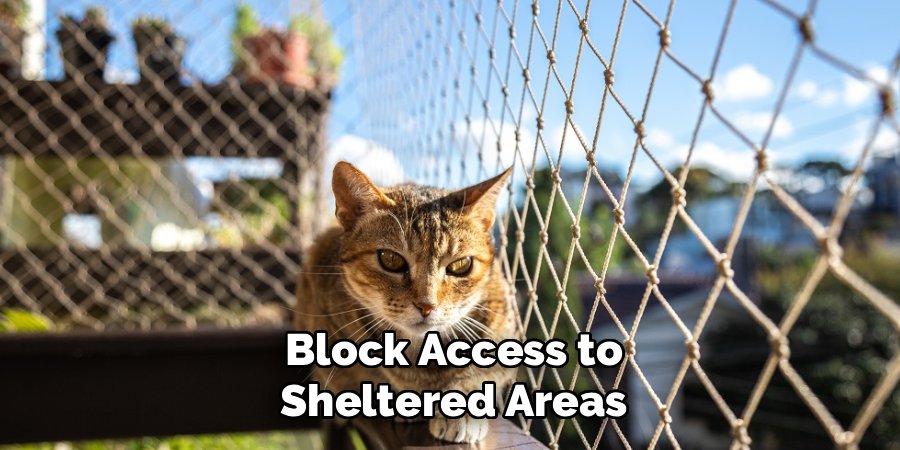
Cats are often drawn to the dark, cozy spaces under your porch or behind furniture. Take some time to inspect your porch for any potential hiding spots. If you have a raised porch, install lattice or chicken wire around the base to prevent cats from crawling underneath. Be sure to check for any existing inhabitants before sealing it off completely. Move furniture away from corners and block off any nooks or crannies that might seem inviting for a nap. By removing these safe havens, you make your porch a much less attractive place for a cat to settle down.
Step 7: Keep It Clean
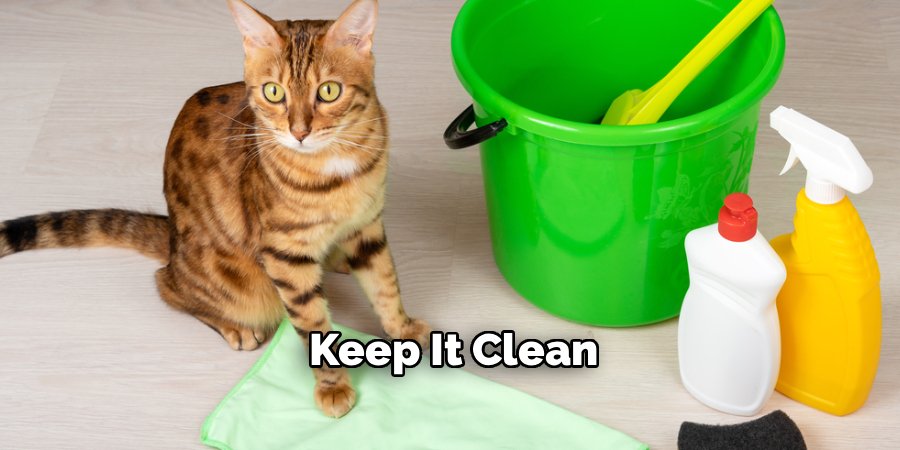
Regularly cleaning your porch can help remove the scent markings that cats use to claim territory. When a cat sprays or urinates, it leaves behind a scent that tells other cats it has been there. To eliminate this, use an enzymatic cleaner specifically designed to break down pet odors. A simple mixture of water and white vinegar can also work to neutralize smells. Thoroughly scrub down surfaces where you’ve noticed cats resting or marking. A clean, scent-free porch is less likely to be viewed as an established territory, discouraging repeat visits from neighborhood felines.
Create an Alternative, More Appealing Space
If you are dealing with your own pet cat or are open to helping community cats, providing a better alternative can be a kind solution. Designate a different area of your yard as a cat-friendly zone. You can build a small, sheltered cat house, create a sandy area for them to use as a litter box, and plant catnip or catmint to attract them to that spot. By making another location more comfortable and enticing than your porch, you can gently guide them away from the areas where you don’t want them. This redirects their natural behaviors without conflict.
Frequently Asked Questions
What Is the Most Effective Cat Repellent?
The effectiveness of a repellent often depends on the individual cat. However, motion-activated sprinklers are widely considered one of the most effective methods. They use a harmless but startling burst of water to create a negative association with the area. For a scent-based approach, a spray made with citrus or lavender essential oils is often successful, as most cats find these smells unpleasant. Combining a few different methods usually yields the best results.
Does Vinegar Keep Cats Away?
Yes, vinegar can be an effective cat deterrent. Its strong, acidic smell is offensive to a cat’s sensitive nose. You can create a spray solution by mixing equal parts white vinegar and water and applying it to your porch surfaces, railings, and furniture. Alternatively, soak rags in vinegar and place them in areas where cats tend to lounge. You will need to reapply it every few days to maintain its effectiveness.
Will Coffee Grounds Keep Cats Off My Porch?
Coffee grounds can work as a cat repellent due to their strong odor and coarse texture. Many cats dislike the smell and will avoid areas where it is present. To use this method, simply scatter used, cooled coffee grounds around the perimeter of your porch or in any planters. It’s a natural and eco-friendly option that also enriches the soil for any acid-loving plants you might have nearby.
Are Ultrasonic Cat Repellents Cruel?
Ultrasonic cat repellents are generally considered a humane deterrent. They emit a high-frequency sound that is annoying to cats but typically inaudible and harmless to humans and most other animals. The sound is designed to be uncomfortable enough to make cats leave the area, but it does not cause them physical pain. It’s a passive way to train cats to avoid a specific zone without direct confrontation or harm.
How Do I Stop My Neighbor’s Cat from Pooping on My Porch?
To stop a neighbor’s cat from using your porch as a litter box, you need to make the area unattractive to them. Start by thoroughly cleaning the soiled areas with an enzymatic cleaner to eliminate scent markings. Then, employ deterrents like citrus peels, coffee grounds, or a motion-activated sprinkler. You could also try placing a litter box in a discreet corner of your yard as an alternative, which may redirect the behavior.
Conclusion
Protecting your porch from feline visitors is entirely possible with a bit of patience and consistency. By implementing the humane strategies discussed, from using scents cats dislike to making surfaces uncomfortable and removing attractants, you can successfully reclaim your outdoor space. The key is to create an environment that is no longer welcoming to them. Now that you have a better understanding of how to keep cats off porch areas, you can choose the methods that work best for your home and enjoy a clean, peaceful, and cat-free porch.

About
Jovie Mathews is a backyard and outdoor expert writer with over 12 years of hands-on experience transforming neglected outdoor spaces into thriving gardens and functional retreats. Raised in a family where weekends meant digging in the soil and building raised beds from scratch, Jovie developed a genuine love for the outdoors long before it became a career.
She writes with a practical, no-fluff approach — always testing ideas in her own backyard before sharing them with readers. From composting systems and native plant selection to patio design and pest control, Jovie covers the full spectrum of backyard life with equal parts expertise and enthusiasm.
Education
B.Sc. in Horticulture Science
University of Florida (UF) · Gainesville, FL · 2014
IFAS College of Agricultural and Life Sciences
Minor in Environmental Studies
University of Florida (UF) · Gainesville, FL · 2014
College of Liberal Arts and Sciences
Areas of expertise
- Lawn & Garden Care
- Soil prep, planting, seasonal care
- Outdoor DIY Projects
- Raised beds, fencing, pathways
- Composting & Soil Health
- Organic methods, amendments
- Native Plants & Wildlife
- Pollinators, habitat gardening
When she is not writing, Jovie can be found testing new composting techniques, growing tomatoes in questionable quantities, or convincing her neighbors that clover lawns are actually a great idea. She currently gardens in the Pacific Northwest.