
Seeing a sudden crop of mushrooms pop up among your prized petunias or roses can be startling for any gardener. One day the soil is clear, and the next, there is a cluster of toadstools crowding your blooms. While most garden fungi are harmless signs of healthy, organic-rich soil, they can be unsightly, and some species pose toxic risks to pets and children. Many homeowners simply want them gone to maintain the pristine aesthetic of their landscape.
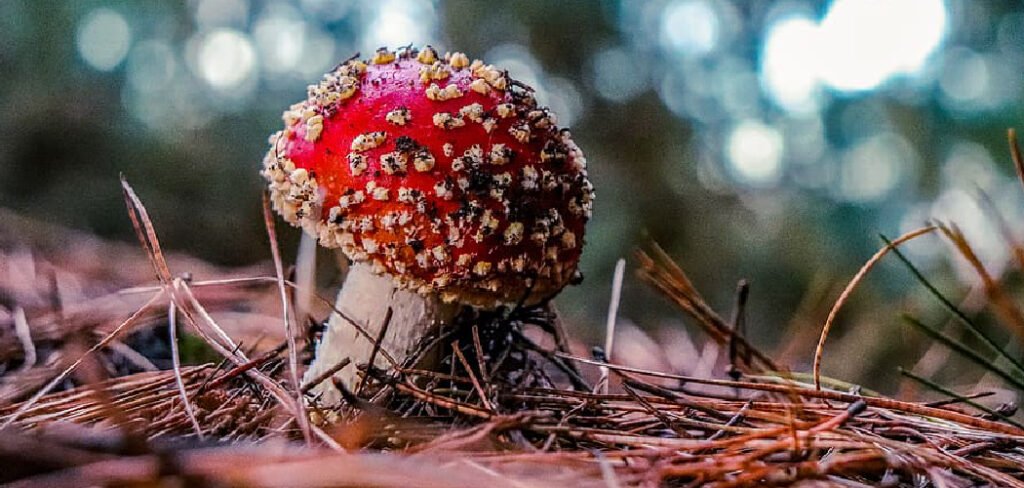
The good news is that managing these fungal visitors doesn’t require scorching the earth or using harsh industrial chemicals. By adjusting the environment that allows them to thrive, you can reclaim your garden space. This guide is designed to help you understand why these fungi appeared in the first place and show you exactly how to kill mushrooms in flower bed areas safely and effectively, ensuring your plants remain the stars of the show.
Mushrooms popping up in your flower bed can be a frustrating sight, but they’re often a sign of healthy soil and organic matter breaking down beneath the surface. While they don’t pose a direct threat to your plants, their presence can detract from the beauty of your carefully curated garden. Understanding how and why mushrooms grow in these areas is key to addressing the problem without disrupting the balance of your garden ecosystem.
When Do Mushrooms Typically Appear?
Mushrooms often make their debut in flower beds when the conditions are just right for their growth. Generally, they thrive during periods of high humidity, warm temperatures, and adequate moisture in the soil. This means they are most commonly spotted after heavy rains, especially in the spring and fall.
These conditions create the perfect environment for fungal spores to germinate and grow. If you notice mushrooms popping up, it’s a sign that your flower bed soil is rich in organic matter, which mushrooms use as their primary food source. Understanding when mushrooms are likely to appear can help you take preventative steps and maintain the aesthetics of your garden.
7 Step-by-Step Guide on How to Kill Mushrooms in Flower Bed
Step 1: Remove Existing Mushrooms by Hand
The most immediate way to start clearing your garden is through manual removal. Before you grab any tools or sprays, simply pull the visible mushrooms out of the ground. Put on a pair of gardening gloves to protect your skin from potential irritants, although most garden varieties are not dangerous to touch.
Grasp the mushroom firmly at the base of the stalk, close to the soil line, and pull steadily to uproot the entire fruiting body. It is crucial to deposit these immediately into a plastic bag rather than a compost pile. Tossing them into your compost will only spread thousands of spores back into your garden later, defeating the purpose of removal.
Step 2: Aerate the Soil to Improve Drainage
Fungi absolutely adore moisture and compacted soil where air cannot circulate freely. One of the most effective long-term strategies for how to kill mushrooms in flower bed environments is to make the ground less hospitable to them by improving aeration. Use a hand rake, garden fork, or a specialized aeration tool to gently poke holes and loosen the top few inches of soil around your flowers.
Be careful not to damage the shallow roots of your desired plants. This process introduces oxygen into the earth and helps excess water drain away faster. By drying out the environment and increasing airflow, you disrupt the damp, stagnant conditions that fungal mycelium needs to produce mushrooms.
Step 3: Remove Decaying Organic Matter
Mushrooms are nature’s recyclers; they exist to break down decaying organic material. If your flower bed is full of old mulch, rotting leaves, tree stumps, or buried roots, you are essentially setting out a buffet for fungi. To stop them from returning, you need to remove their food source.
Rake away thick layers of old, decomposing mulch and replace it with fresh, high-quality material. If there are rotting tree stumps or large root systems buried nearby, consider having them ground down or dug out. Even animal manure that hasn’t fully composted can trigger a bloom. By keeping your garden bed clean of excessive decaying debris, you starve the fungus and prevent future outbreaks.
Step 4: Adjust Your Watering Schedule
Overwatering is perhaps the single biggest culprit when it comes to unwanted garden fungus. If your soil is constantly soggy, mushrooms will thrive. Adjust your irrigation habits to water deeply but less frequently, allowing the top inch or two of soil to dry out completely between waterings.
Water in the morning rather than the evening so that the sun has time to evaporate excess surface moisture before nightfall. Avoiding overhead sprinklers in favor of drip irrigation or soaker hoses can also help, as this directs water straight to the plant roots rather than keeping the soil surface perpetually damp. Depriving the surface of constant moisture is a powerful, natural method for fungal control.
Step 5: Application of Nitrogen-Rich Fertilizer
Sometimes, mushrooms appear because the carbon-to-nitrogen ratio in your soil is out of balance, often due to decomposing wood mulch which is high in carbon. You can speed up the decomposition process and discourage mushroom growth by adding nitrogen. Apply a high-nitrogen fertilizer to the affected areas of your flower bed.
The nitrogen accelerates the breakdown of the organic matter that the mushrooms are feeding on. As the organic material decomposes faster, the food source runs out more quickly, leaving the fungus with nothing to eat. Follow the package instructions carefully to ensure you do not burn your flowers with too much fertilizer, but providing this nutrient boost is a clever biological hack for control.
Step 6: Use a Simple Vinegar Solution
For stubborn patches where manual removal isn’t enough, a household vinegar solution can act as a natural fungicide. Mix one part white vinegar with four parts water in a spray bottle. You can also add a few drops of dish soap to help the solution stick to the fungal caps. Spray the mixture directly onto the mushrooms, being extremely careful not to get any on your flowers or other desirable plants, as vinegar is a non-selective herbicide and will damage them. The acetic acid in the vinegar attacks the mushrooms and causes them to wither and die. This is a handy spot-treatment method for those learning how to kill mushrooms in flower bed areas without buying commercial poisons.
Step 7: Apply a Fungicide as a Last Resort
If cultural changes and natural remedies fail to solve the problem, you may consider using a commercial garden fungicide. Look for products specifically designed for lawns and ornamental gardens, often containing active ingredients like sulfur or copper soap. Before applying, read the label thoroughly to ensure it is safe for the specific types of flowers you are growing.
Apply the fungicide as a drench to the soil where the mushrooms are growing, following the manufacturer’s dilution rates precisely. This chemical approach attacks the underground mycelium network itself. However, keep in mind that fungicides can also harm beneficial soil microbes, so this step should be reserved for severe or persistent infestations that refuse to clear up with milder methods.
Frequently Asked Questions (FAQ)
Are Garden Mushrooms Harmful to My Flowers?
Generally, no. In fact, the presence of mushrooms usually indicates that your soil is rich in organic matter and very fertile. The underground fungal network, called mycelium, often has a symbiotic relationship with plant roots, helping them absorb water and nutrients more efficiently. The mushrooms you see are just the “fruit” of this helpful organism. They do not compete with your flowers for resources in a harmful way; they are simply breaking down dead material. The primary reasons to remove them are usually aesthetic preference or safety concerns for pets and children.
Will Baking Soda Kill Mushrooms?
Yes, baking soda can be an effective, mild fungicide for certain types of mushrooms. It creates an alkaline environment that is hostile to fungal growth. You can mix about two tablespoons of baking soda into a gallon of water and stir until dissolved. Pour or spray this solution over the mushroom-infested area and the surrounding soil. While it is not as potent as vinegar or commercial fungicides, it is a safer, gentler option that is less likely to harm surrounding plants if applied carefully. It works best as a preventative measure or on young fungi.
Why Do Mushrooms Keep Coming Back After I Pick Them?
Picking a mushroom is like picking an apple off a tree; the main organism (the tree, or in this case, the mycelium) is still alive underground. The vast majority of the fungus lives beneath the soil surface as a vast web of white threads. When conditions are right—usually when it’s damp and cool—the mycelium sends up mushrooms to release spores and reproduce. Unless you change the environmental conditions (like reducing moisture or removing the food source) or kill the underground network, the mushrooms will inevitably return when the weather favors them.
Is It Safe to Compost the Mushrooms I Pick?
It is generally not recommended to put fresh mushrooms directly into a standard home compost pile, especially if you are trying to get rid of them. Most home compost bins do not get hot enough (above 140°F consistently) to kill the fungal spores. If you compost them and then spread that finished compost back onto your flower beds later, you are essentially reseeding your garden with the very fungus you tried to remove. It is safer to bag them up and dispose of them in your regular trash bin to prevent spreading the spores.
Can Fungicides Harm My Plants?
Yes, if used incorrectly. Many fungicides are broad-spectrum, meaning they can kill beneficial fungi that your plants rely on for nutrient absorption. Additionally, some chemical formulations can burn plant leaves or damage roots if applied too heavily or during the heat of the day. Always choose a product labeled for use on ornamentals and follow the instructions exactly. Natural options like copper-based fungicides or sulfur are often safer choices for home gardens than heavy synthetic chemicals, but caution is always required.
Conclusion
Managing mushrooms in your garden is ultimately about managing the ecosystem of your soil. While they can be a nuisance to look at, remember that they are a sign your garden is rich in life and nutrients. By following a consistent routine of removing the visible caps, drying out the soil, and eliminating decaying debris, you can significantly reduce their presence without harming your beautiful blooms.
It requires a bit of patience, as the underground network can be persistent, but with cultural changes, you will see results. Whether you choose to hand-pull, adjust your watering, or use a vinegar spray, you now have the knowledge of how to kill mushrooms in flower bed areas safely. Take control of your garden environment today, and enjoy a cleaner, fungus-free landscape all season long.

About
Jovie Mathews is a backyard and outdoor expert writer with over 12 years of hands-on experience transforming neglected outdoor spaces into thriving gardens and functional retreats. Raised in a family where weekends meant digging in the soil and building raised beds from scratch, Jovie developed a genuine love for the outdoors long before it became a career.
She writes with a practical, no-fluff approach — always testing ideas in her own backyard before sharing them with readers. From composting systems and native plant selection to patio design and pest control, Jovie covers the full spectrum of backyard life with equal parts expertise and enthusiasm.
Education
B.Sc. in Horticulture Science
University of Florida (UF) · Gainesville, FL · 2014
IFAS College of Agricultural and Life Sciences
Minor in Environmental Studies
University of Florida (UF) · Gainesville, FL · 2014
College of Liberal Arts and Sciences
Areas of expertise
- Lawn & Garden Care
- Soil prep, planting, seasonal care
- Outdoor DIY Projects
- Raised beds, fencing, pathways
- Composting & Soil Health
- Organic methods, amendments
- Native Plants & Wildlife
- Pollinators, habitat gardening
When she is not writing, Jovie can be found testing new composting techniques, growing tomatoes in questionable quantities, or convincing her neighbors that clover lawns are actually a great idea. She currently gardens in the Pacific Northwest.