

Your backyard should be a sanctuary, a place where you can relax, entertain, and connect with nature. While we often focus on the visual appeal of our outdoor spaces—lush lawns, colorful flowers, and comfortable seating—we sometimes overlook one of the most powerful sensory elements: scent.
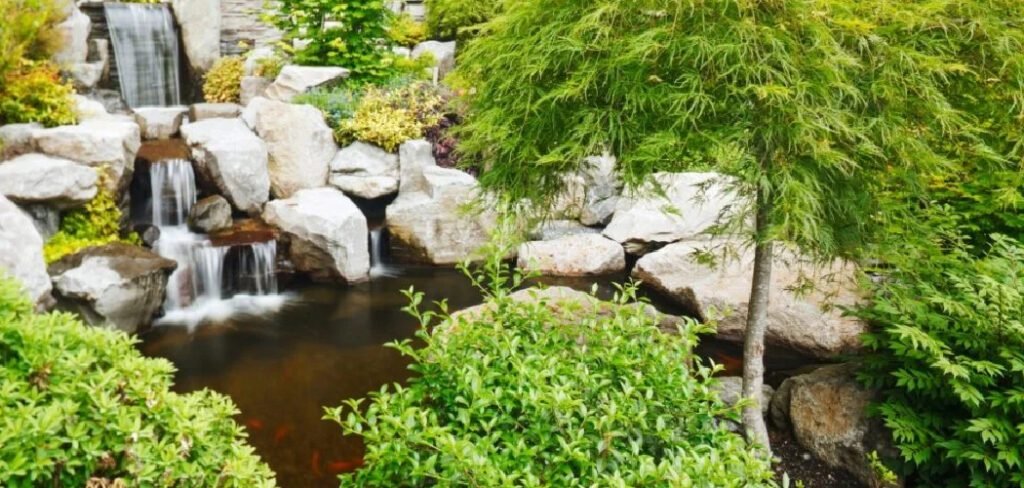
An unpleasant odor from stagnant water, pet waste, or decaying leaves can quickly ruin the ambiance of an otherwise beautiful yard. Conversely, a garden filled with sweet, natural fragrances can elevate your experience from ordinary to magical. The good news is that creating an aromatic paradise is easier than you might think.
This guide will walk you through the essential steps on how to make backyard smell good, transforming it into an inviting oasis for you and your guests to enjoy.
A delightful-smelling backyard isn’t just about aesthetics; it’s about creating a space where you can relax, unwind, and connect with nature. The right combination of natural elements, thoughtful landscaping, and subtle enhancements can turn your outdoor space into a haven of pleasant aromas.
By focusing on a few key strategies, you can ensure your yard becomes a sensory retreat that welcomes both you and your guests with its invigorating scents.
Step-by-Step Guide on How to Make Backyard Smell Good
Step 1: Identify and Eliminate Odor Sources
Before you can add pleasant scents, you must remove the bad ones. This is the most crucial step, as fragrant flowers cannot mask underlying problems. Conduct a thorough inspection of your yard to pinpoint the source of any foul odors.
Common culprits include overflowing trash cans, stagnant water in birdbaths or clogged gutters, pet waste areas, and damp, decaying piles of leaves or grass clippings. Clean your garbage and compost bins regularly with a vinegar and water solution.

Ensure proper drainage to prevent standing water, which breeds smelly bacteria. Establishing a designated, easy-to-clean potty area for pets can also make a significant difference. A clean backyard is the foundation for a fragrant one.
Step 2: Plant Aromatic Flowers and Shrubs
The most natural and rewarding way to create a sweet-smelling yard is by planting fragrant botanicals. Choose a variety of plants that bloom at different times to ensure your garden smells wonderful from spring through fall.
For powerful daytime scents, consider planting roses, gardenias, or lavender near patios and walkways where you can enjoy them up close. For evening fragrance, night-blooming jasmine and moonflower release their intoxicating perfumes after the sun sets, perfect for enjoying during late-night chats.
Planting these aromatic powerhouses is a key strategy when learning how to make backyard smell good. Be sure to place them where gentle breezes can carry their scent throughout your entire space.
Step 3: Grow a Fragrant Herb Garden
Herbs are a fantastic two-for-one addition to any backyard. Not only do they provide fresh ingredients for your kitchen, but many also release wonderful scents when brushed against or warmed by the sun. Plant fragrant herbs like rosemary, mint, lemon balm, and thyme along pathways or in pots on your patio.

When you walk by and brush against them, they will release their essential oils, creating a lovely aromatic experience. The invigorating scent of mint or the earthy fragrance of rosemary can add a new sensory layer to your garden. This is a simple, functional, and highly effective method for improving the scent profile of your outdoor living area.
Step 4: Lay Down a Cedar Mulch Base
Mulch is essential for retaining soil moisture and suppressing weeds, but your choice of material can also impact how your yard smells. Instead of standard hardwood mulch, opt for cedar chips. Cedar mulch has a clean, pleasant, and woodsy aroma that is especially noticeable after a light rain or on a warm day.
In addition to its wonderful scent, cedar has the added benefit of naturally repelling common garden pests like moths, slugs, and certain types of ants.
Applying a fresh layer of cedar mulch around your flowerbeds, trees, and shrubs is an easy way to introduce a lasting, subtle, and natural fragrance that helps neutralize other less desirable smells.
Step 5: Harness the Power of Scented Vines
To add both vertical interest and a beautiful aroma, incorporate flowering vines into your garden design. Vines like jasmine, honeysuckle, and sweet pea are prolific climbers that can be trained to grow up trellises, arbors, fences, or pergolas.
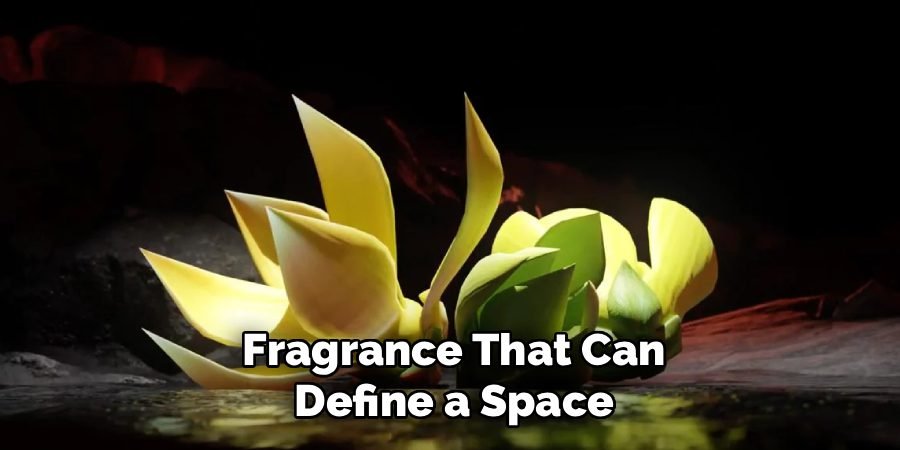
Planting them near a seating area or an open window allows their sweet perfume to drift into your home and outdoor living spaces. A trellis covered in blooming honeysuckle not only looks stunning but creates a wall of fragrance that can define a space.
This strategy is a highly effective way how to make backyard smell good, as it lifts the scent off the ground and allows it to travel more effectively on the breeze.
Step 6: Maintain a Healthy and Tidy Lawn
A well-maintained lawn contributes more to a pleasant smell than you might think. The aroma of freshly cut grass is a scent many people love, but a neglected lawn can smell musty or sour. Be sure to mow regularly, as letting grass grow too long can cause it to decay at the base.
It is also important to aerate your lawn annually to prevent soil compaction and improve drainage, which helps stop the growth of smelly moss and fungi. Raking up fallen leaves promptly prevents them from turning into a slimy, decomposing mess that can harbor mold and mildew.
A healthy, green, and tidy lawn provides a clean and fresh-smelling canvas for your entire backyard.
Step 7: Introduce a Water Feature
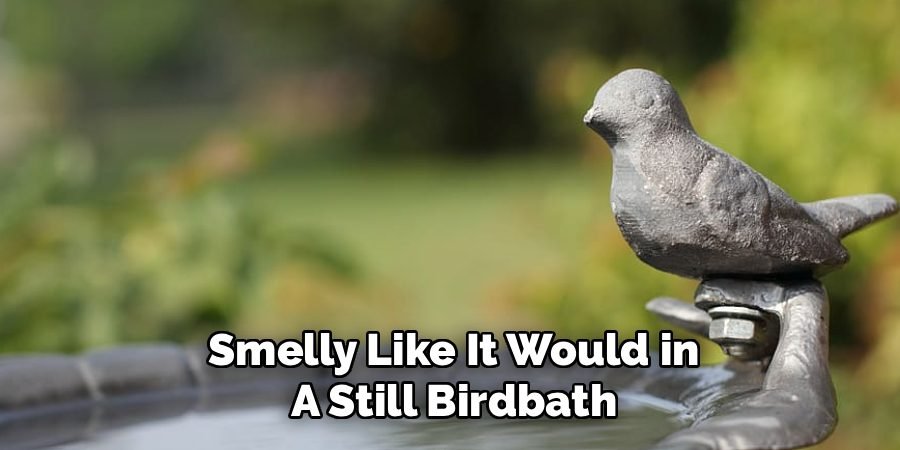
The sound of moving water is incredibly relaxing, and it can also help improve how your backyard smells. A fountain, bubbler, or small waterfall keeps water circulating, preventing it from becoming stagnant and smelly like it would in a still birdbath.
The moving water can also help to gently diffuse the scents of nearby flowers and plants, creating a more complex and pleasant aromatic environment. Furthermore, the presence of a water feature adds a touch of humidity to the air, which can enhance the fragrances of the surrounding flora.
This is a subtle yet sophisticated finishing touch that adds both auditory and olfactory beauty to your outdoor sanctuary.
Frequently Asked Questions (FAQ)
What Are the Most Fragrant Flowers for a Backyard?
For a powerfully scented garden, consider planting:
- Roses: Classic, romantic, and available in many different scents.
- Jasmine: Especially night-blooming varieties, which are intensely fragrant in the evening.
- Gardenia: A creamy, strong, and sweet floral scent.
- Lavender: A calming, herbaceous fragrance that also repels mosquitos.
- Hyacinth: A potent and sweet smell that is one of the first signs of spring.
How Can I Get Rid of a Musty Smell in My Yard?
A musty smell is usually caused by mold or mildew growing in damp, shady areas.
- Improve Airflow: Prune dense shrubs to allow more sunlight and air circulation.
- Fix Drainage: Identify and correct areas where water pools after rain.
- Clean Surfaces: Use a pressure washer or a stiff brush with a vinegar solution to scrub mold off patios, decks, and fences.
- Rake Regularly: Do not let wet leaves sit in piles for long periods.
Will My Pet’s Smell Ruin the Backyard?
Pet odors can be strong, but they are manageable. Designate a specific “potty spot” in the yard, preferably with pea gravel or artificial turf that is easy to rinse. Use an enzymatic odor eliminator spray, available at pet stores, on the area regularly.
These products use beneficial bacteria to break down the organic compounds in urine, eliminating the smell instead of just covering it up.
Is There a Quick Fix for a Smelly Yard Before a Party?
For a fast, temporary solution, you can use natural elements.
- Simmer Pot: On a portable burner, simmer a pot of water with citrus peels, cinnamon sticks, and rosemary.
- Citronella: Light several citronella candles or torches. They add a fresh, lemony scent while also helping to keep bugs away.
- Spray Down: A quick spray of water on cedar mulch or herb gardens can release their natural oils and freshen the air.
What Plants Naturally Deodorize the Air?
While many plants release pleasant scents, some are particularly good at “cleaning” the air. Plants with strong herbaceous scents are excellent choices.
Mint, eucalyptus, and lemongrass release potent essential oils that can help neutralize and overpower other less desirable odors in the immediate vicinity, acting as natural and beautiful air fresheners for your garden.
Conclusion
Creating a backyard that delights all the senses is a truly rewarding endeavor. It begins not with adding scents, but with removing the sources of unpleasant odors to create a clean foundation.
From there, you can layer in natural fragrances by planting aromatic flowers, herbs, and vines. Using scented mulch like cedar and maintaining a healthy lawn further enhances the pleasant atmosphere.
These elements work in harmony to build a rich, complex, and beautiful scent profile that transforms your yard into a true extension of your home.
Now that you have a clear roadmap on how to make backyard smell good, you can start planning today and look forward to stepping outside into your own personal fragrant paradise.

About
Jovie Mathews is a backyard and outdoor expert writer with over 12 years of hands-on experience transforming neglected outdoor spaces into thriving gardens and functional retreats. Raised in a family where weekends meant digging in the soil and building raised beds from scratch, Jovie developed a genuine love for the outdoors long before it became a career.
She writes with a practical, no-fluff approach — always testing ideas in her own backyard before sharing them with readers. From composting systems and native plant selection to patio design and pest control, Jovie covers the full spectrum of backyard life with equal parts expertise and enthusiasm.
Education
B.Sc. in Horticulture Science
University of Florida (UF) · Gainesville, FL · 2014
IFAS College of Agricultural and Life Sciences
Minor in Environmental Studies
University of Florida (UF) · Gainesville, FL · 2014
College of Liberal Arts and Sciences
Areas of expertise
- Lawn & Garden Care
- Soil prep, planting, seasonal care
- Outdoor DIY Projects
- Raised beds, fencing, pathways
- Composting & Soil Health
- Organic methods, amendments
- Native Plants & Wildlife
- Pollinators, habitat gardening
When she is not writing, Jovie can be found testing new composting techniques, growing tomatoes in questionable quantities, or convincing her neighbors that clover lawns are actually a great idea. She currently gardens in the Pacific Northwest.