
Your patio is the heart of your backyard—a place for summer barbecues, family gatherings, and quiet relaxation. But with all that fun comes the inevitable spill. A stray burger, a tipped-over bottle of salad dressing, or a spatter from the grill can leave a dark, oily stain on your beautiful pavers. Because pavers are porous, grease soaks in quickly, creating a stubborn blemish that plain water won’t touch.
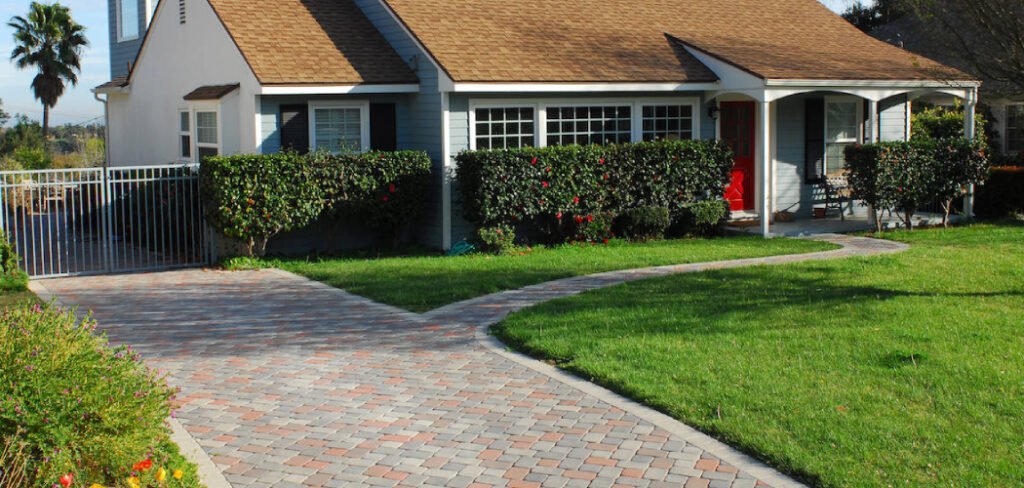
These stains not only look terrible but can also attract more dirt, making the problem worse. The good news is that you do not have to live with these ugly marks forever. With prompt action and the right cleaning materials, you can pull that grease right out of the stone. This guide will provide a clear, step-by-step process showing you exactly how to remove grease from patio pavers, restoring them to their original, pristine condition.
Grease stains on patio pavers can be a frustrating sight, disrupting the beauty of your outdoor space. Whether caused by a backyard barbecue or an accidental spill, these marks can seem difficult to tackle at first. However, with the right techniques and materials, you can effectively remove grease and restore your patio to its former glory. The process is straightforward and ensures your pavers remain clean and well-maintained for years to come.
7 Step-by-Step Guide on How to Remove Grease from Patio Pavers
Step 1: Act Quickly and Blot the Excess
The moment a grease spill happens, your window for the easiest cleanup begins. Do not let the oil sit and penetrate deeper into the porous stone. Your first action should be to absorb as much of the liquid grease as possible. Grab a clean, dry cloth, paper towels, or even old rags and gently blot the stain.
Do not rub or wipe the area, as this will only spread the grease and push it further into the pavers. Apply light pressure to soak up the surface oil. Continue blotting with fresh sections of your absorbent material until no more grease is being lifted from the surface. This initial step is crucial as it removes the bulk of the oil, making the subsequent cleaning stages significantly more effective.
Step 2: Apply an Absorbent Powder Liberally
After you have blotted the excess, the next step is to draw out the grease that has already soaked into the paver. You need a dry, absorbent powder for this task. Common household items like cornstarch, baking soda, or even cat litter work exceptionally well. Generously cover the entire stain with a thick layer of your chosen powder, extending about an inch beyond the edges of the visible mark. Do not be shy with the application; you want a substantial mound covering the spot. This powder will act like a sponge, slowly pulling the oil and grease out of the pores of the stone and trapping it.
Step 3: Let the Absorbent Powder Sit and Work
This step requires patience, but it is one of the most important. Once the powder is applied, you need to let it sit undisturbed for several hours, or ideally, overnight. The longer it sits, the more time it has to wick the grease out of the pavers. During this time, the powder will absorb the oil, and you might even see it become discolored or clumpy as it works its magic. Resist the urge to check on it or disturb it. Find a way to block off the area from foot traffic or pets to ensure the powder remains in place to do its job effectively.
Step 4: Scrub with a Degreaser
After the absorbent powder has sat for an adequate amount of time, sweep it up and dispose of it. Now it is time to tackle the remaining stain with a cleaning solution. A simple yet powerful option is a mixture of hot water and a strong dish soap known for its grease-cutting properties. Alternatively, you can purchase a commercial concrete or paver degreaser.
Apply your chosen cleaning solution directly to the stain and use a stiff-bristled nylon brush to scrub the area vigorously. Work in circular motions and apply firm pressure to work the degreaser deep into the pores of the paver. This is a critical part of learning how to remove grease from patio pavers, as the scrubbing action breaks down the oily residue.
Step 5: Rinse the Area Thoroughly
Once you have finished scrubbing, you need to completely rinse the cleaning solution and any loosened grease from the patio surface. Use a garden hose with a strong spray nozzle to wash the area clean. Start from the outside of the treated spot and work your way inward, then push all the soapy water off the patio. Rinsing thoroughly is important to prevent a film of soap from drying on the pavers, which can attract more dirt. If you have a pressure washer, you can use it on a low setting with a wide fan tip, but be careful not to blast out the sand from the paver joints.
Step 6: Repeat the Process for Stubborn Stains
For older, more stubborn grease stains that have had time to set deep into the stone, one cleaning cycle may not be enough. After the paver has completely dried from the first rinse, inspect the area. If a faint stain remains, do not be discouraged. Simply repeat the process. Apply your degreasing solution again, scrub with your stiff brush, and rinse thoroughly. Some deep-set oil stains may require two or three attempts to fully lift. This persistence is often the secret to successfully restoring your pavers to a spotless condition and is an important lesson in how to remove grease from patio pavers completely.
Step 7: Apply a Paver Sealer for Future Protection
After you have successfully removed the grease stain and the patio is clean and completely dry, consider applying a preventative measure. A high-quality paver sealer creates an invisible protective barrier over the surface of the stones. This sealant fills the microscopic pores, making the pavers less absorbent. As a result, future spills will bead up on the surface rather than soaking in immediately, giving you much more time to clean them up. Applying a sealer not only helps prevent future grease stains but also protects against water damage, moss growth, and color fading from UV rays, keeping your entire patio looking its best for years to come.
Frequently Asked Questions (FAQ)
Can I Use WD-40 to Remove Grease Stains?
This might seem counterintuitive, but yes, WD-40 can sometimes help with old, hardened grease stains. WD-40 is a solvent that can dissolve and loosen the set-in grease. Spray it on the stain, let it sit for about 20 minutes, then follow up with an absorbent powder like baking soda to soak up the dissolved mixture. Finally, scrub the area with dish soap and water as you normally would. It is best used as a pre-treatment for very stubborn spots.
Will Vinegar Remove Grease from Pavers?
Vinegar is a fantastic natural cleaner for many things, but it is not the best choice for grease. Vinegar’s power comes from its acidity, which is effective at dissolving mineral deposits and killing moss, but it does not break down oil molecules very well. You will have much better results using a soap-based degreaser (like dish soap) or a specialized alkaline concrete cleaner, which are specifically formulated to emulsify fats and oils, allowing them to be washed away with water.
Does a Pressure Washer Remove Grease Stains?
A pressure washer alone, using only water, is unlikely to remove a soaked-in grease stain. It might remove the surface layer, but the oil that has penetrated the pores will remain. However, a pressure washer can be a very effective tool when used in combination with a good degreaser. After letting the degreaser soak in and break down the oil, pressure washing can blast away the residue much more effectively than a simple garden hose. Use a fan tip and caution to avoid damaging the pavers.
How Do I Remove Cooking Oil vs. Motor Oil Stains?
The process for both is very similar, as they are both hydrocarbon-based oils. The key steps of absorbing the excess, applying a powder, and scrubbing with a degreaser work for both cooking and motor oil. However, motor oil stains can sometimes be tougher and may benefit from a specialized concrete or driveway degreaser formulated for petroleum products. For either type, acting quickly before the stain sets is the most important factor for successful removal.
Is It Safe to Use Kitty Litter on Pavers?
Yes, clay-based kitty litter is an excellent absorbent and is perfectly safe to use on patio pavers. In fact, mechanics have used it for decades to clean up oil spills on garage floors. Its high absorbency makes it ideal for the initial step of pulling liquid grease out of the porous stone. Simply pour it on, let it sit, and then sweep it up. Just be sure to use a basic, non-clumping clay litter without any added perfumes or chemicals.
Conclusion
A grease stain on your beautiful patio can be disheartening, but it does not have to be a permanent mark. By acting quickly to blot the spill, using absorbent powders to draw out the oil, and scrubbing with an effective degreaser, you can lift even stubborn stains. The key is a combination of prompt action and patient persistence.
Finishing the job with a quality sealer provides valuable insurance against future accidents, making cleanup easier and preserving the life of your pavers. Do not let the fear of a spill keep you from enjoying your outdoor kitchen. Now that you have a clear understanding of how to remove grease from patio pavers, you can fire up the grill with confidence, knowing you are prepared to handle any mess that comes your way.

About
Jovie Mathews is a backyard and outdoor expert writer with over 12 years of hands-on experience transforming neglected outdoor spaces into thriving gardens and functional retreats. Raised in a family where weekends meant digging in the soil and building raised beds from scratch, Jovie developed a genuine love for the outdoors long before it became a career.
She writes with a practical, no-fluff approach — always testing ideas in her own backyard before sharing them with readers. From composting systems and native plant selection to patio design and pest control, Jovie covers the full spectrum of backyard life with equal parts expertise and enthusiasm.
Education
B.Sc. in Horticulture Science
University of Florida (UF) · Gainesville, FL · 2014
IFAS College of Agricultural and Life Sciences
Minor in Environmental Studies
University of Florida (UF) · Gainesville, FL · 2014
College of Liberal Arts and Sciences
Areas of expertise
- Lawn & Garden Care
- Soil prep, planting, seasonal care
- Outdoor DIY Projects
- Raised beds, fencing, pathways
- Composting & Soil Health
- Organic methods, amendments
- Native Plants & Wildlife
- Pollinators, habitat gardening
When she is not writing, Jovie can be found testing new composting techniques, growing tomatoes in questionable quantities, or convincing her neighbors that clover lawns are actually a great idea. She currently gardens in the Pacific Northwest.