

There is nothing quite as relaxing as sitting on your patio, listening to the gentle rhythm of a rainstorm. However, that relaxation quickly turns to frustration when the wind shifts, and your peaceful retreat becomes a wet, slippery mess.
Even with a roof overhead, blowing rain can soak your furniture, ruin your outdoor rugs, and drive you back inside just when you wanted to enjoy the fresh air. This is a common problem for homeowners who want to maximize their living space regardless of the weather.
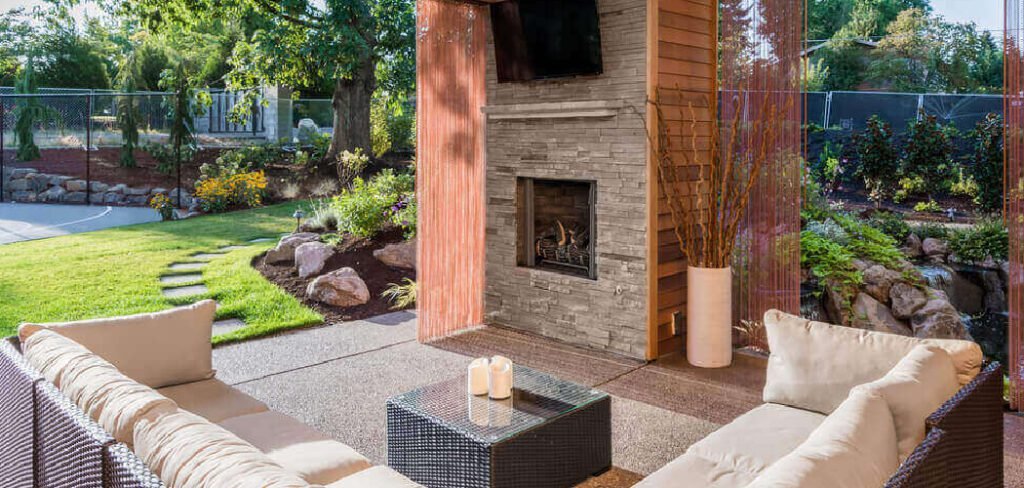
The good news is that you do not have to accept a soggy porch as a fact of life. There are numerous stylish and functional ways to shield your space from the elements without sacrificing the open-air feeling you love.
Whether you are looking for a temporary fix or a permanent upgrade, finding the right solution depends on your budget, your aesthetic, and your local climate. This guide is designed to show you exactly how to keep rain off covered patio areas, transforming your damp deck into a dry, comfortable haven that you can enjoy rain or shine.
Ready to transform your patio into a rain-proof retreat? Explore our top tips and innovative solutions today, and start creating a space you’ll love no matter the weather. Don’t wait—take the first step toward your dream covered patio!
7 Step-by-Step Guide on How to Keep Rain Off Covered Patio
Step 1: Install Weatherproof Outdoor Curtains
One of the most versatile and cost-effective solutions for patio protection is hanging heavy-duty outdoor curtains. These specialized fabrics are designed to repel water and resist mildew, acting as a flexible barrier against wind-blown rain.
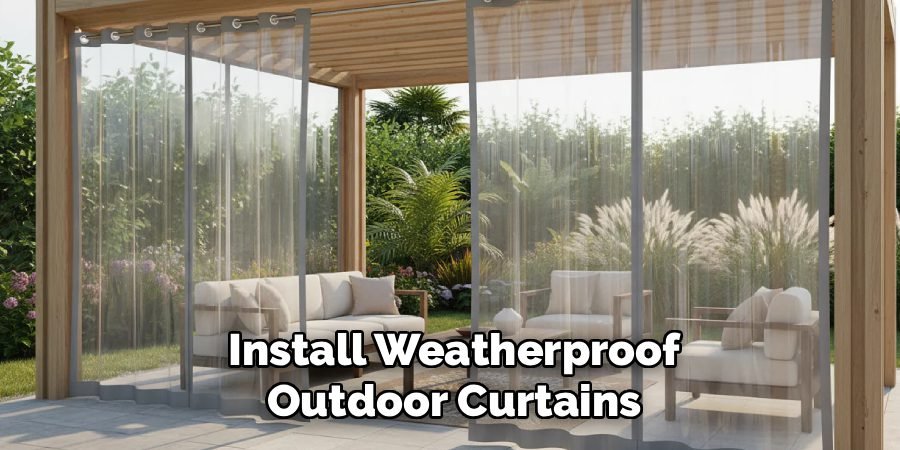
When installing them, ensure you use a sturdy rod system that is anchored securely to your patio beams to withstand gusts of wind. You can tie them back on sunny days to keep your space open and airy, then quickly release them when storm clouds gather.
This method adds a soft, resort-like aesthetic to your home while providing adjustable privacy and weather protection.
Step 2: Add Roll-Up Solar Shades
For a more streamlined look that disappears when not in use, consider installing exterior roll-up shades. These are typically made from durable PVC or polyethylene mesh that blocks rain while still allowing some airflow and visibility.
Unlike curtains that can billow in the wind, many shade systems come with tie-downs or side tracks that keep the fabric taut and secure during storms. This stability is crucial for learning how to keep rain off covered patio surfaces effectively.
Shades offer the added benefit of cutting down on harsh sunlight and heat during the summer, making them a dual-purpose investment for year-round comfort.
Step 3: Construct Permanent Knee Walls
If you deal with constant splashing from the ground or rain bouncing off the deck, a knee wall might be the structural solution you need. A knee wall is a short, solid wall—usually about three feet high—built around the perimeter of your patio.
It acts as a physical shield against rain that blows in at lower angles or bounces up from the yard. By combining a knee wall with screens or windows on the upper half, you create a robust barrier.
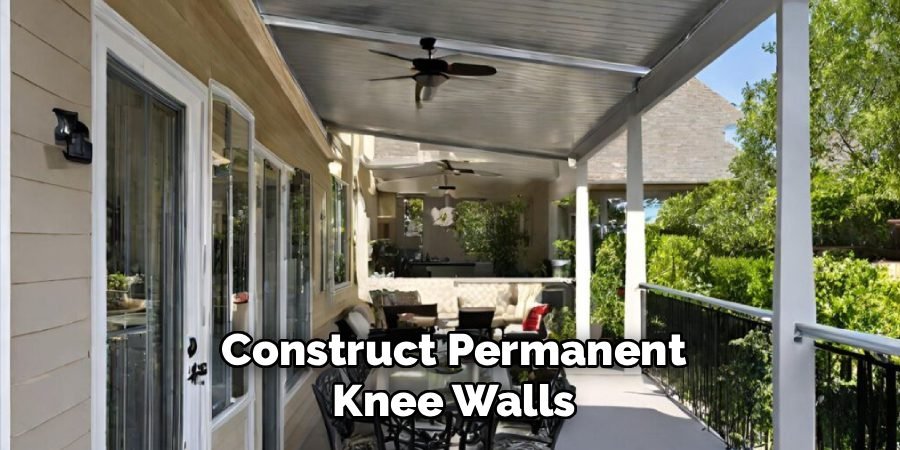
This option requires more construction but significantly reduces the amount of water entering your space and provides a finished, built-in look.
Step 4: Utilize Retractable Awnings or Canopies
Sometimes the problem isn’t just rain blowing in from the sides, but an overhang that is simply too short to provide adequate cover. Extending your roofline with a retractable awning or canopy can drastically improve dryness.
These extensions push the “drip line” further away from your seating area, ensuring that vertical rain doesn’t soak the edge of your patio. Modern awnings often come with wind sensors that automatically retract the fabric if gusts get too dangerous.
This flexibility allows you to customize the amount of coverage you have based on the specific weather conditions of the day.
Step 5: Install Plantation Shutters or Louvers
For homeowners who want precise control over airflow and rain protection, exterior plantation shutters or louvered walls are an excellent choice. These fixed or sliding panels feature adjustable slats that can be tilted to deflect rain downward while still permitting a gentle breeze to pass through.
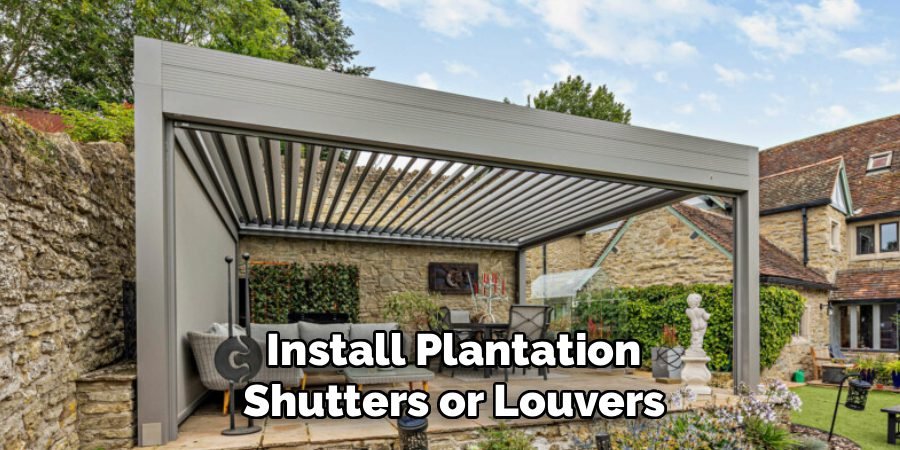
When a heavy storm hits, you can close the louvers completely to create a solid wall. This architectural approach adds a sophisticated, tropical element to your home’s exterior design.
It provides a sturdy, permanent defense against the elements that is far more durable than fabric options, ensuring your furniture stays dry during sudden downpours.
Step 6: Fit Clear Vinyl Enclosure Panels
If your goal is to maintain a completely unobstructed view of your garden while blocking 100% of the rain, clear vinyl panels are the answer. These thick, transparent sheets can be custom-fitted to the openings of your porch, essentially turning it into a three-season room.
They can be rolled up manually or operated via a motorized track system. Because they are solid, they offer superior protection against driving rain and cold winds compared to mesh or fabric.
This option allows you to sit outside during a thunderstorm and watch the rain fall just inches away without feeling a single drop of moisture.
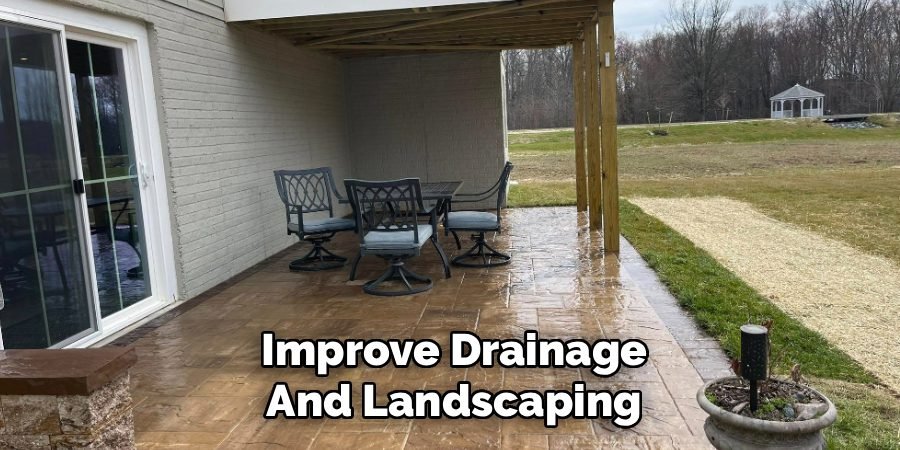
Step 7: Improve Drainage and Landscaping
Sometimes the issue isn’t rain falling from the sky, but water pooling and flowing onto your patio from the surrounding yard. To truly master how to keep rain off covered patio floors, you must look down as well as up. Ensure your patio surface slopes slightly away from the house to encourage runoff.
Additionally, inspect the landscaping around the perimeter. Installing French drains, gravel trenches, or strategic planting beds can absorb excess water and prevent splash-back from muddying your clean floors. Managing the water on the ground is just as critical as blocking the rain from the air for a truly dry experience.
Maintenance of Outdoor Spaces
Maintaining outdoor spaces is essential to ensure their longevity and usability throughout the year. Regular cleaning is a key component; sweeping away debris, cleaning surfaces, and removing fallen leaves can prevent staining and the growth of mold or mildew. For wooden patios or decks, periodic sealing or staining will protect them against weathering and moisture damage. Similarly, stone or concrete surfaces benefit from occasional pressure washing to restore their appearance and eliminate dirt buildup.
It’s also important to inspect furniture and fixtures, making necessary repairs or applying protective coatings to guard against rust or wear. Finally, maintaining landscaping elements such as trimmed plants, weeded gardens, and well-drained soil not only enhances the outdoor aesthetic but also supports the functionality of the space.
Frequently Asked Questions (FAQ)
Can I Use Indoor Curtains Outside?
No, you should never use indoor curtains for outdoor protection.
- Mold Risk: Indoor fabrics like cotton or velvet will absorb water, leading to heavy mold and mildew growth.
- Durability: They will fade quickly in the sun and rot after exposure to rain.
- Solution: Always purchase fabric specifically labeled “outdoor,” “marine grade,” or “all-weather,” such as solution-dyed acrylic, which is engineered to repel water and resist UV damage.
How Do I Secure Curtains in High Winds?
Flapping curtains can be annoying and ineffective during a storm.
- Weights: Sew heavy weights or specialized drapery weights into the bottom hem of the curtains.
- Tie-Downs: Install hooks or cleats on the floor or railing and use grommets at the bottom of the curtains to secure them.
- Velcro: Apply heavy-duty outdoor Velcro strips to the columns or walls to seal the edges of the curtains when closed.
Are Motorized Shades Worth the Cost?
For many homeowners, the convenience justifies the price.
- Ease of Use: You can lower all shades instantly with a remote control when a storm hits, rather than running outside to crank them manually.
- Smart Features: Some integrate with home automation systems or weather sensors.
- Longevity: Motorized systems often have smoother operation, reducing wear and tear on the mechanism compared to manual pulling.
Will Installing Walls Make My Patio Too Hot?
It is a valid concern, but it depends on the materials you choose.
- Airflow: Louvers or breathable mesh shades allow air to circulate even when deployed, preventing the “greenhouse effect.”
- Color: Choosing light-colored fabrics or materials will reflect sunlight rather than absorbing it.
- Flexibility: Opting for retractable or sliding solutions means you can open the space up completely on hot, dry days to catch the breeze.
How Can I Protect My Patio Floor From Blowing Rain?
Keeping the floor dry is difficult if wind is strong.
- Rugs: Use quick-drying, open-weave outdoor rugs that allow water to drain through rather than pooling.
- Squeegee: Keep a long-handled floor squeegee nearby to quickly push standing water off the edge after a storm.
- Sealing: Ensure your concrete or stone patio is properly sealed so water beads up on the surface rather than soaking into the porous material.
Conclusion
Protecting your outdoor living space from the elements is an investment in your quality of life. By implementing the right barriers, you extend the usability of your home, allowing you to host dinners, read books, or simply unwind outside regardless of the forecast. You don’t have to let a little precipitation drive you indoors or ruin your expensive furniture.
Whether you opt for the soft elegance of curtains, the high-tech convenience of motorized shades, or the permanent security of a knee wall, the result is a drier, more enjoyable environment. Take the time to assess your specific needs and local weather patterns to choose the best method for your home. Now that you understand how to keep rain off covered patio areas effectively, you can look forward to the next storm with anticipation rather than annoyance, safe in your cozy, dry shelter.

About
Jovie Mathews is a backyard and outdoor expert writer with over 12 years of hands-on experience transforming neglected outdoor spaces into thriving gardens and functional retreats. Raised in a family where weekends meant digging in the soil and building raised beds from scratch, Jovie developed a genuine love for the outdoors long before it became a career.
She writes with a practical, no-fluff approach — always testing ideas in her own backyard before sharing them with readers. From composting systems and native plant selection to patio design and pest control, Jovie covers the full spectrum of backyard life with equal parts expertise and enthusiasm.
Education
B.Sc. in Horticulture Science
University of Florida (UF) · Gainesville, FL · 2014
IFAS College of Agricultural and Life Sciences
Minor in Environmental Studies
University of Florida (UF) · Gainesville, FL · 2014
College of Liberal Arts and Sciences
Areas of expertise
- Lawn & Garden Care
- Soil prep, planting, seasonal care
- Outdoor DIY Projects
- Raised beds, fencing, pathways
- Composting & Soil Health
- Organic methods, amendments
- Native Plants & Wildlife
- Pollinators, habitat gardening
When she is not writing, Jovie can be found testing new composting techniques, growing tomatoes in questionable quantities, or convincing her neighbors that clover lawns are actually a great idea. She currently gardens in the Pacific Northwest.